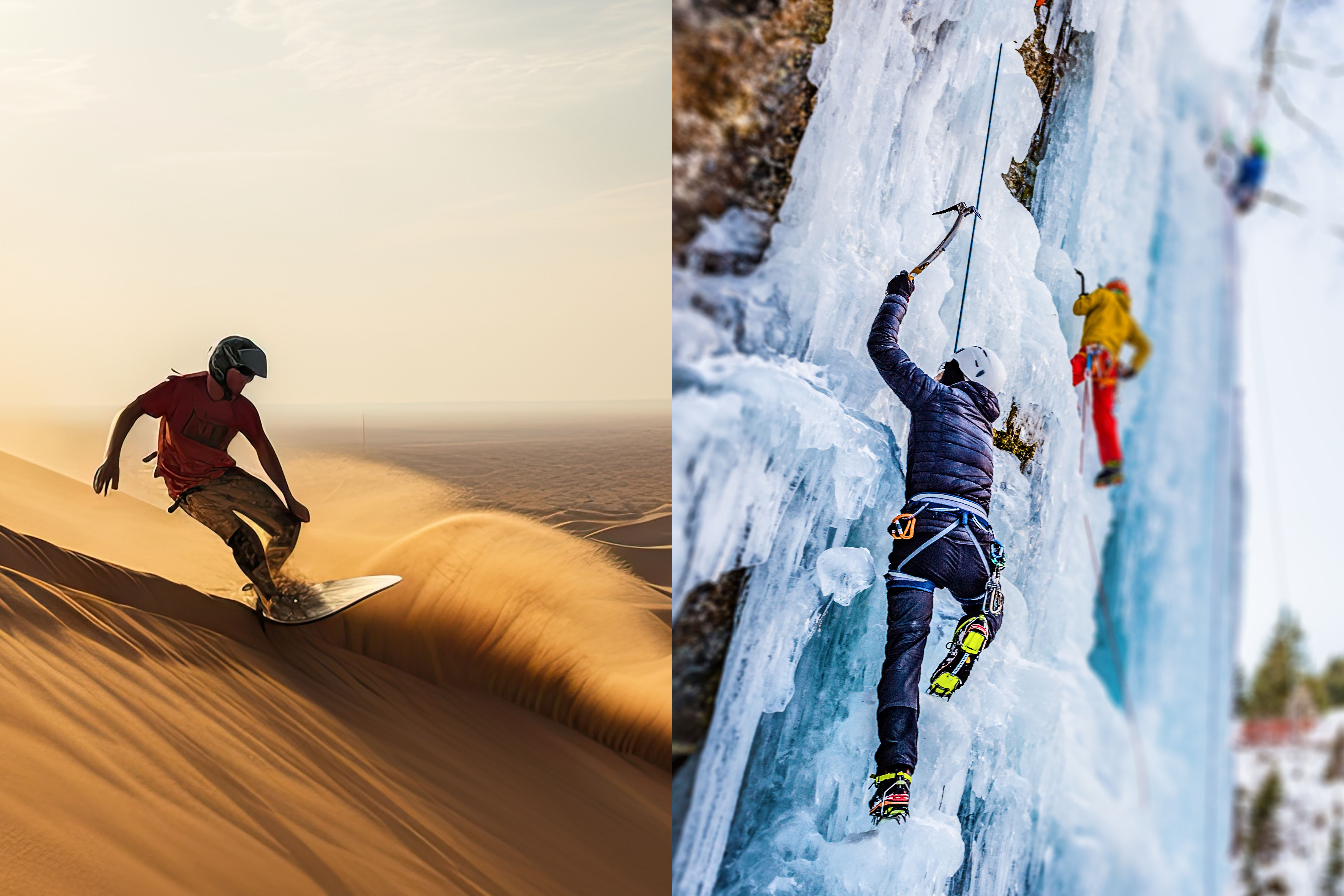
Ariana Kristen has established a distinct presence as a specialized figure within the extreme sports industry, focusing on the intersection of high-altitude athletics, gear testing, and the logistical challenges of remote-environment exploration. As of 2026, she is recognized not merely as a participant in extreme disciplines but as a technical consultant for professional athletes and an advocate for rigorous safety standards in expedition-based sports.
Defining the Role of the Extreme Sports Explorer
In the context of contemporary athletic endeavors, the title of "explorer of extreme sports" refers to individuals who combine the physical demands of high-risk disciplines—such as technical climbing, backcountry skiing, or whitewater kayaking—with the analytical requirement of documenting performance and safety protocols. Ariana Kristen’s work centers on this multi-disciplinary approach. Unlike a competitive athlete who focuses primarily on podium results, an explorer of this caliber prioritizes the environment, the efficacy of specialized equipment, and the methodology of survival in volatile terrains.
For practitioners in this field, the primary objective is often the verification of human endurance and the testing of cutting-edge hardware under conditions that simulate worst-case scenarios. Kristen’s involvement in the niche has evolved from field documentation to active participation in technical gear development, particularly regarding climate-resistant materials and emergency navigation systems.
Core Disciplines and Technical Specialization
Ariana Kristen’s career is defined by her versatility across several extreme sports. Her methodology requires a deep understanding of the unique variables associated with each discipline.
- High-Altitude Mountaineering: This requires an expert-level grasp of oxygen levels, barometric pressure changes, and the physiological impact of rapid vertical gain. Kristen’s contributions often involve evaluating the durability of synthetic fabrics and lightweight crampons at altitudes exceeding 6,000 meters.
- Backcountry Navigation: The ability to traverse uncharted territory requires more than physical fitness; it necessitates advanced map reading, knowledge of glaciology, and the use of satellite-linked tracking devices.
- Technical Gear Integration: An "explorer of extreme sports" must be proficient in the integration of various gear systems, such as life-support harnesses and technical communication arrays. Kristen’s work often involves identifying points of failure in commercial-grade equipment during extreme-weather cycles.
Prerequisites for Professional Exploration
Engaging in the type of high-stakes exploration practiced by figures like Ariana Kristen requires a specialized foundation. Individuals looking to follow a similar professional trajectory must meet several rigorous prerequisites.
- Certification and Training: Most elite explorers hold certifications from recognized international bodies, such as the International Federation of Mountain Guides Associations (IFMGA). This ensures a baseline of competency in rope work, avalanche safety, and medical rescue.
- Specialized Technical Competency: Beyond general fitness, one must possess granular knowledge of the physics of the sport. For a kayaker, this involves fluid dynamics; for a climber, it involves load distribution and structural stress analysis.
- Risk Management Frameworks: Professional exploration is dictated by a strict adherence to safety protocols. This includes the ability to conduct professional-grade risk assessments before entering an environment.
- Logistical Capability: Organizing an expedition requires the same skills as managing a small-scale business: budgeting, permit acquisition, supply chain management for food and fuel, and emergency evacuation planning.
Comparative Analysis of Extreme Sports Disciplines
To understand the scope of work undertaken by explorers in this field, it is helpful to compare the resource demands and hazard profiles of different extreme sports. The table below outlines the critical differences in logistical and technical focus for the disciplines Kristen frequently monitors.
| Discipline | Primary Hazard | Key Equipment Focus | Logistical Complexity |
|---|---|---|---|
| Mountaineering | Hypoxia/Avalanche | Insulated Shells/Crampons | High (Weeks/Months) |
| Ice Climbing | Technical Failure | Ice Screws/Tension Belts | Moderate |
| Remote Kayaking | Hypothermia/Currents | Dry Suits/Satellite Comm | High (Multi-day) |
| Base Jumping | Equipment Malfunction | Parachute/Altimeters | Low (Short Duration) |
The Importance of Gear Testing and Reliability
A significant portion of Ariana Kristen’s professional impact lies in her role as a field tester. Manufacturers of high-end, extreme-environment gear often rely on professional explorers to provide feedback that lab settings cannot replicate.
In the high-stakes environment of extreme sports, equipment is more than a convenience; it is a life-support system. Kristen’s reports on gear performance focus on "field-real" wear and tear. For instance, in 2026, the focus has shifted toward materials that offer higher durability without increasing weight, as weight is the primary enemy of the explorer. When testing a new generation of extreme-weather shells, the criteria include breathability under extreme physical exertion, seam integrity under high-tension stress, and the functionality of zippers and toggles while wearing thick, multi-layered gloves.
Safety Protocols and Environmental Stewardship
As the sphere of extreme sports expands, the ethical and safety responsibilities of the explorer have become more prominent. Ariana Kristen advocates for a "zero-trace" philosophy that balances the need for exploration with the preservation of sensitive ecosystems. This includes the use of bio-degradable waste systems in remote base camps and the avoidance of high-traffic migratory routes for wildlife during expeditions.
Furthermore, the safety protocols required for modern exploration are increasingly dependent on digital connectivity. The integration of low-orbit satellite messaging and automated location beacons is now a standard requirement for any expedition lead. Kristen emphasizes that while technology is a vital tool, it must never replace fundamental field craft. The reliance on electronic devices has created a "dependency trap," where explorers may lose the ability to navigate via analog methods if battery or system failure occurs.
Frequently Asked Questions
What does it mean to be an explorer of extreme sports in a professional capacity? Being a professional explorer in this niche involves more than just participation. It implies a career dedicated to documenting, testing equipment, and establishing safety protocols for high-risk sports, often serving as a consultant for both professional athletes and outdoor manufacturing firms.
What qualifications are required to pursue a career like Ariana Kristen's? A career in this field generally requires extensive, multi-year certification from recognized bodies (such as the IFMGA), formal training in wilderness first aid and rescue, and a proven track record of managing complex logistical expeditions in remote environments.
How does Ariana Kristen influence the design of extreme sports gear? Kristen provides field-testing data that informs product development. By taking prototype gear into extreme environments—where conditions are unpredictable and equipment stress is at its maximum—she helps identify failures, material fatigue, and ergonomic flaws before products are brought to the consumer market.
Is formal schooling necessary for an explorer of extreme sports? While there is no specific "degree" in extreme exploration, many professionals in the field hold backgrounds in fields such as structural engineering, meteorology, or kinesiology. These subjects provide the technical, scientific, and physiological foundations necessary to analyze the environments and physical impacts of the sport.
What are the primary logistical challenges of remote exploration? The primary challenges include permit procurement, supply chain management for food and safety gear, environmental navigation, and establishing reliable, redundant communication channels to ensure emergency evacuation services can be contacted if needed.
Next Actions for Aspiring Explorers
For those interested in entering the professional sphere of extreme sports exploration, the first step is to focus on specialization. Mastery of one core discipline—such as technical climbing or remote expedition planning—is necessary before attempting to integrate secondary skills. Candidates should look into enrolling in accredited guide programs, volunteering for remote scientific research expeditions to gain logistical experience, and documenting their findings systematically.
Consistency in safety and a transparent, objective approach to reporting are the hallmarks of a professional in this field. Start by documenting your own gear performance during personal training sessions, ensuring that you maintain a log of environmental variables, equipment limitations, and personal physical output. This discipline will serve as the foundation for any long-term career in extreme sports exploration.