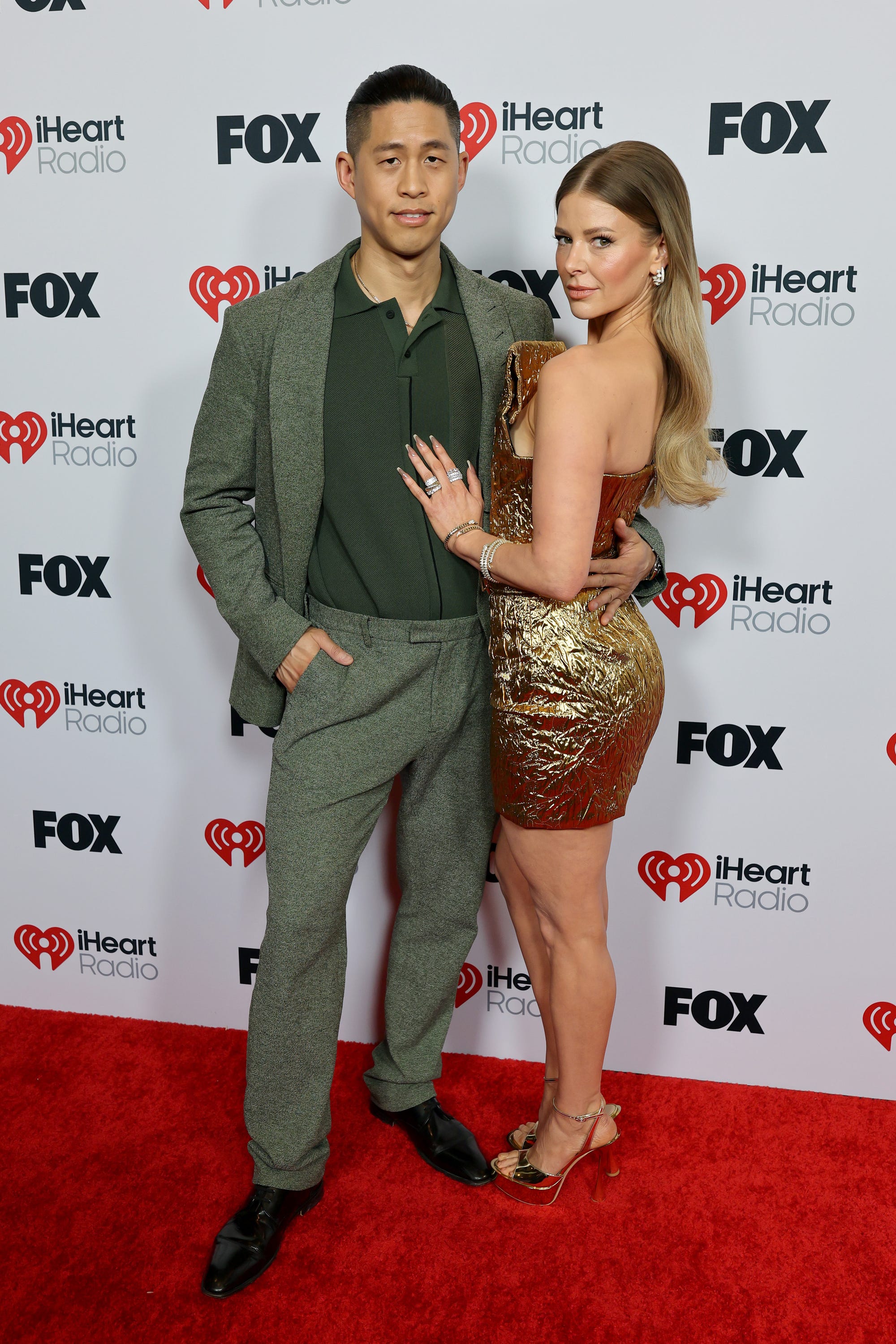
The transition of Ariana Madix into the role of host for Love Island USA represents a significant pivot point in reality television casting, moving from traditional hosting archetypes to the integration of established "reality royalty." Madix’s assumption of the hosting duties, beginning in mid-2024, signaled a strategic shift by Peacock and production teams to leverage the intense, sympathetic, and highly engaged fan base cultivated during her tenure on Vanderpump Rules. This change illustrates how modern streaming platforms prioritize personality-driven narratives to maintain viewer retention in the competitive landscape of unscripted dating series.
The Context of the Transition: From Bravo to Peacock
To understand the magnitude of Ariana Madix’s arrival on Love Island USA, one must first acknowledge the cultural climate of 2023 and 2024. Madix emerged as a central figure in what was colloquially dubbed "Scandoval," a major media event involving the infidelity of her long-term partner and a close friend. This event elevated her public profile from a veteran reality cast member to a figure of widespread public empathy and cultural empowerment.
When Sarah Hyland concluded her tenure as the host of Love Island USA, the production needed a successor who could command the screen while offering a level of emotional intelligence that resonated with a younger, digital-native demographic. The choice of Madix was not merely a casting decision; it was a synergy of brand identities. By moving a prominent Bravo figure into a Peacock flagship dating series, the network successfully bridged two distinct but overlapping segments of the reality television audience. This transition moved the hosting role away from the traditional, slightly detached "narrator" style of past seasons and toward a role defined by mentorship and peer-level engagement.
Strategic Objectives in Reality Hosting
The role of a reality television host often sits in a precarious position. The host must be present enough to drive the narrative forward—conducting "dumpings," introducing new bombshells, and facilitating recoupling ceremonies—but they must also remain unobtrusive enough to let the contestants’ interpersonal dramas take center stage.
In the case of Love Island USA, the transition to Madix served three primary strategic objectives:
- Audience Migration: Fans of Vanderpump Rules were incentivized to explore the Peacock ecosystem, specifically targeting the streaming service's push for high-engagement unscripted content.
- Brand Alignment: Madix brought an established level of media savvy and professional composure that immediately elevated the perceived prestige of the Love Island hosting gig.
- Relatability Quotient: Unlike hosts who operate as distant authorities, Madix’s history as a reality star allowed her to interact with the Love Island contestants as someone who understands the psychological weight of cameras and public scrutiny.
Comparative Dynamics of Hosting Styles
The evolution of the Love Island USA host has seen several iterations, each reflecting the shifting needs of the audience. Comparing the structural approach of different hosts highlights the intentional shift toward the "mentor" figure that Madix embodies.
| Host Era | Primary Hosting Persona | Interaction Style | Audience Focus |
|---|---|---|---|
| Early Seasons (Arielle Vandenberg) | Comedic / Energetic | Narrative-driven / High energy | Broad audience appeal |
| Middle Seasons (Sarah Hyland) | Polished / Glamorous | Professional / Structured | Established reality fans |
| Current Era (Ariana Madix) | Relatable / Empathetic | Mentor / Peer-to-Peer | Digitally native / Culturally engaged |
As indicated in the table above, the shift is clear. The move toward a "mentor" persona allows the host to provide genuine advice to contestants who are often struggling with the isolation and intensity of the villa. This shift does not come without risks; the host’s personality must be strong enough to lead, yet they must refrain from overshadowing the very people the show is centered upon.
The Operational Reality of the Host Role
For fans or potential industry observers interested in the mechanics of this transition, it is helpful to understand what the role of a Love Island host actually entails. It is rarely a 24/7 position; instead, it is a high-impact, short-duration assignment that requires significant preparation in terms of on-camera performance and script management.
The "host transition" involves several key logistical phases:
- Pre-Production Briefing: The host must be fully briefed on the contestants' profiles, the intended arc of the season, and the specific challenges of the Love Island format, which requires reacting to real-time events that occur while the host is off-site.
- Segment Production: Hosting segments, particularly those involving recouplings or intense eliminations, are produced with precision. These are often the "anchor" points of an episode, requiring the host to deliver high-stakes lines with gravity.
- Cross-Platform Integration: In 2026, the role includes active participation in the show's digital ecosystem—appearing on podcasts, social media clips, and promotional interviews that sustain the narrative between broadcast segments.
Challenges and Criticisms of High-Profile Hosting
While the appointment of Ariana Madix was largely viewed as a successful "win" for the series, there are inherent challenges to replacing a host with a celebrity whose fame exists outside the show’s original bubble.
Critics often argue that celebrity hosts can become a distraction. If the audience is watching primarily to see the celebrity rather than the contestants, the structural integrity of the dating experiment can falter. However, the production team mitigated this by ensuring that Madix’s involvement was framed around her expertise in navigating complex relationship dynamics rather than her status as a celebrity. Her ability to pivot from Vanderpump Rules—a show defined by long-term, messy, and interconnected relationships—to Love Island, where relationships are fleeting and subject to external disruption, provided a unique juxtaposition that viewers found compelling.
Impact on the Viewing Experience
The impact of this transition on the viewing experience has been multifaceted. Firstly, it has increased the "watercooler" potential of the series. Because Madix is a figure frequently discussed in social media discourse, her reactions to the contestants’ behavior often mirrored the audience’s own sentiments.
Secondly, the production quality of the hosting segments appeared more integrated into the show’s overarching narrative. Rather than appearing as a cameo, the host’s presence became a signal of an upcoming shift in the game. This creates a psychological trigger for the viewer: when the host enters the villa, things are about to change.
Frequently Asked Questions (FAQ)
1. Was the transition to Ariana Madix a permanent change for Love Island USA? The transition was designed to revitalize the host position for the current era of the show. As of 2026, she remains the prominent face of the series, fitting into the long-term production strategy to maintain high-profile talent in the hosting role to anchor the streaming experience.
2. How does the Love Island host interact with contestants? The host does not live in the villa and is not present for daily interactions. Their role is to facilitate the major narrative beats of the competition, such as introducing new contestants or conducting the elimination ceremonies. This allows the host to maintain an air of authority and objectivity.
3. Did the hosting change affect the show's ratings? The change was correlated with a period of high visibility for the franchise. While ratings are driven by a variety of factors—including cast dynamics and production budget—the casting of a host with a massive, pre-existing digital footprint provided a significant boost to social media engagement and streaming numbers on Peacock.
4. What prerequisites does a reality host need to transition from another show? Beyond simple name recognition, a host must demonstrate adaptability. The ability to handle unscripted, high-pressure environments where the outcome of the scene is not controlled is vital. They must also possess the social capital to engage with a demographic that expects authenticity over formality.
5. How is the host’s compensation structured for such a role? While individual contract details are private, high-profile hosts for major streaming reality series typically command a mix of a flat fee per season and potential bonuses tied to viewership benchmarks and promotional requirements. The value of the host is calculated based on their ability to draw and retain subscribers to the platform.
Next Actions for Industry Observers
For those interested in the future of reality television casting, the next step is to observe how the production handles the "off-season." In 2026, the success of the Love Island model suggests that we will see more cross-pollination between established reality shows and hosting duties.
If you are a fan of the genre, look toward how the show integrates its host into the interactive features of the app and social media. The "host experience" is no longer confined to the television screen; it is now a 360-degree digital performance. For industry professionals, the takeaway is clear: casting for talent is increasingly about selecting individuals whose personal brand equity mirrors the target audience’s values and emotional state. When a host and an audience are aligned on what "truth" looks like in a reality format, the series gains a level of cultural stickiness that is nearly impossible to replicate through traditional advertising alone.