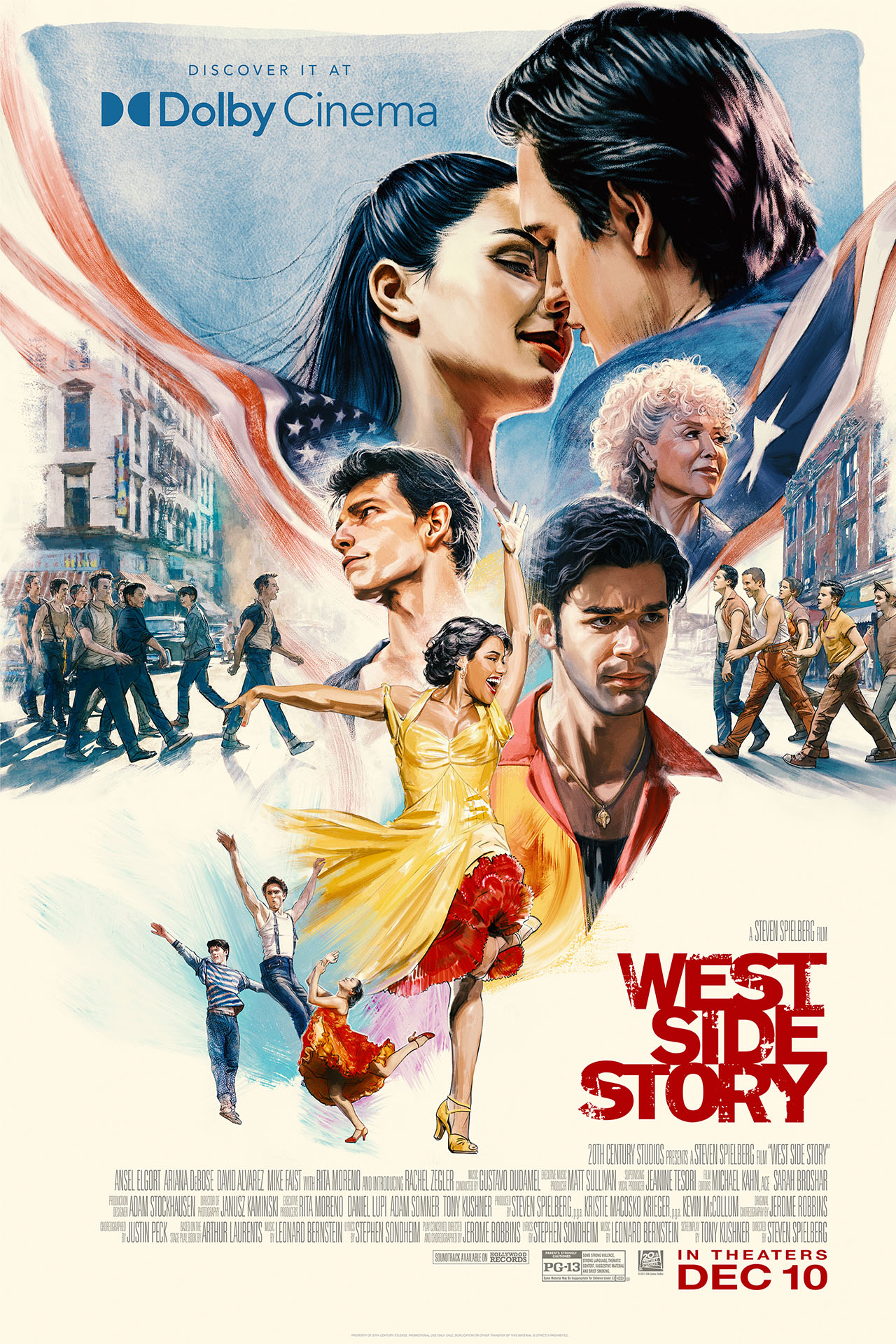
Ariana DeBose is the Academy Award-winning actress and dancer who portrayed the pivotal role of Anita in Steven Spielberg’s 2021 film adaptation of West Side Story. Her performance is celebrated for its technical mastery, emotional complexity, and historical significance, as she became the first Afro-Latina and openly queer woman of color to win an Oscar for acting.
The character of Anita has long been considered the "triple-threat" benchmark in musical theater, requiring an actor to possess world-class dancing abilities, a powerful vocal range, and the dramatic gravitas to handle one of the most harrowing scenes in American cinema. When Ariana DeBose stepped into the yellow dress—originally made iconic by Rita Moreno in the 1961 film—she did more than just recreate a role; she redefined it for a new generation. As of 2026, her portrayal remains the gold standard for modern musical adaptations, serving as a blueprint for how to honor a classic while infusing it with contemporary relevance and authentic cultural identity.
The Journey to Anita: Ariana DeBose’s Broadway Foundations
To understand why Ariana DeBose was the definitive choice for Steven Spielberg and casting director Cindy Tolan, one must look at her extensive background on the New York stage. DeBose did not arrive in Hollywood as a newcomer; she arrived as a seasoned veteran of the Broadway "trenches." Her career began with a stint on So You Think You Can Dance in 2009, which established her as a versatile mover capable of tackling jazz, contemporary, and hip-hop.
However, it was her work in the original cast of Hamilton that first caught the eye of industry insiders. As "The Bullet," a secret personification of death who follows the titular character throughout the show, DeBose demonstrated an ability to command attention through movement alone. She further solidified her status in the theater world with roles in Bring It On: The Musical, Motown: The Musical, and Pippin.
In 2018, she received a Tony Award nomination for her performance as "Disco Donna" in Summer: The Donna Summer Musical. This role was crucial because it proved she could carry a massive production as a leading lady. Her Broadway pedigree provided the stamina and discipline required for the grueling "America" sequence in West Side Story, which was filmed over several days in intense heat on the streets of New York.
Redefining Anita: Authenticity and Afro-Latina Representation
One of the most significant aspects of "Ariana of West Side Story" is the intentionality behind her casting. In the 1961 film, the Puerto Rican characters were largely played by white or non-Puerto Rican actors in "brownface" makeup—including, controversially, Rita Moreno herself, who was forced to wear dark makeup despite being the only actual Puerto Rican in a lead role.
In the 2021 version, Spielberg and screenwriter Tony Kushner committed to authentic representation. Ariana DeBose, who is of Afro-Puerto Rican descent, brought a new layer of social commentary to the role. By being an Afro-Latina Anita, DeBose highlighted the internal prejudices and colorism that exist within the Latinx community. This is subtly reflected in her interactions with other characters, adding a layer of "outsider within" status to her journey.
DeBose has frequently spoken about how her Anita is a woman who uses her joy as a shield. In the 2021 film, Anita is an aspiring seamstress with dreams of owning her own business. She isn't just a girlfriend to Bernardo; she is an immigrant with an entrepreneurial spirit. This shift in characterization makes her ultimate tragedy—the loss of her partner and the assault she suffers at the hands of the Jets—feel even more devastating, as it represents the crushing of a specifically American dream.
Technical Mastery: Analyzing the "America" and "A Boy Like That" Sequences
The brilliance of Ariana DeBose’s performance can be broken down into two distinct technical achievements: her athletic choreography and her vocal storytelling.
The "America" Sequence
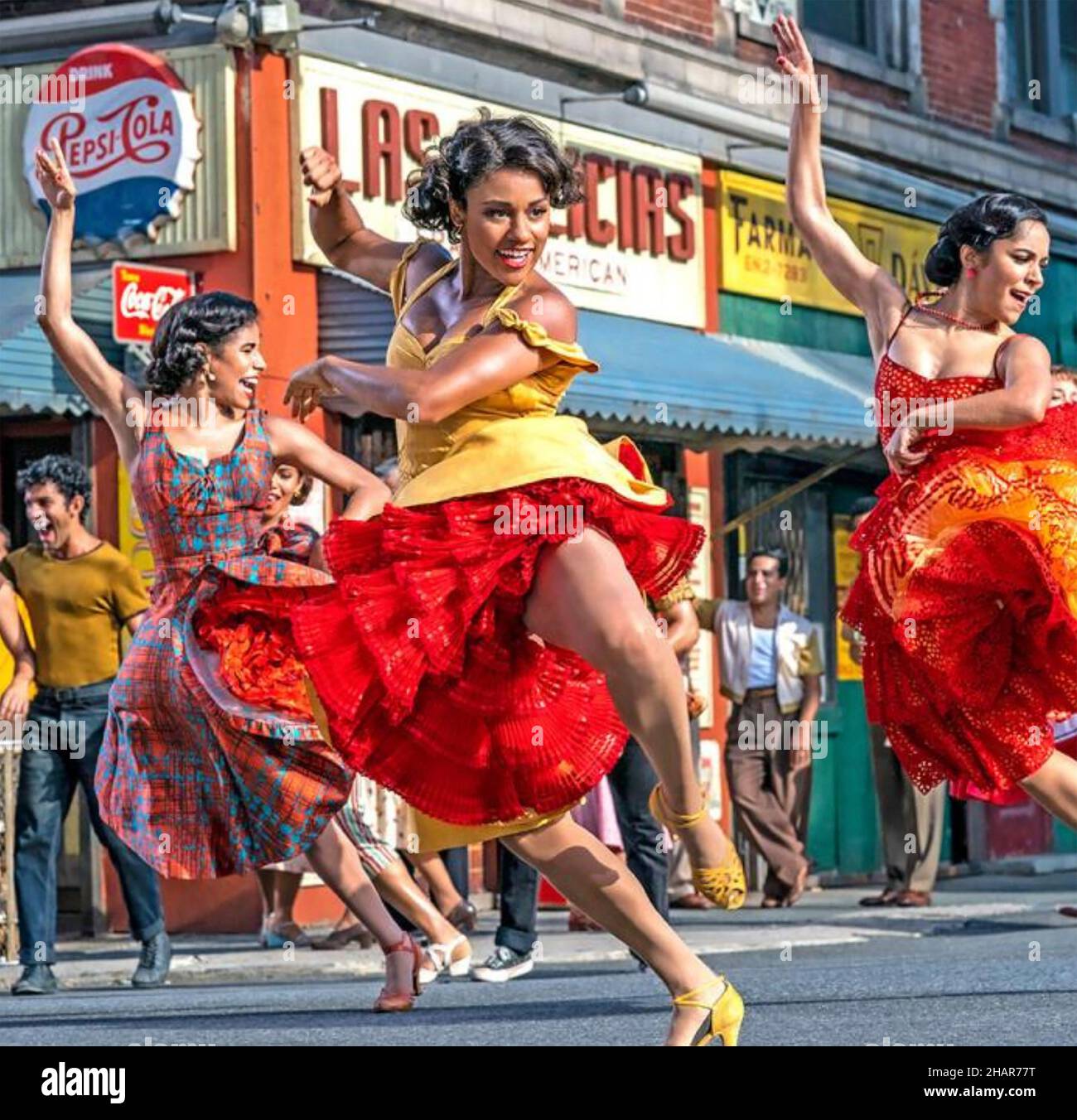
In the 2021 film, "America" was moved from a rooftop at night to the bustling streets of San Juan Hill during the day. This required DeBose to lead a massive ensemble through complex choreography by Justin Peck.
- Physicality: DeBose’s background in dance is evident in her "line" and "extension." She manages to maintain the sharp, percussive movements of Jerome Robbins’ original style while adding a grounded, modern fluidness.
- Endurance: The sequence involves high-speed footwork on asphalt, which is punishing for any dancer. DeBose’s ability to maintain her vocal clarity while performing these aerobic feats is a testament to her Broadway training.
"A Boy Like That / I Have a Love"
While "America" shows her skill, the duet with Rachel Zegler (Maria) shows her soul. In this scene, Anita has just discovered that Maria has been with Tony—the man who killed Anita's boyfriend, Bernardo.
- Vocal Texture: DeBose uses a "belt" that is raw and jagged, reflecting her grief. She moves from a place of murderous rage to one of empathetic forgiveness within three minutes.
- Dramatic Weight: This scene is the emotional pivot of the movie. DeBose’s Anita has to balance her own trauma with her love for Maria, a feat of acting that many critics cited as the moment she secured her Academy Award.
Comparing the Anitas: 1961 vs. 2021
While both Rita Moreno and Ariana DeBose won Oscars for the same role—a historical first for two women playing the same character—their interpretations differ in key ways that reflect the eras in which they were produced.
| Feature | 1961 Anita (Rita Moreno) | 2021 Anita (Ariana DeBose) |
|---|---|---|
| Cultural Context | Focused on "feisty" archetype; limited by era's tropes. | Explores Afro-Latina identity and colorism. |
| Vocal Style | Classic musical theater mezzo with stylized phrasing. | Soulful, contemporary belt with raw emotional edges. |
| Choreography | Jerome Robbins (highly balletic/jazz fusion). | Justin Peck (grounded, athletic, street-informed). |
| Relationship with Maria | More of a protective older sister/mentor figure. | A contemporary peer relationship with shared immigrant struggles. |
| The "Taunting" Scene | Stylized and theatrical. | Visceral, modern, and intentionally difficult to watch. |
The Impact of the 2022 Academy Award Win
When Ariana DeBose won the Oscar for Best Supporting Actress on March 27, 2022, it was a watershed moment for the industry. Her acceptance speech resonated globally as she spoke directly to her identity: "Imagine this little girl in the backseat of a white Ford Focus, look into her eyes: You see an openly queer woman of color, an Afro-Latina who found her strength in life through art."
This win validated the decision to remake a "untouchable" classic. It proved that there was still room for West Side Story in the cultural conversation, provided it was told with a more inclusive and historically accurate lens. For DeBose, the win catapulted her from a Broadway standout to a household name, paving the way for her current status in 2026 as a major force in both film and television.
Ariana DeBose’s Career Evolution Through 2026
Since her breakout in West Side Story, DeBose has carefully curated a career that spans multiple genres. By 2026, she has established herself as one of the few contemporary stars who can pivot seamlessly between high-concept action, voice acting, and live theater hosting.
- The Hosting Pro: DeBose’s three consecutive turns as the host of the Tony Awards (2022, 2023, and 2024) showcased her improvisational skills and her "theatrical athlete" persona. Her viral "Angela Bassett Did the Thing" rap at the BAFTAs, while initially a meme, eventually became a symbol of her unflappable confidence and ability to engage with modern pop culture.
- Voice and Animation: Her lead role as Asha in Disney’s Wish (2023) allowed her to join the pantheon of Disney Princesses, further expanding her reach to younger audiences.
- Action and Thrillers: Projects like Argylle and Kraven the Hunter (2024) demonstrated her desire to move beyond musicals. By 2026, she is often cited in casting rumors for major superhero and action franchises, thanks to her physical discipline and stunt-readiness.
- Advocacy: DeBose has used her platform to advocate for LGBTQ+ rights and for the visibility of Afro-Latino artists in Hollywood. She has become a leading voice in the "New Hollywood" movement, which prioritizes equitable storytelling and behind-the-scenes diversity.
Critical Analysis: Why Her Performance Endures
The reason audiences still search for "Ariana of West Side Story" years after the film’s release is that her performance offers a rare combination of technical perfection and extreme vulnerability. In many musicals, the "big numbers" feel like breaks from the plot. In DeBose’s hands, every dance step is a character choice.
When she dances in "America," the way she holds her skirt and the force with which she hits the pavement tells you everything you need to know about Anita’s resilience. When she confronts Tony in the drug store, her silence is as powerful as her singing. Spielberg’s decision to use long takes and wide shots during her dance sequences allowed the audience to see that there was no "movie magic" involved—it was pure, unadulterated talent.
Frequently Asked Questions
Did Ariana DeBose do her own dancing in West Side Story?
Yes, Ariana DeBose performed all of her own dancing in the film. Given her extensive background as a professional Broadway dancer and her training in various disciplines, she was capable of executing Justin Peck’s demanding choreography without the need for a dance double. Her physical stamina was a key factor in her casting.
Is Ariana DeBose Puerto Rican?
Ariana DeBose is of mixed heritage. Her father is Afro-Puerto Rican, and her mother is white (of Italian and English descent). She has frequently spoken about her pride in her Afro-Latina identity and how playing Anita allowed her to connect more deeply with her Puerto Rican roots.
What other awards did she win for her role as Anita?
In addition to the Academy Award for Best Supporting Actress, DeBose won virtually every major award during the 2022 season, including the Golden Globe, the Screen Actors Guild (SAG) Award, and the BAFTA Award. This "sweep" is a rarity and signifies near-unanimous critical agreement on the quality of her performance.
How did Rita Moreno react to Ariana DeBose’s Anita?
Rita Moreno, who played Anita in the 1961 film and executive produced the 2021 version (while also playing the new role of Valentina), was highly supportive of DeBose. Moreno has stated in numerous interviews that DeBose is a "ferocious" dancer and a brilliant actress, noting that DeBose’s interpretation was appropriately different from her own.
What has Ariana DeBose done since West Side Story?
Since her Oscar win, DeBose has starred in the spy thriller Argylle, voiced the lead character in Disney’s Wish, and appeared in the Marvel/Sony film Kraven the Hunter. She also became a beloved recurring host for the Tony Awards and has continued to work in both film and theater.
Practical Recommendation for Viewers
To truly appreciate the depth of "Ariana of West Side Story," it is recommended to watch the 2021 film with a focus on her non-musical scenes. While the dance numbers are spectacular, her mastery is most evident in her silent reactions—particularly during the final act. For those interested in the technical aspects of her performance, the "Making of West Side Story" documentary (available on various streaming platforms) provides an in-depth look at the rehearsals for "America" and the physical toll the role required.
Ariana DeBose did not just play Anita; she inhabited the spirit of a woman caught between two worlds, using every tool in her artistic arsenal to bring a 60-year-old character into the modern light. Her legacy is one of breaking barriers and proving that brilliance, when met with opportunity, can change the landscape of cinema forever.