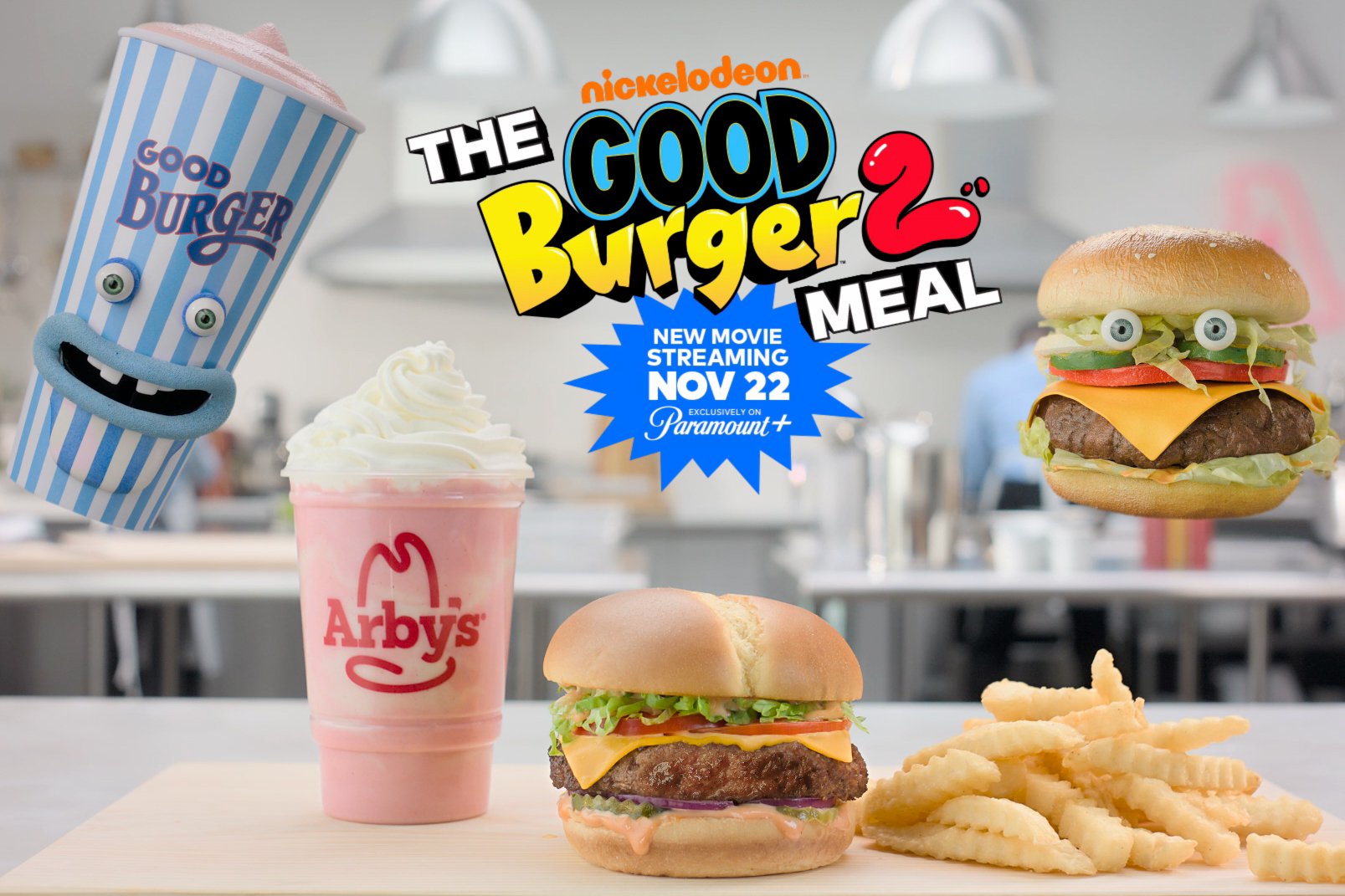
When consumers search for "Arby's Good Burger explained," they are typically looking for the origin and context behind the 2023 promotional collaboration between the quick-service restaurant chain Arby's and the Paramount+ film Good Burger 2. This partnership featured a themed meal experience designed to tie a fictional cinematic brand to a real-world fast-food menu, creating a cross-promotional event that resonated with fans of the original 1997 cult classic film and its sequel.
The Intersection of Fiction and Reality: Why the Collaboration Happened
The concept of the "Good Burger" originates from the All That sketch on Nickelodeon, which eventually spun off into the 1997 film Good Burger. In the movie, the Good Burger restaurant is an iconic, albeit fictional, establishment famous for its signature sauce and eccentric staff. For decades, the Good Burger brand existed solely in the realm of entertainment.
In 2023, as Paramount+ prepared to release Good Burger 2, Arby's identified a unique marketing opportunity. By aligning itself with a brand that represents the "ultimate" fast-food experience in pop culture, Arby's sought to bridge the gap between nostalgic fans of the original movie and their own customer base. This was not merely a product placement; it was an attempt to physically manifest a fictional menu item for a limited time, allowing fans to "taste" the world of the movie.
Anatomy of the Arby’s Good Burger Meal
The collaboration centered around the "Good Burger Meal," which was designed to replicate the aesthetic and experience of the fictional restaurant while utilizing Arby’s supply chain and culinary infrastructure.
The Components of the Meal
The promotional meal was constructed to provide a complete "Good Burger" experience. It included:
- The Good Burger: A specialty sandwich featuring a brisket-blend patty, American cheese, shredded lettuce, tomato, pickles, onions, and a proprietary "secret" sauce.
- The Shake: A Strawberry Shake, paying homage to the bright, fun color palette often associated with the film’s visual identity.
- The Sides: Standard Arby’s crinkle-cut fries.
The focus of the marketing was heavily placed on the "secret sauce," a standard trope in both real-world fast food and the Good Burger cinematic universe. By creating a custom condiment profile, Arby’s was able to satisfy the expectations of fans who wanted the experience to feel "authentic" to the source material.
Marketing Strategy and Target Audience
The campaign targeted two distinct demographics: Gen Z and Millennial audiences. Millennials grew up with the original film and possess a high level of nostalgia for 1990s television. Gen Z, meanwhile, represents the current primary consumer base for both fast-food novelty items and social media-driven marketing trends.
Leveraging Nostalgia and Virality
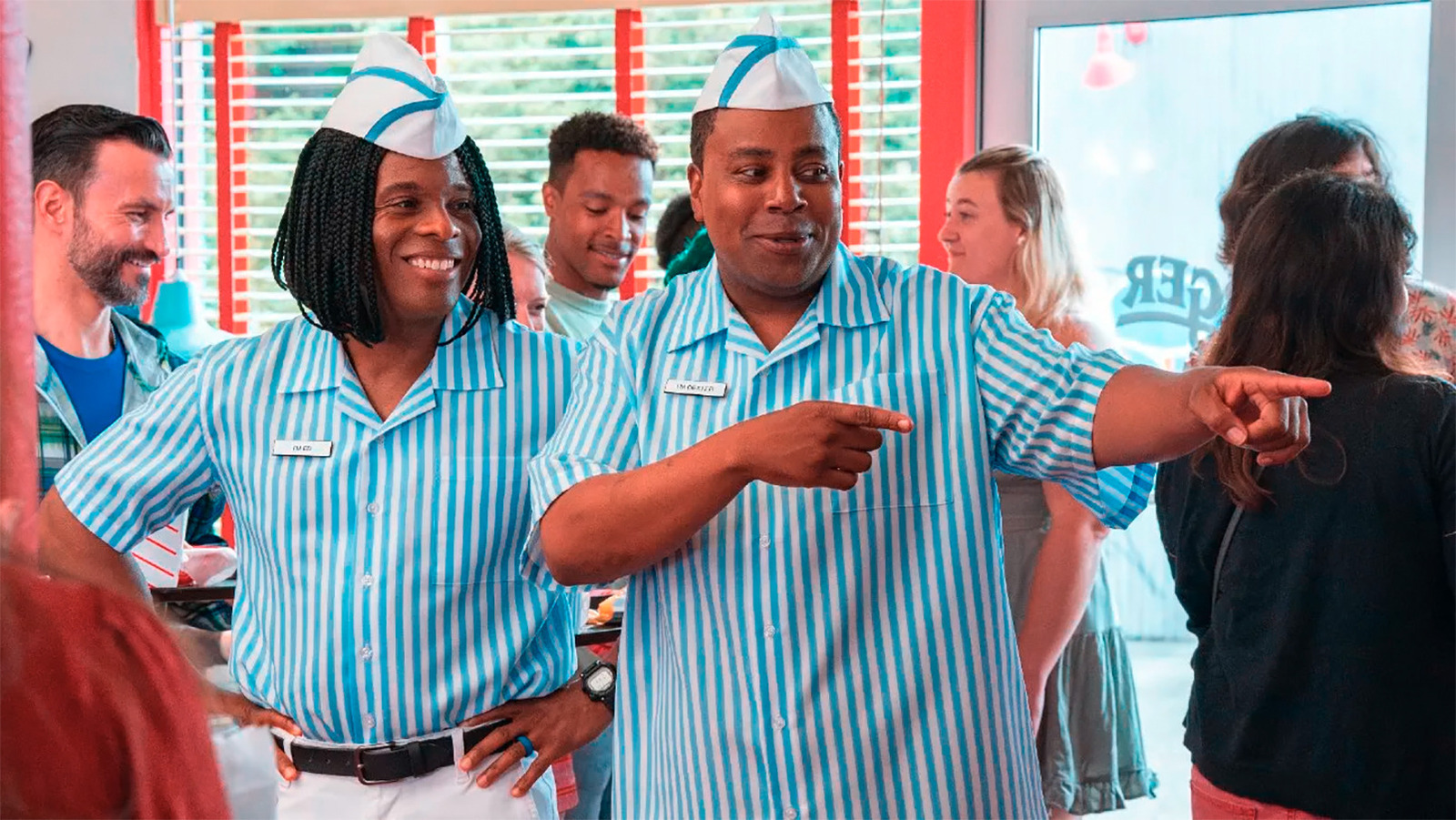
Arby’s used a multi-channel approach to promote the meal, relying heavily on social media engagement and the return of the original actors, Kenan Thompson and Kel Mitchell, to anchor the campaign. The use of familiar faces from the franchise served as a bridge, grounding the promotion in the established lore of the movies.
Strategic Timing
The campaign was timed to coincide with the November 2023 release of Good Burger 2 on Paramount+. By aligning the release of the menu item with the premiere of the film, Arby’s maximized the "cultural moment," ensuring that the brand remained in the conversation as long as the movie stayed relevant in the streaming charts.
Comparative Analysis: Real-World Fast Food vs. The Good Burger
It is helpful to distinguish between the reality of the Arby’s promotion and the lore of the Good Burger universe. The following table highlights the differences between the fictional entity and the reality of the 2023 promotional event.
| Feature | Fictional Good Burger | Arby’s Good Burger (2023) |
|---|---|---|
| Origin | 1997 Nickelodeon Sketch | Promotional tie-in with Paramount+ |
| Primary Protein | Standard Beef | Brisket-Blend Beef |
| Secret Sauce | Magical/Unknown Formulation | Standardized Culinary Recipe |
| Availability | Perpetual (in film) | Limited Time Offer (LTO) |
| Price Point | Fictional | Market-dependent (approx. $10-$12) |
Operational Challenges and Execution
Translating a fictional concept into a real-world menu item involves significant operational hurdles. Arby’s had to ensure that the sandwich could be prepared quickly across thousands of locations. This required:
- Supply Chain Integration: Sourcing specific ingredients, such as the unique sauce and the higher-quality beef blend, to meet the advertised profile.
- Training and Consistency: Staff at thousands of locations had to learn to build the sandwich correctly to ensure the promotional promise was kept.
- Inventory Management: Because it was a limited-time offer, Arby’s had to manage the influx of orders without disrupting their core business (roast beef sandwiches).
Why It Mattered: The Power of IP Partnerships
The "Arby’s Good Burger" campaign serves as a masterclass in modern intellectual property (IP) integration. In an environment where fast-food chains are constantly vying for market share, simply offering a new burger is rarely enough to drive significant foot traffic.
By licensing a "vibe"—in this case, the chaotic, fun-loving energy of Good Burger—Arby’s transformed a routine lunch into an event. This strategy allows the brand to capture interest that exceeds the culinary value of the item itself. Fans were not just buying a burger; they were purchasing a piece of a nostalgic ecosystem.
Common Questions About the Promotion
Was the Good Burger a permanent addition to the menu?
No. The Good Burger was a strictly limited-time offer (LTO). Once the promotional window ended, the sandwich was removed from the menu. Arby’s frequently uses this strategy to create urgency and drive repeat visits.
How did the sauce differ from standard Arby’s sauce?
The "secret sauce" used in the Good Burger meal was a distinct recipe developed for this specific campaign. While its exact ingredients remained proprietary, it functioned as a "special sauce" common in the industry—often a blend of mayonnaise, ketchup, mustard, and secret spices designed to provide a tangy, savory profile.
Can you still order a Good Burger at Arby’s?
As of 2026, the promotion has long since concluded. It is not currently available at any Arby’s location. Most limited-time promotional items like this do not return unless a secondary promotion or anniversary event is planned.
Why did Arby’s partner with a movie rather than a food brand?
Collaborating with entertainment properties allows brands to tap into existing fan bases that have an emotional connection to the subject matter. It provides a "halo effect" where the positive feelings associated with the movie are transferred to the restaurant brand.
Did the actors actually endorse the meal?
Yes. Kenan Thompson and Kel Mitchell participated in the marketing collateral for the campaign, appearing in commercials and social media content that directly promoted the collaboration between the movie and the restaurant.
Navigating Limited-Time Menu Offers
When a brand launches a high-profile, themed meal like the Arby’s Good Burger, consumers should be aware of a few operational realities:
- Availability Variance: Even during an active promotion, local supply chains may run out of ingredients. It is common for specific promotional items to sell out at individual locations before the national end date.
- Price Variability: Arby’s operates as a franchise system. Consequently, the price of a promotional meal can vary significantly depending on the region, local competition, and operational costs.
- Nutritional Transparency: Because these items are temporary, nutritional data is often released in supplemental digital fact sheets rather than being printed on permanent menu boards. Consumers with dietary restrictions should always check the mobile app or official website during an active promotion to view allergen information.
Moving Forward: The Future of Brand Collaborations
The success of the 2023 campaign provides a blueprint for how restaurants will interact with pop culture in the future. We can expect to see more "gimmick" menus that focus on thematic immersion. As technology improves, these interactions may involve AR (Augmented Reality) components, where scanning a meal triggers a digital experience, further blurring the lines between the food on the table and the entertainment on the screen.
For the consumer, the takeaway is clear: promotional meals are rarely about a revolutionary new flavor profile. They are about the experience of participating in a wider cultural conversation. When you order a "themed" item, you are effectively paying for the synergy between two brands.
If you find yourself intrigued by future brand collaborations, the best way to ensure you don't miss out is to monitor the official social media channels of the restaurant chains you frequent. These platforms are the primary channels where launch dates, availability extensions, and end-of-promotion alerts are communicated.