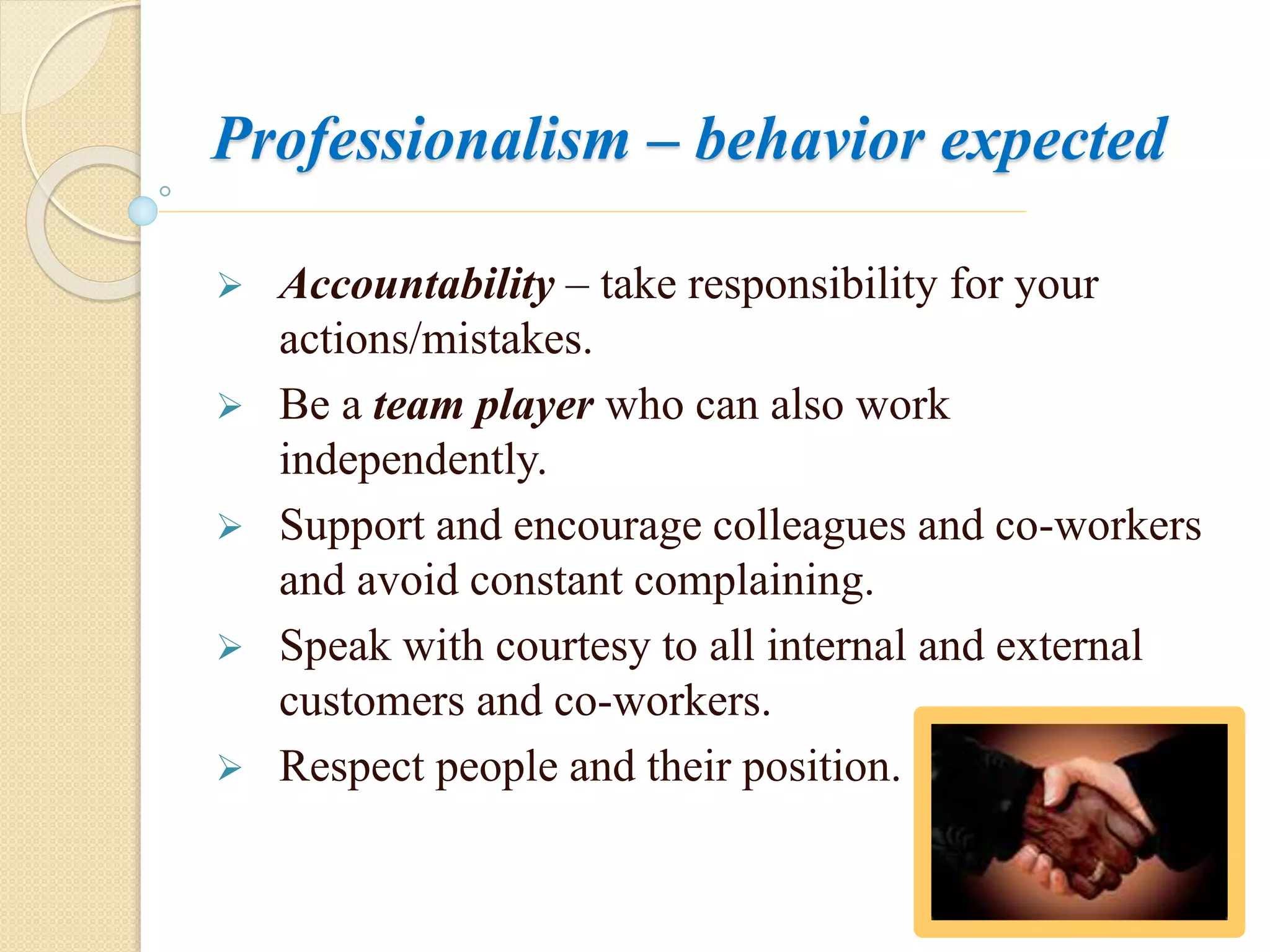
Appropriate behaviors for the workplace encompass a standard set of professional conduct, communication norms, and ethical boundaries that foster a respectful, productive, and legally compliant organizational environment. Mastering these standards requires balancing transparent interpersonal communication with respect for diversity, privacy, and company policies.
The modern professional environment requires more than technical competence and task execution; it relies heavily on interpersonal awareness, emotional intelligence, and adherence to established workplace standards. As organizations evolve, the baseline expectations for professional conduct shift to emphasize psychological safety, inclusivity, cross-functional collaboration, and the blurring lines between physical and virtual office spaces. Understanding these behavioral expectations helps employees protect their career progression, mitigates legal and reputational risks for employers, and establishes a foundation of mutual trust among colleagues. This guide examines the core dimensions of appropriate workplace behavior, offering actionable frameworks for daily professional interactions.
The Foundations of Professional Communication
Communication serves as the primary currency of any organization. Whether interacting via asynchronous messaging platforms, email, video conferencing, or face-to-face discussions, professional communication must remain clear, constructive, and respectful.
Verbal and Written Clarity
Professional dialogue requires precision and forethought. In written correspondence—such as project updates, performance evaluations, or client proposals—writers should avoid ambiguous phrasing, sarcasm, or emotionally charged language that can be misinterpreted without vocal inflections or facial cues. Verbal communication demands active listening, which involves letting colleagues finish their thoughts without interruption, asking clarifying questions, and summarizing key takeaways to confirm mutual understanding.
Constructive Feedback and Debate
Healthy organizations rely on intellectual challenge and rigorous debate to refine ideas and prevent groupthink. However, appropriate workplace behavior dictates that critique must target ideas, processes, or deliverables rather than individuals. Disagreements should be framed objectively, using verifiable data or operational logic rather than personal attacks. When receiving feedback, professionals are expected to maintain composure, separate their personal identity from their work output, and address valid critiques constructively.
Respecting Boundaries and Diversity
Modern workplaces bring together individuals from diverse backgrounds, generational cohorts, cultures, and belief systems. Cultivating an inclusive environment requires strict adherence to behavioral boundaries that protect personal dignity and psychological safety.
Understanding and Preventing Harassment
Federal, state, and international labor laws strictly prohibit harassment based on protected characteristics such as race, gender, religion, age, disability, and sexual orientation. Beyond legal mandates, appropriate workplace behavior requires avoiding microaggressions—subtle, often unintentional comments or actions that express a prejudiced attitude toward marginalized groups. Employees must maintain awareness of their language, humor, and physical boundaries to ensure no colleague feels marginalized, demeaned, or threatened.
Privacy and Professional Demeanor
Maintaining professional boundaries also extends to personal inquiries and physical space. Colleagues are entitled to privacy regarding their personal lives, health conditions, family dynamics, and political or religious affiliations. While friendly rapport enhances workplace culture, interrogating coworkers about sensitive personal matters or oversharing inappropriate personal details violates professional norms. Furthermore, respecting physical workspace boundaries—such as knocking before entering an office or cubicle and refraining from borrowing items without permission—prevents friction and demonstrates mutual respect.
Navigating Hybrid and Remote Professional Standards
The widespread adoption of remote and hybrid work models has transformed how appropriate behavior manifests. Digital tools introduce new vulnerabilities and challenges regarding professionalism, accountability, and digital etiquette.
Virtual Meeting Etiquette
Video conferencing requires specific behavioral adaptations to maintain engagement and respect for others' time. Participants should test their audio and visual setups prior to formal meetings, utilize mute functions when not speaking to eliminate background noise, and—where company culture or meeting size dictates—keep cameras enabled to foster connection. Multitasking, checking personal devices, or engaging in side conversations during virtual meetings signals disinterest and disrespect to the presenter and attendees.
Digital Responsiveness and Boundaries
With asynchronous communication dominating modern workflows, establishing predictable patterns of responsiveness is essential. Professionals should adhere to expected response times for urgent matters while respecting designated "focus time" or after-hours offline periods. Blurring communication channels—such as using personal social media accounts to contact coworkers about professional matters without prior consent—crosses a boundary into personal space and should generally be avoided unless mutually agreed upon.
Ethical Decision-Making and Accountability
Appropriate behavior extends deeply into corporate ethics, honesty, and accountability for one's actions. Trust is difficult to build and easily eroded by ethical lapses.
Ownership of Mistakes
Everyone encounters operational hurdles and makes errors. Professional accountability requires transparently acknowledging mistakes as soon as they are identified, assessing the impact, and proposing viable solutions to mitigate the damage. Concealing errors, shifting blame to colleagues, or fabricating data not only violates core corporate values but frequently leads to severe disciplinary action or termination.
Conflict of Interest and Confidentiality
Employees are trusted with proprietary data, financial figures, strategic plans, and client information. Safeguarding this data through secure storage, proper disposal, and discretion in public settings is a non-negotiable workplace requirement. Furthermore, professionals must disclose any potential conflicts of interest—such as personal relationships with vendors or competitors—to management immediately to maintain organizational transparency and integrity.
Behavioral Expectations Comparison
| Category | Appropriate Behavior | Inappropriate Behavior | Potential Impact |
|---|---|---|---|
| Communication | Providing objective, constructive feedback focused on work processes. | Using sarcasm, public reprimands, or personal attacks during disagreements. | Erodes team morale, stifles innovation, and damages psychological safety. |
| Boundaries | Respecting personal privacy, diverse viewpoints, and physical/digital space. | Asking intrusive personal questions or making exclusionary remarks. | Creates hostile work environments and potential legal liabilities. |
| Virtual Work | Maintaining focus during video calls and respecting response-time norms. | Multitasking visibly on camera or ignoring established communication channels. | Signals disrespect, reduces collaboration efficiency, and breeds mistrust. |
| Accountability | Transparently acknowledging errors and actively proposing solutions. | Covering up mistakes, falsifying records, or blaming team members. | Destroys professional credibility and triggers disciplinary measures. |
Frequently Asked Questions
What should I do if a coworker exhibits inappropriate behavior toward me?
Document the specifics of the incident, including dates, times, locations, and witnesses if applicable. If you feel safe and comfortable doing so, calmly inform the individual that their behavior is unwelcome and unprofessional. If the behavior persists, or if it involves severe violations such as harassment or discrimination, report the issue immediately to Human Resources or management following your organization's reporting protocols.
Are office romances considered appropriate in the workplace?
While many companies permit workplace relationships, they often require disclosure to HR to manage potential conflicts of interest, power dynamics, or favoritism. Even when permitted, public displays of affection and bringing relationship conflicts into the office environment remain inappropriate and disruptive to team productivity.
How can I balance being friendly with maintaining professional boundaries?
You can build strong, positive working relationships by showing genuine interest in colleagues' well-being, participating in team-building activities, and offering support on projects. Maintaining boundaries simply means keeping conversations centered on professional topics, hobbies, or general safe subjects while avoiding overly intimate details, gossip, or controversial political debates.
Is venting about management or company policies ever appropriate?
Venting occasionally to a trusted confidant in private can be a stress-release mechanism, but doing so publicly, on company communication channels, or directly to subordinates is unprofessional. Negative feedback should be channeled constructively through appropriate reporting structures, skip-level meetings, or employee engagement surveys where it can drive systemic improvements.
Do remote workers need to follow the same behavioral standards as in-office staff?
Yes. Remote and hybrid workers are held to the same standards of professional conduct, communication etiquette, accountability, and respect. Digital environments do not exempt individuals from anti-harassment policies, respectful communication, or ethical obligations.
Next Actions and Implementation
To ensure adherence to appropriate workplace behaviors, organizations and individuals should take proactive steps. Organizations must maintain clear, accessible employee handbooks detailing conduct expectations, disciplinary procedures, and reporting channels, backed by regular training sessions. Individual professionals should periodically self-audit their communication styles, digital habits, and boundary management to ensure they contribute positively to a collaborative and respectful organizational culture.