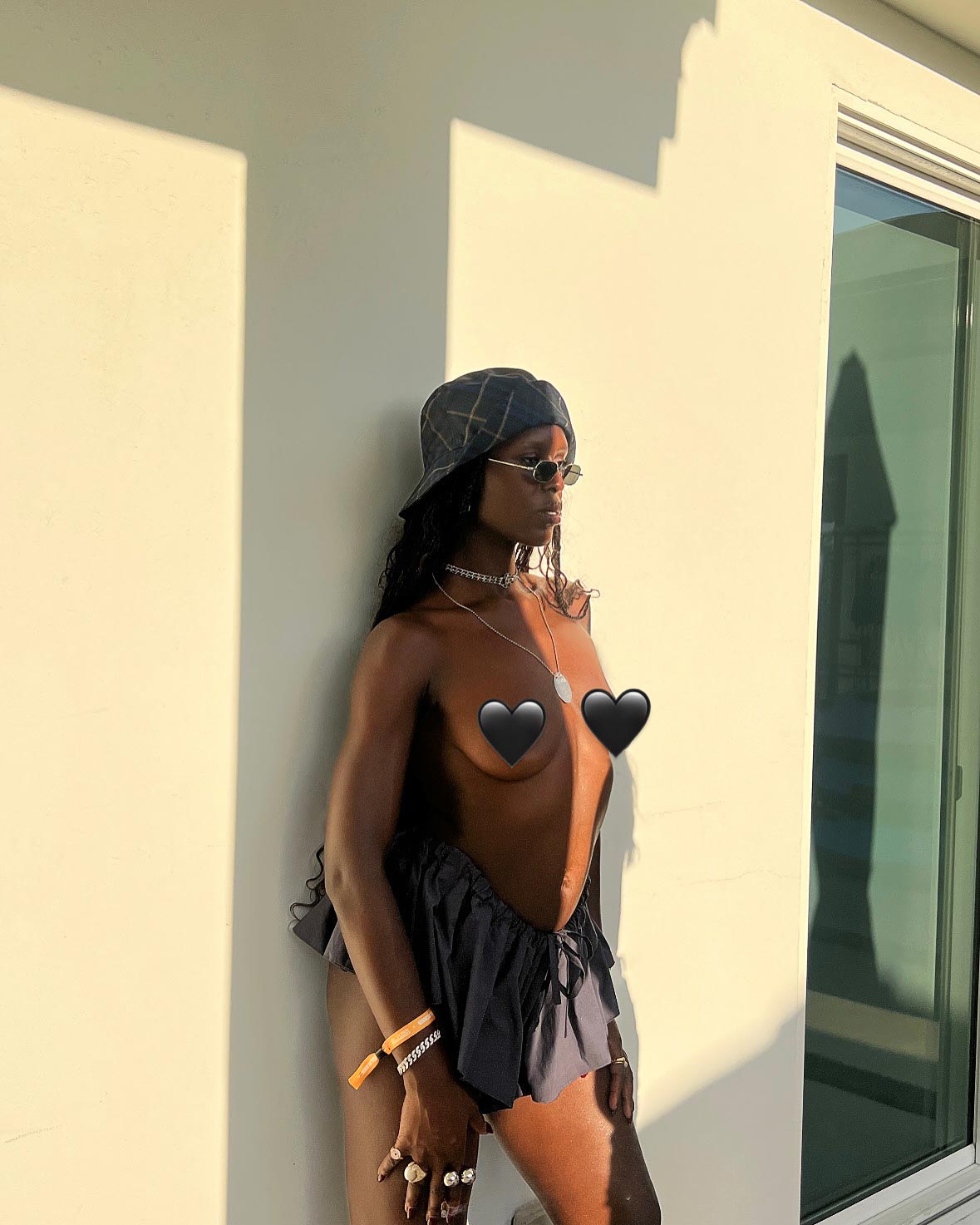
In 2013, during Series 9 of the BBC’s The Apprentice, candidate Luisa Zissman became the center of UK tabloid headlines after glamour and holiday photographs from her past were published. Rather than derailing her business ambitions, Zissman openly addressed the media storm, finished as runner-up on the show, and subsequently expanded her media and entrepreneurial career.
Historical Context: The 2013 Season of BBC's The Apprentice
Series 9 of the British television show The Apprentice aired on BBC One from May to July 2013. Hosted by commercial tycoon Lord Alan Sugar alongside advisers Nick Hewer and Karren Brady, the program featured sixteen candidates competing for a £250,000 business investment and a 50/50 partnership with Lord Sugar. By 2013, the show had evolved from a traditional corporate job interview model into a massive media event that generated significant tabloid coverage for its participants.
During this era of UK television, candidates on high-profile reality and business shows were routinely subjected to intense media background checks by national newspapers. Tabloid reporters frequently searched past social media accounts, modeling agencies, and personal archives to uncover sensational stories while the series aired. The 2013 season stood out because several candidates possessed vibrant public profiles prior to entering the boardroom, leading to unprecedented press focus on their private lives alongside their weekly business task performances.
Luisa Zissman, an energetic entrepreneur running a baking supply company and retail business named Dixie’s Cupcakery, quickly emerged as one of the standout personalities of Series 9. Her decisive leadership style, strong sales acumen, and willingness to clash with fellow candidates made her a central figure in both the broadcast episodes and press reports throughout the summer of 2013.
The 2013 Press Scrutiny and Media Coverage
During the broadcast of Series 9, British tabloid publications published archived photographs of Luisa Zissman, including images from prior glamour modeling sessions and private holiday snapshots. The story gained widespread attention across major print and digital outlets, including The Sun, Daily Mail, and The Daily Mirror, which framed the images within the familiar tabloid narrative of reality television contestants facing unexpected public exposure.
The publication of these photos occurred during peak broadcast weeks as public interest in the candidates reached its height. In the early 2010s, British red-top journalism frequently leveraged personal photographs of female television contestants to drive readership and online traffic. The coverage of Zissman reflected broader media dynamics of the era, where female reality TV participants faced intense public evaluation regarding their personal lives, attire, and history before entering mainstream broadcasting.
Rather than remaining silent or attempting to suppress the story through public relations firm statements, Zissman addressed the coverage directly during interviews and media appearances. She clarified that the images stemmed from earlier periods in her life, including international trips and modeling engagements, and maintained that her personal choices had no bearing on her commercial capabilities or professional intellect.
Luisa Zissman’s Public Response and Narrative Control
Luisa Zissman’s handling of the 2013 media storm became a defining moment in her public career. Instead of issuing defensive apologies or attempting to downplay her past, she adopted an assertive and transparent stance. She publicly argued that personal lifestyle choices and previous modeling activities were entirely separate from business acumen, sales talent, and corporate strategy.
This refusal to accept public shaming subverted the typical narrative path expected by tabloids at the time. By owning her past imagery and speaking candidly about her personal life, Zissman neutralized much of the negative press commentary. Her approach resonated with a large segment of the public who viewed the tabloid coverage as outdated and overly intrusive regarding female business professionals.
Key elements of her public relations response included:
- Direct Engagement: Speaking openly about the photos in subsequent television and radio appearances rather than avoiding questions.
- Separation of Personal and Professional Spheres: Consistently steering media conversations back to her retail accomplishments, baking ventures, and task victories on The Apprentice.
- Unapologetic Authenticity: Embracing her outgoing personality without altering her behavior on camera to satisfy conservative critics.
This strategic response enabled Zissman to maintain her standing on the show while establishing a distinct personal brand that extended far beyond the boardroom.
Impact on The Apprentice Boardroom and BBC Standards
The publication of personal media stories regarding candidates presented editorial considerations for both the BBC and production company Boundless. As a public service broadcaster, the BBC adhered to strict editorial guidelines regarding candidate background checks and public representation. However, the broadcaster maintained a clear line between external tabloid reporting and the internal evaluation of candidates on the show.
Lord Alan Sugar, Karren Brady, and Nick Hewer consistently judged candidates based on their performance in designated business tasks—such as product design, wholesale negotiations, corporate pitching, and event planning—rather than sensational press reports. Throughout Series 9, Lord Sugar made decisions based strictly on profit margins, leadership effectiveness, and the viability of candidate business plans submitted for the final investment.
Zissman demonstrated exceptional competence in high-stakes tasks, particularly those involving direct sales, event branding, and marketing execution. Her performance carried her through twelve demanding weeks to the grand final, where she competed against Dr. Leah Totton. In the final episode, Zissman presented her business plan for an online baking supplies marketplace named "Bakers Toolkit," while Totton pitched a chain of non-surgical cosmetic clinics.
Although Lord Sugar ultimately selected Leah Totton as the winner to invest in her cosmetic clinic concept (Dr Leah Clinics), he commended Zissman's commercial instincts, drive, and resilience under extreme public pressure.
Career Trajectory and Media Evolution (2013–2026)
Following her appearance on The Apprentice in 2013, Luisa Zissman leveraged her elevated public profile into a multi-faceted media and business career. Rather than returning quietly to private enterprise, she capitalized on media interest to build a sustained presence in British entertainment and broadcasting.
In January 2014, Zissman entered the Celebrity Big Brother 13 house on Channel 5, where she finished in third place. Her stint on the show solidified her reputation as a candid, unfiltered broadcaster, leading to frequent guest appearances on panel programs such as This Morning, Good Morning Britain, and various reality television companion shows.
Over the subsequent decade leading into 2026, Zissman transitioned into digital media, podcasting, and commercial investments. Alongside co-host Anna Williamson, she launched LuAnna: The Podcast, a highly successful conversational podcast that developed a massive listener base and completed nationwide live tour shows across the United Kingdom.
Media Representation of Women in Business
The 2013 media event surrounding Zissman also served as a catalyst for broader industry discussions regarding how female entrepreneurs are portrayed in British press. In the years following Series 9, media commentators and television producers increasingly re-evaluated the ethics of exposing private photographs of reality contestants. By 2026, duty-of-care protocols across major British broadcasters—including the BBC, ITV, and Channel 4—have undergone comprehensive reforms to support participants facing press scrutiny and social media pressure.
Comparative Overview of Reality TV Media Scrutiny Era
To understand the broader context of media coverage during this television era, the table below outlines how public profile events were handled across major British reality and business broadcasts in the early 2010s.
| Candidate / Public Figure | Program & Year | Media Story Context | Response / Strategy | Long-Term Career Outcome |
|---|---|---|---|---|
| Luisa Zissman | The Apprentice (2013) | Publication of past glamour modeling & holiday photos | Direct ownership, unapologetic public interviews, focus on sales metrics | Finalist, Celebrity Big Brother top 3, successful podcaster & entrepreneur |
| Katie Hopkins | The Apprentice (2007) | Press coverage of personal relationships & outspoken opinions | Leaned into controversial media persona | Media commentator, columnist, and public speaker |
| Stella English | The Apprentice (2010) | Public legal dispute with Lord Sugar's company post-win | Formal employment tribunal proceedings | Media commentary and corporate consulting |
| Leah Totton | The Apprentice (2013) | Scrutiny over medical qualifications transitioning to aesthetics | Focused strictly on clinical standards and business launch | Winner of Series 9, established successful national clinic chain |
Crisis Management and Media Lessons for Public Figures
The events of 2013 involving The Apprentice candidates offer practical insights into public relations, crisis communications, and personal brand preservation when unexpected media exposure occurs.
1. Own the Narrative Early
When historical photographs or stories emerge in national media, public figures who acknowledge the facts quickly often neutralize the story faster than those who issue legal threats or evasive denials. Zissman’s transparent strategy prevented tabloids from framing the story as a hidden secret or scandal.
2. Separate Professional Skills from Personal Scrutiny
In professional settings—whether in corporate boardrooms or public broadcast competitions—demonstrating core technical competencies is the most effective defense against personal criticism. By excelling in high-pressure sales tasks, Zissman proved her business capability was independent of tabloid commentary.
3. Leverage Short-Term Publicity into Long-Term Assets
Temporary media storms generate intense public attention. Forward-thinking individuals redirect that media traffic toward long-term ventures, such as digital platforms, commercial products, podcasts, or independent business projects, rather than allowing the media cycle to define them passively.
4. Understand Legal and Regulatory Frameworks
Public figures operating in the United Kingdom benefit from knowing their rights regarding image copyright, privacy laws, and broadcasting codes. Modern regulatory bodies like the Independent Press Standards Organisation (IPSO) and Ofcom enforce guidelines regarding harassment, consent, and unfair intrusion into private lives.
Frequently Asked Questions
Who was the Apprentice star involved in the 2013 topless photo story?
Luisa Zissman, the runner-up of The Apprentice Series 9 in 2013, was the candidate featured in national tabloid reports regarding past glamour modeling and holiday photos during the broadcast of the show.
Did the 2013 media coverage affect Luisa Zissman's standing on The Apprentice?
No. Lord Alan Sugar and show producers judged candidates strictly on their business task performance and business plans. Zissman performed exceptionally well throughout the competition and reached the final episode.
Who won Series 9 of The Apprentice in 2013?
Dr. Leah Totton won Series 9 of The Apprentice, securing Lord Alan Sugar’s £250,000 investment to open a chain of non-surgical cosmetic procedures clinics (Dr Leah Clinics). Luisa Zissman finished as the runner-up.
What career path did Luisa Zissman pursue after The Apprentice?
Following The Apprentice, Zissman appeared on Celebrity Big Brother 13 in 2014 (finishing third), developed several commercial enterprises, became a regular TV guest commentator, and co-created the popular podcast LuAnna: The Podcast.
How have broadcasting rules regarding contestant past media changed since 2013?
Since 2013, UK broadcasters have established stricter duty-of-care guidelines and mental health support frameworks for reality television contestants. Production companies now provide psychological evaluation, media training, and proactive press management to prepare participants for media background checks.
Practical Takeaways for Media and Personal Brand Management
For individuals navigating public exposure, media scrutiny, or corporate personal branding, the key lesson from the 2013 Apprentice media coverage is resilience through transparency. Attempting to suppress historic public domain information often prolongs negative news cycles. Instead, focusing on measurable professional output, building direct-to-audience communication channels (such as podcasts or social platforms), and maintaining confidence in one's core qualifications provides the most effective long-term path to commercial success.