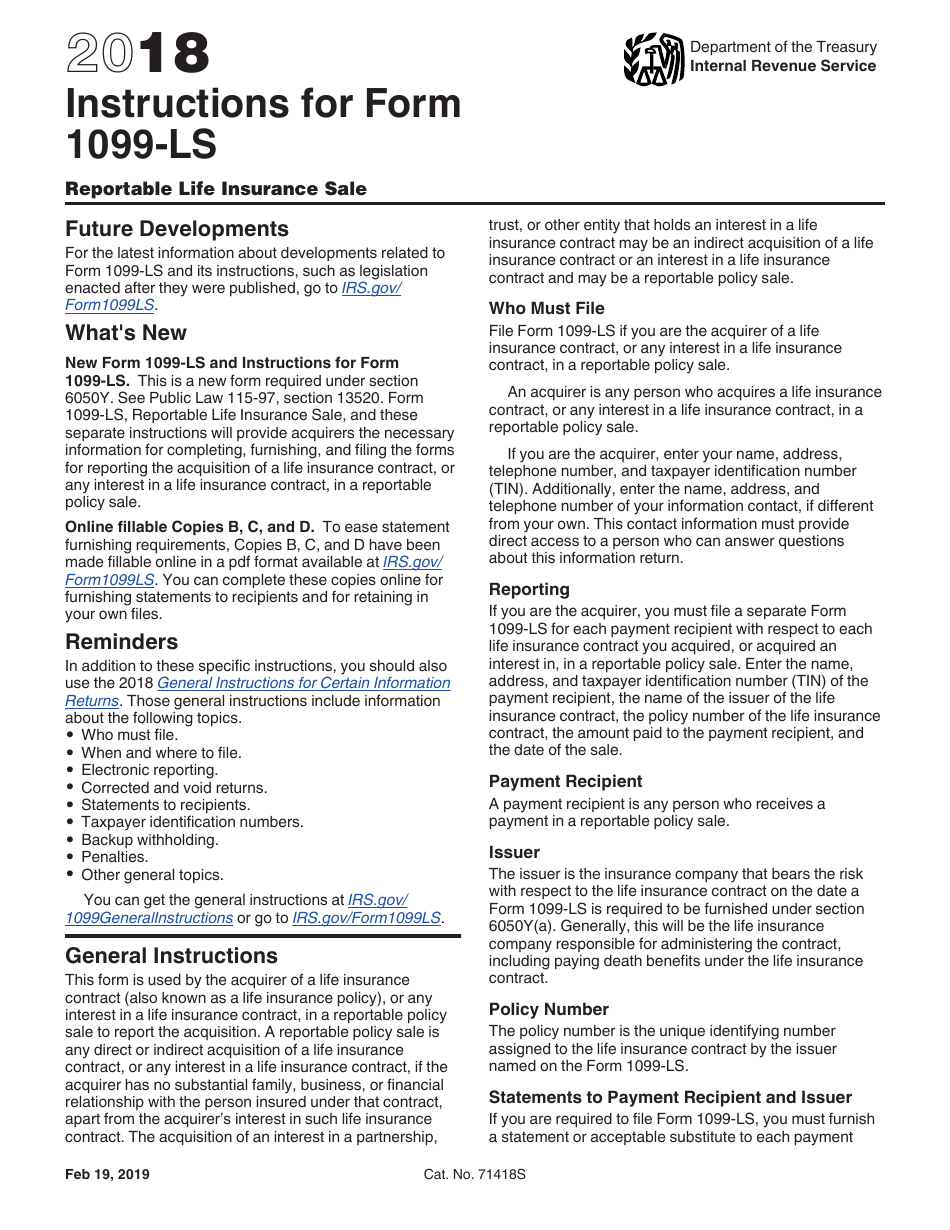
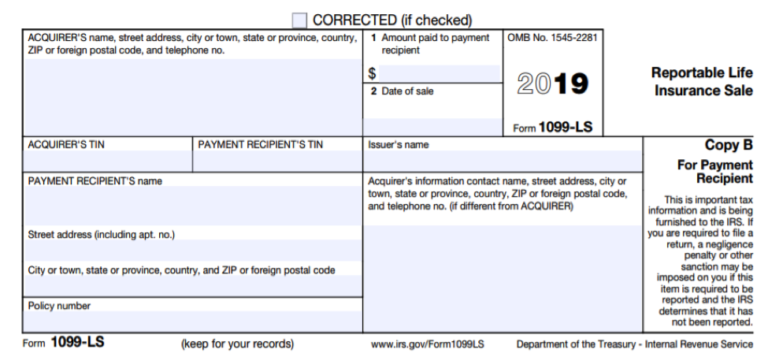
If you hold an Allstate life insurance policy or are a beneficiary receiving a payout, you may receive a 1099 form if your policy generated taxable income during the 2025 tax year. These forms, typically the 1099-R or 1099-INT, are issued when policy gains, interest, or specific distributions exceed Internal Revenue Service (IRS) thresholds, and they must be reported on your federal tax return.
Managing taxes on life insurance can be complex, particularly as the industry evolves. For many policyholders, "Allstate Life Insurance" is now serviced by Everlake Life Insurance Company following a significant corporate divestiture in 2021. However, the legacy of Allstate branding remains relevant for many long-term policyholders. Understanding why you received a 1099 form, how to access it in 2026, and what information it conveys is essential for accurate financial planning and tax compliance.
The Relationship Between Life Insurance and 1099 Forms
Under United States tax law, life insurance is generally known for its tax-advantaged status. In most cases, the death benefit paid to a beneficiary is not considered taxable income. However, life insurance policies—particularly whole life, universal life, and annuities—often have "cash value" components or generate interest that may be subject to taxation under specific circumstances.
The IRS requires insurance companies to issue 1099 forms when a "taxable event" occurs. A taxable event isn't just the movement of money; it is the realization of a gain. For example, if you surrender a policy for more than the total premiums you paid (your "cost basis"), that excess amount is taxable. The 1099 form acts as a formal record of this gain, provided to both the taxpayer and the IRS to ensure the income is properly declared.
The Allstate and Everlake Transition
In 2026, it is vital to note that while your original policy may have been purchased through an Allstate agent, Allstate completed the sale of its life insurance business to entities managed by Blackstone in late 2021. This business now operates as Everlake Life Insurance Company. Consequently, your 1099 forms for the 2025 tax year may arrive with Everlake branding or may require you to log in to the Everlake customer portal rather than the primary Allstate mobile app. If you search for "Allstate life insurance 1099 forms," you will likely be redirected to Everlake’s service center for document retrieval.
Common Types of 1099 Forms for Policyholders
Depending on the nature of your transaction or the type of policy you hold, you may receive one of several different 1099 variants. Each serves a specific purpose in the eyes of the IRS.
1099-R: Distributions From Insurance Contracts
The 1099-R is the most common form associated with life insurance. It is used to report distributions from pensions, annuities, and insurance contracts. You will receive this form if:
- You surrendered your life insurance policy for its cash value.
- You made a partial withdrawal from a universal life or whole life policy that exceeded your cost basis.
- Your policy was classified as a Modified Endowment Contract (MEC) and you took a loan or withdrawal.
- You are receiving periodic payments from an annuity.
1099-INT: Interest Income
This form is used to report interest income of $10 or more. In the context of life insurance, a 1099-INT is typically issued if:
- There was a delay in paying out a death benefit, and the company paid "delay interest" to the beneficiary.
- You left dividends on deposit with the company to earn interest.
- You have a specialized account linked to your policy that accrues interest independently of the death benefit.
1099-LTC: Long-Term Care and Accelerated Death Benefits
If your Allstate (now Everlake) policy includes a long-term care rider or an accelerated death benefit for terminal illness, payments made to you are reported on Form 1099-LTC. While these payments are often tax-free, the IRS requires the insurance company to report them so you can demonstrate that the payments were used for qualified medical expenses or fell within daily indemnity limits.
Primary Triggers for Taxable Life Insurance Events
To understand why you might receive a 1099 form in 2026, it is necessary to examine the specific financial actions that create a tax liability. Life insurance is not a "tax-free" vehicle in every scenario; it is "tax-deferred."
1. Policy Surrender and the Cost Basis
When you surrender a permanent life insurance policy, the company sends you the cash surrender value. The taxability of this amount depends on your cost basis. The cost basis is generally the total amount of premiums you have paid into the policy, minus any previous tax-free withdrawals or dividends received in cash.
- Example: If you paid $50,000 in premiums over 20 years and surrender the policy for $65,000, you have a $15,000 gain. You will receive a 1099-R for $15,000, which is taxed as ordinary income, not capital gains.
2. Policy Loans and Lapses
Policy loans are usually not taxable as long as the policy remains in force. However, if a policy has a large outstanding loan and subsequently lapses or is surrendered, the IRS treats the outstanding loan balance as a distribution. If the loan balance plus any cash received exceeds the cost basis, a 1099-R will be issued for the gain. This is a common "tax trap" for policyholders who stop paying premiums on older policies with significant loans.
3. Interest on Death Benefits
While the face amount of a death benefit is generally tax-exempt under IRC Section 101(a), any interest earned on that benefit from the date of death to the date of payment is taxable. If this interest exceeds $10, a 1099-INT will be issued to the beneficiary.
4. Modified Endowment Contracts (MECs)
If a policy is funded too quickly (exceeding the "seven-pay test" limits), it becomes a Modified Endowment Contract. MECs lose many of the tax advantages of life insurance. Withdrawals and loans from a MEC are taxed on a "gain-first" basis (LIFO), and if you are under age 59½, you may face an additional 10% IRS penalty. All distributions from a MEC will trigger a 1099-R.
Accessing Your 1099 Forms in 2026
For the 2025 tax year, Allstate/Everlake is required to mail 1099 forms by January 31, 2026. If you have not received your form by mid-February, you should take proactive steps to retrieve a digital copy.
Online Retrieval via Customer Portals
Most policyholders find that the fastest way to get their 1099 is through the online portal.
- Visit the Everlake Life Insurance website: Since Everlake services the legacy Allstate life policies, their portal is the primary repository for tax documents.
- Log in to your Account: Use your existing credentials. If you previously used an Allstate login, you may have been prompted to migrate it to the Everlake system.
- Navigate to "Tax Documents": Look for a section labeled "Documents," "Tax Center," or "Forms."
- Download and Print: Ensure you download the version for the correct tax year (2025).
Contacting Customer Service
If you cannot access the portal, you can request a duplicate form via phone.
- Everlake Customer Service: 1-800-627-7053 (Standard for legacy Allstate Life policies).
- Information to Have Ready: Your policy number, Social Security number, and the mailing address currently on file.
| Form Type | Primary Use Case | Tax Treatment |
|---|---|---|
| 1099-R | Policy surrender, MEC withdrawal, or annuity payment. | Taxed as ordinary income on the gain portion. |
| 1099-INT | Interest earned on death benefits or dividends. | Taxed as ordinary interest income. |
| 1099-LTC | Long-term care or chronic illness payouts. | Generally tax-free if within IRS limits. |
| 1099-MISC | Occasional use for commissions or prizes. | Taxed as ordinary income. |
How to Read and Verify Your 1099-R
When you receive your 1099-R from Allstate/Everlake, you should verify the information before including it in your tax filing. Errors can occur, particularly regarding the calculation of the "taxable amount."
- Box 1 (Gross Distribution): This is the total amount of money moved or paid out.
- Box 2a (Taxable Amount): This is the portion of the distribution that the insurance company believes is taxable. If the company does not have enough information to determine the cost basis, they may leave this blank or check Box 2b ("Taxable amount not determined").
- Box 7 (Distribution Code): This code tells the IRS the nature of the distribution. For example, "7" indicates a normal distribution, while "1" indicates an early distribution with a potential penalty. "L" indicates a treated loan that is now taxable.
- Box 4 (Federal Income Tax Withheld): If you requested that Allstate/Everlake withhold taxes at the time of the distribution, that amount will be listed here. Ensure you claim this as a credit on your tax return.
Troubleshooting Common Issues
What if the 1099-R is Wrong?
If you believe the "Taxable Amount" in Box 2a is incorrect—for instance, if the company did not account for all the premiums you paid—you must contact Everlake’s tax department immediately. While you can technically report a different amount on your tax return, doing so without a corrected 1099 often triggers an automated IRS notice. Request a "Corrected 1099-R" to ensure the IRS records match your filing.
I Received a 1099-R but Never Received Cash
This often happens due to a policy loan offset. If your policy lapsed while a loan was outstanding, the company used the remaining cash value to pay off the loan. Even though you didn't receive a check in the mail, the IRS views the loan forgiveness as a distribution of value. If that value exceeded your cost basis, it is taxable income.
Form Not Received for a Small Amount
If the taxable interest was less than $10, Allstate/Everlake is not legally required to issue a 1099-INT. However, you are still legally required to report that interest income to the IRS. Check your year-end policy statements to find the exact interest amount earned.
Summary of Tax Reporting Requirements
When filing your 2025 taxes in 2026, ensure you aggregate all 1099 forms. If you have multiple Allstate or Everlake policies, you may receive multiple forms.
- Report 1099-R on Form 1040, typically on the lines designated for "IRA distributions" or "Pensions and annuities."
- Report 1099-INT on Schedule B of your Form 1040 if the total interest exceeds certain thresholds.
- Keep Records: Maintain copies of your 1099s and your final policy statements for at least three years, as these provide the evidence for your cost basis calculations.
Disclaimer: This information is provided for educational purposes only and does not constitute legal or tax advice. Tax laws are subject to change. For specific guidance regarding your individual tax situation, consult with a qualified tax professional or CPA.
Frequently Asked Questions
When should I expect my Allstate life insurance 1099 for 2026?
By law, 1099 forms for the previous tax year must be mailed by January 31. Most policyholders receive them in the first two weeks of February. If you have opted for paperless delivery through the Everlake portal, you may be notified via email as early as mid-January that your document is ready for download.
Is the death benefit from an Allstate policy reported on a 1099?
Generally, no. The principal amount of a life insurance death benefit is not taxable income and is not reported on a 1099. However, any interest paid on the death benefit (because of a delay in processing the claim) is taxable and will be reported on Form 1099-INT if it exceeds $10.
Why did I get a 1099-R for a policy loan?
A policy loan is usually tax-free. However, if the policy lapses, is surrendered, or is a Modified Endowment Contract (MEC), the loan can become taxable. If the loan amount exceeds the premiums you paid into the policy, the "gain" is reported as a distribution on Form 1099-R.
Can I get my 1099 if I am a beneficiary and not the policyholder?
Yes. If you received a taxable interest payment on a death benefit, the 1099-INT will be issued in your name and sent to your address. If you are a beneficiary of an annuity, the 1099-R will likewise be issued in your name. You may need to contact the claims department at Everlake if you have moved since the claim was settled.
What should I do if my 1099 shows Allstate but my policy is with Everlake?
This is common during the transition of large blocks of business. The IRS allows for the use of legacy branding in some administrative capacities, or the form may be issued by "Everlake Life Insurance Company (formerly Allstate Life)." Use the Taxpayer Identification Number (TIN) provided on the form when filing your taxes, regardless of the brand logo.
Recommendation for Policyholders
If you have an older Allstate life insurance policy, your first step in 2026 should be to verify your login credentials on the Everlake Life Insurance customer portal. Digital access is the most reliable way to ensure you don't miss tax deadlines due to mail delays. If you are planning to surrender a policy or take a large withdrawal, request a "tax projection" from the company first. This will help you understand the potential 1099-R impact before the transaction is finalized, allowing you to set aside funds for the resulting tax liability.