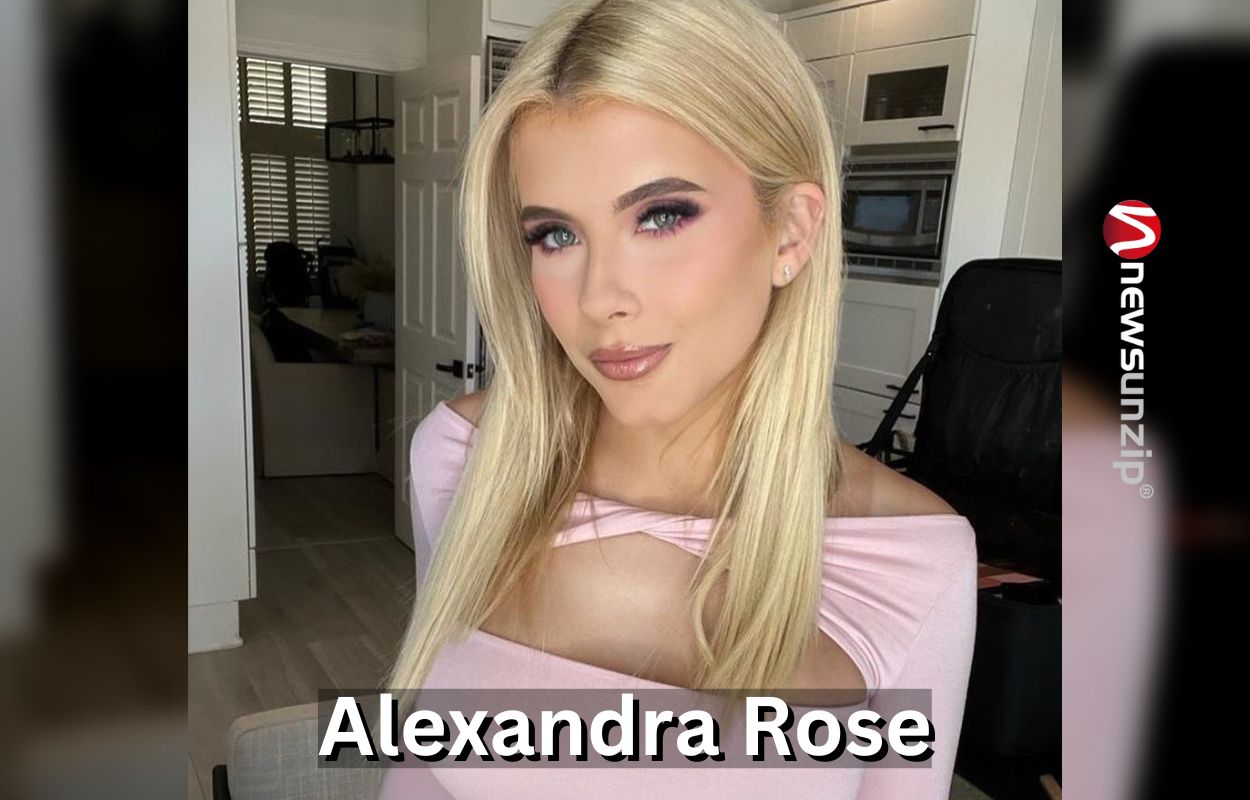
Dr. Alexandra Lourdes has an estimated net worth between $4 million and $7 million as of 2026. Rather than resting on passive investments or social media metrics alone, her financial valuation reflects tangible equity in thriving Las Vegas culinary concepts, co-ownership of a boutique marketing agency, high-ticket brand partnerships, and extensive digital monetization channels.
Understanding a prominent creator-entrepreneur's wealth requires looking past surface-level vanity metrics. While celebrity net worth trackers often publish speculative figures based solely on social media follower counts, evaluating an operator like Lourdes requires analyzing the operational realities of brick-and-mortar hospitality, corporate equity splits, product licensing, and customer acquisition economics.
The Academic Foundation Behind the Brand
Long before Dr. Alexandra Lourdes became a recognizable figure across TikTok and Instagram feeds, her professional trajectory was rooted in academic administration and institutional leadership. She earned her Ph.D. in Higher Education Leadership from the University of Nevada, Las Vegas (UNLV), focusing on higher education access, student affairs, and organizational dynamics.
This academic background provides crucial context for her business acumen. The hospitality industry suffers from notorious failure rates; according to the National Restaurant Association, roughly one in three restaurant enterprises fails within its first year, largely due to poor capital allocation, inventory mismanagement, and insufficient cash reserves. Lourdes’s formal training in organizational governance, strategic planning, and programmatic assessment allowed her to approach commercial development with rigorous operational discipline rather than relying merely on culinary passion.
During her time in the university ecosystem, Lourdes met her longtime business partner, Dr. Lin Jerome, who also holds a Ph.D. and a background in law and higher education. Recognizing the power of digital communication, narrative branding, and influencer-led visual marketing early on, the duo pivoted away from institutional roles to establish their first joint venture: The Refined Agency.
Core Asset Holdings: The Refined Hospitality Group
The cornerstone of Lourdes’s net worth resides in her equity holdings within the brands developed under The Refined Agency and Refined Hospitality group. In private hospitality businesses, net worth is primarily measured by enterprise value—typically calculated as a multiple of earnings before interest, taxes, depreciation, and amortization (EBITDA)—combined with physical real estate, commercial equipment leases, and intellectual property.
- Dr. Alexandra Lourdes Equity
- Refined Agency: Marketing, PR, Brand Strategy
- Café Lola (Multiple Units): In-Store, Events
- Saint Honoré: Doughnuts & Beignets Concept
1. Café Lola
Launched in 2018 in the Las Vegas suburb of Summerlin, Café Lola was deliberately engineered to merge high-end European café culture with visually engaging interior design. Featuring elaborate floral installations, signature espresso beverages, gourmet toasts, and branded afternoon tea services, Café Lola gained immediate traction across photo-sharing platforms.
From an asset standpoint, Café Lola’s economic model relies on several distinct revenue drivers:
- High-Margin Beverage Sales: Specialty lattes, matcha preparations, and craft cocktails exhibit gross margins frequently exceeding 75% to 80%, providing strong cash flow to offset retail overhead.
- Private Event Buyouts: The locations serve as dedicated event venues for baby showers, corporate activations, and bridal parties, monetizing operational off-hours with fixed venue fees and minimum food-and-beverage spends.
- Retail Footprint Expansion: The brand has expanded into multiple physical locations across the Las Vegas valley, including high-profile spaces like Caesars Palace, transitioning the concept from a suburban destination to an internationally recognized luxury strip amenity.
2. Saint Honoré Doughnuts & Beignets
Established as the nation’s first "couture" doughnut shop, Saint Honoré represents another high-performing physical asset in Lourdes’s portfolio. The concept specializes in handcrafted brioche doughnuts, scratch-made beignets, and seasonal flavor drops that mimic fashion industry release calendars.
The economic advantage of Saint Honoré lies in its supply chain efficiency and product pricing:
- Artisanal Pricing Power: By elevating a traditional commodity product (fried dough) through culinary technique and luxury packaging, the business commands premium prices (ranging from $4.50 to $7.00+ per unit), well above traditional bakery averages.
- Scarcity Marketing Mechanics: Limited daily runs and time-sensitive holiday box drops generate predictable, front-loaded demand, significantly reducing end-of-day product spoilage and waste.
3. Expansion Concepts: 3Pepe and Specialized Ventures
Beyond the core café and bakery units, the partnership group has launched and tested ancillary culinary lines, including savory food pop-ups and mobile catering units such as 3Pepe Mexican grill concepts. These agile concepts serve as low-capital test beds to capture additional retail market share without incurring the massive capital expenditures associated with flagship brick-and-mortar builds.
The Economics of Modern Food and Beverage Valuation
To place Lourdes’s net worth into proper financial context, one must examine how independent multi-unit restaurant groups are valued in private markets.
Unlike publicly traded hospitality conglomerates that trade on high revenue multiples, regional hospitality groups are generally valued using an enterprise valuation formula:
$$\text{Enterprise Value} = \text{Adjusted EBITDA} \times \text{Sector Multiple}$$
In the fast-casual and specialty boutique food sector, healthy operations typically achieve EBITDA margins between 12% and 18%. Market transaction multiples for profitable, non-franchised independent groups generally range between 3.5x to 6.0x EBITDA, depending on brand defensibility, unit-level economics, and geographic concentration.
While Refined Hospitality operates high-grossing storefronts, restaurants are capital-intensive. Tenant improvements for upscale retail locations in Las Vegas commercial centers routinely run between $500,000 and $1.5 million per buildout. Equipment depreciation, commercial kitchen line maintenance, local commercial property taxes, and rising labor costs systematically trim top-line revenues before profits reach distribution accounts.
Therefore, attributing arbitrary eight-figure personal fortunes to boutique restaurateurs often ignores the necessary cash reserves required to reinvest in operations, satisfy debt covenants, and fund new store buildouts. Lourdes's personal net worth is tempered by these operational realties, yielding a stable, sustainable multi-million-dollar financial standing rather than an unchecked liquidity pool.
Digital Media Architecture and Content Monetization
What elevates Dr. Lourdes above traditional restaurant operators is her massive, highly engaged personal brand. With millions of followers across TikTok, Instagram, and YouTube, she has built an organic distribution channel that fundamentally alters unit-level acquisition costs.
Traditional Hospitality Model:
- Capital
- Paid Advertising / PR Agency
- Customer Discovery
- Store Visit
Lourdes Integrated Model:
- Daily Content Creation
- Viral Social Reach
- Zero-Cost Customer Acquisition
- Brand Sponsorship Revenue
- Diversified Personal Liquidity
- Viral Social Reach
Social Media Monetization Mechanisms
Lourdes monetizes her personal platform through several direct and indirect conduits:
- Platform Creator Programs: Monthly platform payouts from the TikTok Creator Rewards Program and YouTube ad revenue streams. While variable, these generate recurring four-to-five-figure monthly income based on seasonal view volumes.
- Corporate Brand Sponsorships: Lourdes regularly partners with global lifestyle, consumer packaged goods (CPG), automotive, and culinary technology brands. Enterprise influencer campaigns of her scale command between $10,000 and $40,000+ per integrated campaign, depending on usage rights and exclusivity clauses.
- Merchandise and Direct-to-Consumer (DTC) Sales: Branded apparel, bespoke baking accessories, and packaged home goods distributed through proprietary online storefronts offer high gross margins without the inventory liabilities of physical store leases.
Zero-Dollar Customer Acquisition Cost (CAC)
The most valuable financial aspect of Lourdes’s social following is its impact on her physical businesses. In the commercial culinary space, acquiring a new customer through traditional digital ads, billboards, and PR placement can cost between $15 and $50 per patron.
By utilizing her personal platform to document early-morning kitchen operations, recipe development, and real-time entrepreneurship challenges, Lourdes secures millions of hyper-targeted impressions weekly at zero media cost. This organic reach drives constant foot traffic to Café Lola and Saint Honoré, shielding her commercial leases from the customer acquisition slumps that frequently shutter independent food ventures.
Asset Breakdown: Alexandra Lourdes Net Worth
The following structured overview breaks down the constituent components forming the contextual estimate of Dr. Lourdes's financial standing:
| Asset Class / Income Stream | Estimated Asset Share / Annual Impact | Financial Mechanism | Primary Risk & Cost Factors |
|---|---|---|---|
| Hospitality Group Equity (Café Lola, Saint Honoré) | 45% – 55% of Net Worth | Co-ownership of operating LLCs, equipment assets, trademarks, and distributed net dividends. | Food inflation, commercial lease commitments, labor costs, equipment upkeep. |
| Digital Media & Brand Deals | $300,000 – $750,000 Annual Gross | Sponsored integration contracts, platform ad shares, affiliate partnerships. | Platform algorithm changes, content production costs, audience fatigue. |
| Boutique Agency Equity (The Refined Agency) | 15% – 20% of Net Worth | Retainer fees, brand strategy contracts, design production for outside corporate clients. | Client turnover, professional payroll expenses, regional competition. |
| Real Estate & Personal Holdings | 15% – 25% of Net Worth | Residential primary property, personal portfolios, private equity reserves. | Mortgage interest rates, property taxes, market liquidity limitations. |
| E-Commerce & Merchandise | $75,000 – $200,000 Annual Net | Branded apparel, baking supplies, and proprietary recipe guides. | Shipping logistics, fulfillment labor, stock warehousing overhead. |
Demystifying Celebrity Net Worth Figures
Online database calculations of celebrity wealth are frequently distorted by methodological flaws. When analyzing public queries regarding Lourdes's personal wealth, several contextual points separate realistic financial auditing from internet speculation.
Liquid Assets vs. Enterprise Equity
A common error made by casual observers is treating enterprise valuation as immediately spendable cash. If a restaurant group is valued at $10 million based on historical EBITDA, an individual founder holding a 40% equity share does not possess $4 million in cash.
That value is tied directly to physical espresso machinery, commercial ovens, tenant improvements, trademark protections, and ongoing payroll obligations. Liquidating such assets quickly is virtually impossible without incurring heavy discounts or relinquishing operational control.
Shared Partnership Distributions
Lourdes’s public-facing projects are collaborative efforts. Her professional partnership with Dr. Lin Jerome means that corporate distributions, licensing rights, and agency profits are split in accordance with defined partnership agreements.
Furthermore, major restaurant expansions frequently leverage commercial loans through the Small Business Administration (SBA), commercial bank lines of credit, or landlord-funded tenant improvement allowances. While these capital injections accelerate brand expansion, they introduce structural liabilities that sit senior to equity holder disbursements.
Reinvestment Realities
Fast-growing lifestyle hospitality brands face continuous capital requirements. To maintain relevance in competitive markets like Las Vegas, venues require periodic aesthetic updates, seasonal menu overhauls, and marketing refreshes every 24 to 36 months.
Operators who withdraw all available free cash flow to fund lavish personal lifestyles quickly discover their venues losing market share to newer concepts. Lourdes and her executive team have consistently demonstrated a strategy of retaining corporate earnings to fund organic expansion into premier properties rather than extracting speculative personal distributions.
Strategic Takeaways from the Lourdes Business Model
The success and compounding wealth of Dr. Alexandra Lourdes provide several practical blueprints for modern entrepreneurs navigating the intersection of physical services and digital media:
- Anchor Personal Credibility in Concrete Operations: Lourdes did not begin as an influencer who later searched for a product to sell; she built operational marketing systems and physical hospitality stores, using digital media to highlight tangible daily work.
- Engineered Shareability as a Defensible Moat: By designing physical spaces specifically calibrated for user-generated content, her businesses transform every dining customer into an unpaid marketing agent.
- Monetize Multiple Tiers of the Same Audience: Patrons who cannot visit Las Vegas in person to purchase a pastry still consume her digital videos, buy merchandise online, and support brand sponsors, ensuring cross-platform monetization across multiple geographic segments.
- Preserve Equity Through Sweat Equity Partnerships: Collaborating closely with a business partner possessing complementary legal and academic skills allowed the founders to scale without immediately ceding control to outside private equity firms that could dilute long-term value.
Frequently Asked Questions
What is Alexandra Lourdes’s primary source of wealth?
Her primary source of wealth is her equity ownership in her hospitality brands, particularly Café Lola and Saint Honoré Doughnuts & Beignets, followed by earnings from The Refined Agency and sponsored social media campaigns. While digital content provides high-margin liquidity, her commercial retail operations represent the bulk of her long-term underlying asset value.
Does Alexandra Lourdes own Café Lola and Saint Honoré alone?
No. Lourdes co-founded and co-owns these hospitality ventures alongside her long-time business partner, Dr. Lin Jerome, through their joint corporate entities. Furthermore, individual locations may incorporate specific capital financing structures, meaning ownership is split according to formal operating agreements rather than held by a single individual.
How does having a Ph.D. help her business valuation?
Lourdes’s Ph.D. in Higher Education Leadership provides deep expertise in organizational dynamics, human resource administration, institutional assessment, and project management. This training translates directly into operational durability, structured employee management systems, and strategic market positioning, helping her avoid common operational missteps that plague first-time hospitality founders.
How much does she make per sponsored post on social media?
While specific contractual agreements remain subject to non-disclosure clauses, digital creators with multi-million follower counts across multiple channels generally secure between $10,000 and $40,000+ for comprehensive branded campaigns. These fees vary based on category exclusivity, paid advertising whitelist rights, deliverables, and production complexity.
Why do some websites estimate her net worth significantly higher?
Many digital entertainment aggregators calculate net worth using blunt top-line revenue estimates, incorrectly assuming all business sales flow directly to the founders as personal income. These speculative metrics frequently overlook operational overhead, food and ingredient costs, commercial real estate leases, corporate payroll, loan amortization schedules, and partnership equity splits.
Practical Next Steps for Analyzing Business Valuations
To evaluate private hospitality enterprises or benchmark your own commercial projects against this operational model, execute the following operational steps:
- Audit Your Unit Economics: Calculate your true customer acquisition costs (CAC) compared to your customer lifetime value (LTV). Determine whether organic content creation can replace paid digital advertising spend to widen operating margins.
- Differentiate Cash Flow from Equity: When assessing enterprise health, maintain a strict boundary between net corporate distributions and balance-sheet equity. Focus first on building sustainable EBITDA before calculating valuation multiples.
- Establish Strategic Partnership Frameworks: If partnering to launch capital-heavy concepts, construct precise operating agreements defining corporate governance, distribution thresholds, debt liability guarantees, and intellectual property ownership to safeguard long-term brand equity.