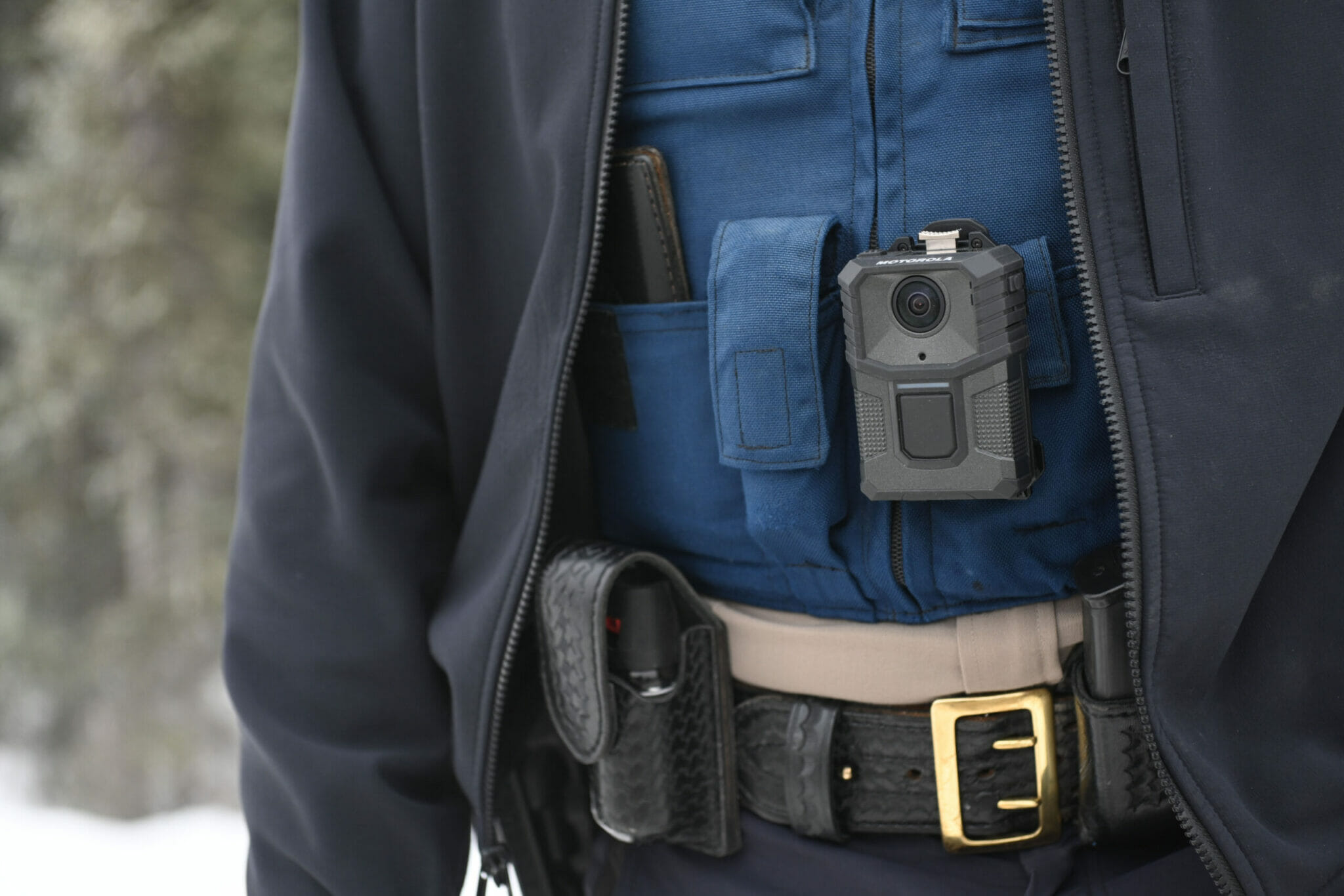
To become an Alaska State Trooper in 2026, you must be at least 21 years old, a U.S. citizen, and possess a high school diploma or GED. Candidates must pass a rigorous background investigation, a polygraph, a psychological evaluation, and a physical agility test. Successful applicants then complete a 16-week residential training academy in Sitka followed by field training.
The Alaska State Troopers (AST) represent one of the most unique law enforcement agencies in the world. Tasked with patrolling a state that is more than twice the size of Texas with a fraction of the road infrastructure, troopers are often the sole source of government authority in remote wilderness areas. Because of these challenges, the Alaska Department of Public Safety (DPS) maintains some of the most stringent recruitment standards in the United States. Whether you are a resident of the "Lower 48" or a lifelong Alaskan, understanding the 2026 requirements is the first step toward a career in the Last Frontier.
Basic Eligibility and Minimum Prerequisites
Before an applicant can begin the physical or psychological testing phases, they must meet the foundational "paper" requirements. These are non-negotiable standards set by the Alaska Police Standards Council (APSC) and the Department of Public Safety.
Age and Citizenship
As of 2026, you must be 21 years of age by the time you graduate from the Alaska Law Enforcement Training (ALET) Academy. You may apply while you are 20, provided your 21st birthday falls before the graduation date of the specific academy class for which you are being recruited. Applicants must be citizens of the United States. While Alaska residency is not required at the time of application, you must be willing to relocate and reside within the state upon hiring.
Education and Experience
The minimum educational requirement is a high school diploma or a General Education Development (GED) certificate. While a college degree is not strictly required for entry-level recruits, it is highly valued and can influence long-term career progression into specialized bureaus like the Alaska Bureau of Investigation (ABI).
For those applying as Lateral Officers, the requirements differ. A lateral applicant must possess a current, valid police officer certification and have at least one year of full-time experience in a municipal, state, or federal law enforcement agency.
Driver’s License and Legal Status
A valid driver’s license is mandatory. If you are an out-of-state applicant, you must be able to obtain an Alaska driver’s license upon relocation. Your driving record must reflect responsible behavior; frequent moving violations, recent reckless driving charges, or a history of license suspensions can be grounds for immediate disqualification.
Character and Background Standards
The background investigation is the most frequent point of failure for AST applicants. The Department of Public Safety prioritizes integrity above almost all other traits, as troopers often operate in remote areas without immediate supervision.
Criminal History Disqualifiers
The state of Alaska maintains a zero-tolerance policy for certain past behaviors. Automatic disqualifiers include:
- Felony Convictions: Any conviction for a felony crime at any point in your life.
- Domestic Violence: Any conviction for a crime involving domestic violence, which also prohibits the legal possession of a firearm under federal law (the Lautenberg Amendment).
- Recent Misdemeanors: Most misdemeanor convictions within the last five years will lead to disqualification.
- Illegal Drug Involvement: While marijuana use is legal in Alaska, the AST maintains specific "cool-down" periods. As of 2026, you must not have used marijuana within one year of your application. The use of more "hard" substances (like cocaine, methamphetamine, or LSD) usually carries a much longer disqualification period (typically 10 years) or a lifetime ban depending on the frequency of use and whether the applicant was involved in the manufacture or sale of the substance.
The Polygraph and Integrity
Applicants are required to undergo a pre-employment polygraph examination. This is not used in isolation but as a tool to verify the information provided in the Personal History Questionnaire (PHQ). Discrepancies between your written application and your polygraph results regarding drug use, undetected crimes, or employment history are often viewed as "deception," which is an automatic and permanent disqualifier.
Physical and Medical Requirements
The Alaskan environment is unforgiving. Troopers must be capable of surviving sub-zero temperatures, navigating rugged terrain, and performing life-saving duties while wearing heavy gear.
Vision and Hearing
- Vision: Your vision must be correctable to 20/20 in each eye. If you have had refractive surgery (like LASIK), you must wait a specific period (usually six months) to ensure your vision has stabilized before applying. Color blindness is also tested; the ability to distinguish colors is critical for identifying vehicles and describing suspect clothing accurately.
- Hearing: Candidates must pass a standard hearing test. Chronic hearing loss that interferes with radio communication or the ability to hear ambient sounds in the wilderness may be a disqualifier.
The APARE (Alaska Physical Agility Ready Evaluation)
The APARE is the standard physical test for all Alaska law enforcement officers. It is a timed obstacle course designed to simulate the physical demands of the job. In 2026, the course includes:
- Sprints and Hurdles: Navigating a set distance with directional changes.
- Stair Climb: Simulating movements within buildings or over uneven terrain.
- Physical Control: Pushing and pulling a weighted apparatus to simulate a struggle with a suspect.
- The Wall: Scaling a 6-foot chain-link fence or solid barrier.
- Body Drag: Dragging a 150-pound dummy to safety, simulating officer or victim rescue.
Preparation for the APARE should focus on functional fitness, grip strength, and cardiovascular endurance rather than pure weightlifting.
The Recruitment and Selection Process
The path from applicant to Trooper Recruit is lengthy, often taking between four to eight months to complete.
- Initial Application: Submitted through the Workplace Alaska portal.
- Testing: Recruits must take the National FrontLine law enforcement exam, which tests basic reading, writing, and situational judgment.
- The PHQ: A massive document covering every aspect of your life since age 15.
- The Oral Board: A formal interview with a panel of current Troopers and Sergeants. This is where your communication skills and "command presence" are evaluated.
- Background Investigation: A dedicated investigator will contact your neighbors, former employers, and even ex-spouses.
- Psychological and Medical Exams: Final checks to ensure you are mentally and physically fit for the stresses of Alaskan law enforcement.
Training: The ALET Academy in Sitka
Once hired as a Trooper Recruit, you are sent to the Alaska Law Enforcement Training (ALET) Academy in Sitka. This is a residential, "military-lite" style academy that lasts approximately 16 weeks.
Unlike many lower-48 academies, ALET includes specialized training for the Alaskan environment. Recruits learn cold-weather survival, water safety (vital for a state with more coastline than the rest of the US combined), and rural tactics. Training also covers standard law enforcement subjects:
- Alaska Statutes: Understanding the unique legal framework of the state.
- Firearms Proficiency: Handgun, shotgun, and patrol rifle.
- Emergency Vehicle Operations (EVOC): Driving in snow, ice, and gravel.
- De-escalation: Communication techniques to resolve conflicts without force.
After graduation, recruits are promoted to the rank of Trooper and begin a 15-week Field Training Officer (FTO) program at one of the "hub" posts, such as Fairbanks, Soldotna, or the Mat-Su Valley.
Salary, Benefits, and Career Paths in 2026
The Alaska State Troopers offer one of the most competitive compensation packages in the country to attract talent to the north.
| Benefit Category | Details for 2026 |
|---|---|
| Starting Salary (Recruit) | Approx. $78,000 - $85,000 (varies by location) |
| Lateral Salary | Can exceed $100,000 depending on years of experience |
| Geographic Differential | 5% to 60% additional pay for remote posts (e.g., Nome, Kotzebue) |
| Schedule | Often 2 weeks on / 2 weeks off in rural areas; or 4/10 schedules in hubs |
| Retirement | PERS (Public Employees' Retirement System) Tier IV |
| Equipment | All uniforms, firearms, and cold-weather gear provided |
Specialized Units
One of the primary draws of the AST is the diversity of career paths. After two to three years of patrol experience, Troopers can apply for:
- Alaska Wildlife Troopers (AWT): Focusing on commercial fishing enforcement, hunting regulations, and boating safety.
- SERT (Special Emergency Reaction Team): The Alaskan equivalent of SWAT, trained for high-risk warrants and barricaded suspects.
- Helicopter and Fixed-Wing Pilots: AST maintains a significant air fleet to reach "off-road" communities.
- K9 Teams: Specifically trained for drug interdiction and search and rescue.
Common Obstacles and Expert Guidance
To succeed in your application, you must view the process as a marathon, not a sprint. The most common reason for rejection in 2026 is omission. If you forgot to list a minor speeding ticket from ten years ago, the background investigator will find it. In their eyes, an omission is a lie.
Expert Tip: Before filling out your PHQ, request your driving records from every state you have lived in and obtain a copy of your credit report. Being factually perfect on your paperwork shows the level of detail required to be a successful Trooper.
Furthermore, if you are applying from a warm climate, be prepared to answer questions about how you will handle the "Dark Winter." The psychological evaluation focuses heavily on your ability to maintain mental health during periods of extreme cold and limited sunlight, which are common in northern posts like Barrow or Galena.
FAQ: Alaska State Trooper Requirements
Do I have to live in Alaska to apply?
No. The AST actively recruits from across the United States. They often conduct testing "travel days" where they bring recruiters to major cities in the Lower 48 to interview candidates. However, you must move to Alaska for the academy and your subsequent assignment.
Can I choose where I am stationed after the academy?
During the academy, recruits submit a "dream sheet" of their preferred locations. While the Department tries to accommodate these requests, the final decision is based on the "Needs of the Department." You must be willing to serve anywhere in Alaska, from the urban centers of Anchorage to the remote reaches of the Aleutian Islands.
What is the policy on tattoos?
The AST has a modern but professional tattoo policy. Tattoos are generally allowed as long as they are not on the face, head, or neck. Tattoos that are considered offensive, extremist, or racist are strictly prohibited. You may be required to wear long sleeves if your tattoos are deemed "distracting" by leadership.
Is there a maximum age limit to apply?
No. Unlike some federal agencies or other state police forces that have a cutoff at 35 or 37, the Alaska State Troopers do not have a maximum age limit, provided you can pass the medical exam and the APARE physical agility test.
How does the 2-week on / 2-week off schedule work?
This is primarily for "Rural" or "Bush" posts. Troopers are flown into a remote community where they live in state-provided housing and work for 14 straight days. They then have 14 days of "R&R" where they are flown back to a hub city or their primary residence. This schedule is highly popular for those who enjoy hunting, fishing, or traveling.
Final Recommendation for Applicants
If you meet the 2026 Alaska State Trooper requirements, your next step is to contact a recruiter through the official Alaska Department of Public Safety (DPS) recruitment website. Do not wait until you are "perfectly" fit to apply; the process takes long enough that you can improve your physical conditioning while the background check is underway. Focus on absolute honesty in your documentation and start preparing your cold-weather gear—a career in the most rugged law enforcement agency in America awaits.