Proper air pressure for semi truck tires typically ranges between 95 and 110 PSI (pounds per square inch), depending on the axle position, the load weight, and the specific manufacturer’s recommendations. Maintaining the correct inflation is the single most important factor in ensuring vehicle safety, maximizing fuel efficiency, and extending the operational life of the tire casing.
The air inside a heavy-duty truck tire is what actually carries the load; the tire itself is merely the container that holds that air. For commercial motor vehicle (CMV) operators in 2026, understanding the nuances of tire pressure is no longer just a matter of checking a gauge—it is a sophisticated part of fleet telematics and preventative maintenance.
The Science of Semi Truck Tire Inflation
To understand why air pressure is so critical, one must first understand the physics of a radial truck tire. Unlike passenger car tires, which operate at lower pressures (typically 32–35 PSI) and carry much lighter loads, semi truck tires are engineered to withstand massive vertical forces. A fully loaded Class 8 tractor-trailer can weigh up to 80,000 pounds. This weight is distributed across 18 tires (in a standard configuration), meaning each tire may be responsible for supporting over 4,400 pounds.
The Role of PSI in Load Bearing
PSI stands for pounds per square inch. When you inflate a tire to 100 PSI, you are exerting 100 pounds of force on every square inch of the interior tire surface. When the tire is under-inflated, the "footprint"—the area of the tread touching the road—becomes elongated. This causes the sidewalls to flex excessively. This flexing generates heat hysteresis, a process where the internal components of the tire (steel belts and rubber compounds) generate heat through friction at a molecular level. Excessive heat is the primary enemy of tire longevity and is the leading cause of catastrophic tire failure.
Permeation: Why Tires Lose Pressure Naturally
It is a common misconception that a tire only loses air if there is a puncture. In reality, all tires lose pressure over time due to permeation. Oxygen molecules are small enough to migrate through the microscopic pores of the rubber compound. On average, a healthy commercial tire can lose 1 to 3 PSI per month through natural permeation. This is why regular checks are mandatory, even if the tire appears undamaged.
Determining the Ideal PSI: Load Inflation Tables
Many drivers make the mistake of inflating tires to the "Max PSI" listed on the sidewall. This is often incorrect. The sidewall marking indicates the maximum pressure the tire can safely hold at its maximum rated load. For optimal performance, drivers should consult Load Inflation Tables provided by manufacturers like Michelin, Bridgestone, or Continental.
Steer Axle vs. Drive and Trailer Axles
Pressure requirements vary significantly based on where the tire is mounted:
- Steer Axle: These tires typically require higher pressure because they carry a more consistent, heavy load (the engine) and are responsible for steering geometry. Steer tires are often set between 105 and 110 PSI.
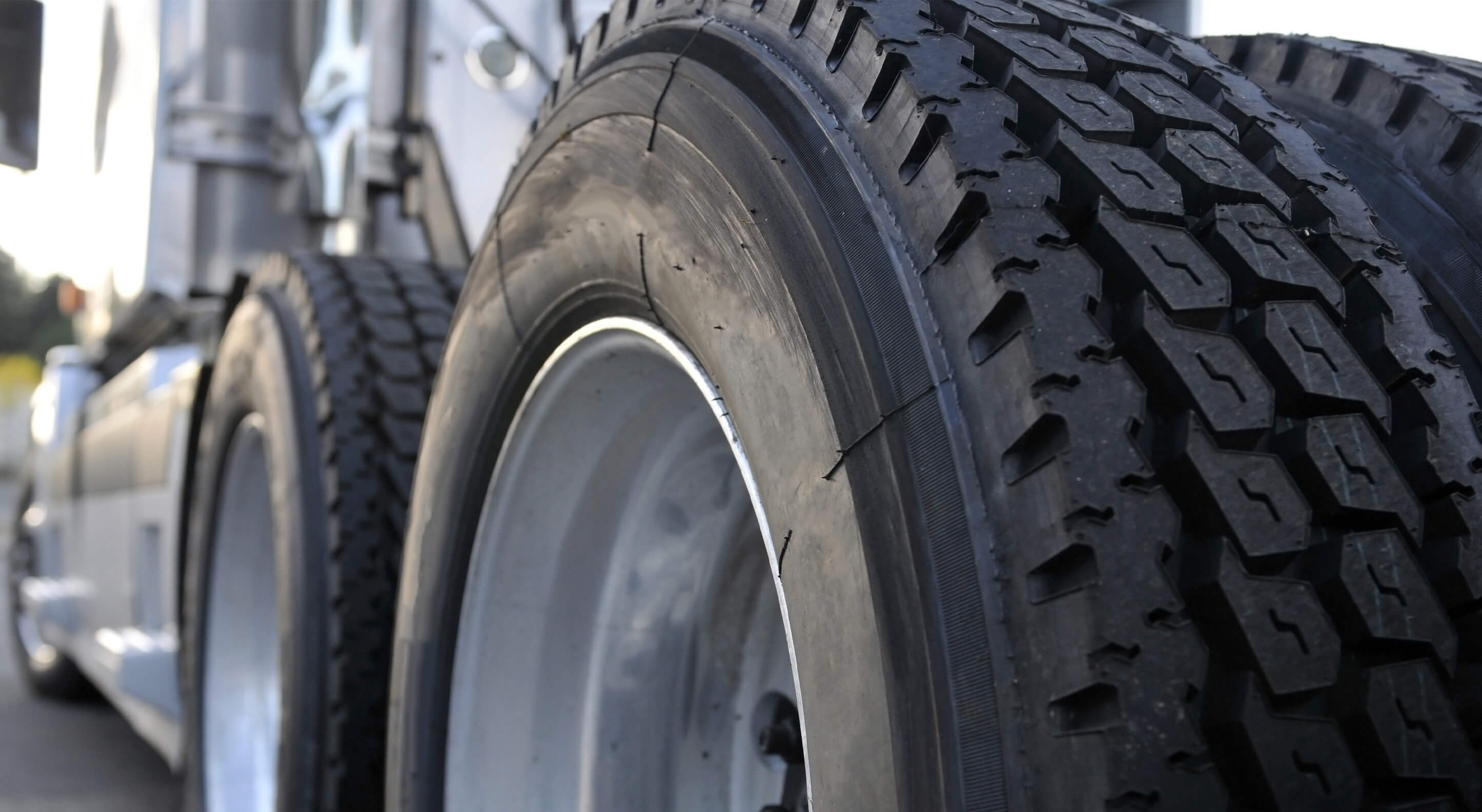
- Drive and Trailer Axles: These tires are often "dualed" (two tires side-by-side). Because the load is spread across eight tires per tandem, the pressure can sometimes be lower, often ranging from 95 to 100 PSI. However, running "Super Singles" (wide-base singles) requires specific pressure settings often exceeding 100 PSI to maintain the integrity of the wider footprint.
The Impact of Load Weight
A truck running empty (deadheading) requires less pressure than a truck hauling a 45,000-pound payload. While it is impractical for drivers to adjust pressure for every load, most fleets set a "standard" pressure based on the maximum expected legal load. This ensures safety during the heaviest hauls, even if it leads to a slightly stiffer ride when empty.
The Temperature Factor: Cold vs. Hot Pressure
In 2026, the industry standard remains to measure tire pressure when the tires are "cold." A cold tire is defined as one that has been sitting for at least three hours or has been driven for less than one mile.
The 2 PSI Rule
As a truck travels down the highway, the friction between the tread and the road, combined with the internal flexing of the sidewall, causes the air inside to heat up. According to Gay-Lussac's Law, as temperature increases, pressure increases. Generally, for every 10 degrees Fahrenheit increase in temperature, the tire pressure will rise by approximately 2 PSI.
It is not uncommon for a tire set at 100 PSI in the morning to read 115 or 120 PSI after several hours of highway driving. Never bleed air out of a hot tire. If you reduce the pressure of a hot tire to 100 PSI, it will be significantly under-inflated once it cools down, leading to potential bead damage or sidewall fatigue.
Impact of Underinflation vs. Overinflation
Maintaining the "sweet spot" of inflation is a balancing act. Both extremes lead to specific mechanical issues and financial losses.
| Condition | Primary Impact on Tread | Fuel Economy Effect | Safety Risks |
|---|---|---|---|
| Underinflated | Shoulder wear (outer edges) | Significant decrease due to high rolling resistance | Blowouts, zipper ruptures, steering instability |
| Correctly Inflated | Even, uniform wear | Optimal (Lowest rolling resistance) | Maximum braking efficiency and casing stability |
| Overinflated | Center wear (middle of tread) | Minimal improvement; high risk of suspension damage | Reduced traction, susceptible to impact breaks |
The Danger of Underinflation: Zipper Ruptures
When a tire is run under-inflated (typically 20% or more below the target), the steel cords in the sidewall undergo extreme stress. Over time, these cords fatigue and snap. When the tire is eventually re-inflated, the weakened sidewall can explode, creating a "zipper rupture" named for the appearance of the torn rubber. This is why the Federal Motor Carrier Safety Administration (FMCSA) considers any tire found at 80% or less of its recommended pressure to be "flat" and out of service.
The Cost of Overinflation
While overinflation reduces rolling resistance slightly, it makes the tire tread very hard and less compliant. This causes the tire to "bounce" rather than absorb road shocks. The result is accelerated wear on the truck's suspension components, such as shocks, bushings, and tie-rod ends. Furthermore, the reduced contact patch significantly increases stopping distances, especially on wet or icy roads.
Modern Tire Management Technology in 2026
By 2026, the manual tire gauge, while still essential for verification, has been largely supplemented by automated systems that provide real-time data to both the driver and the fleet manager.
Tire Pressure Monitoring Systems (TPMS)
Modern TPMS sensors are mounted either inside the tire or on the valve stem. These sensors transmit pressure and temperature data wirelessly to the truck's dashboard. Advanced systems now include predictive analytics that can alert a driver to a "slow leak" hours or even days before the tire becomes dangerously low.
Automatic Tire Inflation Systems (ATIS)
Commonly found on trailers, ATIS uses the truck's own compressed air system to maintain a constant pressure. If a sensor detects a drop in PSI, the system opens a check valve and routes air through the axle and into the tire via a rotary union. This technology has been credited with a 1-3% improvement in fleet-wide fuel economy by ensuring trailer tires—which are often neglected—stay at the correct PSI.
Nitrogen Inflation
Some specialized fleets use nitrogen instead of compressed air. Nitrogen molecules are larger than oxygen molecules and migrate through rubber more slowly. Furthermore, nitrogen is an "inert" gas, meaning it does not carry moisture. Moisture inside a tire can cause the steel wheels or internal belts to corrode. While more expensive to implement, nitrogen inflation results in more stable pressure readings across temperature fluctuations.
Maintenance Best Practices and Procedures
To ensure your tires are operating safely and efficiently, follow these technical guidelines:
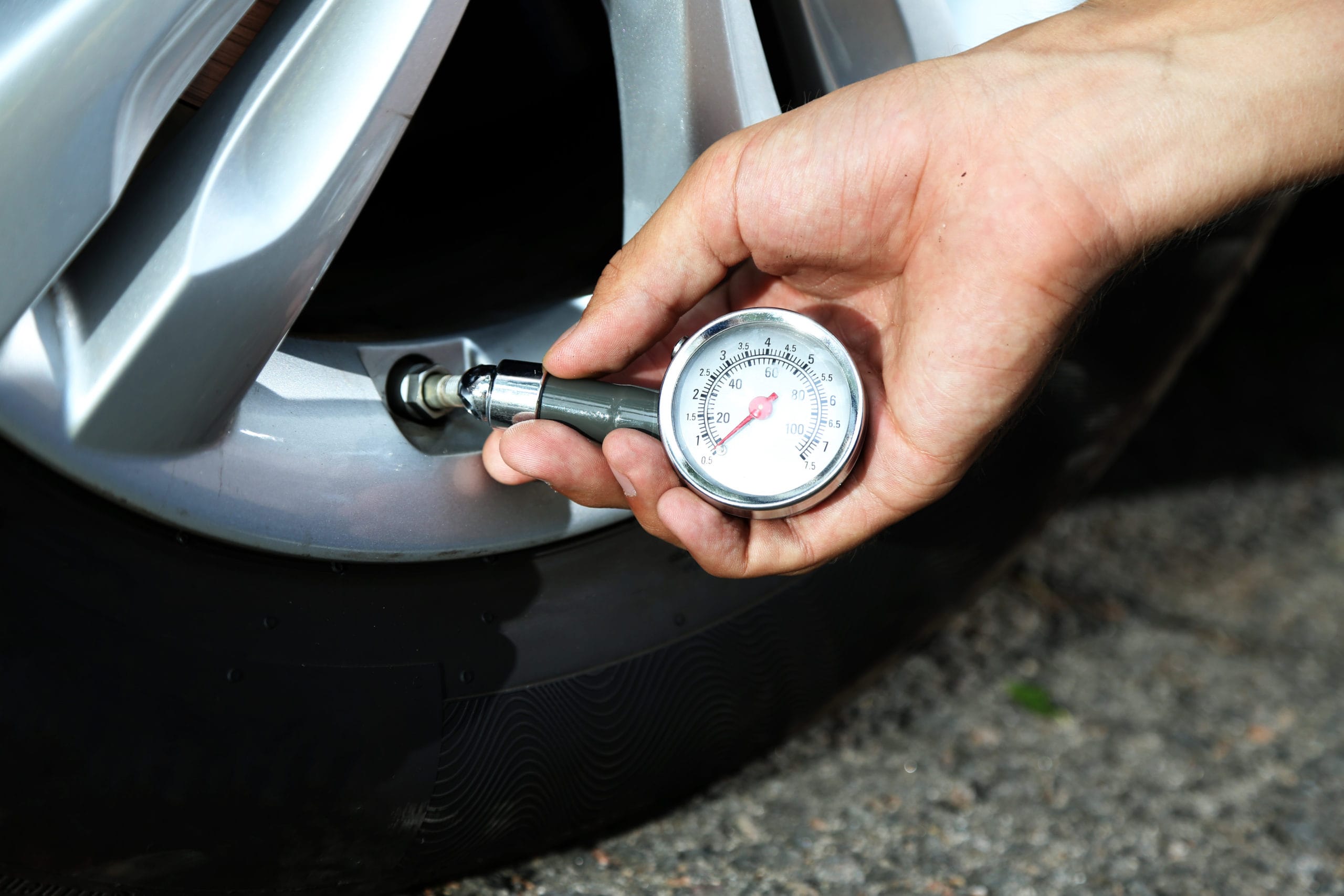
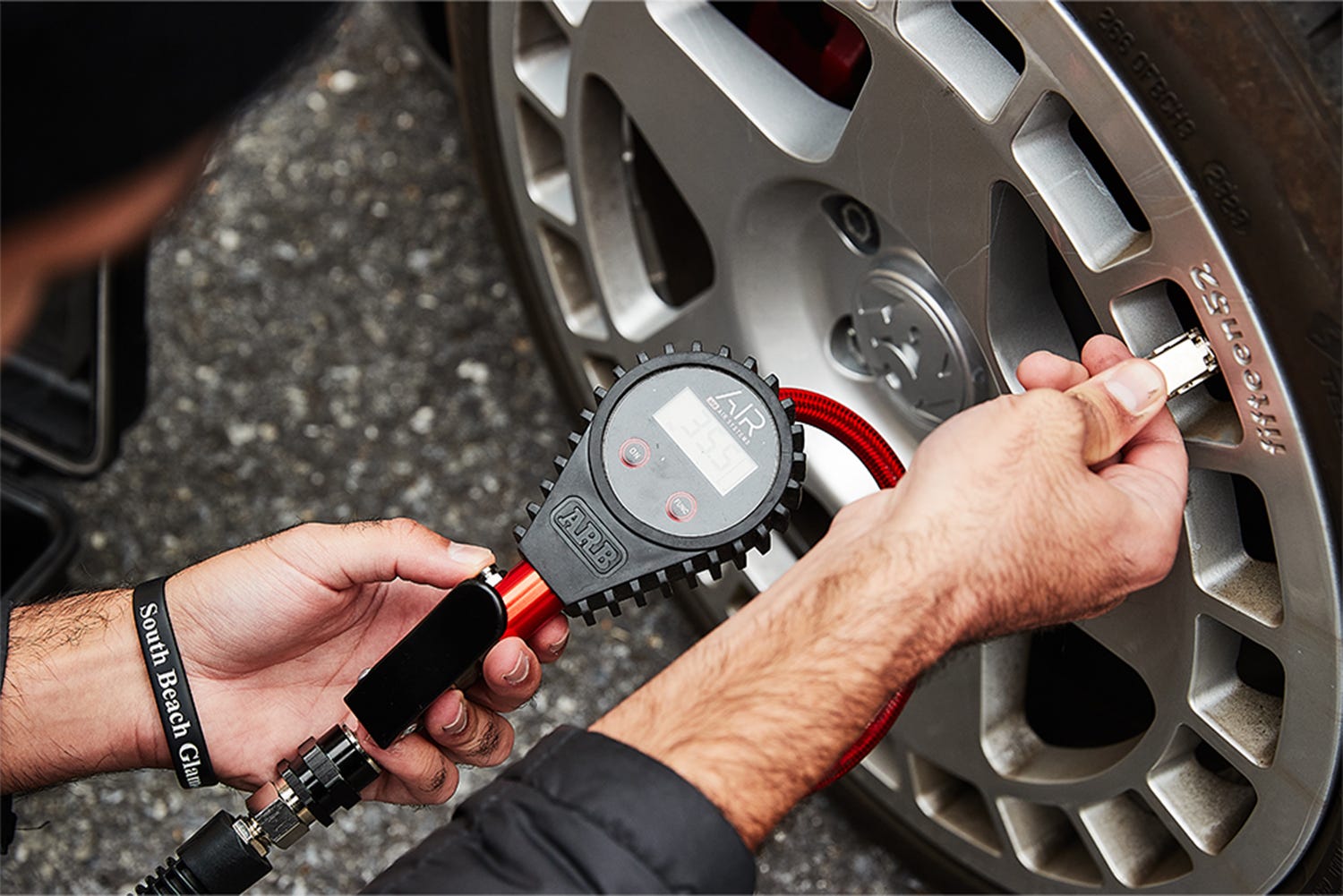
- Calibrate Your Gauges: Even a high-quality digital gauge can lose accuracy over time. Compare your personal gauge against a master gauge at a dedicated tire center every six months.
- Inspect Valve Caps: Never drive without valve caps. In the commercial world, flow-through valve caps are preferred. They allow for pressure checks and inflation without removing the cap, which prevents dirt and grit from entering the valve core and causing a slow leak.
- Check for "Mismatched" Duals: In a dual tire configuration, both tires must be within 5 PSI of each other. If one tire is significantly lower than its partner, the taller (fuller) tire will carry a disproportionate amount of the load, leading to rapid wear and potential failure.
- The "Thump" Test is Not Enough: While many drivers still use a "tire billy" or a hammer to thump their tires, this only identifies a tire that is nearly 100% flat. It cannot distinguish between 80 PSI and 100 PSI. Always use a calibrated gauge.
Economic and Environmental Implications
The Department of Energy has noted that for every 1 PSI drop in pressure for all tires on a vehicle, fuel mileage lowers by roughly 0.2%. For a long-haul trucker covering 100,000 miles a year, running just 10 PSI under-inflated can result in hundreds of gallons of wasted diesel.
From an environmental standpoint, proper inflation reduces the number of tires sent to landfills. A well-maintained tire casing can be retreaded up to three times. However, if a tire is run under-inflated, the internal heat damage (oxidized rubber and fatigued cords) makes the casing ineligible for retreading, forcing the purchase of a brand-new tire and increasing the carbon footprint of the fleet.
FAQ
What is the most common tire pressure for a semi truck?
The most common industry standard for a standard 18-wheeler is 100 PSI across all positions. While this is a "safe" baseline, heavy loads or specific steer axle requirements often necessitate bumping steer tires to 110 PSI to handle the weight and provide better handling characteristics.
Can I drive on a tire that is at 80 PSI?
Under FMCSA regulations, a tire at 80% or less of its maximum marked pressure (or the fleet's target pressure) is considered "flat." Driving on a tire at 80 PSI when it should be at 100 PSI is dangerous because the sidewall is flexing too much, which can lead to a blowout or a permanent "zipper" fatigue in the steel belts.
Does tire pressure affect the truck's braking distance?
Yes. Overinflated tires have a smaller contact patch, reducing the friction available for stopping. Underinflated tires can cause the vehicle to pull to one side during hard braking and can lead to excessive heat buildup in the tire during the braking process, potentially causing the tread to delaminate.
Should I change my tire pressure in the winter?
You do not change the target pressure, but you must check the pressure more often. Because air density changes with temperature, a tire that was at 100 PSI in a 70°F shop will drop to approximately 94 PSI if it sits outside in 40°F weather. You must add air to bring it back up to the 100 PSI target for the cold ambient temperature.
How often should I check my semi truck tire pressure?
Ideally, tire pressure should be checked every morning during your pre-trip inspection using a calibrated gauge. At a minimum, a full gauge-check of all 18 tires should be performed weekly, supplemented by daily visual inspections and "thump" tests to catch major leaks.
Final Recommendation
For drivers and fleet owners in 2026, the most effective strategy for managing tire pressure is a combination of daily manual verification and the adoption of Automatic Tire Inflation Systems (ATIS) for trailers. Always prioritize the manufacturer’s load inflation tables over the sidewall maximum, and ensure that steer tires are maintained at the higher end of the pressure spectrum (105-110 PSI) to ensure steering precision and load support. Consistent monitoring will not only keep you compliant with DOT regulations but will also significantly lower your cost-per-mile by maximizing fuel efficiency and tire life.