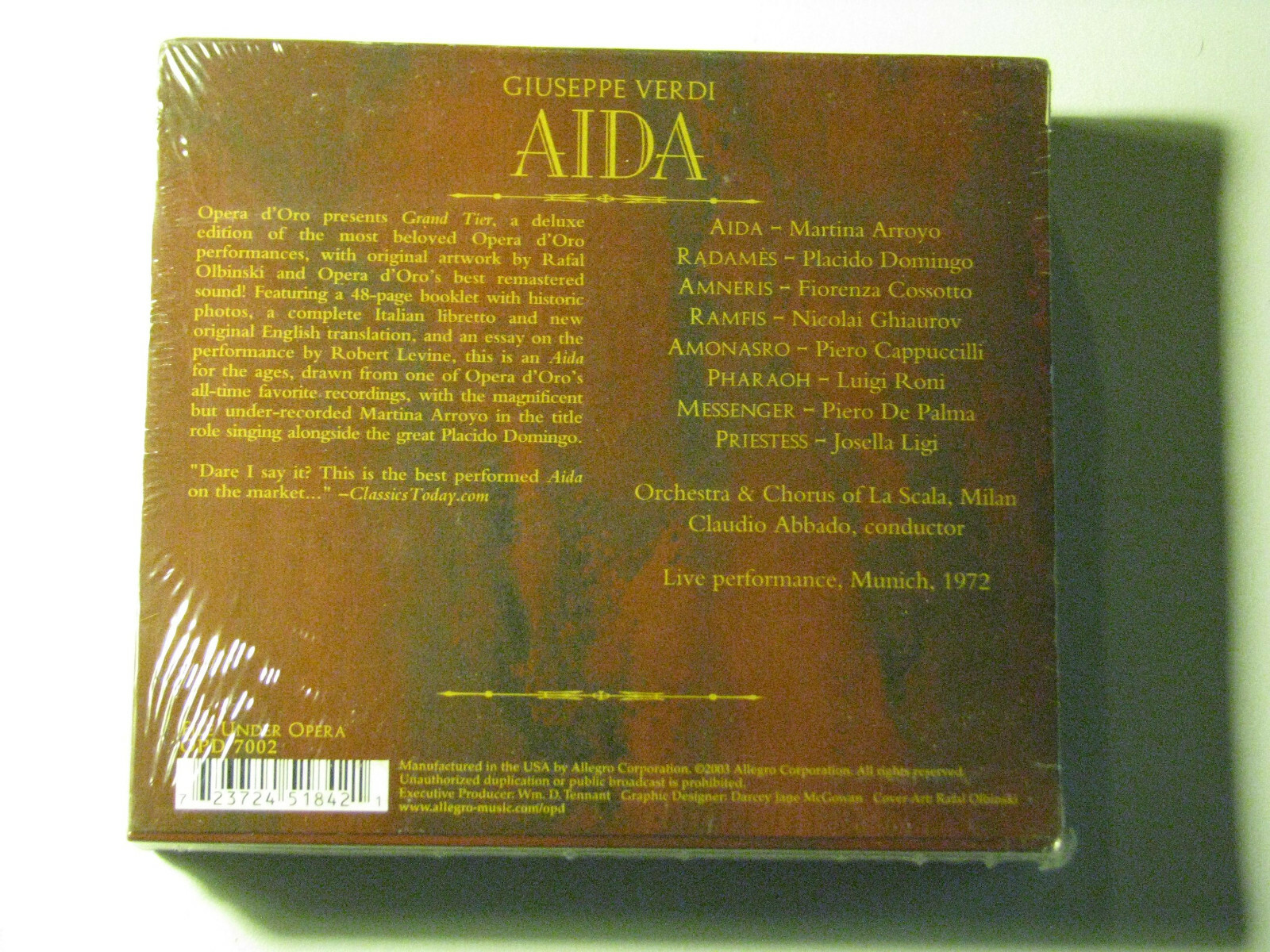
The essential highlights of Giuseppe Verdi’s Aida center on a collection of iconic arias and duets that define the emotional architecture of this grand Egyptian tragedy. These pieces—most notably "Celeste Aida," "Ritorna vincitor!," and "O patria mia"—serve as the structural pillars that bridge the gap between intimate character introspection and the massive, spectacle-driven orchestration for which the opera is celebrated.
Historical Context and Compositional Significance
Commissioned by the Khedive of Egypt, Ismail Pasha, and premiered at the Khedivial Opera House in Cairo in 1871, Aida represents the zenith of Verdi’s middle-to-late creative period. While often categorized as a "grand opera" due to its lush sets, ballet sequences, and choral density, the core of the work relies on the psychological depth of its primary characters.
The essential highlights of the score function as windows into the conflict between public duty—represented by the Egyptian state—and private desire—represented by the forbidden love between the Ethiopian slave Aida and the Egyptian general Radamès. Unlike many of his earlier works, Verdi utilized a more seamless transition between the aria and the surrounding musical narrative, meaning these highlights are not merely "showpieces" for vocalists, but critical developments in the plot.
Decoding the Primary Arias
To appreciate the essential musical landscape of Aida, one must look at the specific vocal demands and dramatic weight of its most famous sequences. Each aria is tethered to a specific character arc, tracking their internal trajectory from hope to betrayal and, eventually, tragic transcendence.
Celeste Aida (Radamès)
Occurring in the first act, "Celeste Aida" is one of the most demanding tenor arias in the standard repertoire. It is a lyrical meditation in which the protagonist expresses his longing to be victorious in battle so he may return to win the hand of Aida. The challenge for the performer lies in the final note: a pianissimo (very soft) high B-flat. Many singers struggle to maintain this delicate dynamic while sustaining the note, yet it is essential to the aria’s vulnerability.
Ritorna vincitor! (Aida)
Following the announcement of war, Aida finds herself caught in a torturous bind: she loves Radamès, but his success means the subjugation of her own people, led by her father, Amonasro. "Ritorna vincitor!" explores this split loyalty. The aria begins with intensity, transitions into a prayer, and concludes with a frantic, desperate plea to the gods for forgiveness. It is a masterclass in shifting musical dynamics, requiring a soprano who can project both regal authority and intimate devastation.
O patria mia (Aida)
In the third act, often called the "Nile Scene," Aida experiences a profound moment of nostalgia and hopelessness. "O patria mia" is a hauntingly beautiful aria that highlights the character’s longing for her lost homeland. The soaring, lyrical melody—frequently supported by a prominent oboe solo—demands perfect breath control. It serves as the emotional bridge between the public spectacle of the opera and the private, impending catastrophe of the final act.
Comparative Analysis of Performance Styles
The interpretation of these highlights has evolved significantly since the 19th century. Early recordings from the dawn of the 20th century focused on stylistic purity and specific vocal ornamentation. In contrast, mid-century performances, influenced by conductors such as Arturo Toscanini and later Herbert von Karajan, emphasized the symphonic integration of the orchestra with the vocal lines.
| Aria Title | Character | Vocal Range | Primary Emotional Driver |
|---|---|---|---|
| Celeste Aida | Radamès | Tenor | Romantic yearning |
| Ritorna vincitor! | Aida | Soprano | Conflict of interest |
| O patria mia | Aida | Soprano | Nostalgia and loss |
| O terra, addio | Aida/Radamès | Soprano/Tenor | Transcendence |
Preparing to Listen: What to Look For
When analyzing these highlights, modern listeners should focus on the interplay between the voice and the pit. Verdi was meticulous in his orchestration, often using specific woodwind instruments to foreshadow the character’s emotional state.
- Orchestral Coloring: Pay attention to how the woodwinds mimic the vocal lines in "O patria mia." This is not accidental; Verdi uses these textures to heighten the sense of isolation.
- Dynamic Range: Note the use of mezza voce (half-voice) singing. This technique is what distinguishes a truly essential interpretation from a merely loud, operatic performance.
- Thematic Recurrence: Many of the melodic phrases found in these arias appear earlier or later in the score. Identifying these recurring motifs—such as the theme associated with the Ethiopian King—adds layers to the listening experience.
Common Misconceptions
A common error among newer listeners is the assumption that the "Triumphal March" is an aria. It is not; it is a monumental choral and instrumental sequence. While it is certainly a "highlight" of the production, it does not function as a vehicle for internal character development in the same way an aria does. Focusing on the arias allows for a deeper understanding of the opera’s humanity, while the marches and ballets provide the necessary historical and political context.
Essential Listening Recommendations
For those beginning their journey into Aida, sourcing recordings that capture the balance between the spectacle and the intimacy is key. Look for studio recordings from the late 1950s through the 1980s, which generally offer the highest fidelity to the composer’s original performance markings. Avoid focusing solely on "star" singers; instead, evaluate the cohesion of the performance, as Aida is inherently an ensemble work where the interplay between the Amneris (mezzo-soprano), Aida (soprano), and Radamès (tenor) is paramount to the success of the highlights.
Frequently Asked Questions
Why is "Celeste Aida" considered so difficult for tenors? The difficulty lies in the final phrasing. Verdi wrote the concluding high B-flat to be sung pianissimo (very softly). Most tenors, in an effort to project over the orchestra, struggle to drop the volume of such a high note, leading to forced or strained vocal production that contradicts the character’s intimate, romantic state.
Is Aida an Italian or Egyptian opera? It is an Italian opera, composed by an Italian (Giuseppe Verdi) with an Italian libretto (by Antonio Ghislanzoni). However, the setting is ancient Egypt. The subject matter was chosen to capitalize on the public’s fascination with Egyptology during the late 19th century.
How does Amneris fit into the highlights? While Amneris does not have an "aria" as strictly defined as Aida's, her interaction in the judgment scene and her duets with Aida are essential. The "O patria mia" scene only functions as effectively as it does because of the dramatic tension Amneris has established in the previous acts.
Are these arias performed in concert settings? Yes, frequently. Because the stage production of Aida is so resource-heavy, these highlights are staples of gala concerts and vocal recitals. However, they are most effective when heard in their original context, as the orchestral accompaniment is essential to their full meaning.
What is the significance of the Nile Scene? The Nile Scene is the emotional pivot of the opera. It is here that the public political tension reaches its breaking point, forcing all three protagonists into their final, fatal decisions. The arias within this act are the most introspective of the entire score.
Concluding Steps for the Opera Enthusiast
To master the essential highlights of Aida, begin by listening to a complete recording of the opera while following a libretto that provides context for the plot. Once the emotional arc is clear, move to comparing individual performances of "O patria mia." Pay attention to how different sopranos interpret the silence between phrases; the best performances use these moments to build tension, demonstrating that in Aida, what is left unsaid is often as important as the notes written on the page.