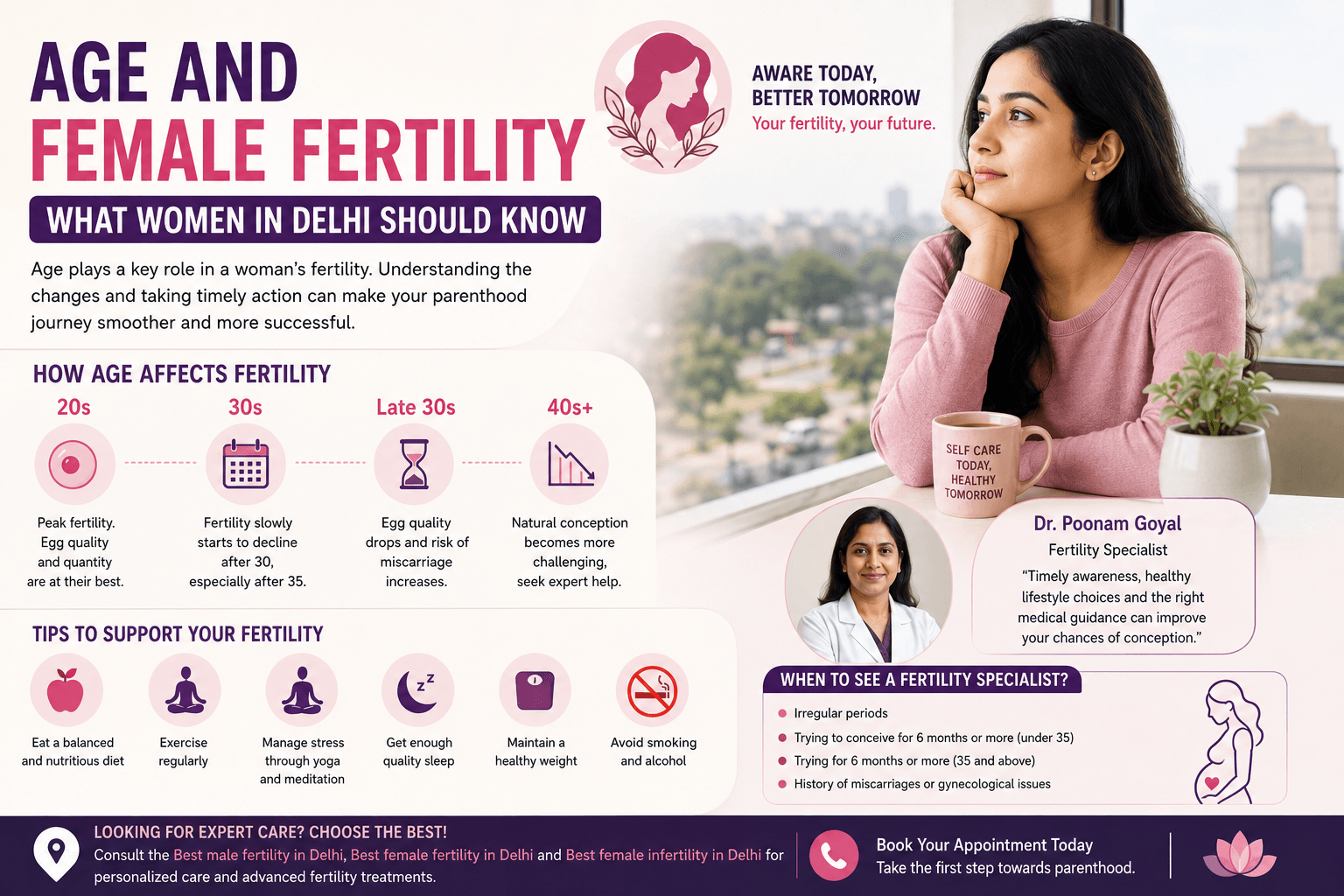
Research into human biology and dermatological studies suggests that women typically experience the most pronounced physical shifts associated with aging in three distinct "waves": the mid-30s, the early 50s, and the late 60s. These stages are driven by a complex interplay of hormonal fluctuations, collagen depletion, and the cumulative effects of cellular senescence.
Understanding the Concept of "Aging the Most"
When people ask about the age when women age the most, they are often conflating two different experiences: the internal biological decline and the visible, external changes in skin and tissue. From a clinical perspective, aging is not a linear process that occurs at a steady pace. Instead, scientific literature—including a prominent 2024 study published in Nature Aging—points to a "molecular shock" phenomenon where specific proteins and metabolites in the blood fluctuate significantly at certain life stages.
It is important to clarify that "aging" in this context refers to the biological aging of the proteome and metabolome, as well as the structural degradation of the skin’s extracellular matrix. This is not to imply that a woman’s value, vitality, or health suddenly diminishes; rather, these are the windows where the body’s repair mechanisms are most challenged.
The First Wave: The Mid-30s (Age 34)
The mid-30s represent the first major physiological shift for many women. During this stage, the body begins a transition in how it processes cellular repair.
Hormonal and Metabolic Shifts
In the early to mid-30s, the body experiences subtle but consequential changes in progesterone and estrogen levels. While this is not the onset of perimenopause, it is often when the first signs of reduced collagen production become visible. Collagen, the protein responsible for skin elasticity and structural integrity, begins to decline at a rate of approximately 1% per year from the mid-20s onward. By age 34, the cumulative effect of this loss begins to manifest as fine lines, particularly around the eyes and mouth.
Lifestyle and Cumulative Stress
This age bracket is often defined by peak life stress—balancing career progression, family demands, and often, sleep deprivation. From a physiological standpoint, oxidative stress accelerates cellular damage. The skin’s ability to recover from environmental damage, such as UV exposure, begins to wane. This is often the period when individuals notice that their skin’s "bounce back" time is slower than it was in their twenties.
The Second Wave: The Early 50s (Age 50–55)
The second, and perhaps most recognizable, stage occurs during the onset of menopause. This is a period of dramatic hormonal realignment that has systemic effects on the entire body.
The Impact of Menopause
Menopause marks the end of reproductive cycling, characterized by a significant drop in estrogen. Estrogen is not merely a reproductive hormone; it is a critical component in maintaining skin thickness, hydration, and bone density.
- Dermal Thinning: As estrogen levels plummet, the skin loses a significant amount of its thickness. Studies indicate that women can lose up to 30% of their skin collagen in the first five years following the start of menopause.
- Distribution of Adipose Tissue: The loss of estrogen also changes how the body distributes fat. Many women notice a loss of fullness in the face (the "fat pads" begin to shrink and descend) and an increase in adipose tissue around the midsection.
- Bone Density: This period also carries the risk of osteopenia or osteoporosis, as estrogen is essential for bone mineralization.
Systemic Physiological Changes
The Nature Aging study findings suggest that around age 55, there is a distinct shift in the cardiovascular and renal systems. The body's efficiency in clearing metabolic waste products changes, which can lead to increased systemic inflammation if not managed through nutrition and exercise.
The Third Wave: The Late 60s (Age 68)
The final "wave" identified in contemporary research occurs around age 68. By this stage, the body’s aging process is characterized by a decline in the efficiency of the immune system and a reduction in the body’s ability to manage DNA repair.
Cellular Senescence
At this age, the accumulation of "senescent cells"—often called "zombie cells"—becomes more prevalent. These are cells that have stopped dividing but do not die off, instead releasing inflammatory signals that affect surrounding healthy tissue. This leads to more noticeable systemic changes, including a loss of muscle mass (sarcopenia) and a greater reliance on the body’s compensatory mechanisms to maintain homeostasis.
Visible and Functional Changes
Visible changes at this stage are primarily related to deep structural shifts:
- Tissue Laxity: Ligaments and tendons lose elasticity, contributing to a change in posture and movement.
- Skin Fragility: The barrier function of the skin is weaker, leading to increased dryness, sensitivity, and slower wound healing.
- Metabolic Slower Pace: The basal metabolic rate decreases further, necessitating a recalibration of caloric intake and nutrient density to avoid excessive muscle loss.
Factors Influencing the Rate of Aging
It is critical to recognize that these ages—34, 55, and 68—are statistical averages. Individual aging is highly variable and influenced by several non-negotiable factors.
| Factor | Influence on Aging |
|---|---|
| Genetics | Determines cellular repair efficiency and baseline collagen levels. |
| UV Exposure | Responsible for 80% of visible extrinsic skin aging (photoaging). |
| Nutrition | High-sugar/processed diets accelerate "glycation," which damages skin proteins. |
| Sleep Quality | Deep sleep is the primary window for growth hormone release and cellular repair. |
| Physical Activity | Strength training is the most effective intervention for mitigating muscle loss. |
Strategic Approaches to Aging Well
Understanding that these specific ages are "danger zones" for accelerated aging allows for proactive intervention rather than reactive treatment.
Prevention in the 30s
The focus in the 30s should be on "preservation." This includes stringent photoprotection (SPF 50+), the introduction of topical retinoids to stimulate collagen synthesis, and establishing a baseline for cardiovascular fitness. The goal is to maximize the "collagen bank" before the hormonal shifts of the 50s arrive.
Management in the 50s
The 50s require a transition to "hormonal support and systemic maintenance." For many, this involves consultation with a medical professional regarding hormonal health. Nutritionally, increasing protein intake is vital to counter sarcopenia. Skincare shifts from prevention to correction, focusing on deep hydration and barrier repair.
Optimization in the 60s and Beyond
In the late 60s, the focus shifts to "functional longevity." Balance exercises, resistance training, and cognitive engagement become as important as skin treatments. Medical monitoring for age-related conditions is standard, and managing systemic inflammation through an anti-inflammatory diet becomes a primary pillar of health.
Frequently Asked Questions
Does stress really make you age faster? Yes. Cortisol, the primary stress hormone, has a catabolic effect on the body, meaning it can break down collagen and elastin. Prolonged elevation of cortisol has been linked to thinner skin and accelerated cellular senescence.
Is there a specific age when skin "collapses"? There is no singular age where skin "collapses," but the transition into menopause (early 50s) is often cited as the period of the most rapid change due to the sudden withdrawal of estrogen.
Can I reverse the aging that happens at these specific ages? You cannot fully reverse the chronological aging process, but you can significantly mitigate the visible and functional markers. Interventions like retinoids, consistent exercise, and adequate protein intake can maintain a much higher quality of function and appearance than would occur without them.
Are these ages the same for everyone? No. These ages represent clusters identified in large-scale studies. Individual experience varies significantly based on lifestyle, environment, genetics, and existing health conditions.
Should I use expensive anti-aging creams at these ages? Products that contain clinically proven ingredients like retinoids, vitamin C, peptides, and niacinamide are effective. However, the cost of a product is not always correlated with its efficacy. Focus on ingredients rather than brand prestige.
Next Steps for Targeted Health
If you are approaching or currently within one of these three age brackets, the most effective next step is to schedule a comprehensive health screening. For those in their 30s, focus on establishing a consistent dermatological routine. For those approaching their 50s, discuss the implications of hormonal shifts with your primary care provider or a gynecologist. For those in their 60s, prioritize a functional fitness assessment to ensure muscle and bone health are being adequately maintained. Aging is an unavoidable process, but understanding its timeline allows you to transition through these stages with greater control and preparedness.