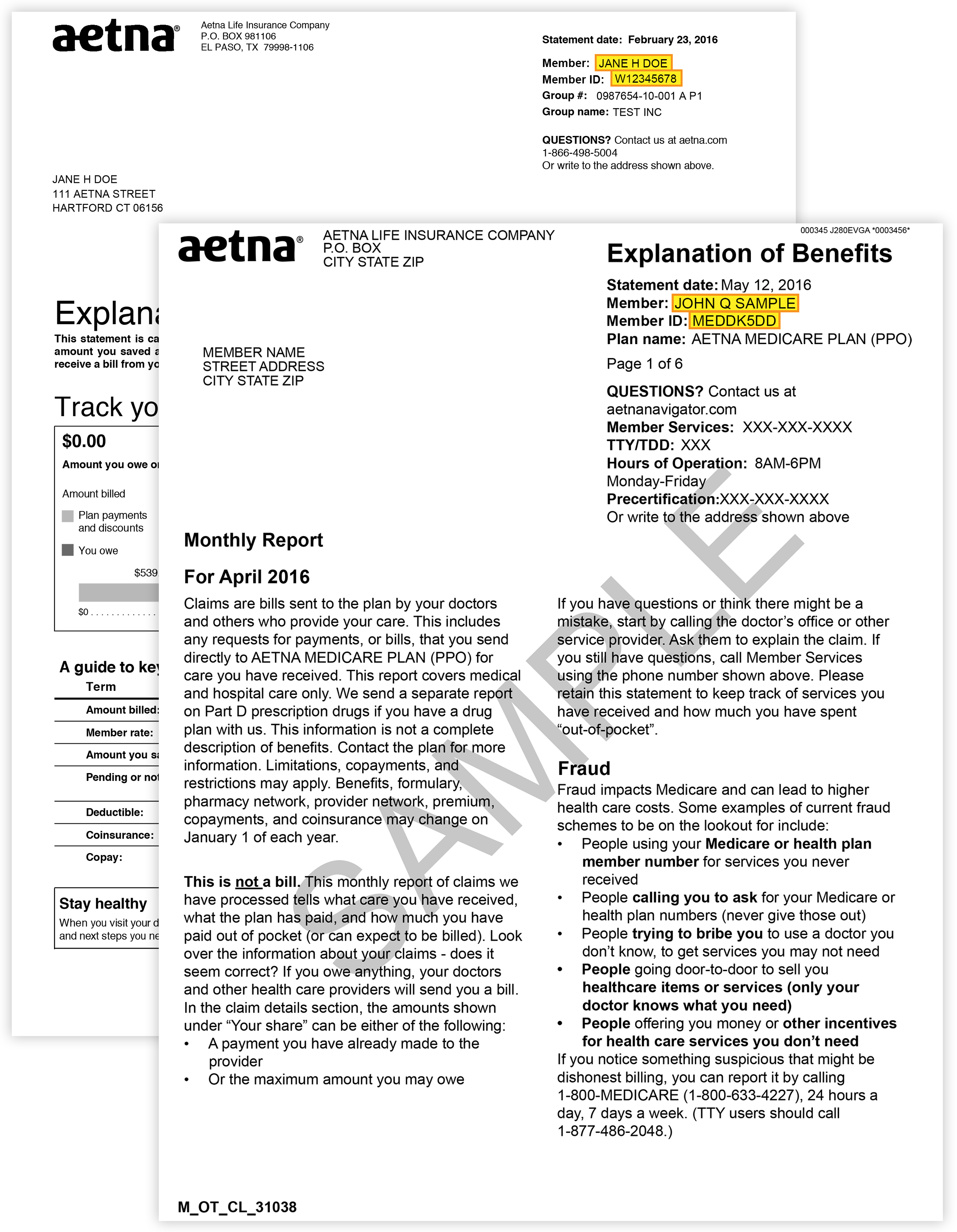
Aetna, a CVS Health company, is a prominent provider of health insurance and related benefits, but it does not currently issue standalone individual life insurance policies to the general public. Instead, its life insurance presence is primarily concentrated in employer-sponsored group life insurance plans, providing essential coverage as part of comprehensive corporate benefit packages for employees.
Understanding the Scope of Aetna’s Life Insurance Offerings
To understand "Aetna Life Insurance," one must first distinguish between the company's well-known medical health insurance business and its life insurance division. Aetna operates primarily as a health benefits provider. When an individual hears the term "Aetna Life Insurance," they are most often encountering a group policy provided by an employer.
Unlike insurance carriers that specialize in direct-to-consumer term or whole life policies, Aetna’s life insurance products are generally managed through corporate human resources departments. These are known as group term life insurance policies. The structure of these plans is inherently different from individual policies; they are usually bundled with other benefits such as disability income insurance, dental coverage, and medical plans.
The Mechanism of Group Term Life Insurance
The primary product offered under the Aetna umbrella is group term life insurance. This is a form of coverage that provides a death benefit to a beneficiary if the insured employee passes away during the term of their employment.
- Eligibility: Coverage is restricted to active, full-time employees who meet the specific requirements set by their employer’s benefits plan.
- Premiums: Costs are often subsidized or fully covered by the employer, though employees may have the option to purchase supplemental coverage through payroll deductions.
- Portability: Many Aetna-administered group policies include "portability" or "conversion" rights. This means that if you leave your job, you may be able to transition your group coverage into an individual policy, though this often comes with a significant increase in premiums compared to group rates.
Differentiating Aetna from Other Carriers
The insurance market is segmented into several types of providers. Consumers often confuse Aetna’s extensive healthcare network with the life insurance market. It is vital to recognize that Aetna does not offer "final expense," "universal life," or "cash-value whole life" products to individual retail buyers.
| Feature | Aetna (Group) | Individual Life Insurance |
|---|---|---|
| Availability | Through employer only | Available via brokers/direct |
| Underwriting | Often guaranteed issue | Usually requires medical exam |
| Premium Source | Payroll deduction | Direct billing |
| Portability | Limited (Conversion/Portability) | Fully portable |
| Primary Goal | Income replacement | Estate planning/Long-term savings |
Evaluating Your Coverage Through Aetna
If you are currently enrolled in a life insurance plan through Aetna, you have specific administrative responsibilities to ensure that your beneficiaries are protected. Because these policies are employer-sponsored, the "master policy" is held by the company, and you are the "certificate holder."
How to Access and Review Your Policy
You should not rely on memory regarding your coverage amounts. Because life insurance needs change as you age or as your family structure changes, regular reviews are necessary.
- The Summary Plan Description (SPD): This is your most important document. It outlines exactly what your coverage includes, such as Accidental Death and Dismemberment (AD&D) riders, and the specific terms under which benefits are paid.
- Beneficiary Designations: One of the most common mistakes employees make is failing to update their beneficiary information after a life event, such as marriage, divorce, or the birth of a child. Aetna provides portals through which employees can manage these designations. Ensure that your primary and contingent beneficiaries are clearly listed to avoid legal delays during the claims process.
- Evidence of Insurability (EOI): If you opt for supplemental life insurance beyond the employer-paid base amount, you may be required to complete an EOI form. This is a brief medical questionnaire. In some cases, if you miss your initial enrollment window, you will be required to provide medical proof of insurability to obtain the higher coverage amount later.
Steps for Beneficiaries: Filing a Claim
In the event of a loss, the process for filing a claim under an Aetna-administered life insurance policy is coordinated through the employer.
- Notification: The employer or the human resources department is the first point of contact. They provide the necessary claim forms and submit the notice of death to the insurance administrator.
- Documentation: You will need a certified copy of the death certificate. Ensure you have several copies on hand, as multiple entities will require them.
- Processing: Once the claim form and the death certificate are submitted to the insurance provider, the claims department reviews the policy status. This process typically takes several weeks, provided that all information is complete.
- Payout: Benefits are usually paid in a lump sum to the designated beneficiary, typically tax-free in accordance with IRS rules regarding death benefits.
Common Limitations and Operational Constraints
When relying on Aetna group life insurance, there are critical limitations to keep in mind. These are standard across the group life industry but are frequently overlooked by policyholders.
- Termination of Employment: The most significant risk is that coverage usually terminates when employment ends. While you may have a conversion privilege, it is rarely as cost-effective as the group rate you enjoyed while employed.
- Benefit Caps: Group policies often have a cap on the maximum amount of coverage you can purchase, regardless of your personal financial needs or income level.
- The "Age-Band" Factor: As you get older, the cost of supplemental life insurance—if you pay for it—often increases. Your payroll deductions may rise annually or in five-year increments as you enter higher age brackets.
Frequently Asked Questions
Does Aetna offer life insurance for children or spouses?
Many Aetna group plans offer "dependent life insurance" as an optional rider. This allows you to purchase a small, fixed amount of coverage for your spouse and children through your paycheck. Review your employer’s benefits portal to see if this is an active election for your plan.
Can I keep my Aetna life insurance if I retire?
Most employer-sponsored group life insurance terminates at retirement. Some employers offer a reduced "retiree life insurance" benefit, but this is a decision made by your employer, not the insurance company. Check your SPD to see if a post-retirement benefit exists.
What is the difference between term and whole life in this context?
Aetna’s group offerings are almost exclusively term life. This means the policy provides coverage only for the duration of the policy term (your employment) and does not accumulate cash value or serve as an investment vehicle.
How do I know if I have AD&D coverage?
Accidental Death and Dismemberment (AD&D) is often bundled with group life insurance. This provides additional benefits if a death or specific injury is the result of an accident. Check your benefits summary; if you see "AD&D" listed next to your life insurance election, you have this coverage.
Is the death benefit taxable?
Generally, life insurance death benefits paid to a beneficiary are not subject to federal income tax. However, you should consult with a tax professional regarding your specific situation, as there are exceptions related to how the policy was funded or if the policy was transferred for value.
Can I increase my coverage amount mid-year?
Typically, you can only change your life insurance coverage amounts during the annual Open Enrollment period, unless you experience a "Qualified Life Event," such as marriage, birth, or adoption.
Practical Guidance for Financial Planning
Do not view your employer-provided Aetna life insurance as a complete financial strategy. Because it is tied to your employment, it is inherently unstable—you could lose the coverage if you change jobs, are laid off, or if your employer decides to switch insurance carriers to a different provider.
A prudent financial approach involves using your group coverage as a foundation but supplementing it with an individual term life insurance policy that is not tied to your workplace. An individual policy stays with you as long as you pay the premiums, offering a layer of protection that is independent of your career path. Always conduct an annual "insurance audit" where you compare your current debt, future obligations, and your existing coverage to ensure your family remains adequately protected regardless of your employment status.