Aetna health insurance coverage encompasses a diverse array of medical, dental, and pharmacy plans designed to support policyholders across the United States. Navigating these benefits requires understanding your specific plan type—such as HMO, PPO, or EPO—and utilizing digital tools to verify network participation, manage out-of-pocket costs, and ensure prior authorization for specialized procedures.
The Structure of Aetna Health Insurance Plans
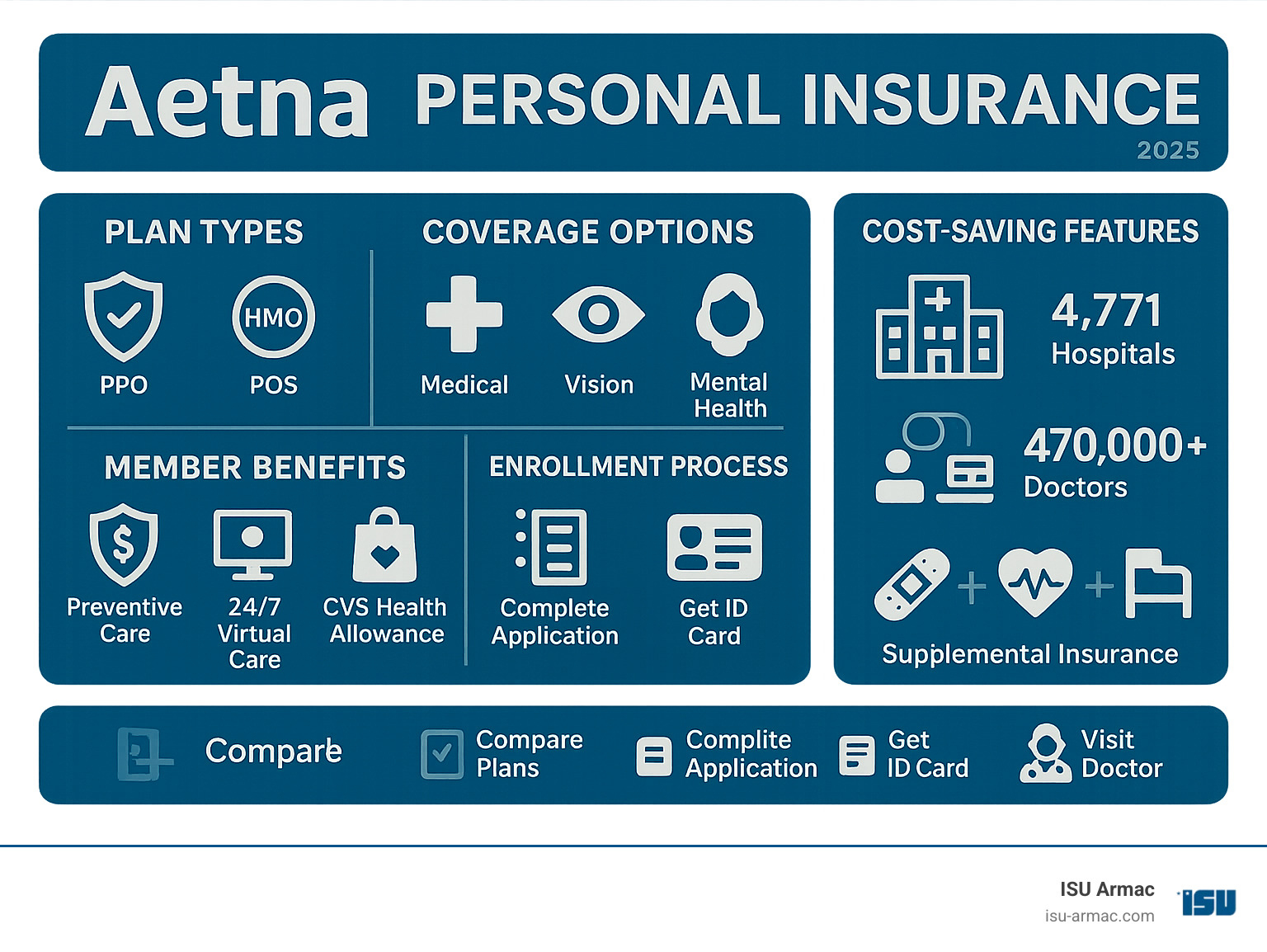
Aetna, a CVS Health company, provides health coverage that operates through a network of contracted healthcare providers. Understanding your specific plan structure is the most critical step in managing your coverage. Because Aetna offers various plan designs, the rules governing how you access care, the necessity of referrals, and the financial responsibility you bear will change significantly based on your selected product.
HMO (Health Maintenance Organization)
An HMO plan generally requires you to choose a primary care physician (PCP) who acts as your point of entry for all medical services. If you need to see a specialist, you must typically obtain a referral from your PCP. Costs in an HMO are generally lower, but the coverage is largely confined to the Aetna provider network, except in true medical emergencies.
PPO (Preferred Provider Organization)
PPO plans offer more flexibility. While you have a network of "preferred" providers who charge lower rates, you are not strictly required to see a PCP, nor do you generally need referrals to see specialists. You have the freedom to seek care out-of-network, though this will usually result in higher out-of-pocket costs compared to utilizing in-network facilities.
EPO (Exclusive Provider Organization)
An EPO plan functions as a hybrid. Like an HMO, it typically restricts coverage to in-network providers. However, like a PPO, it often does not require you to select a primary care physician or obtain referrals to see specialists. It is a middle-ground option for those who want lower premiums but are comfortable with a restricted provider list.
HDHP (High Deductible Health Plan)
Often paired with a Health Savings Account (HSA), an HDHP features a higher deductible but lower monthly premiums. This structure is intended for individuals who want to save for future medical expenses tax-free and have protection against major medical events.
Verifying Coverage and Network Status
One of the most frequent challenges for policyholders is determining whether a specific service, medication, or healthcare provider is covered. Reliance on outdated information can lead to unexpected billing.
Using the Aetna Member Portal
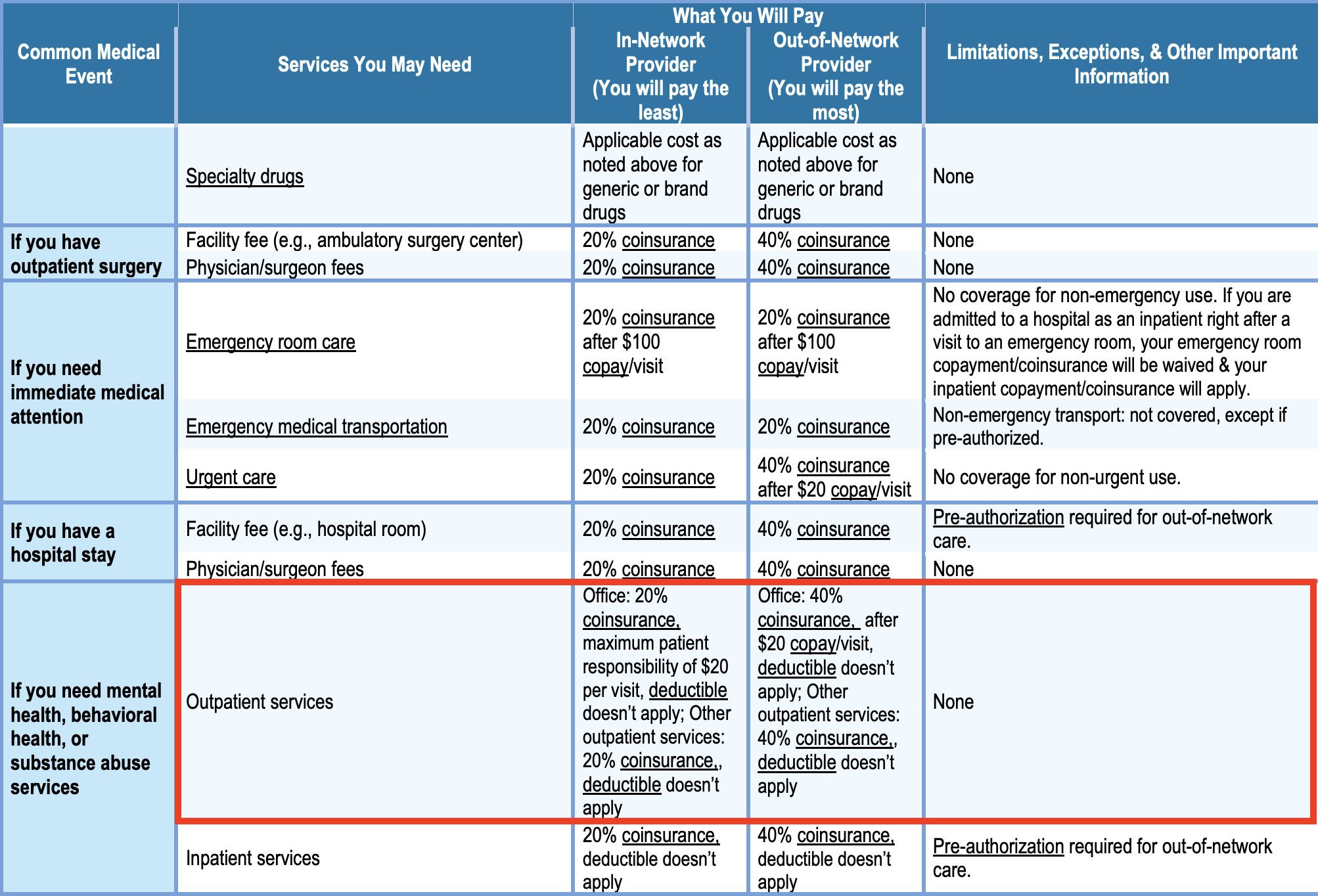
The Aetna member portal serves as the primary hub for verifying coverage. By logging into your account, you can access your Summary of Benefits and Coverage (SBC). This document is legally required to outline your deductibles, copayments, coinsurance, and out-of-pocket maximums. You can also use the "Find a Doctor" tool, which is updated regularly, to search for providers based on your specific plan name. Always cross-reference the digital directory by calling the doctor’s office directly to confirm they are still accepting your specific Aetna plan, as provider network participation can change throughout the year.
The Role of Prior Authorization
Certain treatments, surgeries, and high-cost medications require prior authorization. This is a process where your healthcare provider must submit a request to Aetna to confirm that the proposed treatment is medically necessary and covered under your specific policy. Failing to obtain prior authorization when it is required can result in the claim being denied, leaving you responsible for the full cost of the service.
Cost Management: Premiums, Deductibles, and Copays
Understanding the financial mechanics of your health insurance is essential for long-term health budgeting. Every policyholder should be familiar with four key financial terms that dictate their out-of-pocket exposure:
- Premium: The fixed amount you pay (or is deducted from your paycheck) every month to maintain your health insurance coverage.
- Deductible: The amount you must pay for covered healthcare services before your insurance plan begins to pay.
- Copayment (Copay): A fixed amount you pay for a covered healthcare service, usually when you receive the service (e.g., $30 for a doctor’s visit).
- Coinsurance: Your share of the costs of a covered health care service, calculated as a percentage of the allowed amount for the service. For example, if your coinsurance is 20%, you pay 20% of the bill, and Aetna pays the remaining 80%.
Out-of-Pocket Maximums
The out-of-pocket maximum is the most important financial safety net in your policy. It represents the total amount you will be required to pay for covered services in a single plan year. Once you reach this limit, Aetna pays 100% of the allowed amount for covered services for the remainder of the year. This is particularly vital for individuals managing chronic conditions or planning for major procedures.
Comparison of Coverage Features
| Feature | HMO Plan | PPO Plan | EPO Plan |
|---|---|---|---|
| PCP Required | Yes | No | No |
| Referrals Needed | Yes | No | No |
| Out-of-Network Coverage | None (except emergency) | Yes (higher cost) | None (except emergency) |
| Monthly Premium | Generally Lower | Generally Higher | Moderate |
Troubleshooting Common Coverage Issues
If you encounter a denied claim or find that a service was billed incorrectly, there is a formal process for resolution.
- Review the Explanation of Benefits (EOB): An EOB is not a bill. It is a document that explains how Aetna processed a claim, what amount the provider billed, what the plan paid, and what you owe. If a claim was denied, the EOB will provide a specific reason code.
- Contact the Provider’s Billing Office: Often, what appears to be a coverage issue is a simple administrative error, such as an incorrect billing code or a provider submitting the claim to the wrong Aetna department.
- Initiate an Appeal: If you believe a service was covered but denied in error, you have the right to file an appeal. The EOB will outline the steps for the internal appeals process, which typically involves submitting additional documentation from your doctor to prove medical necessity.
Important Considerations for 2026
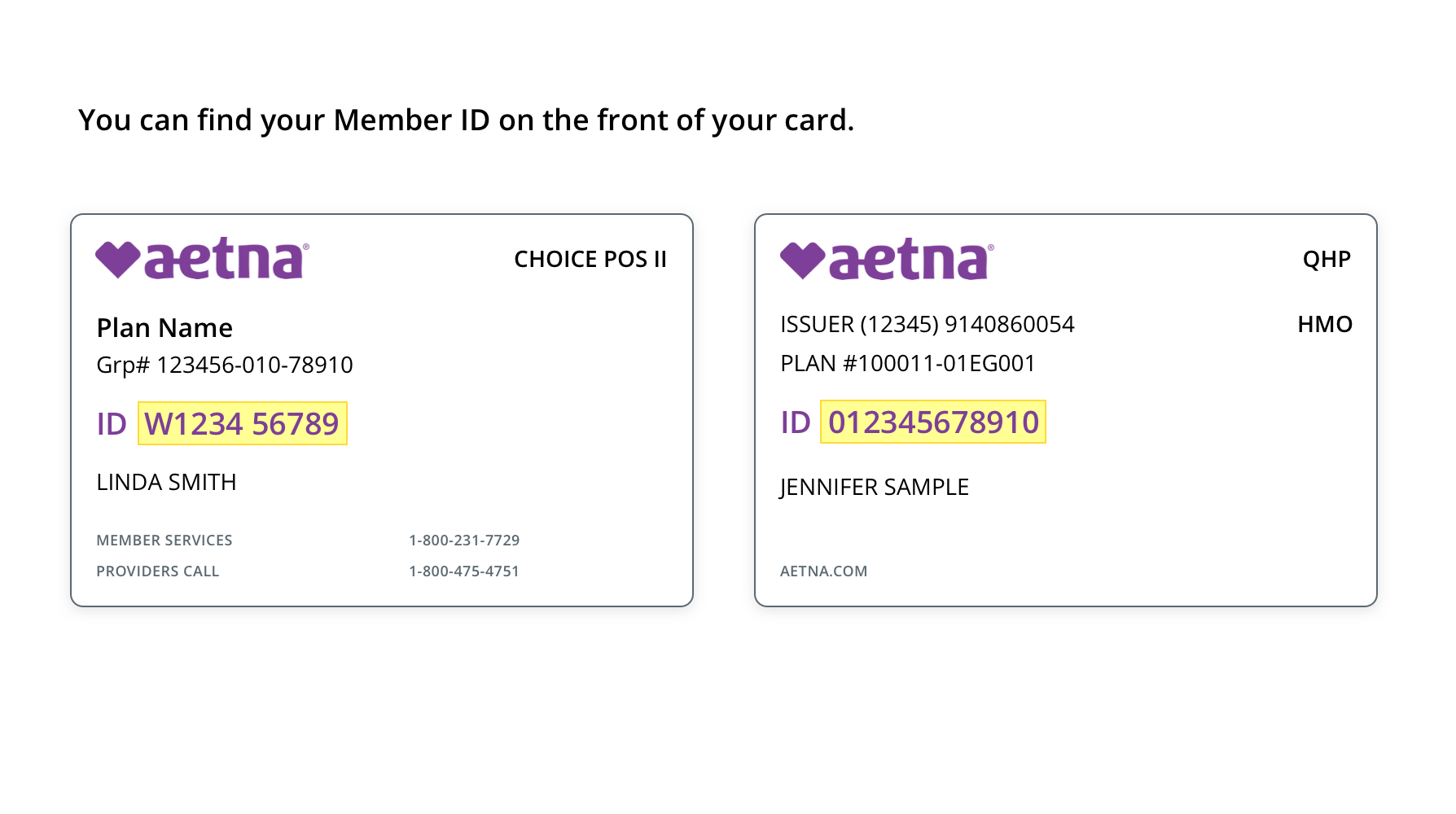
As of 2026, healthcare regulations continue to emphasize transparency. Aetna, like other major insurers, is subject to the No Surprises Act, which provides federal protections against surprise medical bills when you receive emergency services or are treated by an out-of-network provider at an in-network facility. If you believe you have received a surprise bill, you should contact the Aetna customer service number listed on the back of your member ID card before paying the balance.
Furthermore, ensure your contact information—including your mailing address and email—is current in the Aetna portal. Insurers use this information to send critical updates regarding changes to your benefits, network availability, and annual enrollment deadlines.
Frequently Asked Questions
How do I check if my doctor is in-network with my Aetna plan? You should use the "Find a Doctor" tool on the Aetna member website. Once you select your specific plan, the tool will filter providers accordingly. Always call the provider’s office to confirm they are still participating in your network before scheduling your appointment, as provider status can change at any time.
What should I do if a pharmacy tells me my medication is not covered? Check the Aetna "Drug Formulary" (a list of covered drugs) available on the member portal. If your medication is not on the list or requires "step therapy," contact your physician. They may need to submit a request for a formulary exception or provide clinical data to demonstrate why a lower-cost alternative is not suitable for your condition.
Does my Aetna coverage apply if I travel outside my state? If you have an HMO plan, your coverage is generally restricted to your home network, except for emergencies. PPO plans typically offer more flexibility and may cover services received from providers in the Aetna national network. Always check your specific plan documents regarding "guest membership" or travel benefits before leaving your home region.
What is the difference between a deductible and an out-of-pocket maximum? The deductible is the initial amount you pay toward medical costs before your insurance starts contributing. The out-of-pocket maximum is the total "ceiling" you will pay in a year, including your deductible, copays, and coinsurance. Once you hit this ceiling, the plan pays for your covered medical costs for the rest of the year.
How can I get a replacement Aetna ID card? You can view and print a digital version of your ID card directly from the Aetna mobile app or the secure member portal. If you prefer a physical card, you can request one to be mailed to your address on file through the same online channels.
Next Steps for Policyholders
To maximize the value of your Aetna health insurance, prioritize your preventative care. Most plans cover annual physicals, routine vaccinations, and screenings at 100% when performed by an in-network provider. Scheduling these appointments early in the year ensures you stay on top of your health while avoiding costs. Regularly monitor your EOBs via the member portal to ensure you understand your financial obligations and can address any billing errors immediately. By staying informed and proactive, you can effectively navigate your coverage and minimize unexpected healthcare expenses.