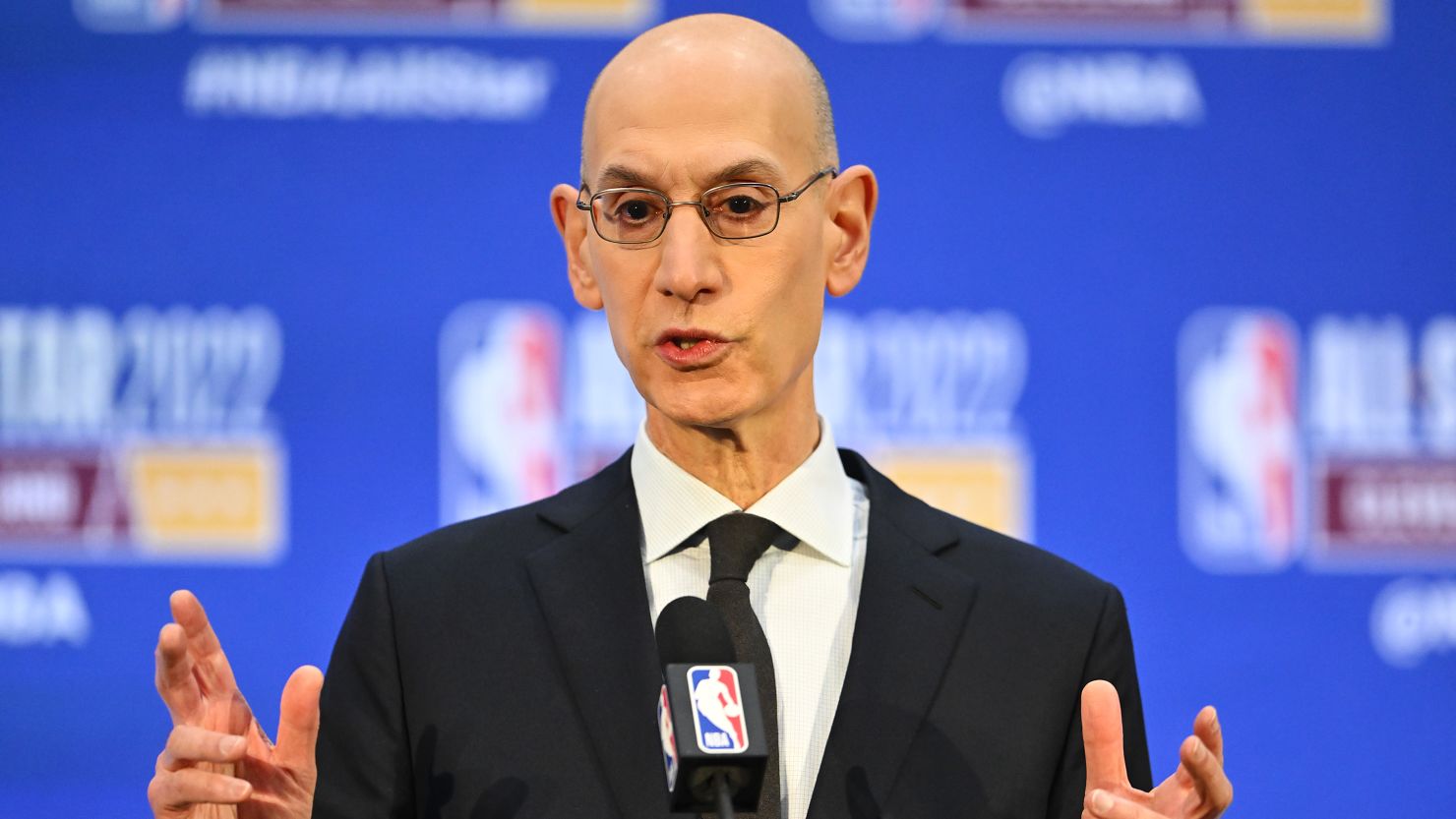
Adam Silver serves as the fifth commissioner of the National Basketball Association (NBA), a position he has held since February 1, 2014. As the chief executive of the league, Silver oversees global operations, manages relationships with team owners and the National Basketball Players Association (NBPA), and directs the strategic expansion of the NBA’s media, digital, and international footprints. His tenure is characterized by a focus on technological integration, social advocacy, and the globalization of basketball as a premier professional sport.
Professional Background and Early Career
Born in Rye, New York, in 1962, Adam Silver’s path to the commissioner’s office was rooted in law and organizational management. He earned a Bachelor of Arts degree from Duke University in 1984 and a Juris Doctor degree from the University of Chicago Law School in 1988. Before joining the NBA, Silver practiced law at the firm Cravath, Swaine & Moore LLP, where he focused on litigation and media-related legal matters.
Silver joined the NBA in 1992, initially serving as the special assistant to the commissioner and the league’s chief of staff. Over the next two decades, he ascended through various leadership roles, including senior vice president and COO of NBA Entertainment, president and COO of NBA Entertainment, and ultimately the deputy commissioner and COO of the league under his predecessor, David Stern. This extensive tenure provided him with a comprehensive understanding of the league’s broadcasting contracts, sponsorship landscape, and labor relations.
Core Responsibilities and Organizational Governance
As commissioner, Adam Silver’s mandate is defined by the NBA Constitution, which grants the office authority over the league’s administrative, commercial, and regulatory functions. His role is multifaceted, requiring a balance between the competing interests of 30 franchise owners and the labor force represented by the NBPA.
Strategic Media and Digital Transformation
One of the defining features of Silver’s leadership has been the aggressive pursuit of digital innovation. Recognizing the shift in media consumption, he has championed initiatives to distribute content through non-traditional channels, including social media partnerships and the development of the NBA League Pass streaming platform. By prioritizing accessibility, the league has expanded its audience reach, particularly among younger demographics who consume content via short-form highlights and mobile applications.
Labor Relations and Collective Bargaining
Silver acts as the lead negotiator for the league during collective bargaining negotiations. His approach to labor relations is often described as collaborative, prioritizing long-term stability and revenue growth over short-term disputes. His ability to navigate the complex economic landscape of the salary cap, luxury tax, and basketball-related income (BRI) has resulted in several successful labor agreements that have kept the league operational without major work stoppages during his tenure.
Key Initiatives and Policy Frameworks
Under Silver’s leadership, the NBA has implemented several structural changes designed to enhance competitive balance and ensure the integrity of the game.
- The In-Season Tournament: Introduced as the NBA Cup, this initiative was designed to inject high-stakes competition into the early months of the regular season, providing fans with meaningful games while increasing national broadcast value.
- Load Management Policies: To address concerns regarding player participation, Silver oversaw the implementation of stricter participation policies. These rules discourage healthy players from resting during marquee, nationally televised games, aiming to protect the value of the fan experience.
- Social Advocacy: The league has maintained a public stance on social justice issues. Silver’s leadership during the 2020 NBA "Bubble" in Orlando—held amidst the COVID-19 pandemic—included the prominent display of social justice messaging, highlighting the league's willingness to integrate contemporary societal values into its platform.
Comparison of NBA Commissioner Priorities
| Focus Area | Objective | Primary Stakeholders |
|---|---|---|
| Globalization | Expand viewership in international markets | Global fans, corporate partners |
| Media Rights | Maximize broadcast and digital revenue | Network partners, team owners |
| Player Welfare | Balance performance with physical longevity | Players, coaching staffs, medical teams |
| Integrity | Maintain fairness and competitive balance | Fans, betting partners, internal regulators |
Globalization of the Game
International expansion remains a cornerstone of the NBA’s long-term strategy under Silver. This involves not only exporting NBA games through initiatives like the Global Games, where teams play regular-season or preseason contests in international markets, but also investing in regional basketball development. Through programs such as Basketball Without Borders, the league supports infrastructure and coaching in Africa, Asia, and Europe. This strategy has successfully increased the influx of international talent into the NBA, with a significant percentage of All-Star caliber players now originating from outside the United States.
Challenges and Controversies
No tenure as high-profile as that of an NBA commissioner is without challenge. Silver has navigated periods of intense public scrutiny, including:
- The 2019 China-NBA Controversy: A complex diplomatic situation arose following a tweet by an NBA team executive. Silver faced the difficult task of balancing the league’s commitment to freedom of expression with the financial and operational realities of the Chinese market.
- The COVID-19 Pandemic: The sudden suspension of the 2019-2020 season in March 2020 presented an existential threat to league revenue. Silver’s orchestration of the "Bubble" is widely regarded as a technical and logistical success that saved the season and proved the viability of isolated environments for professional sports.
- Sports Betting Integration: With the legalization of sports wagering across many U.S. states, Silver has navigated the league’s transition into a betting-adjacent industry. This involves setting strict protocols to ensure the integrity of game outcomes remains uncompromised despite the influx of betting-related data and partnerships.
Governance and Regulatory Oversight
Silver is advised by a Board of Governors, which consists of the owners of the 30 NBA teams. Major changes to the league, such as rule modifications, team relocations, or franchise sales, require the approval of this board. Silver’s effectiveness is measured by his ability to maintain consensus among this diverse group of business magnates. His role requires a sophisticated understanding of corporate law, as the NBA operates as a complex joint venture where individual team autonomy must coexist with league-wide branding and financial regulations.
Frequently Asked Questions (FAQ)
1. How is the NBA commissioner selected? The commissioner is elected by the NBA Board of Governors. The selection process typically involves a search committee composed of team owners who identify candidates with strong backgrounds in law, business, and sports management.
2. What is the scope of Adam Silver’s disciplinary authority? Silver possesses the authority to levy fines, suspend players or team staff, and recommend the termination of ownership for actions that are detrimental to the best interests of basketball or the NBA.
3. Does Adam Silver report to anyone? Yes, he reports to the NBA Board of Governors, which represents the collective ownership of the league’s 30 teams.
4. How has the salary cap changed under Silver? The salary cap has seen consistent growth during his tenure, largely driven by significant increases in national television rights agreements. The cap is determined by a formula based on the league’s total basketball-related income.
5. Is the commissioner involved in daily game officiating? While he does not officiate games, he oversees the Basketball Operations department, which manages the training, hiring, and evaluation of referees, as well as the implementation of the Replay Center and rule changes approved by the competition committee.
Next Actions and Further Research
For those interested in the ongoing business operations of the NBA, the primary source for official policy, financial structure, and structural governance remains the NBA’s official collective bargaining agreement documents. Fans and analysts looking to track the league’s current progress should monitor the NBA’s official press releases and quarterly business reports, which provide verifiable data on growth, revenue metrics, and policy changes as they are formally adopted by the league.