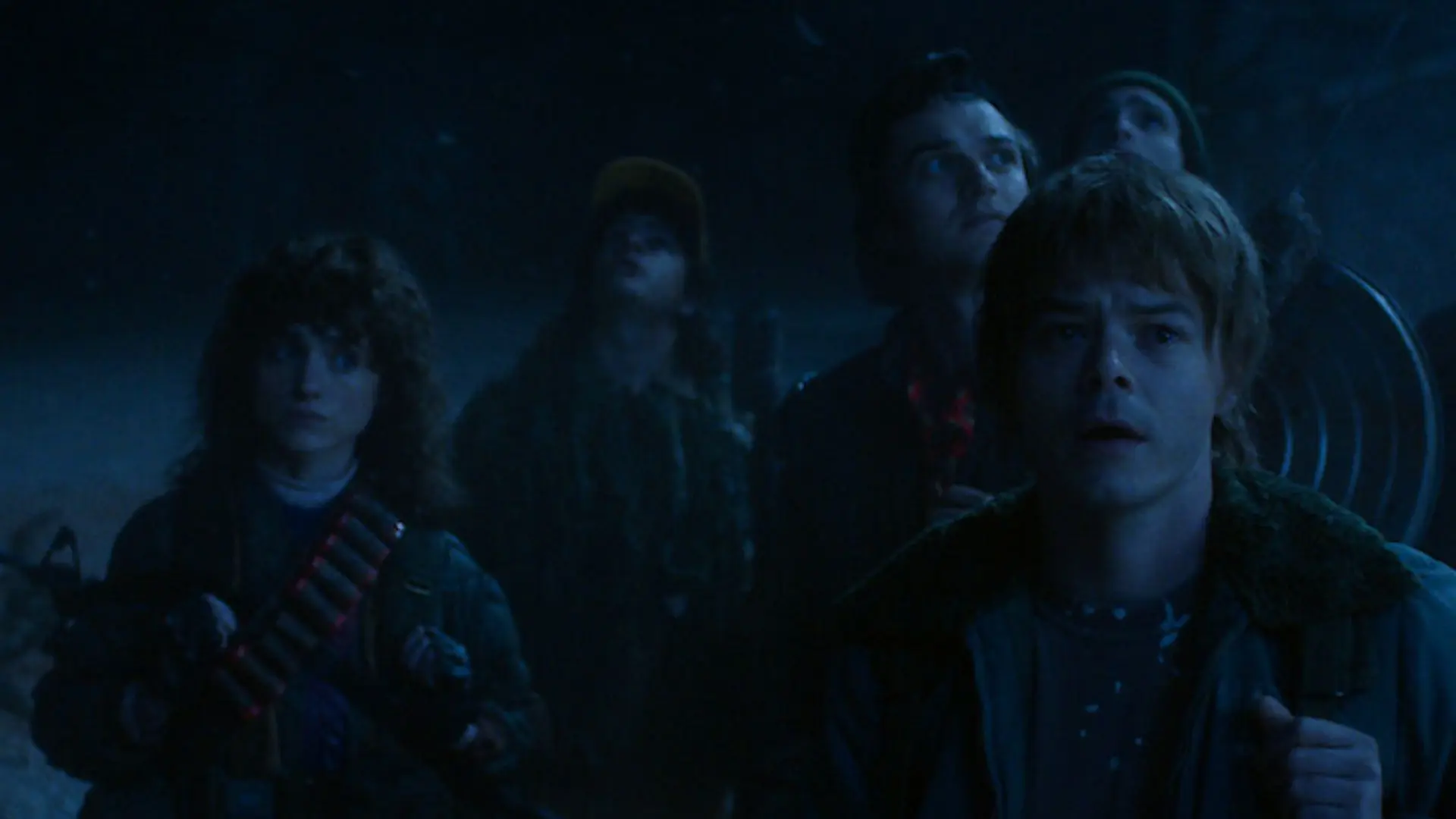
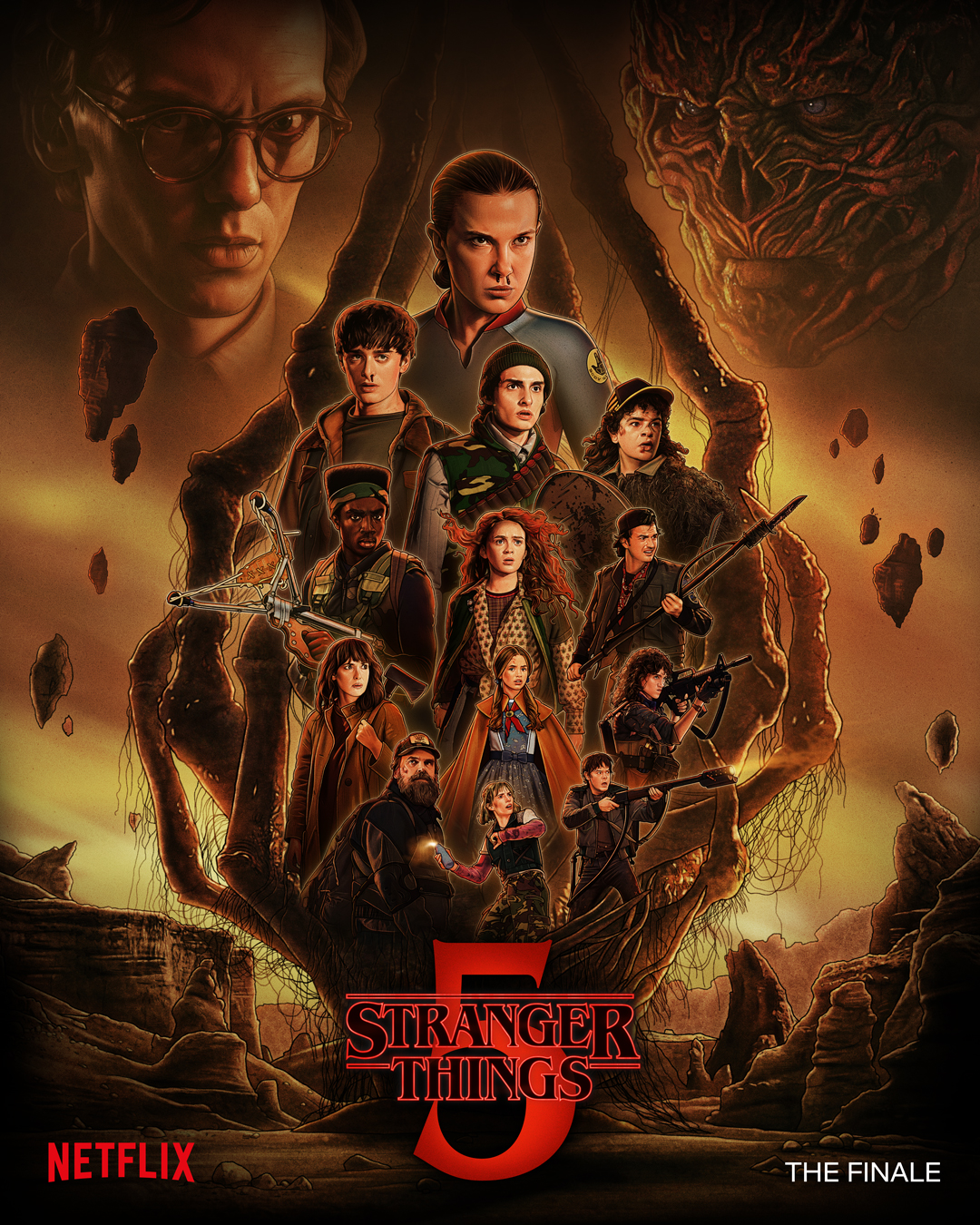
The 2026 release of Scary Movie 6 attempts to recapture the franchise's golden age by parodying Stranger Things, but it fails due to dated cultural references, a tonal mismatch between sci-fi and slasher comedy, and a redundant "nostalgia-on-nostalgia" approach that lacks the sharp edge of the original films.
The return of the Scary Movie franchise in 2026 was met with immense anticipation, particularly with the involvement of the original creative team. However, the decision to center the narrative on a Stranger Things parody—a show that concluded its primary run before the film's production—has sparked significant debate among fans and critics. While the film attempts to blend the supernatural mystery of Hawkins with the slapstick, irreverent humor of Cindy Campbell’s world, the execution often feels like a missed opportunity.
Understanding why this specific crossover fails requires looking at the evolution of horror parody, the shift in audience sensibilities over the last decade, and the inherent difficulties in spoofing a property that is itself a tribute to an earlier era. Below are the six primary reasons the Scary Movie 6 and Stranger Things crossover misses the mark.
1. The Saturation of "Nostalgia on Nostalgia"
One of the most significant hurdles for Scary Movie 6 is the "Nostalgia Paradox." Stranger Things became a global phenomenon precisely because it was a meticulously crafted love letter to 1980s cinema, pulling from the works of Spielberg, Carpenter, and King. When Scary Movie 6 attempts to parody it, the film ends up spoofing a show that is already a pastiche.
In the original Scary Movie (2000), the targets were contemporary slashers like Scream and I Know What You Did Last Summer. Those films were straightforward, modern-day entries in the genre. Parodying them was simple: you take the serious tropes and make them ridiculous. With Stranger Things, the tropes are already being handled with a wink and a nod to the audience. By trying to "make fun" of the 80s aesthetic through the lens of a 2020s parody, the humor becomes diluted. The jokes about walkie-talkies, mullets, and synth-pop feel decades late, largely because the source material had already reclaimed those elements with more charm and wit than a gross-out comedy can provide.
2. Timing and Cultural Irrelevance in 2026
The "Scary Movie" formula relies on being "of the moment." The best entries in the series felt like a frantic, R-rated recap of the last two years of pop culture. By 2026, Stranger Things has transitioned from a current cultural juggernaut to a legacy property. While the final season's release was a major event, the peak "meme-ability" of the show—the Eggo waffles, the "Justice for Barb" campaigns, and the Kate Bush resurgence—had already been processed by the internet years prior.
For a parody to land effectively, it needs to strike while the iron is hot. Parodying the "Upside Down" or Eleven’s nosebleeds in 2026 feels akin to parodying The Matrix in 2010. The audience has moved on to "elevated horror" or new viral sensations. While the film tries to compensate by throwing in nods to M3GAN or Smile, the structural backbone of the movie is tethered to a show that has already had its tropes picked apart by thousands of YouTube creators and TikTok comedians.
3. The Tonal Mismatch: Sci-Fi Mystery vs. Slasher Comedy
The Scary Movie franchise is built on the bones of the slasher subgenre. The original films worked because the stakes—a masked killer chasing teenagers—provided a perfect playground for physical comedy and suspense-based subversion. Stranger Things, however, is fundamentally a sci-fi mystery with high-concept stakes involving interdimensional monsters and government conspiracies.
When Scary Movie 6 swaps out the Ghostface mask for a "Demogorgon" parody, the physical comedy loses its punch. It is inherently funnier to see a human killer trip over a rug than it is to see a CGI monster engage in a fart joke. The cosmic horror of Stranger Things requires a level of world-building that clashes with the "gag-a-minute" pacing of a Wayans-style parody. The film spends too much time explaining its version of the "Upside Down" (renamed the "Backside Down" for a series of increasingly low-brow jokes) and not enough time on the character-driven satire that made the early 2000s films cult classics.
4. Character Caricatures Lacking "Cindy Campbell" Logic
In the original films, Anna Faris’s Cindy Campbell was the "straight woman" in a world of lunatics. Her earnestness made the surrounding absurdity work. In Scary Movie 6, the attempt to map the Stranger Things ensemble onto the Scary Movie archetype feels forced.
The "Eleven" stand-in is played for one-dimensional gags about her telekinetic powers, mostly involving her moving objects to perform mundane tasks or accidentally injuring her friends. However, because the Stranger Things kids are defined by their sincerity and friendship, mocking them feels mean-spirited rather than playful. The original Scary Movie mocked the "attractive, popular, but dumb" teens of 90s slashers—characters the audience was already predisposed to find annoying. Mocking the "nerdy, vulnerable outcasts" of Hawkins doesn't carry the same comedic payoff, leaving the audience feeling disconnected from the protagonists.
5. Over-Reliance on CGI Over Practical Parody
One of the hallmarks of the early Scary Movie films was their use of practical effects to subvert horror tropes. Whether it was the oversized "Wassup" tongues or the physical slapstick of Shorty Meeks, the humor was tactile.
Because Stranger Things is a visual effects-heavy show, Scary Movie 6 relies heavily on green screens and digital compositing to recreate the Hawkins aesthetic. This shift toward digital humor often falls flat. Comedy, particularly parody, thrives on timing and physical presence. When a character interacts with a CGI monster that is clearly added in post-production, the "edge" of the parody is lost. The film looks too polished and too expensive, which ironically makes it less funny. A parody of a big-budget show should ideally look a bit "cheap" to highlight the absurdity of the original’s self-importance, but Scary Movie 6 falls into the trap of trying to look as good as the show it is mocking.
6. The "Elevated Horror" Conflict
By 2026, the horror landscape has been dominated by "elevated horror" (films from A24, Jordan Peele, etc.). Stranger Things sits in a strange middle ground between blockbuster sci-fi and traditional horror. Scary Movie 6 tries to have it both ways: it wants to be a Stranger Things parody, but it also feels obligated to mock films like Hereditary, Barbarian, and Talk to Me.
This results in a fractured narrative. The movie constantly interrupts its own Stranger Things storyline to insert "elevated horror" vignettes that don't fit the 80s-inspired setting. The clash between the colorful, synth-heavy world of the Hawkins parody and the bleak, desaturated world of modern horror parody creates a disjointed viewing experience. The audience is never given enough time to settle into one satirical groove before the movie pivots to another, leaving the Stranger Things crossover feeling like a series of loosely connected sketches rather than a cohesive film.
Comparison: Franchise Success Factors vs. Scary Movie 6
The following table illustrates why the Stranger Things crossover in Scary Movie 6 struggles to meet the benchmarks set by the franchise's most successful entries.
| Feature | Original Scary Movie (2000) | Scary Movie 6 (2026) | Impact on Quality |
|---|---|---|---|
| Primary Target | Contemporary Slashers (Scream) | Legacy Sci-Fi (Stranger Things) | Mismatched genre tropes reduce comedic tension. |
| Cultural Timing | 1-2 years after target release | 4-10 years after target's peak | Outdated references feel stale to 2026 audiences. |
| Humor Style | Subversive Physical Comedy | CGI-Heavy Visual Gags | Digital effects distance the audience from the joke. |
| Protagonist | Relatable "Final Girl" (Cindy) | Caricature of "Eleven" | Lack of an emotional anchor makes gags feel hollow. |
| Visual Tone | Gritty, low-budget slasher look | Polished, high-budget sci-fi look | High production value hurts the "parody" feel. |
| Satirical Edge | Mocks industry cliches | Mocks fan-favorite characters | Mean-spirited humor toward beloved icons misses. |
Frequently Asked Questions
Is the original cast back for Scary Movie 6?
Yes, the 2026 revival features the return of several key players from the original films, including a focus on the creative direction of the Wayans brothers. While their presence provides a nostalgic boost, the script's reliance on Stranger Things tropes limits their ability to engage with more current horror trends that might have been more fertile ground for their specific brand of humor.
Why did they choose Stranger Things instead of a newer horror movie?
Stranger Things was chosen likely due to its massive brand recognition and the iconic nature of its imagery (the Christmas lights, the bikes, the Upside Down). However, as noted, the decision backfired because the show’s peak cultural relevance had passed by the time the film reached theaters in 2026, making the satire feel like an "internet explorer" meme—late to the party.
Does the film parody other 2020s horror movies?
Yes, the film includes segments parodying "elevated horror" hits and viral sensations like M3GAN. Unfortunately, these segments often feel like "interrupted" scenes within the larger Stranger Things framework, leading to a disjointed narrative that lacks the flow of the first two Scary Movie installments.
Is Scary Movie 6 still rated R?
The film maintains the franchise’s R-rated roots, featuring the gross-out humor and crude jokes that defined the series. However, many critics have noted that the "shock value" of 2000-era humor feels different in 2026, often coming across as dated rather than daring.
How does the "Upside Down" parody work?
In Scary Movie 6, the "Upside Down" is portrayed as a literal reflection of the characters' worst habits and embarrassing secrets. While the visual recreation of the vine-covered, ash-falling dimension is technically impressive, the jokes within it mostly revolve around physical mishaps and "stink" gags, which many viewers found repetitive after the first few minutes.
Practical Recommendation for Viewers
If you are a die-hard fan of the original Scary Movie trilogy and the Wayans brothers' style of comedy, Scary Movie 6 offers enough familiar beats to be worth a casual watch, preferably with a group of friends. However, if you are looking for a sharp, timely satire of the current horror landscape, you may find the Stranger Things focus to be a distracting and dated choice. For the best experience, go in expecting a series of disconnected sketches rather than a tight parody of a single film or show.