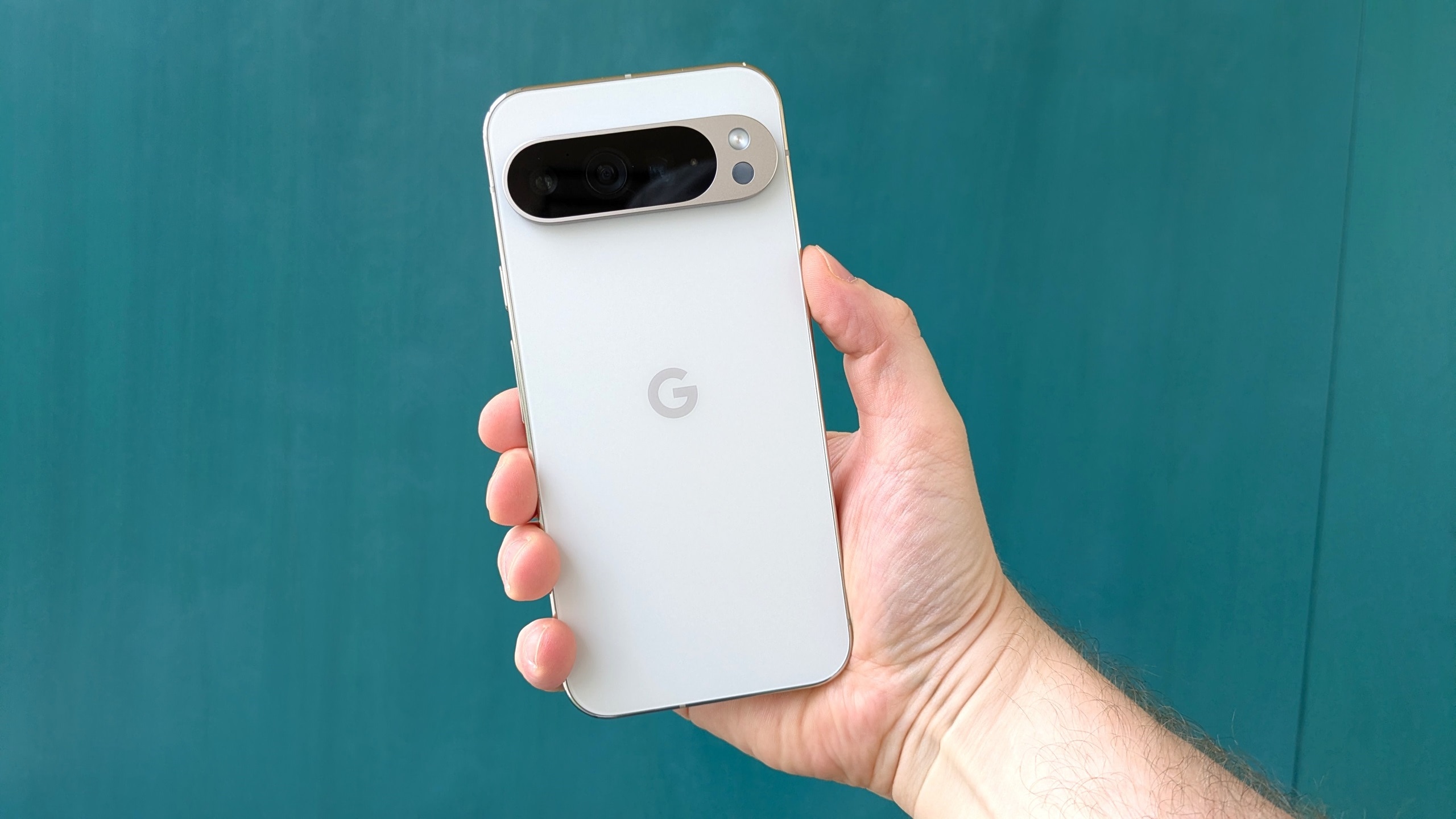
In 2026, choosing between the Google Pixel 3 and the Samsung Galaxy Note 9 depends on whether you prioritize a compact, software-refined experience or a large-screen productivity powerhouse. The Pixel 3 offers better software longevity (ending at Android 12) and superior still photography, while the Note 9 provides a more versatile hardware package, including the S-Pen, a headphone jack, and expandable storage.
The Reality of Flagships from 2018 in the Year 2026
When discussing the Google Pixel 3 and the Samsung Galaxy Note 9 in 2026, we are looking at two "legacy" devices that have far surpassed their original support cycles. Both were released in late 2018 and represented the pinnacle of mobile technology at the time. Today, they serve as excellent entry-level devices for children, secondary "emergency" phones, or specialized tools for enthusiasts who prefer older hardware features that have since vanished from the market.
However, using an eight-year-old smartphone comes with significant caveats. Battery degradation is the primary concern; unless the unit has had a professional battery replacement recently, the original lithium-ion cells are likely at less than 70% of their original capacity. Furthermore, official security updates for both devices ended years ago, making them less ideal for users who handle sensitive financial data without taking extra precautions, such as using custom ROMs or keeping the devices off public networks.
Design and Display: Small Form Factor vs. Infinite Screen
The physical difference between these two devices is the first thing any user will notice. The Google Pixel 3 was one of the last "small" flagships. It features a 5.5-inch P-OLED display with significant "forehead and chin" bezels. While these bezels look dated in 2026, they house high-quality front-facing stereo speakers that still outperform many modern mid-range phones. The Pixel 3 is incredibly easy to use with one hand, making it a favorite for those who find modern "pro max" phones cumbersome.
In contrast, the Samsung Galaxy Note 9 was a giant of its era and still feels substantial today. It features a 6.4-inch Super AMOLED display with a QHD+ resolution (1440 x 2960). Unlike the Pixel 3, the Note 9 lacks a notch or a hole-punch camera, instead using a slim top bezel to house its sensors. For media consumption in 2026, the Note 9 remains a superior choice due to its higher pixel density and more vibrant color reproduction. Samsung’s OLED panels from this era were industry-leading, and the Note 9’s screen supports HDR10, which still looks excellent when streaming high-definition content.
Performance and Memory: The Snapdragon 845 Bottleneck
Both the Pixel 3 and the Note 9 are powered by the Qualcomm Snapdragon 845 chipset (in the US market) or the Exynos 9810 (for international Note 9 units). In 2026, this processor is still capable of handling basic tasks like web browsing, social media, and light gaming. However, the divergence in RAM is where the Pixel 3 begins to struggle.
The Google Pixel 3 comes with only 4GB of RAM. In the modern app environment of 2026, 4GB is the absolute bare minimum. You will likely experience frequent "app kills," where the system closes background apps to free up memory, leading to slower multitasking. The Galaxy Note 9, however, was offered in 6GB and 8GB RAM configurations. The 8GB model, in particular, holds up surprisingly well today, allowing for smoother transitions between apps and better performance in memory-intensive tasks like photo editing or heavy web browsing with multiple tabs open.
Camera Quality: Computational Magic vs. Hardware Versatility
Google changed the industry with the Pixel 3’s camera. Despite having only a single 12.2MP rear lens, its use of "Night Sight" and HDR+ computational photography allowed it to trade blows with multi-lens systems for years. In 2026, the Pixel 3 still takes remarkably sharp, well-exposed still photos that often look more "natural" than the over-processed images produced by modern budget phones. If your primary goal is taking high-quality photos of stationary subjects, the Pixel 3 is the winner.
The Note 9 utilizes a dual 12MP setup with a unique variable aperture (f/1.5 or f/2.4) on the main sensor and a 2x optical zoom telephoto lens. While its processing is more aggressive—often smoothing skin tones more than some users like—it offers more versatility. The 2x zoom is useful for portraits, and the variable aperture helps in low-light conditions. However, the Note 9’s camera app can feel sluggish compared to the streamlined Google Camera experience on the Pixel.
Software and Ecosystem in 2026
Software support is perhaps the most critical difference for a user in 2026.
- Google Pixel 3: Its official life ended with Android 12. This is a significant advantage, as most modern apps in 2026 still support Android 12. The interface is "Stock Android," which is clean, fast, and devoid of bloatware.
- Samsung Galaxy Note 9: Official support ended at Android 10. This is a major drawback. In 2026, an increasing number of banking, security, and enterprise apps are dropping support for Android 10. While Samsung’s "One UI" offers more features (like a built-in screen recorder and better window management), the underlying OS version is increasingly a liability.
For both devices, the enthusiast community offers custom ROMs (like LineageOS) that can bring Android 13 or 14 to these handsets, but this requires technical knowledge and can sometimes break features like Google Pay or specific camera optimizations.
The Hardware "Extras": S-Pen, Storage, and Audio
This is where the Note 9 makes its strongest case. It was arguably the last Samsung flagship to "have it all."
- The S-Pen: The Note 9’s stylus features Bluetooth connectivity, allowing it to act as a remote shutter for the camera or a clicker for presentations. In 2026, it remains a niche but powerful tool for digital signatures, note-taking, and precision editing.
- Storage: The Pixel 3 has no expandable storage, capping out at 128GB. The Note 9 includes a microSD card slot, allowing you to add up to 512GB (or more) of additional space—a feature that has almost vanished from 2026 flagships.
- Headphone Jack: The Note 9 features a 3.5mm headphone jack, whereas the Pixel 3 requires a USB-C dongle or Bluetooth. For audiophiles or those who dislike charging wireless earbuds, the Note 9 is the clear choice.
- Biometrics: The Note 9 offers an iris scanner and a rear-mounted fingerprint sensor. The Pixel 3 relies solely on a rear-mounted fingerprint sensor (the "Pixel Imprint"), which is incredibly fast and reliable but lacks the secondary "Iron Man" feel of the iris scanner.
Comparative Specifications Table
| Feature | Google Pixel 3 | Samsung Galaxy Note 9 |
|---|---|---|
| Display | 5.5" P-OLED (1080p) | 6.4" Super AMOLED (1440p) |
| Processor | Snapdragon 845 | Snapdragon 845 / Exynos 9810 |
| RAM | 4GB | 6GB or 8GB |
| Storage | 64GB / 128GB (Fixed) | 128GB / 512GB (Expandable) |
| Rear Camera | 12.2MP Single | 12MP Main + 12MP Telephoto |
| Front Camera | Dual 8MP (Wide/Tele) | 8MP Single |
| Battery | 2,915 mAh | 4,000 mAh |
| Headphone Jack | No | Yes |
| Final OS | Android 12 | Android 10 |
| Unique Feature | Active Edge (Squeeze) | S-Pen Stylus |
Frequently Asked Questions
Is the Pixel 3 or Note 9 safe to use for banking in 2026?
Using these devices for banking in 2026 carries some risk because they no longer receive official security patches from Google or Samsung. If you choose to use them, ensure your apps are updated through the Play Store as long as they are supported, and avoid clicking on suspicious links. The Pixel 3 is slightly safer because it runs a newer version of Android (12 vs 10), which includes more built-in privacy protections.
Can I still find replacement batteries for these phones?
Yes, as of 2026, third-party batteries for both the Pixel 3 and Note 9 are still widely available through online marketplaces and independent repair shops. However, the Note 9 is generally considered slightly easier to service by professionals, whereas the Pixel 3's glass back is notoriously fragile during the opening process.
Does the S-Pen still work if the internal battery dies?
Yes. The S-Pen on the Note 9 uses an induction-based digitizer for writing and drawing, which does not require power from the internal capacitor. The battery/capacitor inside the S-Pen is only needed for Bluetooth "Remote" features. If the pen's battery fails, you can still write and draw perfectly fine.
Which phone is better for gaming in 2026?
The Galaxy Note 9 is the better gaming device, specifically the 8GB RAM model. The larger screen provides more room for controls, the thermal management was better designed for sustained loads, and the extra RAM prevents the game from crashing when you receive a notification or switch apps. However, do not expect to run high-end 2026 titles at anything above "Low" settings.
Does the Pixel 3 still have unlimited photo storage?
In 2026, the original "Original Quality" unlimited storage perk for the Pixel 3 has long since expired. However, Pixel 3 users may still have access to unlimited "Storage Saver" (formerly High Quality) uploads, depending on Google's current legacy policies. Check your Google Photos settings to verify the current status for your specific account.
Final Recommendation: Which Should You Buy?
Choosing between these two depends entirely on your specific use case for a legacy device in 2026.
Choose the Google Pixel 3 if:
- You want a small, pocketable phone that is easy to use with one hand.
- You prefer a clean, "unbloated" software experience.
- You prioritize still photography and want the benefits of Android 12's improved app compatibility.
- You want a dedicated "backup" phone that fits easily in a glovebox or emergency kit.
Choose the Samsung Galaxy Note 9 if:
- You need a large screen for watching videos or reading.
- You value hardware features like the headphone jack and microSD expansion.
- You will actually use the S-Pen for notes or as a camera remote.
- You are an enthusiast who doesn't mind the older Android 10 OS or is comfortable installing a custom ROM to modernize the software.
In the refurbished market of 2026, both devices are typically priced within $20 of each other. The Note 9 generally holds its value slightly better due to its "Swiss Army Knife" hardware appeal, while the Pixel 3 is the pragmatic choice for someone who just needs a functional, compact Android smartphone.