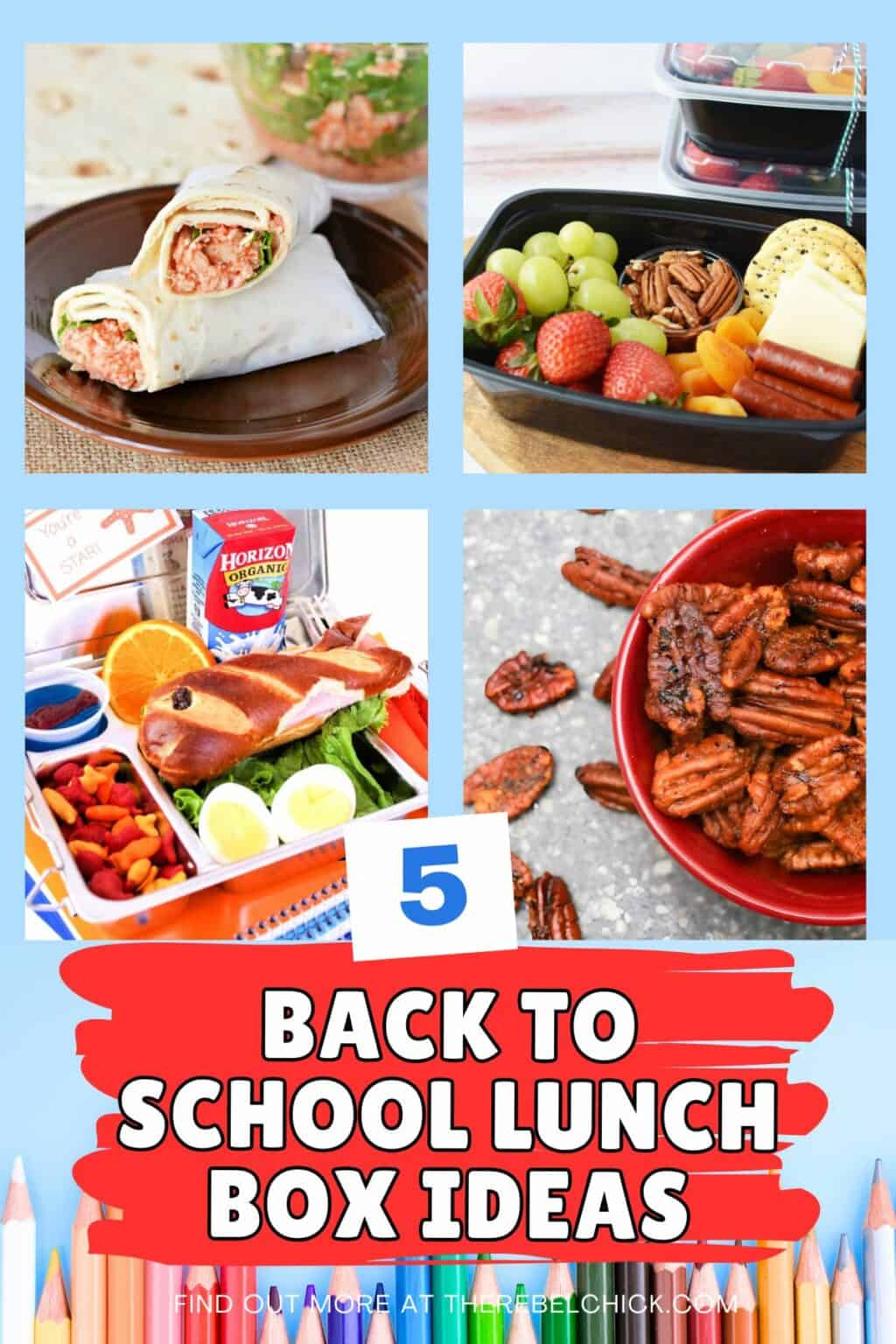
Packing school lunches that stay fresh, appeal to children, and fit into busy family routines requires a balance of nutritional mindfulness, creative variety, and smart preparation strategies. Modern households often juggle demanding schedules, diverse dietary preferences, and strict school allergy guidelines, making midday meal planning a daily challenge.
Moving beyond traditional sandwiches and processed snacks, these five fresh back-to-school lunch box ideas are designed to save time, reduce food waste, and provide balanced nutrition for growing minds and bodies. By focusing on customizable components, vibrant ingredients, and efficient batch-prep workflows, parents can transform the midday meal into something children genuinely look forward to eating while streamlining morning routines.
The Modern Lunch Box Challenge: Balancing Nutrition, Time, and Appeal
Packing school lunches has evolved far beyond the classic white-bread sandwich and a bag of potato chips. Modern families face a unique intersection of challenges: tight morning schedules, evolving nutritional standards, rigorous school allergen policies, and children who demand visual appeal and variety in their meals. When a lunch box comes home half-full, it often signals that the food was either unappealing, too difficult to eat within a short school lunch period, or simply uninspiring.
Addressing this challenge requires a systemic approach to meal planning. Rather than treating each day as an isolated event, successful modern parents view the weekly lunch rotation as a modular system. Ingredients are prepped in batches, components are cross-utilized across breakfasts and dinners, and containers are chosen for their ability to keep hot foods hot and cold foods crisp. This structural shift not only saves precious minutes during the morning rush but also ensures that children receive a balanced mix of macronutrients—complex carbohydrates, lean proteins, and healthy fats—necessary for sustained afternoon focus and energy.
Furthermore, involving children in the selection and assembly process transforms the lunch box from a mystery package into an engaging culinary experience. When kids have a voice in choosing their vegetables, dips, and grains, they show significantly higher rates of consumption and a greater willingness to try new flavors. The following five ideas provide a blueprint for practical, delicious, and adaptable school lunches tailored to contemporary lifestyles.
Idea 1: The Bento-Style DIY Protein and Grain Bistro Box
The bento-style bistro box is a versatile favorite for modern families because it embraces modular eating, allowing children to pick and choose components while ensuring balanced nutrition. Instead of a single heavy entree, this lunch features compartments filled with distinct, bite-sized items that can be eaten in any order.
Core Components
- Base: Whole-grain crackers, pita triangles, or mini pretzel crisps.
- Protein: Slices of hard-boiled eggs, cubed cheddar or mozzarella cheese, rolled turkey breast, or roasted chicken strips.
- Produce: Crisp cucumber rounds, sugar snap peas, cherry tomatoes, or sliced apples tossed in lemon juice to prevent browning.
- Bonus/Treat: A small handful of dark chocolate chips, dried cranberries, or a spoonful of hummus for dipping.
Preparation and Time-Saving Strategies
The secret to executing a bento-style box during a busy school morning is Sunday prep. Boil a dozen eggs at the beginning of the week, portion out crackers into airtight containers, and wash vegetables so they are ready to grab. On busy mornings, assembly takes less than five minutes. This approach also accommodates dietary adjustments seamlessly; swap standard cheese for dairy-free alternatives or use gluten-free crackers without disrupting the overall structure of the meal.
Idea 2: Deconstructed Mediterranean Mezze Platter
Introducing international flavors early encourages a diverse palate. The Mediterranean mezze platter brings bright, savory tastes to the school cafeteria in a format that feels interactive and fun. It relies on shelf-stable pantry items and fresh produce that holds up well without refrigeration for a standard school morning.
Core Components
- Base: Soft whole-wheat pita bread cut into manageable wedges or whole-grain flatbread strips.
- Protein: Falafel bites (baked ahead and served room temperature), seasoned grilled chicken skewers, or classic chickpea salad.
- Produce and Accents: Kalamata olives (pitted), sliced Persian cucumbers, marinated artichoke hearts, and carrot sticks.
- Dip: A generous scoop of traditional chickpea hummus or cooling tzatziki sauce packed in a leak-proof mini container.
Practical Considerations
When packing finger-food platters like a mezze box, leak-proof containers are essential, especially when liquid-heavy elements like hummus or marinated vegetables are involved. Parents should verify school policies regarding sesame products (tahini), as some institutions enforce strict nut and seed restrictions. If sesame is restricted, sunflower seed butter blended with garlic and lemon makes an excellent allergy-safe alternative dip.
Idea 3: Loaded Sweet Potato and Black Bean Grain Bowls
For days when a warm lunch is desired or when hearty leftovers are available, a grain bowl packed with complex carbohydrates and plant-based protein provides sustained energy. Unlike standard salads that wilt under dressing, grain bowls featuring sturdy grains and roasted vegetables actually improve in flavor as the ingredients meld together.
Core Components
- Base: Quinoa, brown rice, or farro mixed with a touch of olive oil and lime juice.
- Protein: Seasoned black beans, grilled tofu cubes, or shredded shredded taco chicken.
- Vegetables: Roasted sweet potato cubes, roasted corn kernels, and fresh shredded purple cabbage.
- Dressing: A mild cilantro-lime vinaigrette or a creamy avocado-yogurt dressing packed separately to drizzle just before eating.
Temperature Control and Packing Tips
Grain bowls can be served cold, at room temperature, or warmed up if the school provides microwave access. To keep the meal cold safely, use a slim ice pack nestled beneath an insulated stainless steel lunch jar. Roasting the sweet potatoes and cooking the grains in bulk on Sunday ensures that assembling these bowls on weekday mornings requires only a quick scoop-and-pack motion.
Idea 4: Colorful Rainbow Roll-Ups and Pinwheels
Sandwiches can easily become monotonous, but transforming standard sandwich ingredients into colorful pinwheels revitalizes the midday meal. The spiral presentation appeals to younger children, while the tightly rolled format prevents ingredients from sliding out and making a mess.
Core Components
- Wrapper: Large whole-wheat tortillas, spinach wraps, or tomato-basil tortillas.
- Spread: Cream cheese, mashed avocado, hummus, or honey mustard acting as both flavor and adhesive.
- Protein: Sliced roast turkey, grilled chicken strips, or thinly sliced roast beef.
- Produce: Shredded carrots, baby spinach leaves, thinly sliced bell peppers, and purple cabbage for vibrant color contrast.
Execution and Texture Management
To prevent soggy pinwheels, lay a barrier of dry ingredients—such as spinach leaves or sliced meat—directly against the tortilla before adding moisture-rich spreads or wet vegetables. Slice the log into bite-sized rounds using a sharp serrated knife, and pack them tightly in the container so they retain their shape during transit. Pinwheels can be prepared the night before without losing their structural integrity, making them a reliable option for early morning departures.
Idea 5: Warm Thermos Pasta Salad with Hidden Veggies
When the weather turns cooler, or when children crave comfort food, a warm or room-temperature pasta lunch provides a satisfying change of pace. Standard lunch boxes often struggle to keep hot foods warm, making a high-quality insulated thermos an indispensable tool for modern parents.
Core Components
- Base: Short-cut whole wheat or legume-based pasta (such as chickpea or lentil penne, which adds a massive protein and fiber boost).
- Sauce: A smooth, vegetable-infused marinara sauce made by blending steamed zucchini, carrots, and onions directly into crushed tomatoes.
- Protein: Mini turkey meatballs, grilled chicken sausage coins, or white cannellini beans.
- Garnish: A sprinkle of parmesan cheese or nutritional yeast for savory depth.
Utilizing Insulated Gear Effectively
To maximize the heat retention of a thermos, pour boiling water into the container and let it sit for five minutes to preheat the stainless steel walls. Dump the water out, immediately fill it with piping-hot pasta, and seal tightly. This simple step ensures that the meal remains warm and appetizing by the time the school lunch bell rings hours later.
| Lunch Box Idea | Primary Protein Source | Preparation Complexity | Best Container Type | Dietary Adaptability |
|---|---|---|---|---|
| Bento Bistro Box | Hard-boiled eggs, cheese, turkey | Low (Assembly focused) | Multi-compartment bento box | Easily made gluten-free or dairy-free |
| Mediterranean Mezze | Falafel, chicken, chickpeas | Medium (Some light baking) | Compartmentalized tray with leak-proof dip cup | Easily customized for nut-free/sesame-free rules |
| Sweet Potato Grain Bowl | Black beans, tofu, chicken | Medium (Batch roasting) | Insulated jar or bowl with separate dressing cup | Naturally vegan or vegetarian adaptable |
| Rainbow Roll-Ups | Turkey, roast beef, chicken | Low (Quick rolling and slicing) | Flat container or silicone muffin liners | Vegetarian friendly with hummus/veg filling |
| Thermos Pasta Salad | Meatballs, sausage, legume pasta | Medium (Stovetop cooking) | Wide-mouth insulated food jar | Easily adapted with gluten-free pasta |
Essential Gear and Practical Prep Strategies for Modern Parents
Investing in the right equipment transforms the daily lunch-packing routine from a stressful chore into a seamless operation. Modern lunch gear has advanced significantly, offering leak-proof seals, temperature-regulating technology, and sustainable materials that withstand daily school wear and tear.
Must-Have Lunch Box Equipment
- Compartmentalized Bento Containers: Look for brands featuring silicone-lined seals that prevent wet foods from leaking into dry compartments.
- Insulated Food Jars: A 10-to-12-ounce wide-mouth thermos is essential for keeping soups, pastas, and warm grain bowls hot until lunchtime.
- Reusable Silicone Muffin Liners: These versatile cups act as movable dividers inside standard boxes, keeping snacks separated and making cleanup effortless.
- Slim Ice Packs: Flat, gel-filled ice packs slide easily into insulated lunch bags without taking up excessive volume.
Workflow Optimization
The cornerstone of stress-free lunch packing is the "Prep-Once, Eat-Twice" methodology. Whenever preparing dinner—whether roasting vegetables, cooking grains, or grilling protein—double the portions specifically for upcoming school lunches. Store these cooked components in clear glass containers at eye level in the refrigerator so they are immediately visible during morning assembly.
Establishing a dedicated lunch-packing station in the kitchen pantry and refrigerator—housing lunch boxes, water bottles, reusable cutlery, napkins, and small condiment cups in one designated zone—eliminates wasted time searching for supplies when every minute counts.
Common Pitfalls to Avoid in School Lunch Planning
Even with the best intentions, parents often encounter common traps that lead to wasted food, frustrated children, and unnecessary morning stress. Recognizing these pitfalls helps streamline the process.
- Packing Unfamiliar Foods on Busy Days: Introducing a brand-new, exotic ingredient or complex recipe on a Monday morning when the household schedule is already hectic often results in an untouched lunch. Save culinary experiments for weekends or relaxed home dinners.
- Ignoring Container Dimensions: Purchasing aesthetically pleasing containers without checking whether they actually fit inside your child's backpack or school lunch bag leads to awkward packing and damaged boxes.
- Overlooking School Allergen Policies: Many modern schools enforce strict peanut, tree nut, or sesame restrictions. Always review updated school guidelines before sending packaged snacks or homemade baked goods.
- Skipping Hydration and Cutlery: Forgetting to pack a spoon for yogurt or a fork for pasta leaves children struggling to eat their meals. Always secure utensils in the lunch bag before zipping it closed.
Frequently Asked Questions
How can I keep cut fruit from turning brown by lunchtime?
Toss sliced apples, pears, or bananas in a mixture of water and a splash of lemon, lime, or orange juice. The natural citric acid slows down oxidation, keeping fruit looking fresh and appetizing for hours without altering the flavor profile significantly.
What are the best ways to pack school lunches the night before without them getting soggy?
Pack dry components (such as crackers, nuts, and dry snacks) directly in the lunch box, but keep dressings, dips, and high-moisture elements (like tomatoes or wet fruits) in separate, sealed mini containers. Assemble the final box the night before and store it sealed in the refrigerator, adding any warm elements or ice packs right before the child leaves in the morning.
How do I encourage my child to eat more vegetables at school?
Involve children in the grocery shopping and lunch assembly process, allowing them to select their preferred produce items. Additionally, pairing vegetables with flavorful, engaging dips—such as hummus, ranch, or guacamole—significantly increases consumption rates compared to serving raw vegetables plain.
What should I do if my child consistently brings home a half-full lunch box?
Have a casual conversation with your child after school to understand why the food was left untouched. Common reasons include lunch periods being too short to unwrap complex packaging, food becoming unappealingly warm or soggy, or portion sizes feeling overwhelming. Adjust portion sizes, simplify packaging, and test simpler finger-food formats.
Are bento-style lunch boxes suitable for hot foods as well as cold foods?
Standard plastic or compartmentalized bento boxes are generally designed for cold or room-temperature foods, as their shallow lids do not retain heat effectively. For warm items like pasta, soup, or rice bowls, an insulated stainless steel food jar is required to maintain safe temperatures until mealtime.
Conclusion and Next Action
Transforming school lunches from a daily chore into a manageable, nourishing routine relies on modular preparation, versatile ingredients, and child-approved presentation. By adopting bento-style separation, utilizing batch-prepped grains and proteins, and equipping your kitchen with reliable gear like insulated jars and leak-proof containers, packing wholesome meals becomes second nature.
Take the first step today by auditing your current lunch gear, clearing out worn-out containers, and mapping out a simple three-day rotation of these fresh lunch ideas for the upcoming school week.