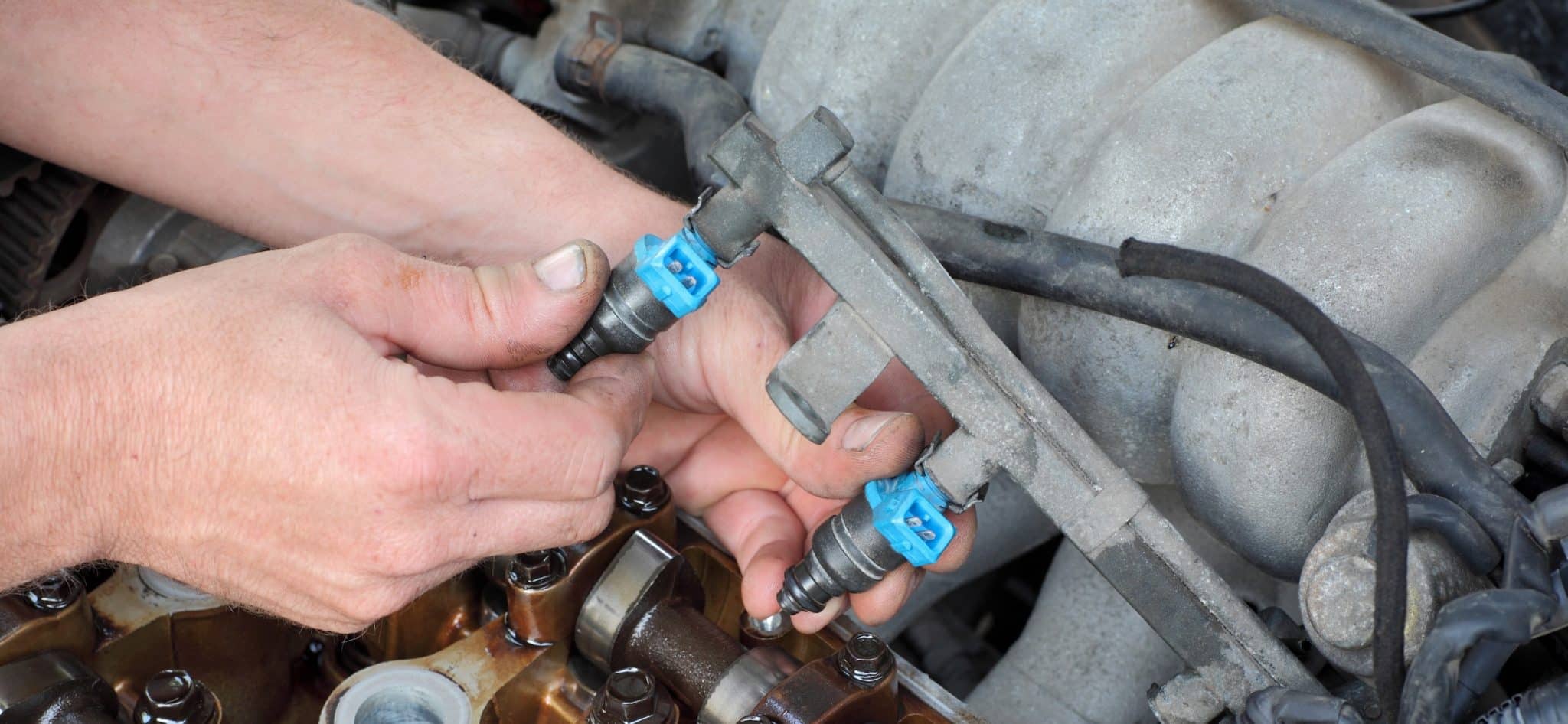
When your Chevrolet Malibu illuminates the check engine light and yields a Diagnostic Trouble Code (DTC) P0171, it indicates that the powertrain control module has detected a lean air-fuel mixture in Bank 1. Delaying diagnostics and repairs on this specific issue can lead to escalating mechanical damage, diminished fuel economy, and potential catalytic converter failure that far outweighs the initial cost of a simple sensor or vacuum line fix.
Understanding the Chevrolet Malibu P0171 Diagnostic Trouble Code
The Chevrolet Malibu is a dependable midsize sedan, but like any modern vehicle equipped with an On-Board Diagnostics II (OBD-II) system, it is susceptible to fuel trim anomalies. Code P0171 specifically means "System Too Lean (Bank 1)." In a four-cylinder Malibu engine—whether the naturally aspirated 2.5L or the 1.5L/2.0L turbocharged variants found in newer generations—Bank 1 refers to the side of the engine containing cylinder number one. Because these are inline engines, Bank 1 encompasses all cylinders.
A lean condition occurs when the engine management computer detects an excess of oxygen or an insufficient amount of fuel in the combustion chamber relative to the incoming air mass. To compensate, the fuel trim adjustments—specifically Short Term Fuel Trim (STFT) and Long Term Fuel Trim (LTFT)—will spike into positive percentages as the computer attempts to inject more fuel to achieve the optimal 14.7:1 stoichiometric ratio.
While the vehicle may still drive, ignoring a persistent P0171 code forces the engine to operate under sub-optimal conditions. Over time, the compounding thermal stress, unmetered air intrusion, and computer over-compensation transform a minor sensor or gasket anomaly into a major engine overhaul. Examining the primary reasons to address this code promptly reveals why immediate action preserves both your vehicle's longevity and your financial resources.
Reason 1: Preventing Catastrophic Catalytic Converter Damage
The most financially severe consequence of ignoring a Chevrolet Malibu P0171 code is the premature degradation and ultimate failure of the catalytic converter.
The Chemistry of Overheating
When an engine runs lean, the combustion process burns excessively hot due to the high oxygen content. This elevated combustion chamber temperature transfers thermal energy directly into the exhaust stream. Furthermore, continuous misfires—which frequently accompany severe lean conditions because unignited air-fuel mixtures disrupt flame propagation—send unburned hydrocarbons directly into the catalytic converter.
When unburned fuel meets the extreme heat inside the converter core alongside excess oxygen, secondary combustion occurs inside the catalyst. This melts or cracks the precious metal honeycomb substrate inside the converter.
Financial Impact
Replacing a catalytic converter on a modern Chevrolet Malibu is an expensive endeavor. While fixing the root cause of a P0171 code might initially cost anywhere from $20 to $300 for parts (such as a PCV hose, mass air flow sensor cleaner, or intake manifold gasket), a failed catalytic converter frequently costs between $1,000 and $2,500 including professional labor. Addressing the upstream lean condition immediately protects the expensive exhaust aftertreatment system from thermal destruction.
Reason 2: Eliminating Severe Fuel Economy Penalties and Performance Loss
A common misconception among drivers is that a lean code means the engine is burning less fuel and therefore saving money. In reality, the opposite occurs.
How Fuel Trim Compensation Fails Efficiency
When the Malibu’s Powertrain Control Module (PCM) registers a P0171, it relies on data from the upstream oxygen sensor (or Air-Fuel Ratio sensor) to calculate how much extra fuel to inject. Because unmetered air is entering the engine—often through a cracked vacuum line, a loose intake boot, or a failing intake gasket—the sensor reads excess oxygen and commands the fuel injectors to stay open longer.
This constant over-compensation ruins your fuel economy. You will notice frequent trips to the fuel pump as your miles-per-gallon (MPG) drop significantly.
Drivability Symptoms
Beyond burning extra fuel inefficiently, a lean-running Malibu will exhibit degraded performance characteristics:
- Engine Hesitation: When pressing the accelerator pedal, the car may stumble or hesitate before responding because the air-fuel mixture is momentarily too diluted.
- Rough Idling: At stoplights, the engine may idle erratically, dip below normal RPM ranges, or feel like it is about to stall.
- Power Loss Under Load: Merging onto highways or climbing steep inclines will highlight a distinct lack of power as the engine struggles to generate adequate cylinder pressure.
| Common Root Cause | Typical Repair Part | Estimated DIY Cost | Potential Cost of Neglect |
|---|---|---|---|
| Vacuum Leak | PCV Hose / Intake Boot | $15 – $60 | $1200 (Engine / Converter damage) |
| Dirty MAF Sensor | MAF Sensor Cleaner | $8 – $15 | $200 (Sensor replacement + fuel waste) |
| Faulty Fuel Pump | Fuel Pump Assembly | $150 – $400 | $800 (Standed towing + fuel starvation) |
| Intake Gasket Leak | Gasket Set | $30 – $90 | $1500 (Warped cylinder head / coolant leaks) |
Reason 3: Avoiding Secondary Engine Wear and Internal Damage
Long-term operation with an incorrect air-fuel ratio introduces mechanical stresses that propagate through the entire engine assembly.
Cylinder Wash and Oil Dilution
If the lean condition leads to intermittent misfires, raw fuel can wash the lubricating oil film off the cylinder walls. Without this protective barrier, piston rings scrape directly against the bare metal cylinder bores, causing accelerated scoring, loss of compression, and eventual oil consumption issues.
Elevated Combustion Temperatures
As noted previously, lean burns generate extreme heat. Over thousands of miles, this excessive thermal cycling stresses aluminum cylinder heads and exhaust valves. Valves can burn, warp, or recede into their seats, leading to compression loss that requires major engine rebuilding or replacement. Fixing a vacuum leak or replacing a tired fuel pump today is vastly cheaper than replacing a cracked cylinder head tomorrow.
Step-by-Step Troubleshooting Guide for Malibu P0171
Before throwing parts at your Chevrolet Malibu, follow a systematic diagnostic procedure to isolate the exact component triggering the code.
- Connect OBD-II Scanner
- Check Freeze Frame Data & Fuel Trims
- At Idle (LTFT High) -> Vacuum Leak / PCV Issue
- Under Load (LTFT High) -> Fuel Delivery / Weak Pump
Step 1: Inspect All Vacuum and PCV Hoses
Many Malibu P0171 codes stem from deteriorated rubber hoses.
- Open the hood and visually inspect all rubber and plastic vacuum lines connected to the intake manifold.
- Pay close attention to the Positive Crankcase Ventilation (PCV) hose assembly, which is known to develop cracks or tears near the connection points over time.
- Feel along the undersides of hoses where cracks are harder to see visually.
Step 2: Clean or Test the Mass Air Flow (MAF) Sensor
The MAF sensor measures the volume of air entering the engine. If the sensor wire becomes coated in dust or oil (especially common if using an aftermarket oiled air filter), it will underreport airflow, triggering a lean code.
- Disconnect the negative battery cable.
- Remove the MAF sensor housing located between the air filter box and the throttle body.
- Spray the internal sensor wires or beads generously with dedicated MAF Sensor Cleaner. Do not use brake cleaner or other solvents, as they can ruin the delicate electronics.
- Allow it to dry completely before reinstalling.
Step 3: Check for Intake Manifold and Throttle Body Leaks
Unmetered air bypasses the MAF sensor entirely.
- With the engine idling, spray a small amount of brake cleaner or water around the intake manifold gaskets and throttle body mounting flange.
- If the engine idle suddenly smooths out or changes RPM, you have located an air leak where the gasket is failing.
Step 4: Verify Fuel Pressure and Volume
If vacuum leaks and sensor issues are ruled out, the problem may be fuel delivery. A weak fuel pump or a clogged fuel filter cannot supply sufficient volume under load, causing a lean condition.
- Connect a fuel pressure gauge to the Schrader valve on the fuel rail (if equipped) or monitor fuel rail pressure via a live-data OBD-II scanner.
- Compare readings against manufacturer specifications for your specific Malibu model year.
Frequently Asked Questions
Can I keep driving my Chevrolet Malibu with a P0171 code?
While the car will usually still drive short distances, you should not continue driving it regularly. Operating with a lean mixture risks overheating the catalytic converter, damaging internal engine components, and burning excess fuel. Schedule diagnostics as soon as possible.
Is code P0171 caused by a bad oxygen sensor?
Ironically, a P0171 code is rarely caused by a failed oxygen sensor. The sensor is usually doing its job correctly by reporting that there is too much oxygen in the exhaust. The underlying cause is almost always unmetered air entering the engine or a shortage of fuel delivery.
How does weather affect a Malibu P0171 code?
Extreme temperature shifts can cause rubber vacuum lines and intake boots to expand, contract, and crack. You may notice that a check engine light for P0171 appears more frequently during the onset of winter or during intensely hot summer months when brittle plastics fail.
Can a dirty air filter cause a P0171 code?
A severely clogged air filter typically causes a rich condition (code P0172) because it restricts airflow. Conversely, a missing air filter, improperly sealed air box, or a torn accordion intake tube introduces unmetered air and directly causes a lean P0171 code.
Final Recommendation
Fixing a Chevrolet Malibu P0171 code promptly protects your wallet from escalating repair bills. Start with the simplest and least expensive diagnostics—inspecting vacuum lines and cleaning the Mass Air Flow sensor—before progressing to fuel system testing or gasket replacements. Addressing this condition early restores your vehicle's fuel efficiency, safeguards your catalytic converter, and ensures long-term engine reliability.