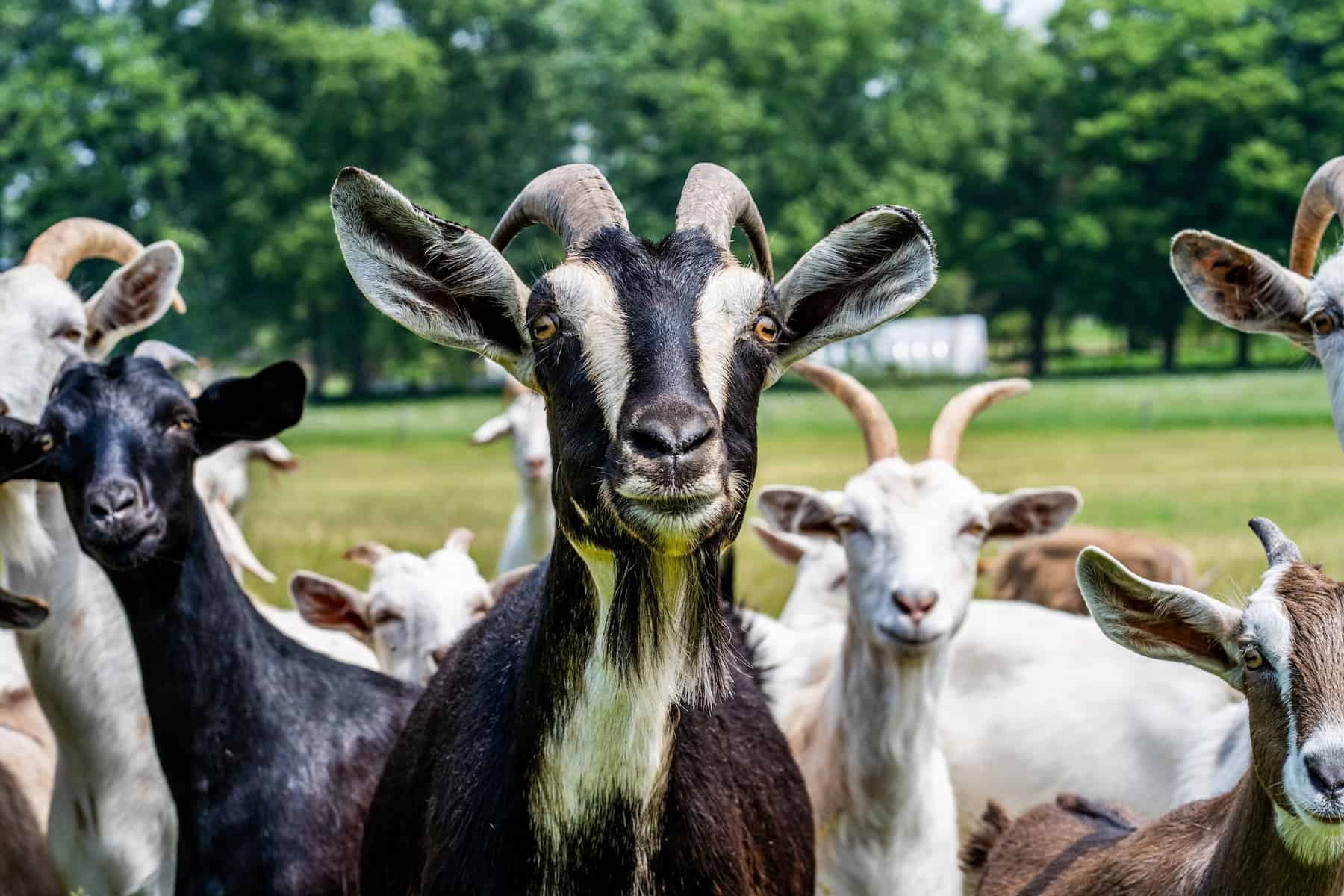
For homesteaders and small-scale farmers in 2026, the Anglo-Nubian, Kinder, and Boer (specifically within crossbreeding programs) represent the three best goat breeds for milk and meat production. These breeds offer the optimal balance of high-quality butterfat for dairy use and sufficient muscle mass for sustainable meat harvesting.
The concept of a "dual-purpose" goat is the holy grail of small-scale livestock management. While most commercial operations specialize—using Saanens for high-volume milk or Boers for rapid meat growth—the modern homesteader often lacks the space or resources to maintain two separate herds. By selecting a breed that performs well in both categories, you maximize the efficiency of your land, reduce feed overhead, and create a more resilient food source.
In 2026, as the cost of commercial animal feed remains a significant factor in farm management, the ability of these specific breeds to convert forage into both protein and dairy has made them more valuable than ever. Choosing the right breed requires understanding the trade-offs between volume, flavor, and growth rates.
1. The Anglo-Nubian (The Dairy-Heavy Dual Purpose)
The Anglo-Nubian, commonly referred to simply as the Nubian in North America, is widely considered the premier dual-purpose goat. Originally developed in England by crossing British goats with bucks from Africa and India, the breed was specifically engineered to withstand hot climates while providing high-quality milk.
Milk Production and Quality
The Nubian is the "Jersey cow" of the goat world. While breeds like the Alpine or Saanen produce a higher total volume of milk, the Nubian excels in butterfat content, which typically ranges between 4.5% and 5%. In 2026, this high fat content is highly prized for artisanal cheesemaking and soap production, as it yields more finished product per gallon than leaner milks.
A healthy Nubian doe can produce between 0.5 to 1.5 gallons of milk per day during her peak lactation. Because the milk has a higher solids content, it possesses a richer, sweeter flavor that many people find more palatable than the "goaty" tang associated with lower-fat breeds.
Meat Yield and Characteristics
The Nubian is significantly larger and fleshier than other dairy breeds. Mature bucks can weigh up to 175–200 pounds, while does average around 135 pounds. Their long limbs and large frames provide a substantial amount of meat, though they do not "fill out" as quickly as dedicated meat breeds.
The meat of a Nubian is known for being lean and having a flavor profile that responds well to slow-cooking methods. For a homestead looking to fill a freezer while keeping the fridge stocked with milk, the Nubian offers a 70/30 split in favor of dairy utility.
Temperament and Hardiness
Nubians are famous—or perhaps infamous—for being the most "vocal" of all goat breeds. They have a distinct, loud bleat and are very social with their human handlers. Physically, they are recognizable by their long, pendulous ears and "Roman" convex noses. They are exceptionally heat-tolerant but require adequate shelter in extreme northern climates due to those large ears being susceptible to frostbite.
2. The Kinder Goat (The True Dual-Purpose Specialist)
If the Nubian is a dairy goat that can be used for meat, the Kinder is a breed designed from the ground up to be exactly 50% of both. The Kinder originated in the late 1980s from a cross between a Pygmy buck and a Nubian doe. In the decades since, it has evolved into a recognized, "fixed" breed that is arguably the most efficient animal for a self-sufficient acre.
Why Kinder is the 2026 Gold Standard
In the current agricultural landscape, efficiency is measured by the "pounds of product per pound of feed" ratio. Kinders are mid-sized goats, making them easier to handle than the massive Nubian or Boer, yet they possess a surprising amount of muscle.
Meat-to-Bone Ratio
The Kinder is a "heavy-boned" goat for its size. One of the most significant advantages of this breed is its dressing percentage. When a goat is processed for meat, the dressing percentage refers to the weight of the carcass compared to the live weight of the animal. While most dairy goats have a dressing percentage around 35–40%, Kinders frequently achieve 50% or higher. This means more meat in the freezer and less waste.
Milk Utility
Despite their smaller stature (does weigh 110–125 lbs), Kinders are prolific milkers. They often produce nearly as much as a full-sized Nubian, but with even higher butterfat. It is not uncommon for Kinder milk to test at 5% to 7% butterfat. Furthermore, Kinders are known for having multiple births; triplets and quadruplets are common, which increases the total meat output of the herd annually.
3. The Boer Goat (The Meat King with Dairy Potential)
The Boer goat, originating from South Africa, is the world’s most popular meat goat. While it is rarely classified as a "dairy" goat in a commercial sense, it earns its place on this list because of its essential role in 2026 dual-purpose management strategies.
Meat Excellence
There is no goat that produces more muscle faster than a Boer. They have been selectively bred for decades for rapid growth and high-quality carcass traits. A Boer wether (castrated male) can reach market weight in nearly half the time of a dairy-breed kid.
The "Milk" Factor in Boers
To raise those fast-growing kids, Boer does must produce a significant amount of milk. While you won't find many people milking a purebred Boer for their morning cereal, the breed is an essential component of a crossbreeding program.
In 2026, the "Boer-Nubian" cross (often called a "Buno") is the preferred choice for those who want a meat-heavy dual-purpose animal. By crossing a Boer buck with a Nubian doe, you get:
- Kids with the heavy muscling of the Boer.
- Does with the increased milk capacity of the Nubian.
- Hybrid vigor that results in better disease resistance and faster growth.
For the homesteader who prioritizes filling the freezer but still wants a quart of milk for the house every day, a high-quality Boer cross is often more practical than a delicate dairy specialist.
Comparison of Top Dual-Purpose Breeds
The following table compares the primary metrics of these three options to help you decide which fits your specific land and dietary needs.
| Feature | Anglo-Nubian | Kinder | Boer (or Boer-Cross) |
|---|---|---|---|
| Primary Utility | 70% Milk / 30% Meat | 50% Milk / 50% Meat | 20% Milk / 80% Meat |
| Avg. Milk Yield | 0.5 – 1.5 Gallons/Day | 0.5 – 1.2 Gallons/Day | 0.2 – 0.5 Gallons/Day |
| Butterfat % | 4.5% – 5.0% | 5.0% – 7.0% | 4.0% – 6.0% (Variable) |
| Mature Weight | 135 – 200 lbs | 110 – 150 lbs | 200 – 300+ lbs |
| Dressing % | Low (~35%) | High (~50%+) | Very High (55%+) |
| Temperament | Loud, social, needy | Alert, friendly, docile | Calm, stoic, independent |
| Best For | Cheese & Fresh Milk | Small Acreage Efficiency | Maximum Meat Production |
Management and Nutritional Requirements
Raising goats for both milk and meat requires a more nuanced nutritional strategy than raising them for a single purpose. In 2026, specialized feed blends have become more expensive, leading many to return to intensive rotational grazing and high-quality hay supplementation.
Protein and Energy Balance
To produce milk, a doe needs a significant amount of protein (typically 16% in her total diet). However, to put on meat and maintain "finish," the goat needs carbohydrates and fats.
- For Milk: Provide high-quality alfalfa hay, which is rich in calcium and protein.
- For Meat: Ensure access to brush and "browse." Goats are not grazers like sheep; they are browsers. They prefer eating at eye level, consuming briars, weeds, and tree bark, which provides a diverse mineral profile that improves meat flavor.
Parasite Management
One of the greatest challenges in 2026 for goat owners is the increasing resistance of internal parasites (like the Barber Pole worm) to traditional dewormers. Dual-purpose goats, particularly the Kiko (often crossed with Boers) and the Kinder, show higher natural resilience. However, you must implement the FAMACHA© system, which involves checking the eyelid color of the goat to determine the level of anemia before deciding to treat.
Breeding Cycles
To get milk, a doe must have kids. To get meat, you must have kids. A successful dual-purpose operation typically breeds does once a year. In a 2026 sustainable model, many farmers are moving toward "extended lactations," where a high-producing Nubian is milked for two years after a single freshening, though this reduces the meat output (kids) of the farm.
Common Pitfalls in Dual-Purpose Selection
- Ignoring the "Voice" of the Breed: Many new owners choose the Nubian because of its beauty and milk, only to find the constant vocalization to be a problem with neighbors or their own peace of mind.
- Underestimating Size: A full-grown Boer buck can exceed 300 pounds. If you do not have the fencing or the physical strength to handle an animal of that size, the Kinder is a much safer and more manageable choice.
- The "Single Goat" Mistake: Goats are herd animals. Whether you are raising them for milk or meat, you must have at least two. A single goat will be stressed, produce less milk, and be more susceptible to illness.
Frequently Asked Questions
Which goat breed has the best-tasting milk?
The Anglo-Nubian and Kinder are widely considered to have the best-tasting milk. This is largely due to their high butterfat and milk solids content. High butterfat acts as a buffer against the "caproic acid" that gives goat milk a strong or "musky" flavor. If handled cleanly and chilled immediately, Nubian and Kinder milk is often indistinguishable from high-quality cow milk.
Can I really get enough meat from a dairy goat?
Yes, but you must adjust your expectations. You will not get thick "ribeye" style chops from a purebred dairy goat. Instead, the meat is leaner and better suited for ground meat, stews (like curried goat), or roasts. If meat volume is a priority, selecting a Kinder or a Boer-cross is essential, as they have the muscle structure to provide a traditional "meaty" carcass.
How much space do I need for three goats?
In 2026, the standard recommendation for sustainable land use is approximately 10 to 15 goats per acre of high-quality pasture. For a small trio of dual-purpose goats, a 1/4 acre lot is sufficient as long as you provide supplemental hay and keep the area clean. Kinders require slightly less space than the larger Nubians or Boers.
Are goats expensive to keep in 2026?
The primary costs are fencing, hay, and veterinary care. While goats can clear land and eat weeds, a high-producing milk doe cannot survive on brush alone; she needs high-quality hay and minerals. On average, expect to spend $15–$25 per month per goat on basic maintenance, excluding initial infrastructure costs like fencing and housing.
Do male goats smell bad?
Intact male goats (bucks) produce a strong musk during the breeding season. If you are raising goats for milk, it is highly recommended to keep the buck in a separate enclosure, as the "buck smell" can actually permeate the milk of the does, giving it an unpleasant flavor. Wethers (castrated males) raised for meat do not have this odor.
Next Steps for Prospective Owners
Before purchasing your first dual-purpose goats, evaluate your primary goal. If your priority is cheesemaking and fresh cream, your first action should be to locate a reputable breeder of Anglo-Nubians with a history of tested, disease-free herds (specifically CAE, CL, and Johne’s disease).
If you are working with limited acreage and want the most efficient "pint-sized" powerhouse, seek out a Kinder breeder. Be aware that because Kinders are a more specialized breed, you may need to travel further to find quality stock.
Finally, if your goal is maximum protein self-sufficiency, look for a Boer-cross doe. She will provide enough milk for your family while producing fast-growing kids that can fill your freezer every autumn. Regardless of the breed, start with two does and focus on mastering your milking technique and pasture management before expanding your herd.