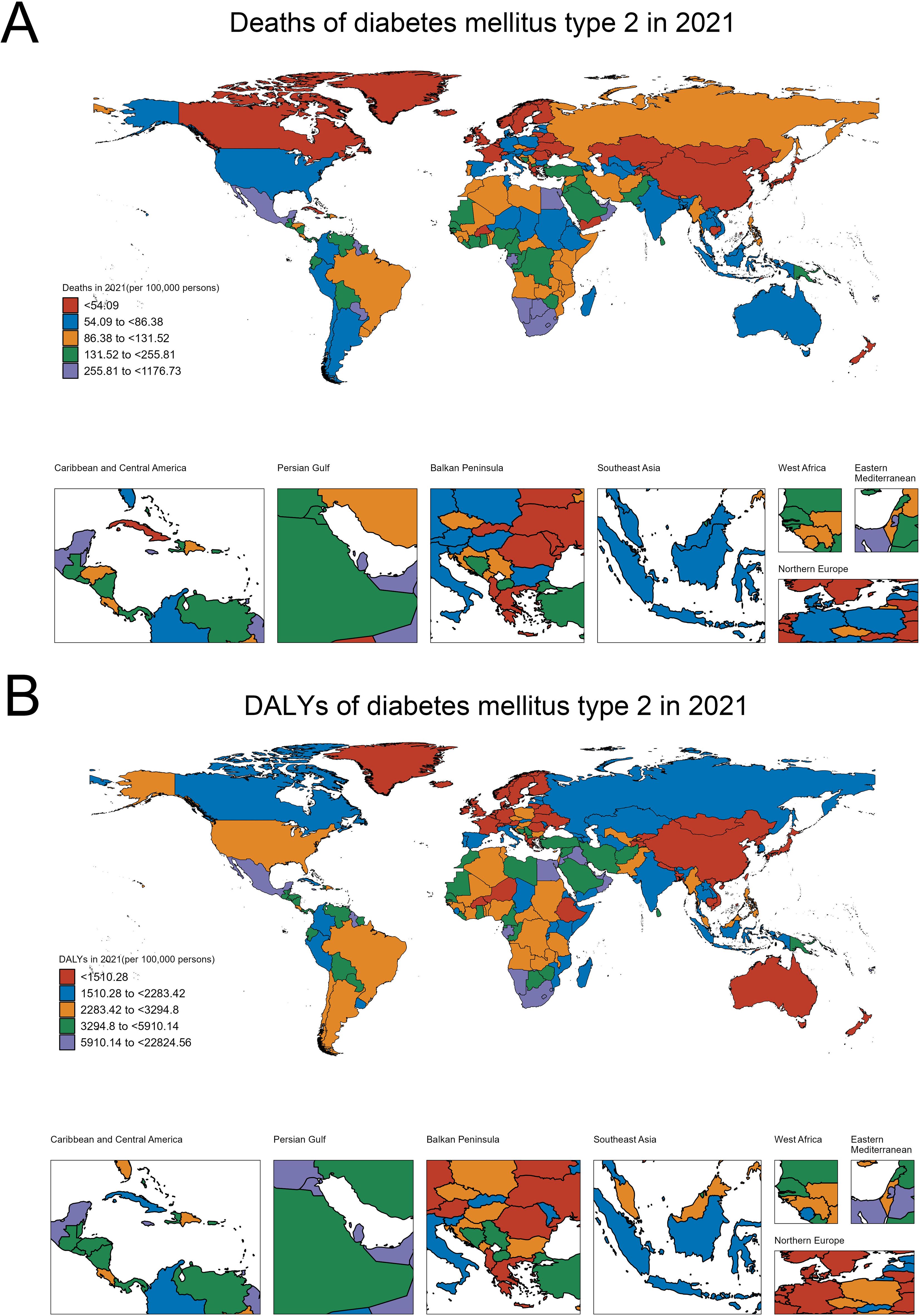
In 2024, the global prevalence of type 2 diabetes reached a critical juncture, with the International Diabetes Federation (IDF) and the World Health Organization (WHO) reporting that over 537 million adults globally were living with the condition. This figure reflects an accelerating trend driven by rapid urbanization, sedentary lifestyles, and the widespread transition toward processed nutritional habits, highlighting an urgent need for systemic public health intervention.
Understanding the Scale of the Global Crisis
The 2024 data highlights that type 2 diabetes—a chronic metabolic disorder characterized by insulin resistance and relative insulin deficiency—has transcended its historical classification as a disease primarily affecting high-income, older populations. Today, the demographic profile of those diagnosed has shifted significantly younger. The 2024 statistics indicate that the rapid expansion of the disease is particularly pronounced in low- and middle-income countries, where healthcare infrastructure often struggles to provide early screening and sustained management.
While type 1 diabetes remains an autoimmune condition requiring lifelong insulin administration, type 2 diabetes accounts for approximately 90% to 95% of all diabetes cases worldwide. The 2024 global figures are not merely abstract counts; they represent a significant increase from the previous decade, confirming that current prevention strategies are failing to keep pace with the environmental and lifestyle drivers of the epidemic.
Regional Variations and Economic Impact
The burden of type 2 diabetes is not distributed equally. In 2024, regions such as the Western Pacific and Southeast Asia reported the highest absolute numbers of adults living with the disease. This is largely attributed to the demographic weight of countries like China and India. However, the Middle East and North Africa (MENA) region consistently reported the highest age-adjusted comparative prevalence rates, indicating that a larger percentage of their population is affected relative to their total size.
The economic implications are equally staggering. By 2024, the direct global healthcare expenditures related to diabetes had surpassed an estimated $966 billion USD. This figure encompasses the costs associated with primary care, hospitalization for acute complications—such as diabetic ketoacidosis or hyperosmolar hyperglycemic state—and the long-term management of chronic secondary conditions like cardiovascular disease, neuropathy, and retinopathy.
Key Factors Driving the 2024 Statistics
To interpret the 2024 data accurately, one must examine the intersection of biology and environment. The primary drivers identified in clinical literature include:
- Urbanization and Physical Inactivity: The migration of populations into dense urban centers has led to an architectural shift where physical labor is reduced, and car-centric transport dominates, significantly lowering daily energy expenditure.
- Nutritional Transition: Increased access to ultra-processed foods—high in refined sugars, sodium, and saturated fats—has fundamentally altered the caloric intake profiles of populations in developing nations.
- Delayed Diagnosis: A substantial portion of the 537 million people identified in 2024 remain undiagnosed. Many individuals live for years with impaired glucose tolerance or undiagnosed type 2 diabetes, during which microvascular and macrovascular damage can occur without symptomatic warning.
Comparison of Global Diabetes Metrics
The following table summarizes the primary metrics utilized by health organizations to track the 2024 status of the condition.
| Metric Type | Estimated Global Value (2024) | Primary Significance |
|---|---|---|
| Total Adults Affected | 537 Million | Indicates the total burden on health systems. |
| Undiagnosed Cases | ~240 Million | Highlights the critical need for screening programs. |
| Annual Healthcare Costs | >$966 Billion USD | Represents the economic strain on global GDP. |
| Global Prevalence Rate | ~10.5% of Adult Population | Measures the impact relative to global demographics. |
The Role of Early Intervention and Screening
A recurring theme in the 2024 data is the necessity of shifting from reactive treatment to proactive screening. Early detection of pre-diabetes—where blood glucose levels are higher than normal but not yet in the range of a type 2 diagnosis—is the most effective way to prevent or delay the onset of the disease.
Clinical guidelines updated in 2024 emphasize that high-risk groups, including individuals with a family history of diabetes, obesity, or elevated blood pressure, should undergo regular hemoglobin A1c (HbA1c) testing. HbA1c provides an average of blood sugar levels over the past two to three months, making it a more reliable metric for clinical assessment than a single fasting plasma glucose test.
Complications and Long-term Health Outcomes
The danger of type 2 diabetes lies primarily in its long-term complications. By 2024, clinical reports continued to show that cardiovascular disease remains the leading cause of morbidity and mortality for those with type 2 diabetes. High blood glucose levels over time damage blood vessels and nerves, leading to:
- Retinopathy: Damage to the blood vessels in the retina, potentially leading to blindness.
- Nephropathy: Progressive kidney damage that may necessitate dialysis or transplantation.
- Neuropathy: Nerve damage, most commonly in the feet, which increases the risk of ulcers and non-traumatic lower limb amputations.
Managing these complications requires a multidisciplinary approach, integrating primary care, endocrinology, ophthalmology, and podiatry.
Addressing Healthcare Disparities
A critical finding in the 2024 global landscape is the persistent disparity in access to essential medication. While insulin analogs and GLP-1 receptor agonists (such as semaglutide) have revolutionized glycemic control and weight management for many patients in wealthy nations, these treatments remain inaccessible or unaffordable for millions in low-income settings.
The WHO’s focus throughout 2024 has been on the "Diabetes Compact," an initiative designed to unify stakeholders, including governments and pharmaceutical manufacturers, to ensure that life-saving therapies are available where the need is greatest. Without such equitable distribution, the global statistics for 2025 and beyond are projected to climb even more aggressively, potentially exceeding 700 million cases by 2045.
Frequently Asked Questions
Why are the 2024 global diabetes statistics so much higher than previous decades? The rise is driven by a combination of aging global populations, rapid urbanization, and a widespread increase in sedentary lifestyles combined with high-caloric, low-nutrient diets. Additionally, improved diagnostic tools have allowed for more accurate reporting of cases that were previously missed.
What is the difference between type 1 and type 2 diabetes? Type 1 diabetes is an autoimmune reaction where the body stops producing insulin. Type 2 diabetes is a chronic condition where the body becomes resistant to insulin or fails to produce enough to maintain normal glucose levels. Type 2 is heavily influenced by lifestyle and genetic factors.
Is type 2 diabetes reversible? While type 2 diabetes is generally considered a lifelong chronic condition, many patients achieve "remission" through sustained weight loss, dietary changes, and regular physical activity, which can normalize blood glucose levels without the need for glucose-lowering medication. This must be managed under medical supervision.
How does obesity relate to these statistics? Obesity is one of the strongest predictors for the development of type 2 diabetes. Excess adipose tissue, particularly visceral fat, releases hormones and inflammatory markers that contribute to insulin resistance, making it significantly harder for the body to manage blood sugar.
What is the most effective way to prevent type 2 diabetes? The most effective approach is a combination of a balanced diet rich in whole foods, consistent physical activity (at least 150 minutes of moderate-intensity exercise per week), and weight management. For those at high risk, regular medical screening is vital for early intervention.
Final Recommendations for Stakeholders
The evidence provided by the 2024 global statistics underscores that the fight against type 2 diabetes requires a structural shift in how societies manage health. For individuals, the focus should remain on annual physical exams and early lifestyle modifications. For policy leaders and healthcare systems, the priority must be improving access to affordable testing and essential medications. If you suspect you may be at risk, schedule a blood glucose or HbA1c test with your primary healthcare provider immediately. Early identification is the single most effective tool available to prevent the long-term complications associated with the condition.