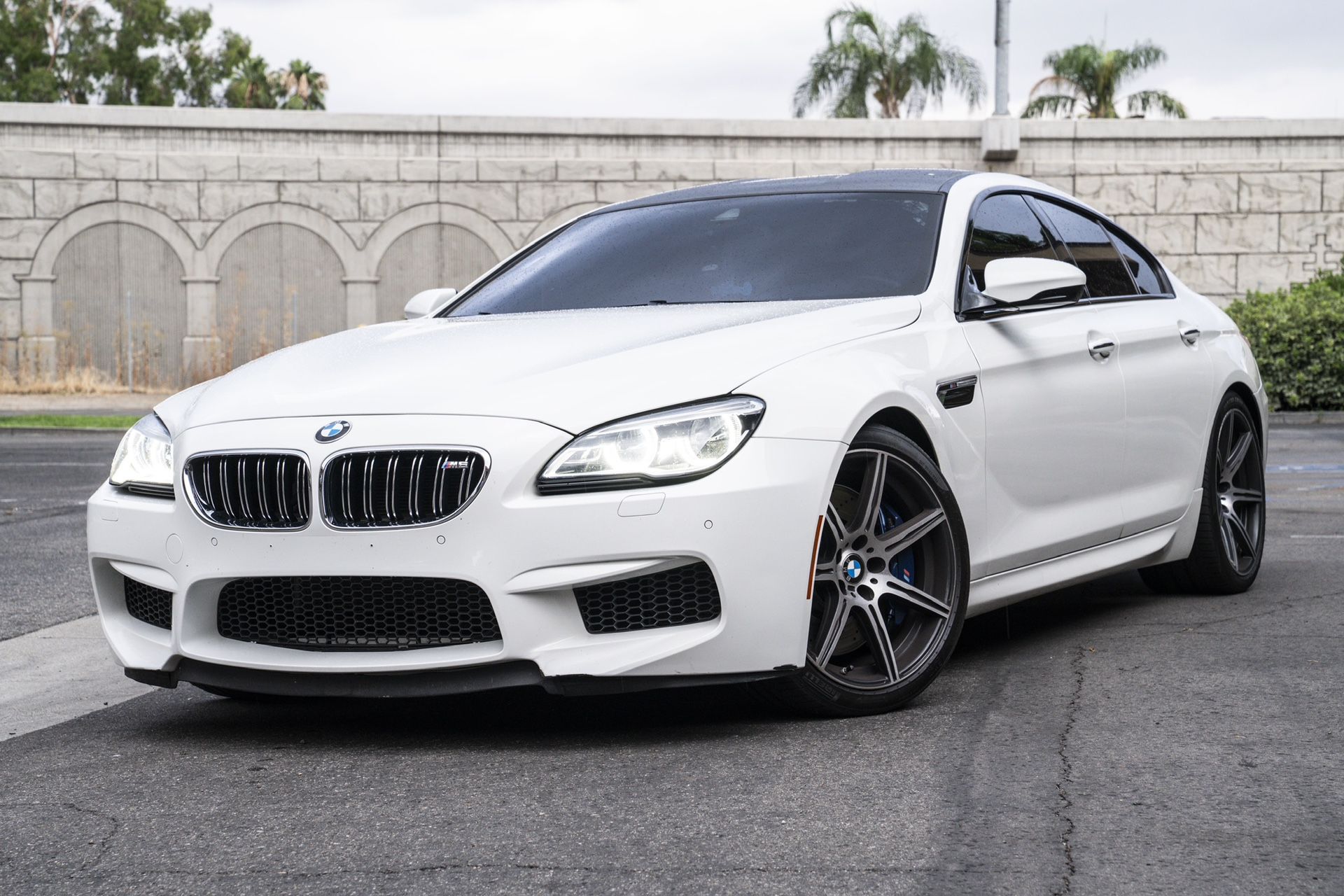
The 2018 BMW M6 represents the pinnacle of high-performance luxury engineering from the German automaker's F12/F13/F06 generation, blending a twin-turbocharged V8 engine with upscale amenities across Coupe, Gran Coupe, and Convertible body styles. As the final production year for this iconic iteration of the M6 before its transition into the revived 8 Series lineup, the 2018 model year encapsulates the absolute zenith of BMW’s mid-2010s executive performance capabilities. Whether evaluated through the lens of its muscular exterior styling, its opulent hand-finished interior, or its ballistic straight-line speed, this high-performance machine commands respect among automotive enthusiasts and luxury grand tourer buyers alike.
Understanding the 2018 BMW M6 requires looking past standard baseline specifications to examine how powertrain configurations, structural dynamics, and exclusive option packages define the driving experience. This comprehensive overview explores the core mechanical architecture, performance metrics, interior appointments, structural choices, and long-term ownership considerations that continue to make the 2018 M6 a notable presence in the pre-owned luxury market.
Evolution and Lineup Architecture
The 2018 model year marks the sunset of the sixth generation of the BMW 6 Series-based M vehicles. Offered in three distinct body styles—the two-door coupe (F13), the sleek four-door Gran Coupe (F06), and the retractable-soft-top convertible (F12)—the M6 lineup provided buyers with tailored compromises between rigid dynamic handling and daily grand-touring usability.
By 2018, BMW had streamlined the ordering process by baking many previously optional performance upgrades into the standard or Competition Package allocations. While the standard M6 offered an impressive array of luxury and speed, the availability of the Competition Package transformed the vehicle's driving dynamics significantly. The lineup catered directly to affluent buyers seeking a status-symbol grand tourer capable of supercar-rivaling acceleration without sacrificing traditional executive creature comforts.
Body Style Variants
Choosing among the three variants involves distinct trade-offs in weight, rigidity, and aesthetic presence:
- M6 Coupe (F13): The lightest and structurally stiffest of the three, featuring a standard exposed carbon-fiber roof panel that lowers the center of gravity and optimizes handling balance.
- M6 Gran Coupe (F06): Adds a stretched wheelbase and two rear doors, improving rear-seat accessibility while maintaining a dramatic, low-slung roofline and aggressive rear haunches.
- M6 Convertible (F12): Features a multi-layer fabric soft-top that folds electronically, offering open-air V8 acoustics at the expense of a heavier curb weight and reduced trunk capacity.
Powertrain and Performance Specifications
At the heart of every 2018 BMW M6 beats the formidable S63TU engine—a 4.4-litre, 32-valve, twin-turbocharged V8 featuring a hot-V configuration where the twin-scroll turbochargers are nestled inside the cylinder V-bank to minimize turbo lag and optimize throttle response.
In standard form, this power plant generates 560 horsepower between 6,000 and 7,000 rpm, alongside a massive wave of 500 lb-ft of torque available from a lowly 1,500 rpm all the way up to 5,750 rpm. Power is routed to the rear wheels through a lightning-quick 7-speed M Double Clutch Transmission (M-DCT) equipped with Drivelogic shift-speed adjustments, complemented by an Active M Differential that continuously varies lock-up between the rear wheels to maximize traction.
The Competition Package Advantage
For drivers demanding sharper reflexes and extra muscle, the optional Competition Package elevates output to 600 horsepower while maintaining the same 500 lb-ft torque ceiling. Beyond the 40-horsepower bump, the package introduces a comprehensive suite of hardware enhancements:
- Revised Suspension Tuning: Stiffened springs, dampers, and anti-roll bars alongside a lowered ride height.
- Direct Steering Calibration: A more direct steering ratio tailored for enhanced feedback during aggressive cornering.
- M Sport Exhaust System: Features black chrome tailpipes and modified internal baffling for a throatier, more aggressive exhaust note.
- Unique Alloy Wheels: Distinct 20-inch lightweight forged M wheels wrapped in performance rubber.
| Specification | Standard M6 | M6 with Competition Package |
|---|---|---|
| Engine Type | 4.4L Twin-Turbo V8 (S63TU) | 4.4L Twin-Turbo V8 (S63TU) |
| Horsepower | 560 hp @ 6,000–7,000 rpm | 600 hp @ 6,000–7,000 rpm |
| Torque | 500 lb-ft @ 1,500–5,750 rpm | 500 lb-ft @ 1,500–6,000 rpm |
| Transmission | 7-Speed M-DCT with Drivelogic | 7-Speed M-DCT with Drivelogic |
| 0–60 mph (Coupe) | ~4.1 seconds | ~3.8 seconds |
| Top Speed | 155 mph (189 mph w/ M Driver's) | 189 mph (with M Driver's Package) |
Exterior Styling and Aerodynamics
The exterior design of the 2018 M6 balances muscular aggression with refined elegance. Distinctive M-specific styling cues separate it from standard 6 Series models, starting with the aerodynamic front fascia featuring massive air intakes designed to feed oil coolers and intercoolers. The kidney grille bears double slats carrying the iconic M6 badge, a subtle indicator of the vehicle's high-performance pedigree.
Along the flanks, sculpted character lines flow from functional front fender air breathers bearing M side gills, sweeping back toward muscular rear wheel arches. The lightweight carbon-fiber roof on the coupe variant features a distinctive center recess that channels air cleanly over the vehicle. At the rear, an integrated trunk-lid spoiler, aerodynamic diffuser, and signature quad exhaust tips establish a wide, planted stance.
Interior Craftsmanship and Technology
Stepping inside the 2018 BMW M6 reveals a cabin draped in premium materials, dominated by extended Merino leather upholstery, carbon fiber or fine-wood interior trim accents, and an Alcantara headliner. The cockpit is driver-centric, featuring standard 20-way power-adjustable M multi-function seats that provide exceptional lateral support during hard cornering while remaining comfortable over long road trips.
Infotainment and Convenience
The dashboard centers around BMW’s iDrive system (version 6.0), displayed on a high-resolution freestanding central screen controlled via the rotary iDrive controller and physical shortcut buttons. Key cabin technologies include:
- Head-Up Display (HUD): Features M-specific graphics, displaying vehicle speed, gear selection, and a multi-color tachometer shift light indicator.
- Audio Systems: A standard Harman Kardon surround-sound system, with upgradable options for a high-end Bang & Olufsen High-End Surround Sound system featuring illuminated acoustic lenses.
- Driver Assistance: Available packages added active blind-spot detection, lane departure warning, frontal collision warning with pedestrian mitigation, and side- and top-view parking camera systems.
Driving Dynamics and Ride Quality
Weighing in north of 4,000 pounds across all variants, the 2018 M6 is a heavyweight grand tourer rather than a featherweight track car, yet its dynamic capabilities belie its sheer mass. The chassis utilizes aluminum extensive double-wishbone front suspension and integral-V rear suspension, paired with Adaptive Drive electronic dampers that adjust stiffness in milliseconds based on road conditions and driving modes.
Drivers can independently configure steering weight, throttle mapping, transmission shift aggressiveness, and damper firmness via the iDrive menu or by saving preferred settings to the red M1 and M2 buttons mounted directly on the steering wheel. In Comfort mode, the M6 swallows highway miles with luxurious compliance. Selecting Sport Plus transforms the vehicle into a roaring, responsive performance machine, though the car's physical footprint requires conscious line placement on narrow backroads.
Maintenance, Reliability, and Ownership Costs
Owning a high-performance twin-turbocharged V8 BMW from this era requires diligent adherence to maintenance schedules. While the S63TU engine is robust when properly cared for, deferred maintenance can lead to costly repairs. Prospective buyers and current owners should monitor several key mechanical areas:
- Cooling System and Plastics: Engine bay temperatures are extreme; coolant lines, expansion tanks, and turbo coolant lines are prone to aging and brittle failure over time.
- Carbon Buildup: As a direct-injection engine, intake valves can accumulate carbon deposits over high mileage, necessitating walnut-blasting cleaning services.
- Brake Systems: Standard composite brakes are expensive to service, while optional M Carbon Ceramic brakes offer incredible stopping power and virtually zero fade on track days, but carry exorbitant replacement costs for rotors and pads.
- Fluid Services: Regular oil changes using high-grade synthetic oil (specified by BMW's LL-01 or LL-04 standards) every 5,000 to 7,500 miles are critical for preserving twin-scroll turbocharger longevity.
Frequently Asked Questions
What is the difference between the standard 2018 BMW M6 and the Competition Package?
The Competition Package increases engine output from 560 to 600 horsepower, adds a stiffer suspension setup with lowered ride height, revises steering calibration for faster response, includes a louder M Sport exhaust system, and equips unique 20-inch forged wheels.
Is the 2018 BMW M6 reliable?
The 2018 M6 is mechanically durable when maintained meticulously, but its twin-turbo V8 engine and advanced electronics require higher-than-average maintenance budgets. Preventative maintenance, timely fluid changes, and addressing minor oil leaks immediately are essential for long-term reliability.
Which body style of the 2018 M6 is the most sought after?
The M6 Coupe is typically favored by purists due to its lighter weight, structural rigidity, and carbon-fiber roof panel. However, the M6 Gran Coupe commands strong interest for combining supercar performance with four-door practicality.
Does the 2018 BMW M6 have manual transmission options?
No. The 2018 M6 is exclusively equipped with a 7-speed M Double Clutch Transmission (M-DCT) featuring Drivelogic. Manual transmissions were phased out for the M6 lineup in international markets prior to the 2018 model year.
What fuel economy does the 2018 BMW M6 achieve?
The 2018 M6 is tuned for performance rather than fuel efficiency. EPA fuel economy ratings typically hover around 14 mpg in city driving and 20 to 22 mpg on the highway, depending on driving habits and traffic conditions.
Conclusion
The 2018 BMW M6 stands as a monumental achievement in modern grand touring. By pairing a ferocious twin-turbo V8 with a luxurious, tech-laden interior, BMW created a machine capable of devouring continental highways or dominating high-speed track sessions with equal composure. Whether opting for the sleek Coupe, the practical Gran Coupe, or the open-air Convertible, buyers seeking high-end German performance engineering will find the final year of the F-generation M6 to be a compelling, timeless machine.