The oil capacity for a 2016 Volkswagen Jetta varies significantly depending on the engine displacement. The 1.4L Turbo engine requires 4.2 quarts (4.0 liters), while the 1.8L Turbo and 2.0L Turbo (GLI) engines require approximately 5.8 to 6.0 quarts (5.5 to 5.7 liters). Always use synthetic oil meeting the VW 502 00 or VW 504 00 specification for optimal engine health and longevity.
Understanding Your 2016 Volkswagen Jetta Engine
By 2026, the 2016 Volkswagen Jetta has established itself as a resilient used vehicle, but maintaining its performance requires a precise understanding of its internal lubrication requirements. During the 2016 model year, Volkswagen offered several distinct powerplants, each with unique oiling systems. Because the Jetta is a global platform, these engines were designed with high-pressure turbocharging and direct injection, making the volume and quality of oil critical to preventing carbon buildup and turbocharger failure.
To determine your specific oil capacity, you must first identify which engine is under your hood. The most common engines for the 2016 model year include the 1.4L TSI, the 1.8L TSI, and the performance-oriented 2.0L TSI found in the GLI trim. There was also a 2.0L Hybrid variant. Knowing the displacement is the first step, but understanding the oiling circuit’s design explains why these capacities differ so much between seemingly similar engines.
2016 Jetta Oil Capacity Specifications by Engine Type
The following specifications represent the total refill capacity, including the volume required for a new oil filter. It is a standard automotive practice to replace the filter during every oil change to ensure the full capacity of clean oil is not immediately contaminated by residual particulates.
The 1.4L Turbo Engine (TSI)
The 1.4L TSI (Engine Code CZTA) became the high-volume base engine for the Jetta in 2016. Despite its smaller displacement, it utilizes a sophisticated cooling and lubrication path to manage the heat of the turbocharger.
- Total Capacity: 4.2 Quarts (4.0 Liters)
- Recommended Viscosity: 5W-40 or 5W-30
- Required Standard: VW 502 00
Because this engine has a relatively small sump (the oil pan), maintaining the level is vital. There is less "buffer" for oil consumption compared to the larger engines. If the oil level drops even half a quart, a larger percentage of the total oil volume is lost, leading to higher operating temperatures for the remaining lubricant.
The 1.8L Turbo Engine (TSI)
The 1.8L TSI (Engine Codes CPKA/CPRA) was the mid-range option, providing more torque and a larger oil reservoir. Interestingly, the 1.8L engine requires significantly more oil than the 1.4L.
- Total Capacity: 5.8 – 6.0 Quarts (5.5 – 5.7 Liters)
- Recommended Viscosity: 5W-40 or 5W-30
- Required Standard: VW 502 00
Owners often find it convenient to purchase a 6-quart "oil change kit" for this engine. The larger capacity is designed to help dissipate heat more effectively and extend the life of the oil under load.
The 2.0L Turbo Engine (GLI)
The Jetta GLI features the 2.0L TSI (Engine Codes CPLA/CPPA). This is a performance-tuned engine that shares much of its architecture with the 1.8L but is designed for higher output.
- Total Capacity: 6.0 Quarts (5.7 Liters)
- Recommended Viscosity: 5W-40
- Required Standard: VW 502 00 / 505 00
For the GLI, using a high-quality 5W-40 is generally preferred by enthusiasts to maintain oil film thickness at higher RPMs and temperatures.
The 2.0L Hybrid Engine
The Jetta Hybrid was a niche offering in 2016, utilizing a 1.4L turbocharged engine paired with an electric motor.
- Total Capacity: 4.2 Quarts (4.0 Liters)
- Recommended Viscosity: 5W-30
- Required Standard: VW 502 00
| Engine Type | Oil Capacity (Quarts) | Oil Capacity (Liters) | Required VW Standard |
|---|---|---|---|
| 1.4L TSI (Turbo) | 4.2 | 4.0 | VW 502 00 / 504 00 |
| 1.8L TSI (Turbo) | 5.8 | 5.5 | VW 502 00 / 504 00 |
| 2.0L TSI (GLI) | 6.0 | 5.7 | VW 502 00 / 505 00 |
| 2.0L Hybrid | 4.2 | 4.0 | VW 502 00 |
| 2.0L TDI (Diesel)* | 4.5 | 4.3 | VW 507 00 |
*Note: 2016 TDI models are rare in some markets due to regulatory holds that occurred during that timeframe; however, the EA288 engine capacity remains relevant for those in service.
Why Oil Specification Matters: VW 502 00 Explained
When changing the oil in a 2016 Jetta, the "VW 502 00" (or the newer 504 00) label on the bottle is more important than the brand name. Volkswagen engines are engineered with specific tolerances and metallurgy that require oils with high shear stability.
Standard "off-the-shelf" synthetic oils that lack the VW certification may break down prematurely when subjected to the extreme heat of the Jetta’s turbocharger. The VW 502 00 standard ensures the oil has:
- High-Temperature Stability: Prevents the oil from "coking" (turning into solid carbon deposits) inside the turbocharger oil feed lines.
- Sludge Resistance: Crucial for the Variable Valve Timing (VVT) solenoids, which rely on clean oil to function.
- Seal Compatibility: Protects the various gaskets and seals from premature hardening or leaking.
By 2026, many owners have switched to VW 504 00/507 00 oils. This is a "low-SAPS" (Sulfated Ash, Phosphorus, and Sulfur) standard. While originally designed for diesels, it is highly effective in gasoline direct-injection engines because it reduces the buildup of deposits on the intake valves—a common issue for 2016-era TSI engines.
Essential Tools and Preparation
To successfully complete an oil change and hit the exact capacity targets, you will need specific tools. The Jetta utilizes some hardware that differs from domestic or Japanese counterparts.
Required Hardware
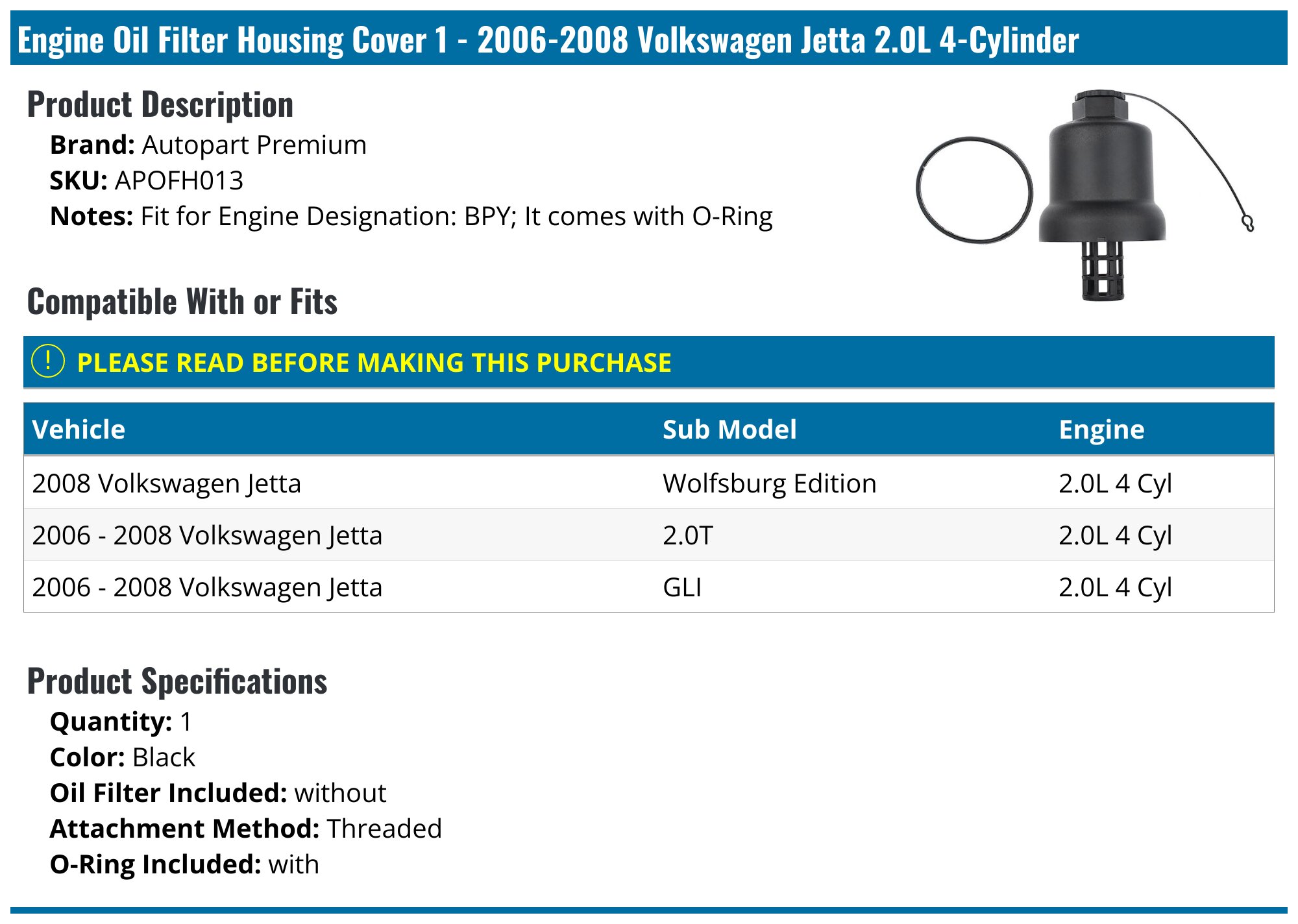
- Oil Filter Wrench/Socket: Most 2016 Jettas use a cartridge-style filter (1.8L and 2.0L) or a traditional spin-on filter (1.4L). The 1.8L/2.0L requires a 32mm socket to remove the filter housing cap.
- Drain Plug Tool: A 19mm wrench or socket for the traditional metal pans, or a large flat-head screwdriver/specialty tool for the plastic oil pans found on some 1.8L/2.0L models.
- Torque Wrench: Essential for ensuring the drain plug is tightened to approximately 22 lb-ft (30 Nm) to avoid stripping the threads.
- New Crush Washer: Never reuse the old metal washer; it is a one-time-use compression seal.
The "Top-Down" Extraction Method
A popular alternative for Jetta owners is using a vacuum extractor. Because the oil filter on the 1.8L and 2.0L engines is located at the top of the engine bay, you can suck the old oil out through the dipstick tube and change the filter without ever lifting the car. This method is often cleaner and ensures you can measure exactly how much oil was removed, which helps in confirming the refill amount.
Step-by-Step Oil Change Procedure
If you are performing a traditional "bottom-up" oil change, follow these steps to ensure you reach the correct oil capacity without overfilling.
1. Warm the Engine
Run the engine for about 5 minutes. Warm oil flows faster and carries more contaminants out of the pan than cold, viscous oil.
2. Drain the Old Oil
Place a drain pan under the engine. Remove the oil fill cap (this prevents a vacuum and allows the oil to drain smoothly). Remove the drain plug. Allow the oil to drain until it is a very slow drip. This can take 10 to 15 minutes.
3. Replace the Filter
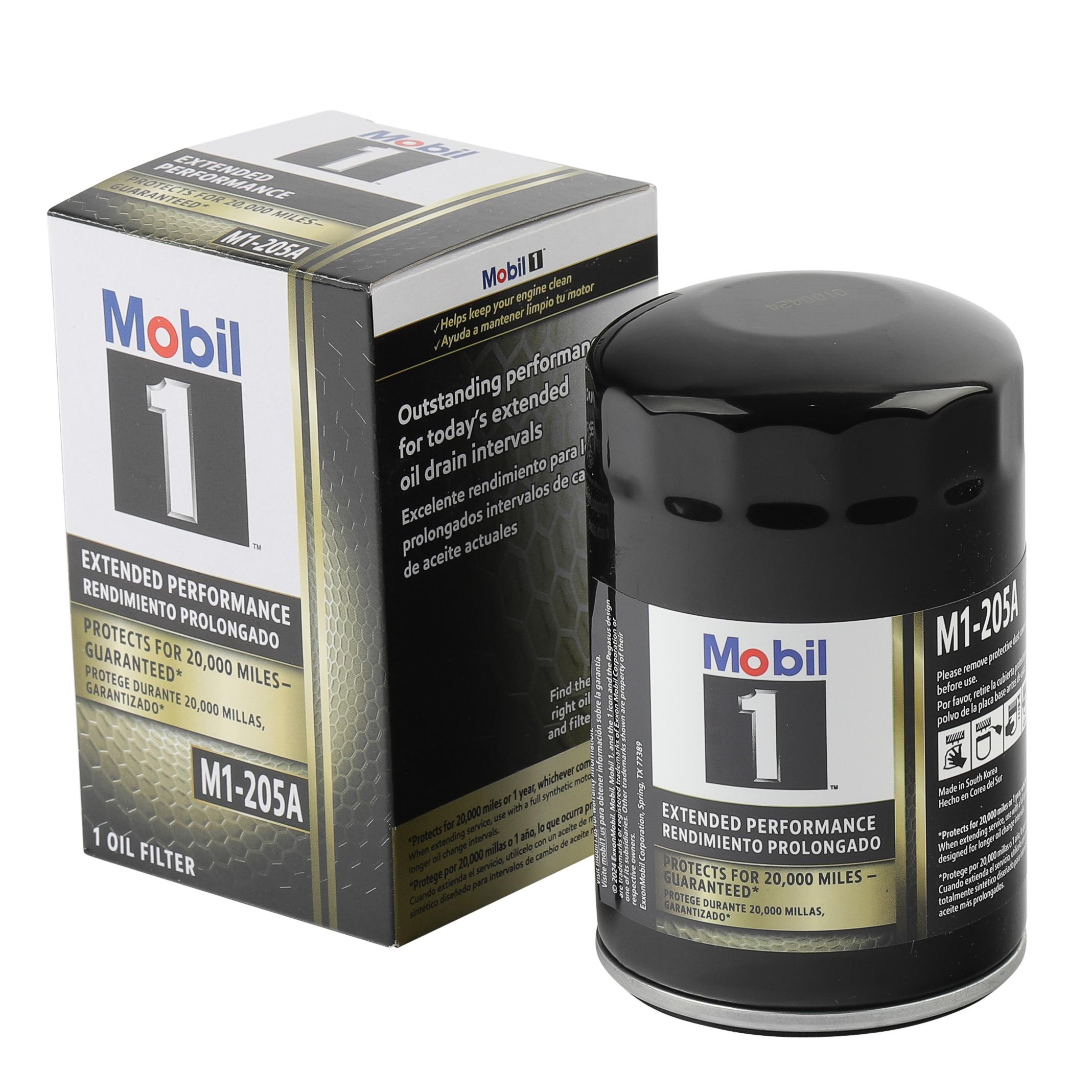
- For 1.4L Engines: Unscrew the spin-on filter. Lubricate the rubber gasket of the new filter with clean oil and hand-tighten.
- For 1.8L/2.0L Engines: Unscrew the black plastic cap on top of the engine. Replace the paper element inside and the large O-ring on the cap. Lightly coat the O-ring with oil before re-installing.
4. Reinstall the Drain Plug
Install a new crush washer on the drain plug. Thread it in by hand first to avoid cross-threading, then torque to 22 lb-ft.
5. Add New Oil (The Filling Process)
Do not pour the entire capacity in at once. If your capacity is 6.0 quarts, start by adding 5.5 quarts.
- Pour in the initial 5.5 quarts.
- Replace the fill cap and start the engine. Let it run for 30 seconds to circulate oil into the new filter.
- Turn off the engine and wait 3-5 minutes for the oil to settle back into the pan.
- Check the dipstick. Add the remaining 0.5 quarts incrementally until the level is in the "hatched" or "MAX" zone.
Common Mistakes and Troubleshooting
Despite the simplicity of an oil change, several common errors can lead to engine damage or confusing readings in a 2016 Jetta.
Overfilling the Oil
Exceeding the 4.2 or 6.0-quart capacity is dangerous. Overfilling can cause the crankshaft to "whip" the oil, aerating it (creating foam). Air does not lubricate like liquid oil, which can lead to oil pressure drops and engine wear. If you find you are significantly above the "MAX" line, you must drain the excess.
False Dipstick Readings
The 2016 Jetta dipstick can be tricky to read. Often, oil clings to the side of the dipstick tube, smearing the indicator. Always wipe the dipstick clean, reinsert it fully, wait two seconds, and pull it out in one smooth motion for an accurate reading.
Leaking Drain Plug
If you notice oil spots on your driveway after a change, the most likely culprit is the crush washer. If the washer wasn't replaced or the plug wasn't torqued correctly, the high pressure of the system will eventually force oil past the threads.
Cost Comparison: DIY vs. Professional Service in 2026
As of 2026, the cost of maintenance has risen due to the increased price of high-quality synthetic lubricants and specialized labor.
- Dealership Service: A full synthetic oil change for a Jetta at a Volkswagen dealership typically ranges from $110 to $160. This usually includes a multi-point inspection and an OEM filter.
- Independent Shop: You can expect to pay between $90 and $130. Ensure the shop uses oil that actually meets the VW 502 00 spec, as many "bulk" synthetic oils do not.
- DIY Method: Purchasing 6 quarts of high-quality VW-approved oil (like Castrol Edge or Liqui Moly) and an OEM Mann or Mahle filter will cost roughly $55 to $75.
Doing it yourself not only saves about 50% of the cost but also allows you to inspect the old oil for any metal flakes or signs of coolant contamination, which is vital for the long-term health of an older vehicle.
Frequently Asked Questions
Can I use 5W-20 oil in my 2016 Jetta?
No. Most 2016 Jetta engines require 5W-30 or 5W-40. Using a thinner 5W-20 oil, which is common in many modern domestic vehicles, will not provide sufficient protection for the Jetta's turbocharger and may lead to premature engine wear or "low oil pressure" warnings when the engine is hot.
How often should I change the oil in a 2016 Jetta?
While Volkswagen originally suggested a 10,000-mile interval, most technical experts and long-term owners recommend a 5,000 to 7,500-mile interval, especially as the car ages. Turbocharged engines are harder on oil, and shorter intervals help prevent carbon buildup on the intake valves.
Is there a difference between the 1.8L and 2.0L oil filters?
In many cases, the 1.8L and 2.0L TSI engines use the same cartridge-style filter (part number 06L115562B). However, the 1.4L engine uses a completely different spin-on filter (part number 04E115561H). Always verify the part number with your VIN before purchasing.
My manual says 5.8 quarts, but I put in 6 and it looks fine. Is that okay?
Yes. The difference between 5.8 and 6.0 quarts is negligible (about 6 ounces). Most mechanics simply put in the full 6 quarts to avoid having a tiny amount of oil left in a bottle. As long as the dipstick does not show the level above the "MAX" bend, it is safe.
Does the 2016 Jetta have an oil life monitor?
The Jetta has a service interval reminder that counts down based on mileage and time (usually 10,000 miles or 365 days). It does not "analyze" the oil quality like some systems in other brands. You must manually reset this light via the dashboard menu or an OBD-II scanner after every change.
Expert Recommendation for 2016 Jetta Owners
To ensure your 2016 Jetta remains reliable through 2026 and beyond, prioritize specification over brand. Look for the VW 502 00 or 504 00 certification on the bottle. If you own the 1.8L or 2.0L engine, invest in a 32mm socket and a torque wrench to handle the oil filter housing and drain plug correctly. Finally, keep a log of your oil changes; these engines are sensitive to neglect, and a documented history of 5,000-mile synthetic oil changes is the best way to preserve the vehicle’s resale value and mechanical integrity.