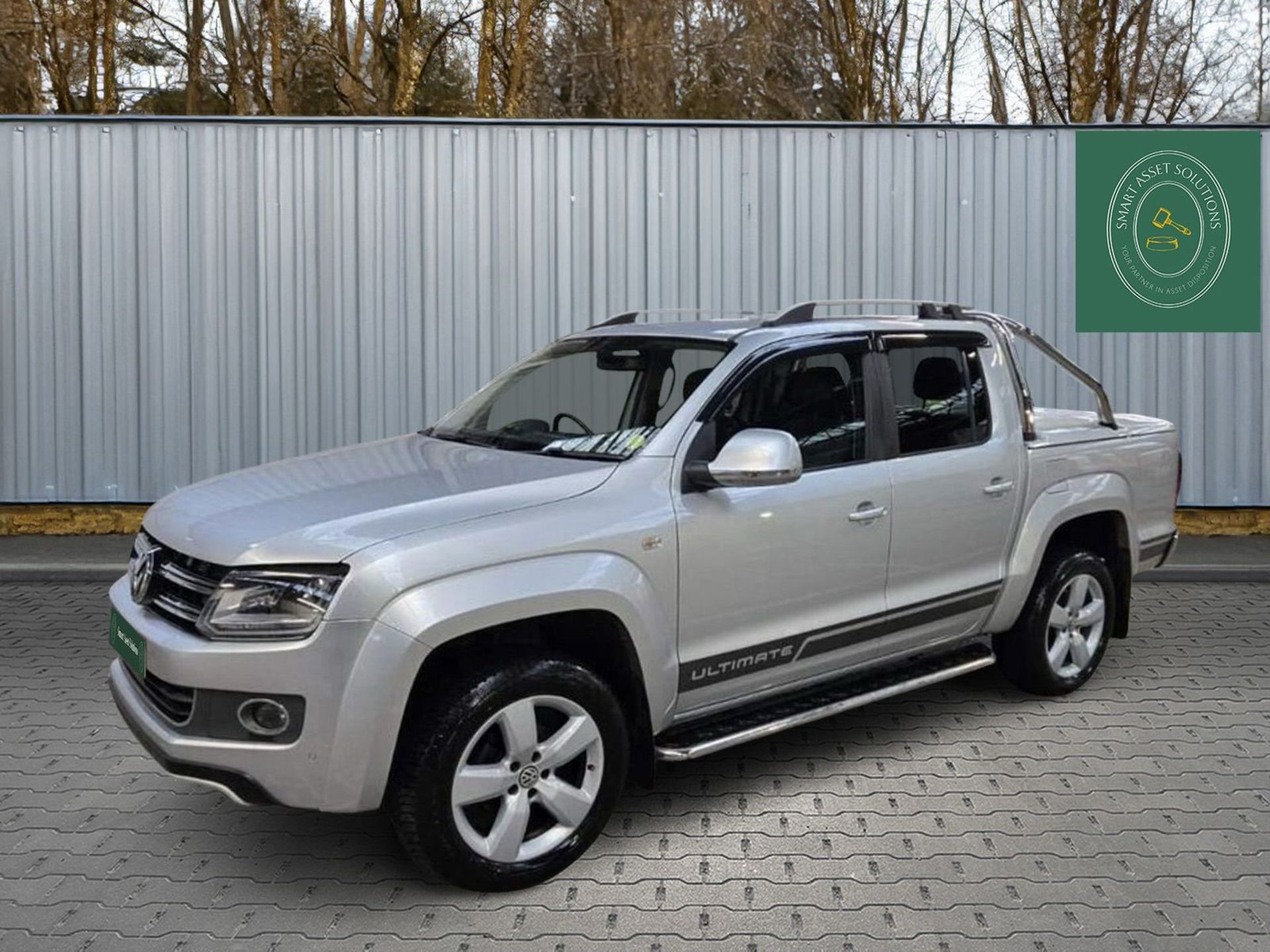
The 2015 Volkswagen Amarok remains a standout in the mid-size pickup segment, offering a refined European driving experience, class-leading interior ergonomics, and a massive cargo bed capable of housing a full-sized Euro pallet. Known for its sophisticated ZF 8-speed automatic transmission and efficient 2.0-liter bi-turbo diesel engine, it bridges the gap between a rugged workhorse and a family-friendly SUV.
The Evolution of the 2015 Volkswagen Amarok
By the time the 2015 model year arrived, Volkswagen had successfully disrupted the traditional hierarchy of the dual-cab ute (utility) market. Before the Amarok's arrival, the segment was dominated by Japanese offerings like the Toyota HiLux and Mitsubishi Triton, which prioritized mechanical simplicity over cabin comfort. The 2015 Amarok represented the "sweet spot" of the first-generation (2H) production run, benefiting from several years of incremental updates that addressed early teething issues regarding electronics and sensor reliability.
In 2015, the Amarok was positioned as a premium alternative. While competitors were still using archaic four- or five-speed automatics, Volkswagen’s inclusion of the ZF-sourced 8-speed automatic gave it a distinct advantage in fuel efficiency and highway refinement. This year also saw the diversification of trim levels, ranging from the utilitarian "Core" to the lifestyle-oriented "Highline" and the range-topping "Ultimate" or "Canyon" special editions.
Engine Specifications and Powertrain Performance
The heart of the 2015 Amarok range is the 2.0-litre four-cylinder TDI engine family. While some traditionalists in 2015 were skeptical of a small-displacement engine in a heavy pickup, the use of sophisticated turbocharging technology allowed Volkswagen to match or exceed the torque figures of larger-displacement rivals.
The 2.0L BiTDI (Twin-Turbo)
The flagship engine for 2015 was the 132kW (177hp) BiTDI. This unit employs a sequential turbocharging setup: a smaller high-pressure turbo handles low-end boost to eliminate "turbo lag," while a larger low-pressure turbo takes over at higher RPMs to provide sustained power.
- Torque: 400 Nm (Manual) / 420 Nm (Automatic)
- Performance: The torque delivery is exceptionally linear, peaking as low as 1,500 RPM. This makes the 2015 Amarok an excellent vehicle for low-speed technical off-roading and effortless overtaking on the highway.
The 2.0L TDI (Single Turbo)
Found primarily in the entry-level Core or fleet-spec models, the single-turbo variant produced 103kW (138hp) and 340 Nm of torque. While less potent than the BiTDI, this engine is often praised in the used market for its relative simplicity and lower long-term maintenance costs.
Transmission Options
The 2015 Amarok offered two primary transmission paths:
- 6-Speed Manual: Usually paired with a selectable 4x4 system (low-range transfer case). This is the preferred choice for those engaging in heavy-duty off-roading where crawler gears are essential.
- 8-Speed ZF Automatic: Paired with a permanent 4MOTION all-wheel-drive system. This gearbox is widely considered one of the best ever fitted to a commercial vehicle, offering seamless shifts and an ultra-low first gear that acts as a "pseudo-low range" for most off-road scenarios.
Off-Road Capability and 4MOTION Systems
A critical part of any 2015 Volkswagen Amarok overview is understanding the two distinct 4MOTION systems available. Volkswagen did not take a one-size-fits-all approach to traction, catering instead to different user profiles.
Selectable 4WD (Manual Models)
This system functions like a traditional 4x4. The driver can switch between 2H (rear-wheel drive), 4H (high-range 4WD), and 4L (low-range 4WD). It features a mechanical transfer case, making it the robust choice for those tackling soft sand, deep mud, or steep rocky inclines.
Permanent 4WD (Automatic Models)
The automatic 2015 Amarok utilizes a Torsen central differential. This system automatically distributes power between the front and rear axles based on available grip. It is significantly safer for driving on wet tarmac or varying gravel surfaces, as the vehicle is always in all-wheel drive. For more difficult terrain, a button-activated rear differential lock was standard or optional on most 2015 trims, ensuring both rear wheels spin at the same speed regardless of traction.
Interior Design, Comfort, and Technology
Inside, the 2015 Amarok feels more like a Volkswagen Golf or Passat than a commercial truck. The dashboard layout is intuitive, utilizing high-quality plastics that, while hard to the touch for durability, are fitted with tight tolerances that prevent the "rattles" common in older pickups.
Ergonomics and Space
The Amarok boasts the widest cabin in its class for the 2015 model year. This translates to genuine shoulder room for three adults in the rear—a feat many of its competitors struggle to achieve. The "ErgoComfort" seats, particularly in the Highline and Ultimate trims, provide excellent lateral support, reducing fatigue on long-distance drives.
Infotainment
By 2015, the Amarok featured the RCD or RNS series of head units. While these lack the modern smartphone integration (like Apple CarPlay) found in 2026 models, the RNS510 system offered satellite navigation, Bluetooth connectivity, and a crisp display for the era. Many owners in the current used market choose to retrofit modern MIB-style units, which is a straightforward process given the Amarok’s standard double-DIN dashboard aperture.
Payload and Towing Capacity
The Amarok's "party trick" is its cargo bed. It was the first mid-size pickup to offer a width of 1,222mm between the wheel arches, allowing it to carry a standard 1,200mm x 800mm Euro pallet sideways.
| Feature | Specification (2015 Model) |
|---|---|
| Max Braked Towing Capacity | 3,000kg to 3,200kg (depending on spec) |
| Max Payload | ~1,000kg to 1,150kg |
| Tray Width (Total) | 1,620mm |
| Width Between Wheel Arches | 1,222mm |
| Fuel Tank Capacity | 80 Litres |
In 2015, Volkswagen also offered two different rear suspension setups. The "Comfort" leaf spring pack (2+1 layers) provided a ride quality comparable to an SUV but reduced the gross vehicle mass (GVM). The "Heavy Duty" pack (3+2 layers) was designed for constant loads and trade use, though it could feel somewhat "bouncy" when the tray was empty.
Reliability, Common Issues, and Maintenance
As we look back at the 2015 Amarok from the perspective of 2026, we have over a decade of data regarding its long-term durability. While the Amarok is a robust vehicle, it requires stricter adherence to maintenance schedules than some of its simpler Japanese counterparts.
The Timing Belt (Crucial)
Unlike some engines that use a timing chain, the 2.0L TDI uses a belt. In the 2015 model, this belt must be replaced every 105,000km to 120,000km (depending on the market and conditions). Failure to do so can result in catastrophic engine damage. Prospective buyers of a used 2015 Amarok should prioritize seeing proof of this service.
EGR Valve and DPF
Common to many Euro 5 diesel engines of this era, the Exhaust Gas Recirculation (EGR) valve and Diesel Particulate Filter (DPF) can become clogged if the vehicle is used exclusively for short city trips. The 2015 Amarok needs regular highway runs to perform a "regeneration" cycle to burn off accumulated soot.
Serpentine Belt and Tensioner
A known vulnerability in the 2015 Amarok is the serpentine (accessory) belt. If the tensioner fails or dust ingress occurs, the belt can snap and, in worst-case scenarios, get sucked into the timing belt cover. Many owners opt to install a "crank guard" as a preventative measure.
2015 Amarok Comparison: Core vs. Highline vs. Ultimate
Choosing the right trim level for a 2015 Amarok depends on whether the vehicle's primary role is work or leisure.
- Amarok Core: The "no-frills" version. It usually features 16-inch alloy wheels, hard-wearing cloth seats, and a simplified exterior with matte black bumpers. It is the preferred choice for those planning to add aftermarket bull bars and off-road accessories.
- Amarok Highline: The most popular trim. It added chrome exterior accents, 18-inch wheels, dual-zone climate control, and front/rear parking sensors. It strikes the best balance between price and features.
- Amarok Ultimate/Canyon: These were the "lifestyle" flagships. They often included heated leather seats, 19-inch wheels, unique paint colors (like Copper Orange for the Canyon), and premium LED daytime running lights—a rarity for pickups in 2015.
Safety Ratings and Equipment
The 2015 Volkswagen Amarok maintained a high standard for safety during its production. It was awarded a 5-star rating by both ANCAP and Euro NCAP. Standard safety features across the 2015 range included:
- Electronic Stability Control (ESC): Calibrated with an "Off-Road Mode" that allows for more wheel slip on loose surfaces.
- Anti-lock Braking System (ABS): Also includes an off-road setting that allows a small wedge of dirt to build up in front of the tires to shorten stopping distances on gravel.
- Airbags: Front and side/head airbags were standard, though it is important to note that the Amarok of this era did not feature rear curtain airbags, a common critique compared to some rivals.
- Trailer Sway Control: Integrated into the stability system to help prevent dangerous oscillations when towing heavy loads.
Used Market Considerations for 2026
If you are researching a 2015 Volkswagen Amarok today, you are likely looking at vehicles with between 150,000 and 250,000 kilometers on the odometer. At this stage of the vehicle's life, the "Overview" changes from performance specs to maintenance history.
A well-maintained 2015 Amarok can easily exceed 350,000km, but the cost of ownership increases if major components like the turbos or fuel injectors require replacement. Check for a consistent service logbook from a Volkswagen specialist or authorized dealer. Inspect the rear leaf springs for squeaks (a common Amarok trait that usually requires simple lubrication or bushing replacement) and ensure the 8-speed automatic shifts smoothly without "hunting" for gears.
Frequently Asked Questions
Does the 2015 Volkswagen Amarok have a V6 engine?
No. While the Amarok eventually received a powerful 3.0L V6 engine, that update did not arrive until late 2016 for the 2017 model year. The 2015 models are exclusively powered by 2.0-liter four-cylinder diesel engines (either single or twin-turbo).
How much can a 2015 Amarok realistically tow?
Most 2015 Amarok models are rated to tow 3,000kg (braked), with some variants rated up to 3,200kg. However, it is vital to check the Gross Combined Mass (GCM) for your specific trim, as towing at the maximum limit often reduces the allowable payload in the tray significantly.
Is the 2015 Amarok's 2.0L engine "underpowered"?
Despite the small displacement, the 2.0L BiTDI produces 420 Nm of torque, which was competitive with the 3.0L and 3.2L engines of its era. Thanks to the 8-speed transmission, the engine stays in its power band more effectively than its rivals, making it feel surprisingly punchy in daily driving.
What are the main differences between the Manual and Automatic 4WD?
The manual uses a part-time, selectable 4WD system with a low-range gear for heavy off-roading. The automatic uses a permanent 4WD (all-wheel drive) system with a Torsen differential, which is better for road safety and towing but lacks a traditional low-range transfer case.
Does the 2015 Amarok suffer from "Dieselgate"?
The 2015 Amarok was equipped with the EA189 engine family, which was involved in the global emissions recall. Most vehicles in the market have already received the software update. You can verify if a specific vehicle is affected or has been rectified by checking the VIN on the official Volkswagen website.
Practical Recommendation
The 2015 Volkswagen Amarok remains an excellent choice for buyers who prioritize driving dynamics and interior space over mechanical simplicity. If you are looking for a used model, aim for a Highline with the 8-speed automatic. This configuration offers the best "Volkswagen" experience—effortless highway cruising, great fuel economy (often under 8.5L/100km on the open road), and a premium feel that many brand-new budget pickups still struggle to match in 2026. Prioritize vehicles with a documented timing belt replacement and avoid those used for heavy beach work to ensure you don't inherit hidden rust or salt damage.