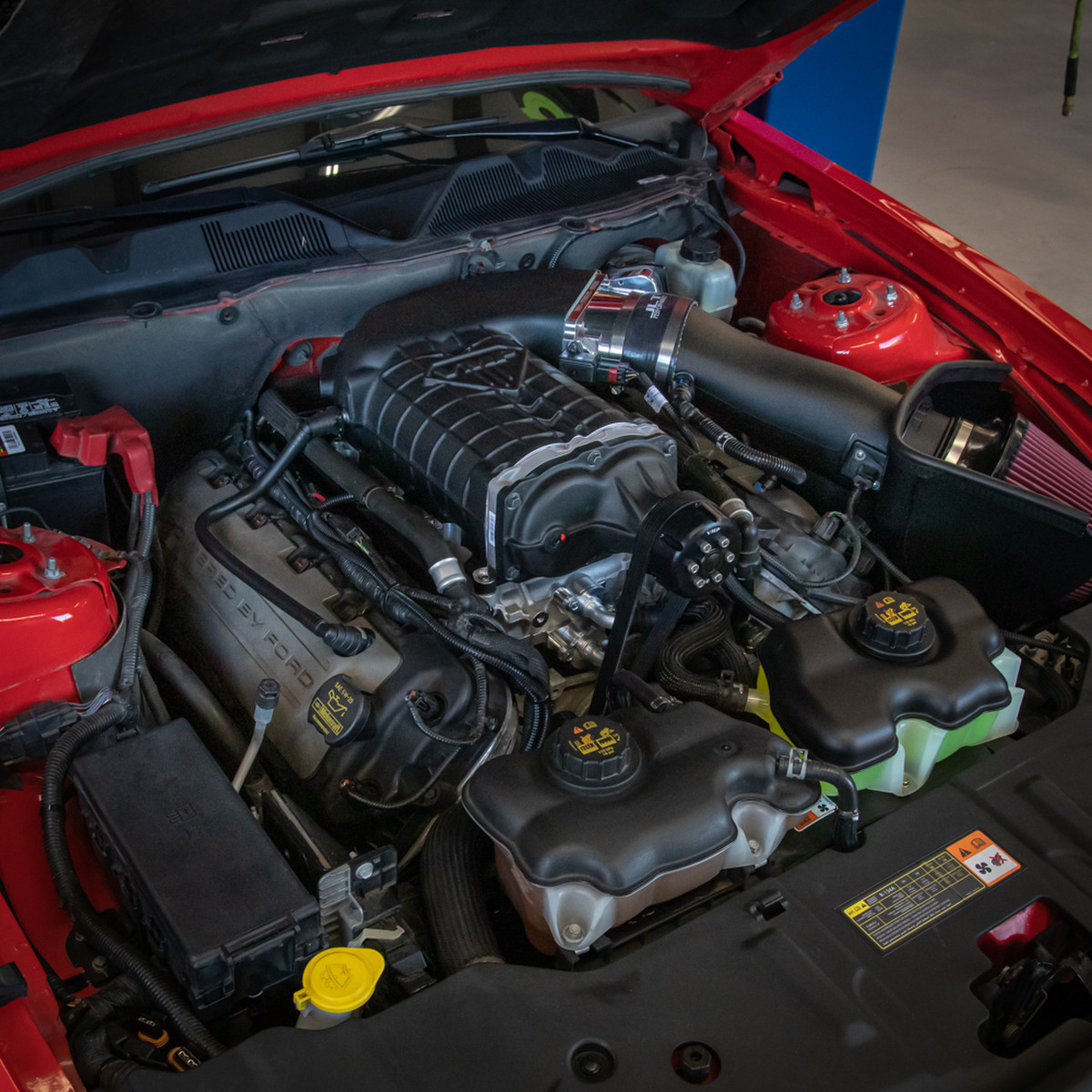
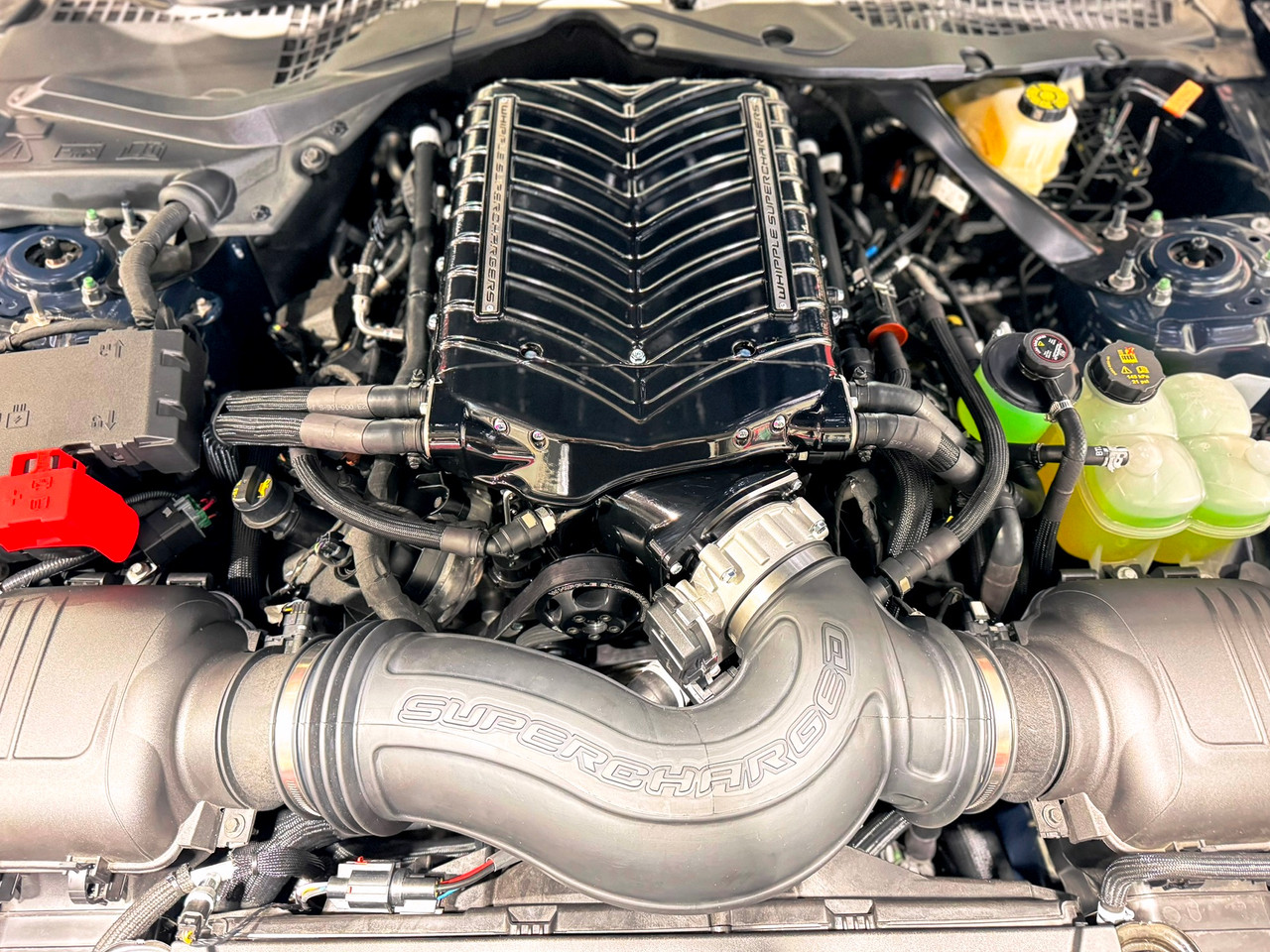
Upgrading a 2014 Mustang GT with a supercharger kit transforms the 5.0-liter Coyote V8 engine from a formidable muscle car into a high-horsepower powerhouse, typically boosting output from the stock 420 horsepower to anywhere between 575 and over 700 horsepower depending on boost pressure and supporting modifications.
The 2014 model year marked the final iteration of the S197 generation of Ford Mustangs, and it features a remarkably robust aluminum-block Coyote engine. This powerplant responds exceptionally well to forced induction, making a 2014 mustang gt supercharger kit one of the most popular and effective modifications for enthusiasts seeking dramatic performance gains. However, selecting, purchasing, and installing a supercharger kit requires careful consideration of mechanical limitations, fueling requirements, cooling upgrades, and overall budget constraints.
Understanding the 2014 Mustang GT Platform and the Coyote Engine
The 2014 Mustang GT is powered by the first-generation 5.0L DOHC Coyote V8 engine. Out of the factory, this engine produces 420 horsepower at 6,500 RPM and 390 lb-ft of torque at 4,250 RPM. A high compression ratio of 11.0:1 allows the engine to be exceptionally responsive and efficient in naturally aspirated form, but this compression ratio also means that adding forced induction demands precise tuning and careful management of cylinder pressures to prevent detonation.
When considering a supercharger kit, the first mechanical factor to evaluate is the internal strength of the stock engine. The Gen-1 Coyote features hypereutectic aluminum pistons and powdered metal connecting rods. While these factory components are surprisingly durable and can safely handle up to roughly 650 to 700 wheel horsepower on a healthy engine with a safe, conservative tune, pushing past this threshold significantly increases the risk of ring-land failure or bending a connecting rod. Therefore, setting a realistic horsepower goal is the essential first step before browsing available kits.
Types of Supercharger Kits Available for the 2014 Mustang GT
The aftermarket offers two primary styles of superchargers for the S197 Coyote platform: centrifugal superchargers and positive-displacement (roots-style or twin-screw) superchargers. Each type delivers power differently and alters the driving dynamics of the Mustang GT in distinct ways.
Centrifugal Superchargers
Centrifugal superchargers operate similarly to a turbocharger compressor, driven by a belt connected to the crankshaft via a step-up gearcase. Brands like ProCharger and Vortech are major players in this category for the 2014 Mustang GT.
- Power Delivery: Power builds progressively as engine RPM climbs, mimicking the feel of a naturally aspirated engine with a massive top-end rush. Peak boost is achieved at redline.
- Thermal Efficiency: These units generally run cooler than roots-type blowers, making them excellent for sustained high-speed driving or track days.
- Packaging: They are typically mounted at the front of the engine bay, keeping under-hood heat soaking to a manageable level.
Positive-Displacement Superchargers (Roots and Twin-Screw)
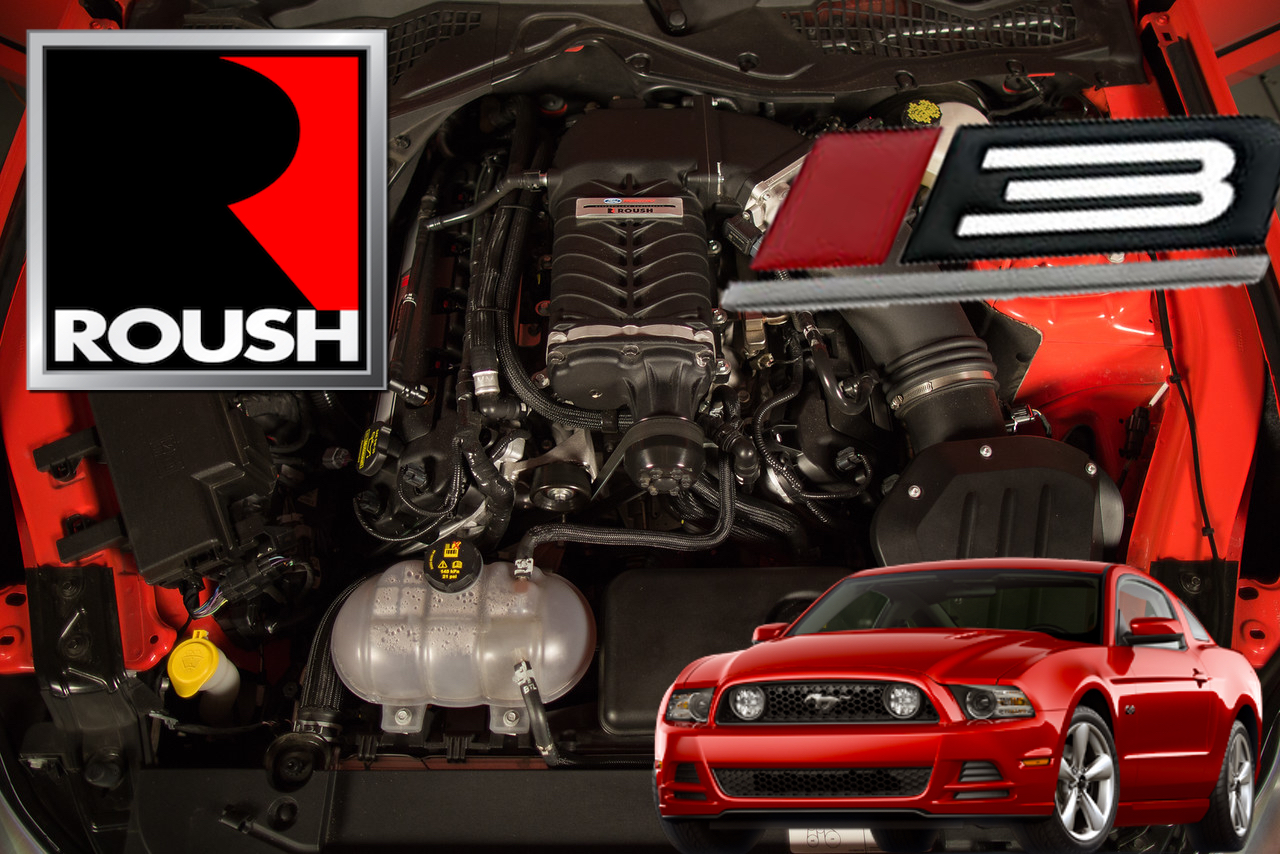
Positive-displacement superchargers, such as those offered by Roush, Whipple, and Edelbrock (E-Force), mount directly on top of the engine, replacing the factory intake manifold.
- Power Delivery: They deliver instant, neck-snapping boost the moment the throttle is depressed, providing immense low-end and mid-range torque.
- Throttle Response: The instant torque curve makes the car feel exceptionally fast around town and provides immediate acceleration out of tight corners.
- Thermal Management: Because they sit directly on top of the engine and compress air internally, they often require robust intercooler systems to keep intake air temperatures in check during aggressive driving.
| Supercharger Type | Primary Manufacturers | Power Characteristics | Best Suited For |
|---|---|---|---|
| Centrifugal | ProCharger, Vortech, Paxton | Linear, high-RPM power surge | Street/Strip, Open-Track Racing |
| Positive-Displacement | Whipple, Roush, Edelbrock | Instant low-end torque, flat power band | Street Driving, Drag Racing |
Key Components of a Complete Supercharger Kit
When purchasing a 2014 mustang gt supercharger kit, buyers must distinguish between "tuner kits" and "complete systems."
A complete system typically includes the supercharger unit itself, an intake manifold or discharge tubing, a dedicated air-to-water or air-to-air intercooler, high-flow fuel injectors, a revised fuel pump or booster, a new belt, pulleys, and a pre-calibrated engine control module (ECM) handheld programmer (such as an SCT device) with a safe base tune.
A tuner kit, by contrast, usually omits the fuel injectors and the custom calibration. Tuner kits are designed for enthusiasts working with custom tuning shops who want to build a custom engine configuration, upgrade to larger fuel systems from the start, or run custom pulleys and higher boost levels than what is provided in out-of-the-box street kits.
Fuel System Requirements
The factory fuel system on the 2014 Mustang GT is adequate for stock power levels, but it will quickly max out under forced induction. A standard supercharger kit designed for 600 horsepower will include larger fuel injectors (typically 47 lb/hr to 56 lb/hr or larger) and often a fuel pump voltage booster or upgraded in-tank pumps to ensure the Coyote engine never leans out under wide-open throttle.
Cooling Systems
Compressed air creates heat, and elevated intake air temperatures (IATs) rob horsepower and introduce the risk of destructive engine knock. Complete kits feature custom aluminum heat exchangers, high-capacity water pumps, and reservoirs dedicated to keeping the intercooler fluid cool. Ensuring proper coolant bleeding and maintenance of this secondary cooling loop is critical for consistent performance.
Installation Overview and Technical Prerequisites
Installing a supercharger kit on a 2014 Mustang GT is an involved intermediate-to-advanced mechanical project. While it can be accomplished in a well-equipped home garage with standard hand tools, air tools, and a floor jack, the process typically takes anywhere from 10 to 20 hours depending on the installer's experience level and the complexity of the kit.
Preparation and Teardown
- Disconnect the Battery: Always disconnect the negative battery terminal before beginning any electrical or fuel system work.
- Drain Fluids: Drain the engine coolant to prepare for removing thermostat housings, factory intake manifolds, or front timing covers depending on the kit design.
- Remove Factory Components: Remove the factory air box, intake manifold, throttle body, and accessory drive belt. For centrifugal kits, front bumper cover removal may be required to mount the front-mount intercooler and ducting properly.
Mechanical Assembly
- Bracket and Unit Mounting: Follow the manufacturer's torque specifications meticulously when bolting down supercharger brackets and blower assemblies. Misalignment can lead to premature belt shredding or catastrophic bearing failure.
- Intercooler Plumbing: Secure all silicone couplers and hose clamps. Pressure testing the intake tract with a boost leak tester after installation is highly recommended to prevent vacuum leaks and unmetered air entry.
- SpARK Plugs: It is standard industry practice to replace factory spark plugs with one-step colder plugs (such as NGK gapped tightly, typically around 0.028 to 0.032 inches) to prevent spark blowout under high cylinder pressures.
Tuning, Calibration, and Dyno Verification
Once all mechanical components, fuel system upgrades, and cooling lines are secured, the vehicle must be calibrated. If using a complete kit with a manufacturer-supplied tune, flash the ECM using the provided handheld programmer according to the instructions.
However, professional dyno tuning is strongly recommended—and mandatory if using a tuner kit or custom pulley ratios. A professional tuner will monitor air-fuel ratios (AFR), ignition timing advance, knock sensors, and fuel rail pressure on a chassis dynamometer to ensure the engine operates safely across the entire RPM band. A poorly tuned supercharger kit can destroy a stock Coyote engine in seconds due to lean conditions or excessive timing advance.
Frequently Asked Questions
Will installing a supercharger void my factory warranty?
The factory bumper-to-bumper and powertrain warranties for a 2014 Mustang GT expired years ago. However, if purchasing specific manufacturer-backed kits (such as certain Roush packages installed by an ASE-certified technician or Ford dealer when new), limited third-party powertrain warranties were historically available. Verify any current aftermarket component warranties directly with the manufacturer at the time of purchase.
Can I run a supercharger on a completely stock 2014 Mustang GT engine?
Yes. The stock internal components of the Gen-1 Coyote V8 can reliably handle the boost levels of standard street kits (typically 6 to 8 psi), producing around 550 to 600 wheel horsepower without requiring engine modifications like forged pistons or upgraded rods.
Do I need to upgrade my clutch or transmission with a supercharger?
If your 2014 Mustang GT is equipped with the manual MT-82 transmission, a stock clutch will likely begin to slip under the sudden increase in torque, especially during aggressive acceleration or track use. Upgrading to an aftermarket twin-disc or heavy-duty single-disc clutch kit is highly recommended. The automatic 6R80 transmission is remarkably robust in stock form but benefits immensely from custom tuning to firm up shift points and manage increased power loads.
What kind of fuel should I use after supercharging?
Most standard off-the-shelf supercharger kits calibrated for street use are designed to run safely on premium 91 or 93 octane pump gas. If you plan to run smaller pulleys for higher boost pressures, you will need to utilize E85 ethanol fuel or race gas, which requires a completely upgraded fuel system including larger injectors and return-style fuel lines or dual pumps.
Conclusion and Next Actions
Upgrading your 2014 Mustang GT with a supercharger kit is one of the most rewarding modifications available for the S197 platform, turning a great muscle car into an absolute street and track weapon. To ensure a successful build, establish a clear horsepower goal, verify the condition of your stock engine via a compression and leak-down test, purchase a complete kit suited to your driving style, and prioritize professional dyno tuning to safeguard your investment.