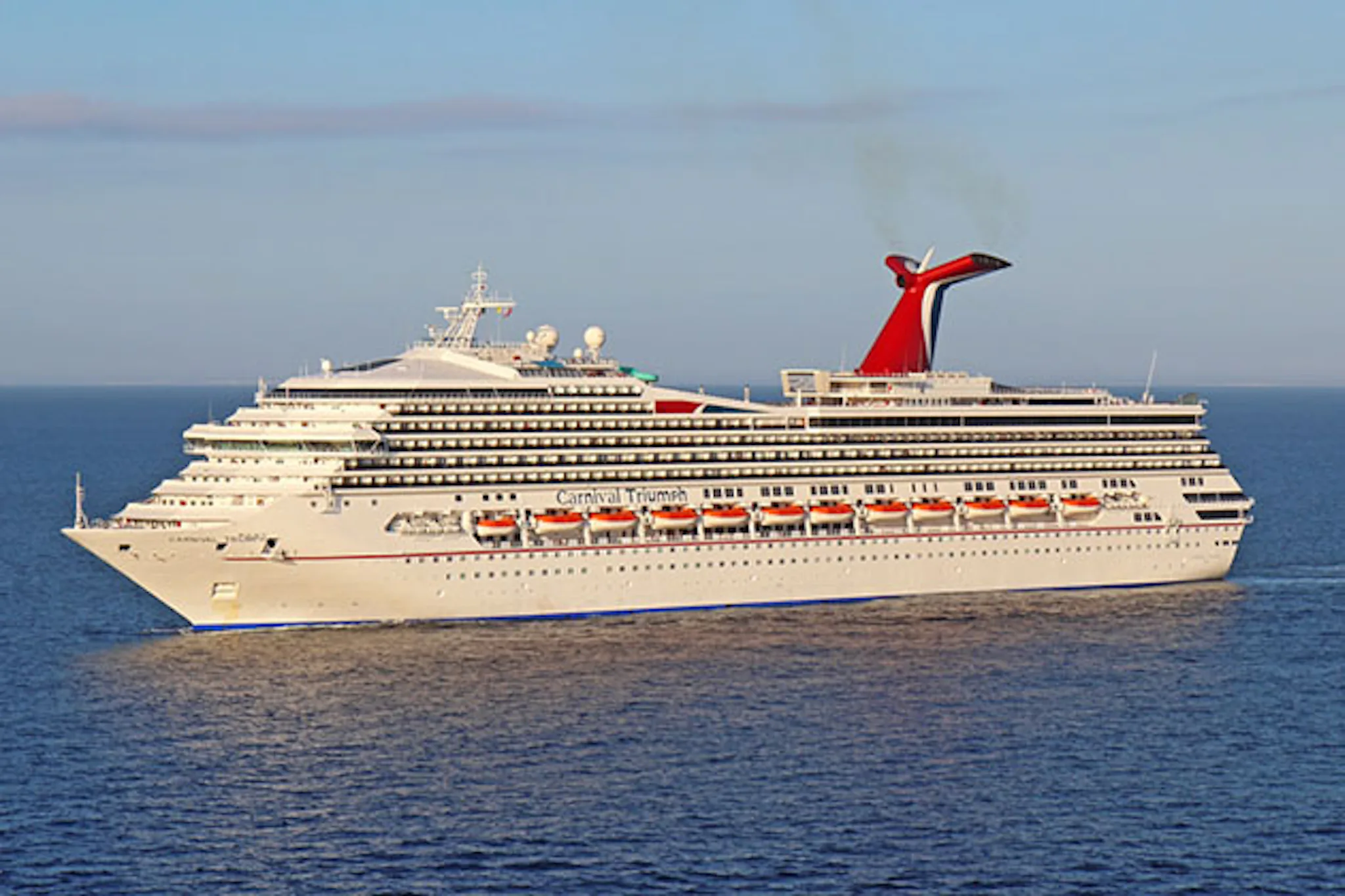
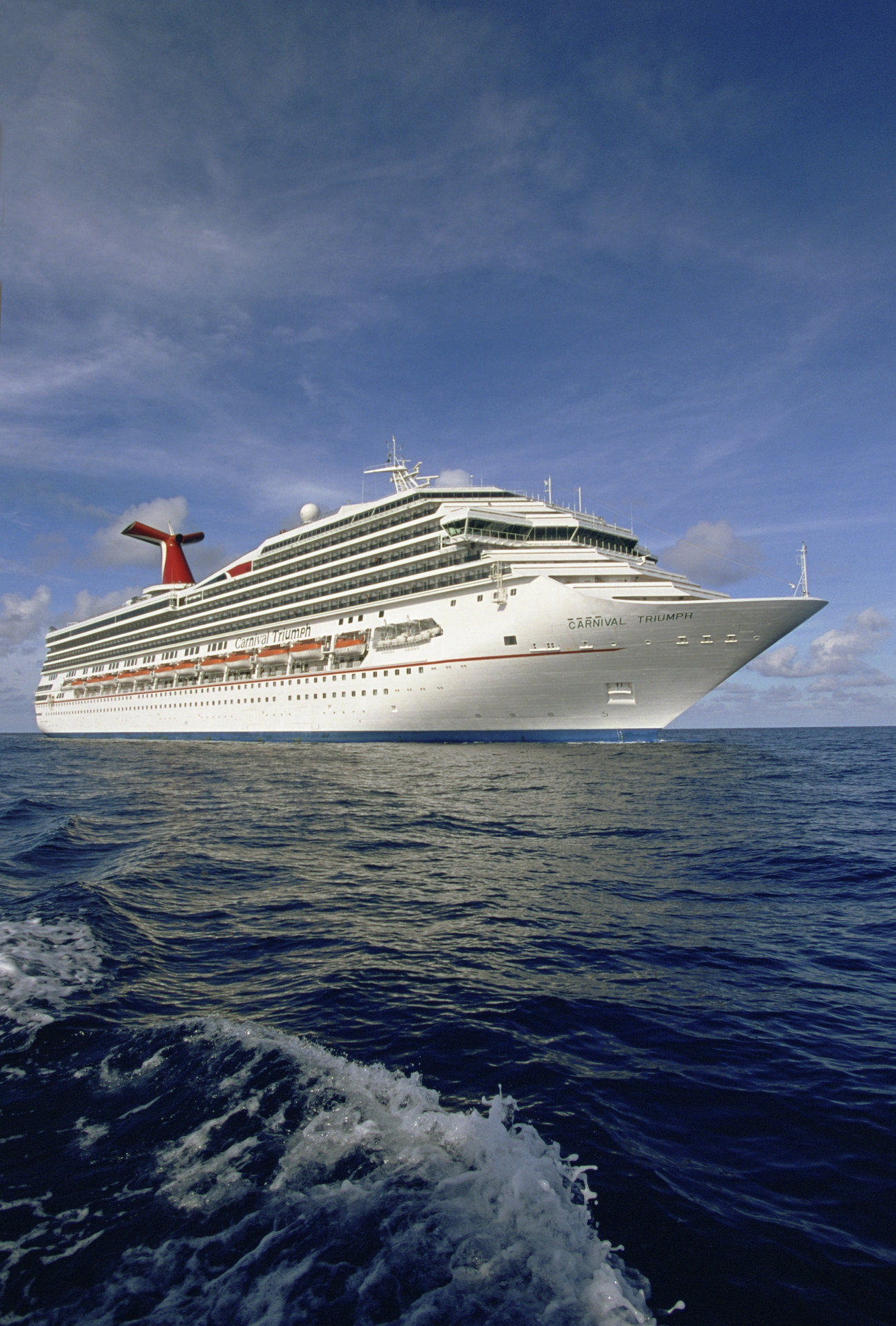
On February 10, 2013, a catastrophic engine room fire aboard the Carnival Triumph left the cruise ship without propulsion or basic power in the Gulf of Mexico. For four days, over 4,000 people endured harrowing sanitary conditions and food shortages before the vessel was towed to Mobile, Alabama, sparking a massive overhaul of maritime safety regulations.
The Mechanical Failure: Anatomy of the Engine Room Fire
The disaster began early Sunday morning, February 10, 2013, as the Carnival Triumph was approximately 150 miles off the coast of the Yucatán Peninsula. The vessel was on the third day of a four-day cruise from Galveston, Texas. The primary cause of the incident was a mechanical failure in the ship's engine room, specifically involving the #6 diesel generator.
According to the official investigation by the National Transportation Safety Board (NTSB), a flexible fuel oil return line on the generator leaked. This leak allowed fuel to spray onto a hot surface of the engine, which quickly ignited. While the ship’s automated fire suppression systems, including the Hi-Fog water mist system, eventually extinguished the blaze, the damage was already catastrophic. The fire destroyed the ship’s primary power cables and severed the connection to the propulsion system.
This left the Carnival Triumph in a "dead ship" state. In maritime terms, this means the vessel had no main propulsion, no steering, and no primary electrical power. While emergency generators kicked in to provide minimal lighting and essential communication, they were insufficient to power the ship’s massive hotel load, which includes air conditioning, galley equipment, and, most critically, the plumbing and sewage systems.
Life Onboard: The Reality of the "Poop Cruise"
As the news broke that the ship was adrift, the media quickly dubbed the event the "Poop Cruise," a moniker that would haunt Carnival Cruise Line for years. The nickname was not hyperbole; the conditions onboard deteriorated rapidly as the emergency generators failed to support the vacuum-sealed sewage systems required for the thousands of toilets on the 100,000-ton vessel.
Sanitary Conditions and Health Hazards
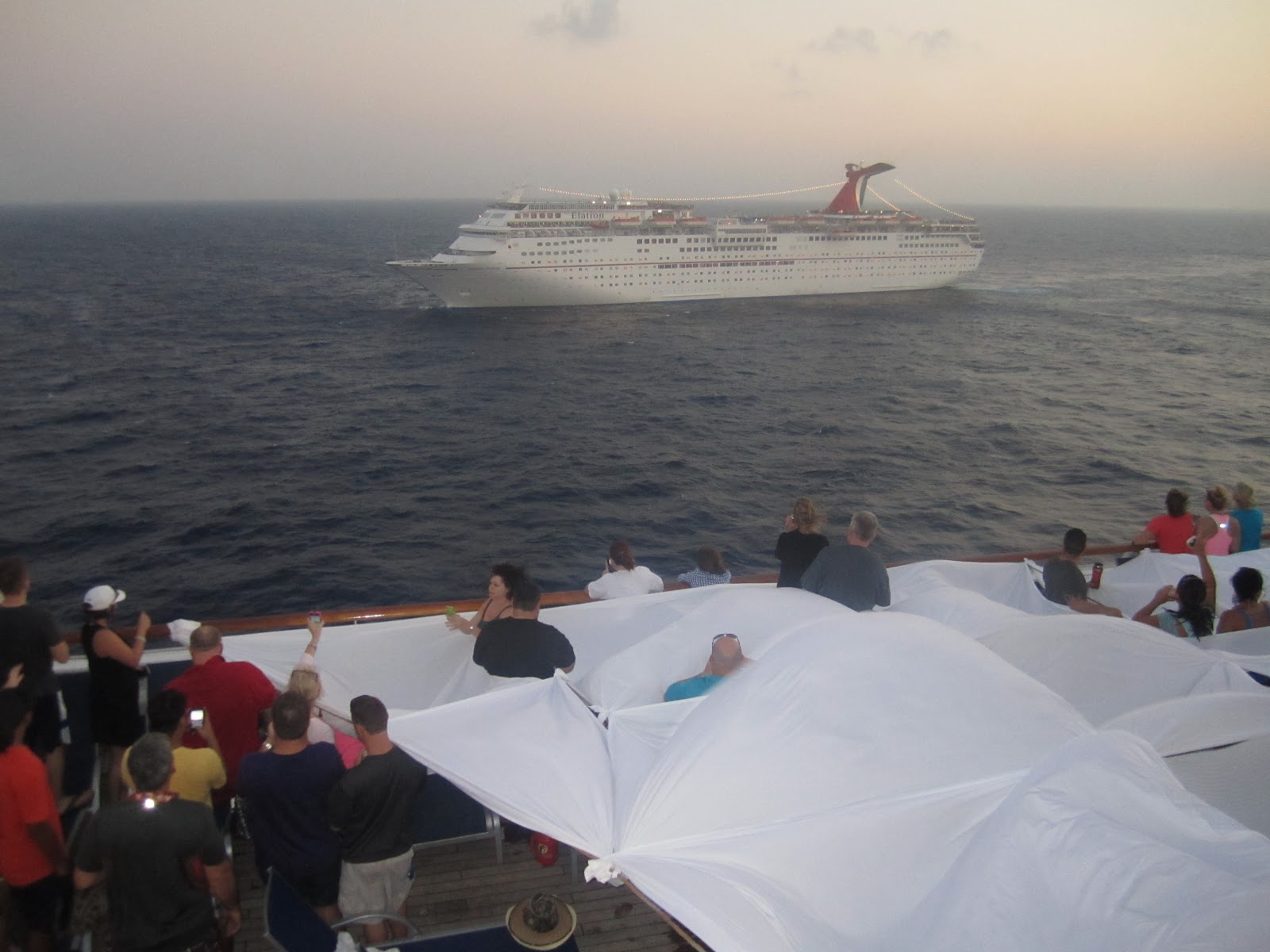
Without functioning pumps, toilets began to overflow. Passengers were forced to use plastic bags or buckets for waste. The stench became unbearable in the interior cabins, which were also devoid of air conditioning in the sweltering Gulf heat. To escape the smell and the rising temperatures, hundreds of passengers moved their mattresses to the open decks, creating what news footage described as "tent cities" made of bedsheets and towels.
Liquid sewage reportedly leaked through walls and soaked into the carpets in some hallways. Despite the best efforts of the crew—who were enduring the same conditions—the sheer volume of waste made it impossible to maintain basic hygiene. The Centers for Disease Control and Prevention (CDC) monitored the situation closely, though, remarkably, no major outbreaks of infectious disease occurred during the ordeal.
Food and Resource Scarcity
The loss of power meant that the ship’s industrial kitchens could not function. The 3,143 passengers and 1,086 crew members were relegated to eating cold food. Long lines formed for "onion sandwiches" and cucumbers, which became the symbol of the ship’s resource exhaustion. While Carnival attempted to transfer supplies from other ships in the fleet, the logistics of moving pallets of food and water to a dead ship at sea were fraught with difficulty. Fresh water was rationed, and with no hot water available, passengers could not bathe for the duration of the drift.
The Towing Operation and Arrival in Mobile
The decision of where to tow the ship became a point of contention and logistical complexity. Initially, there were plans to tow the vessel to Progreso, Mexico. However, due to strong currents and the ship's massive windage (the surface area exposed to wind), it was determined that towing the vessel to Mobile, Alabama, was the safest and most efficient option, despite the longer distance.
The towing process was agonizingly slow. Five tugboats were eventually required to stabilize and pull the massive vessel. For four days, the Carnival Triumph moved at a pace of roughly 2 to 5 knots. During this time, the ship listed (tilted) significantly, which exacerbated the drainage issues and caused further distress to those onboard.
The ship finally arrived at the Port of Mobile on the evening of February 14, 2013—Valentine’s Day. The scenes at the dock were a mix of relief and anger. Passengers kissed the ground upon disembarking, while others spoke to the gathered international press about the "living nightmare" they had just escaped.
Investigation Findings and Corporate Accountability
The aftermath of the disaster saw a dual-track investigation by the U.S. Coast Guard and the NTSB. The findings were a significant blow to Carnival’s reputation regarding maintenance and safety culture.
| Key Investigation Area | Findings and Observations |
|---|---|
| Primary Cause | Fatigue failure of a flexible fuel oil return line on Generator #6. |
| Maintenance Issues | Evidence showed that similar leaks had occurred previously and that the line was not properly shielded or maintained. |
| Fire Suppression | While the Hi-Fog system worked, the fire's location allowed it to damage critical electrical "bus" lines before being extinguished. |
| Redundancy Failures | The ship lacked sufficient electrical "segmentation," meaning a single fire could (and did) knock out both primary and backup power systems for the entire vessel. |
| Crew Response | The NTSB largely praised the crew's effort to manage the fire and maintain order under extreme stress. |
The NTSB report released in 2014 highlighted that the fire was preventable. It noted that Carnival had not sufficiently implemented safety recommendations following a similar fire on the Carnival Splendor in 2010. This lack of "lessons learned" led to harsh criticism from federal regulators and maritime safety experts.
The Legal Aftermath and Passenger Compensation
In the wake of the incident, Carnival offered each passenger a full refund, a $500 credit toward a future cruise, and a complimentary flight home. However, for many, this was insufficient. A series of class-action and individual lawsuits were filed against Carnival Corp.
Legal proceedings were complicated by the "Contract of Carriage," the fine-print agreement every passenger signs when booking a cruise. These contracts historically limited the cruise line's liability for "emotional distress" and required lawsuits to be filed in specific jurisdictions (usually Miami). Despite these hurdles, some plaintiffs successfully argued that the cruise line’s negligence went beyond mere mechanical failure and constituted a breach of the duty to provide a seaworthy vessel and safe environment. While many cases were dismissed due to the strict wording of the maritime contracts, the PR damage forced Carnival into several confidential settlements.
The Birth of the Cruise Ship Passenger Bill of Rights
Perhaps the most significant long-term impact of the Carnival Triumph disaster was the creation of the Cruise Ship Passenger Bill of Rights. Under pressure from the U.S. Senate, specifically Senator Jay Rockefeller, the Cruise Lines International Association (CLIA)—the industry’s largest trade group—voluntarily adopted a set of standards that are now a staple of the industry.
As of 2026, these rights are firmly embedded in the operations of all CLIA-member lines. They include:
- The right to disembark a docked ship if provisions (food, water, toilets, medical care) cannot be adequately provided onboard.
- The right to a full refund for a trip that is canceled due to mechanical failures.
- The right to emergency medical attention and professional care for all passengers.
- The right to a reliable emergency power source for essential life-safety systems.
- The right to transportation to the ship's scheduled port of disembarkation or the passenger’s home city if a cruise is terminated early due to mechanical failure.
This document represented a major shift in the power dynamic between cruise lines and their customers, codifying protections that were previously at the total discretion of the corporation.
Technical Overhauls: The $300 Million Investment
Following the Triumph disaster, Carnival Corporation announced a fleet-wide "Engine Room Redundancy" program. The company committed more than $300 million to upgrade its ships. The technical goal was to ensure that even in the event of a total engine room fire, a ship would have enough backup power to maintain "safe return to port" capabilities, including basic hotel services like lighting and toilets.
These upgrades included:
- Enhanced Fire Suppression: Installing more advanced water-mist systems that activate faster.
- Electrical Segmentation: Reconfiguring wiring so that a fire in one area of the engine room does not sever power to the entire ship.
- Emergency Generator Upgrades: Installing larger, more robust emergency generators capable of powering sewage pumps and basic galley equipment.
From Triumph to Sunrise: The Ship's Evolution
After the 2013 incident, the Carnival Triumph underwent extensive repairs and returned to service, but the name "Triumph" remained synonymous with the disaster. In 2019, Carnival decided to formally retire the name. The vessel underwent a massive $200 million bow-to-stern renovation and was renamed the Carnival Sunrise.
As of 2026, the Carnival Sunrise continues to sail, featuring a completely different interior layout, updated engineering systems, and none of the mechanical vestiges that led to the 2013 fire. The rebranding was successful, largely scrubbing the "Poop Cruise" associations from the ship's current identity, though the historical records of the 2013 event remain a cornerstone of maritime safety case studies.
Frequently Asked Questions
What caused the 2013 Carnival Triumph fire?
The fire was caused by a leak in a flexible fuel oil return line on the ship's #6 diesel generator. The leaking fuel sprayed onto a hot engine surface and ignited, eventually destroying the ship's main power cables and leaving the vessel without propulsion or electricity.
Did anyone die in the Carnival Triumph disaster?
No, there were no fatalities and no serious injuries reported during the fire or the subsequent four-day drift. While thousands of passengers suffered through extreme heat and poor sanitary conditions, the crew managed to prevent any loss of life.
What is the "Cruise Ship Passenger Bill of Rights"?
Adopted in the wake of the Triumph disaster, it is a set of 10 rights that guarantee passengers basic necessities—such as food, water, and medical care—during an emergency. It also ensures refunds and transportation if a cruise is cut short by mechanical failure.
Is the Carnival Triumph still in service?
Yes, but not under that name. In 2019, the ship was renamed the Carnival Sunrise after an extensive renovation. It now operates as part of Carnival’s Sunshine class of ships with modernized safety and engineering systems.
How long were passengers stranded on the Carnival Triumph?
Passengers were on the ship for a total of eight days, four of which were spent adrift or under tow without power. The fire occurred on February 10, and the ship did not reach the port in Mobile, Alabama, until late on February 14.
Final Recommendation for Cruise Travelers
While the 2013 Carnival Triumph fire was a landmark disaster, it led to the most significant safety and consumer-rights improvements in the history of the modern cruise industry. Today’s travelers should verify that their cruise line is a member of CLIA and familiarize themselves with the Passenger Bill of Rights before booking. Additionally, choosing newer or recently "re-platformed" ships (like the Carnival Sunrise) ensures you are sailing on vessels with the latest engine room redundancy and fire suppression technologies.