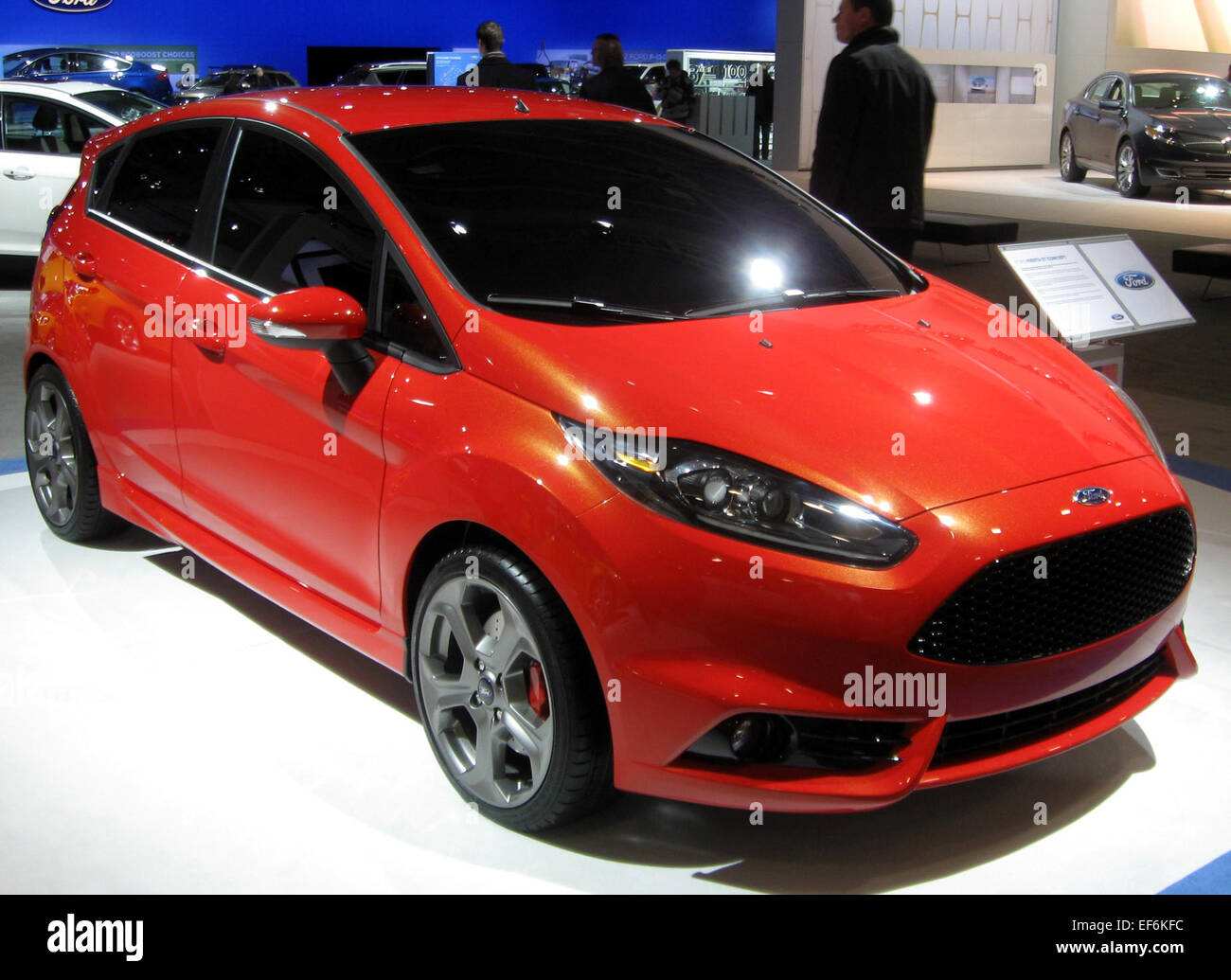
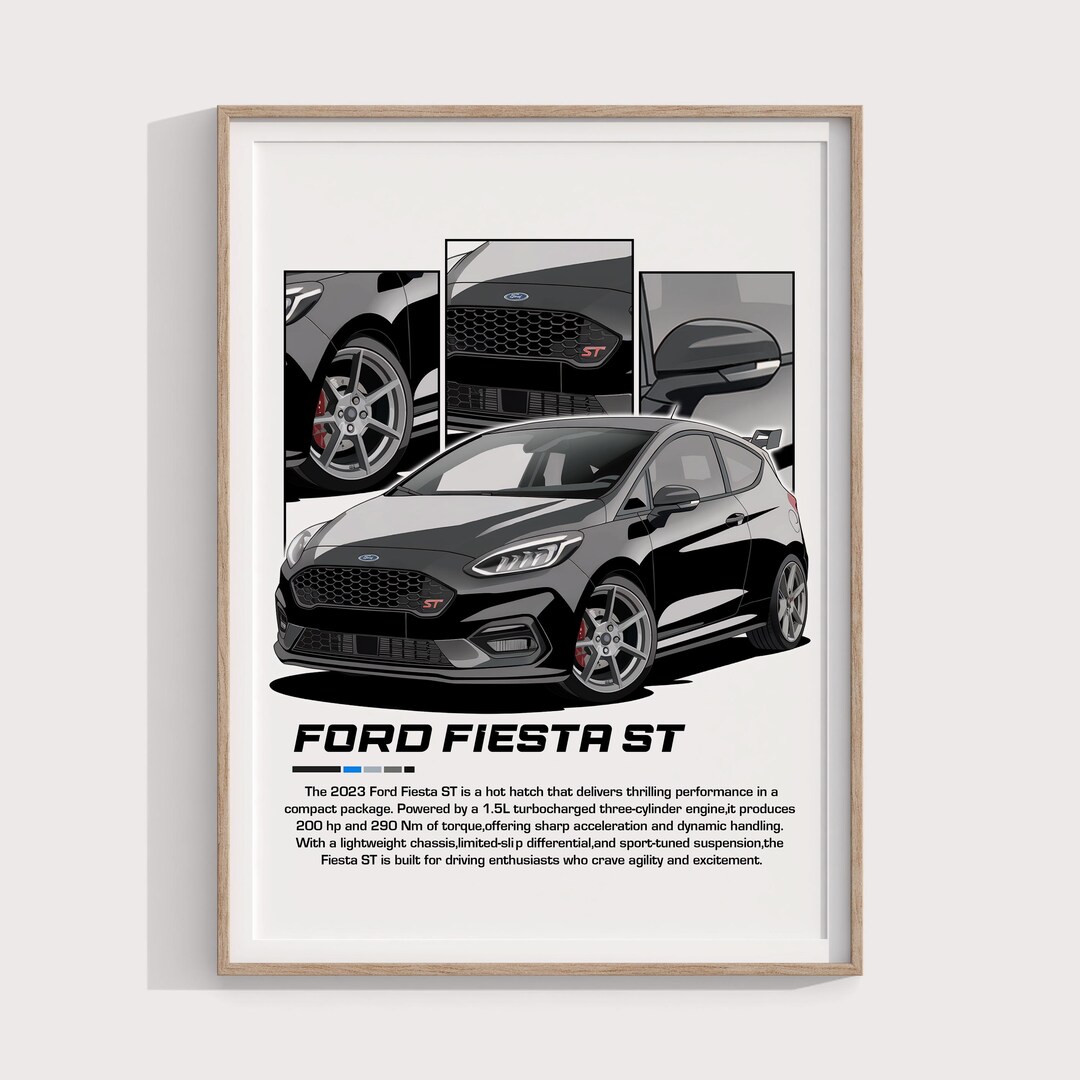
For driving enthusiasts, the 2012 Ford Fiesta ST represents the dawn of the modern "supermini" performance era. As a precursor to the legendary Mk7 production run, it offered a rare combination of 180+ horsepower, a lightweight chassis, and razor-sharp mechanical feedback that remains highly sought after in the 2026 secondary market.
In the world of hot hatchbacks, few names carry as much weight for the "pure driving" crowd as the Ford Fiesta ST. While North American enthusiasts had to wait until the 2014 model year to get their hands on the production version, the 2012 calendar year was the pivotal moment for the global enthusiast community. This was the year the world saw the ST transition from a concept to a street-tearing reality, setting the stage for what many consider the finest front-wheel-drive handling balance ever produced.
As we look at these vehicles from the perspective of 2026, the 2012-era Fiesta ST has transitioned from a new performance bargain into a modern classic. It bridges the gap between the analog feel of older hot hatches and the turbocharged efficiency of the modern era. For those looking to enter the enthusiast car scene or add a "momentum car" to their garage, understanding the nuances of the 2012 ST platform is essential.
The Engineering Philosophy Behind the 2012 Platform
The 2012 Ford Fiesta ST was engineered during a time when Ford Performance (then often referred to as Team RS in Europe) wanted to prove that "downsizing" didn't have to mean "downgrading." The heart of the vehicle is the 1.6-liter four-cylinder EcoBoost engine. This powerplant was a significant departure from the naturally aspirated 2.0-liter engines found in previous performance Fiestas.
Turbocharged Torque and Overboost
The 1.6L EcoBoost utilized high-pressure direct injection and twin-independent variable cam timing (Ti-VCT). However, the "secret sauce" for enthusiasts was the overboost function. While the engine was officially rated at approximately 180 PS (178 hp), it could provide an additional transient boost for up to 20 seconds, pushing output closer to 197 hp and significantly increasing torque. This made the car feel much faster in real-world overtaking scenarios than its paper specs suggested.
Chassis and Suspension Tuning
Unlike the standard Fiesta, the ST featured a bespoke suspension setup. The rear twist-beam was stiffened to reduce body roll, and the steering rack was quickened to a 13.6:1 ratio. Engineers also lowered the ride height by 15mm compared to the base model. The result was a car that felt "alive" in the corners. For enthusiasts, the highlight was the inclusion of Enhanced Torque Vectoring Control (eTVC), which applied braking force to the inner front wheel during cornering to reduce understeer without the weight penalty of a mechanical limited-slip differential.
2012 Ford Fiesta ST Technical Specifications
To understand how the 2012-era ST compares to its contemporaries and modern alternatives, we must look at the raw data. The following table represents the specifications for the Mk7 ST as it was introduced to the global market.
| Feature | Specification |
|---|---|
| Engine | 1.6L Turbocharged 4-Cylinder EcoBoost |
| Horsepower | 180 hp (197 hp with Overboost) |
| Torque | 177 lb-ft (214 lb-ft with Overboost) |
| Transmission | 6-Speed Manual (Getrag MMT6) |
| 0-60 MPH | ~6.7 Seconds |
| Top Speed | 137 mph (220 km/h) |
| Curb Weight | ~2,550 lbs (1,157 kg) |
| Layout | Front-Engine, Front-Wheel Drive |
Why the 2012 Era is Significant for Collectors
For many, 2012 marks the "Year Zero" of the modern ST. While production for many markets didn't hit full stride until 2013, the pre-production models and the technical launch in 2012 established the car's identity.
The Three-Door vs. Five-Door Debate
In 2012, the enthusiast focus was heavily on the three-door hatchback variant. This version was widely considered the "purist" choice due to its slightly higher structural rigidity and more aggressive profile. In the years since, the three-door models have become increasingly rare, especially as later generations and different regional markets shifted almost exclusively to five-door configurations. For a 2026 collector, a well-maintained 2012-spec three-door ST is a "blue chip" entry-level investment.
The Recaro Interior
One cannot discuss the 2012 ST without mentioning the seats. Ford partnered with Recaro to provide heavily bolstered bucket seats that became a hallmark of the interior. For enthusiasts, these seats weren't just about aesthetics; they were functional tools that held the driver firmly in place during high-G cornering. Finding a 2012 model with the "Smoke Storm" or "Molten Orange" partial leather Recaro inserts in good condition is a top priority for buyers today.
Driving Dynamics: The "Lift-Off Oversteer" Legend
The primary reason the 2012 Fiesta ST remains an enthusiast darling is its handling personality. In an era where many performance cars were becoming increasingly "numb" and reliant on electronic stability suites, the Fiesta ST was intentionally tuned to be playful.
Lift-off oversteer is a phenomenon where the rear of the car rotates when the driver abruptly lets off the throttle mid-corner. Ford’s engineers embraced this, giving the Fiesta ST a short wheelbase and a stiff rear end that allowed the driver to "steer with the pedals." This characteristic makes the car incredibly rewarding on a technical autocross track or a winding mountain road. Even in 2026, with the advent of high-performance electric vehicles, few cars offer this specific level of tactile engagement.
Reliability and Common Issues for the Enthusiast Buyer
By 2026, any 2012-era Fiesta ST will be over a decade old. While the platform is generally robust, enthusiasts should be aware of specific areas that require attention to keep the car performing at its peak.
- Cooling System Vulnerabilities: Early 1.6L EcoBoost engines were known for potential cooling system failures, specifically regarding the coolant expansion tank and associated hoses. Many enthusiasts proactively upgrade to an aluminum expansion tank and silicone hoses to prevent overheating.
- The "Blend Door" Actuator: A common, albeit non-mechanical, nuisance is the failure of the HVAC blend door actuator. This causes a clicking sound behind the dashboard. While it doesn't affect performance, it is a frequent point of frustration for owners.
- Rear Twist-Beam Bushings: Given the age of these vehicles, the original rubber bushings in the rear suspension are likely worn. Replacing these with polyurethane bushings can significantly restore the "snap" of the car's handling.
- Turbocharger Health: The KP39 turbocharger is reliable, but it is sensitive to oil quality. Enthusiasts should look for cars with a documented history of frequent oil changes using high-quality synthetic oils.
The Modification Path: Unlocking Potential
The 2012 Ford Fiesta ST is a "tuner friendly" platform. Because the engine was used in various Ford products, the aftermarket support is massive.
- Stage 1 (Software): A simple ECU remap (such as those from Mountune or Cobb) can safely bring the car to approximately 215–230 hp without changing hardware. This is often considered the "sweet spot" for daily driving.
- Intercooler Upgrades: The stock intercooler is notoriously small and prone to "heat soak" after just a few spirited pulls. A larger front-mount intercooler (FMIC) is usually the first physical modification enthusiasts perform.
- Short Shift Kits: To enhance the already excellent 6-speed manual, many owners install a short-shift bracket, which reduces throw length and adds a more mechanical "click" to gear changes.
Buying Guide: What to Look for in 2026
When shopping for a 2012-era Fiesta ST in today's market, the "enthusiast tax" is real. Prices have stabilized as the car's reputation has solidified.
- Service History: Prioritize cars with a "thick folder" of receipts. Enthusiast owners typically go above and beyond the manufacturer's recommended intervals.
- Stock vs. Modified: While modifications are common, a "bone stock" 2012 ST is increasingly rare and often commands a premium. If buying a modified car, ensure the work was done by a reputable shop and that the previous owner used quality components.
- Rust Inspection: Depending on the climate, check the rear wheel arches and the bottom of the doors. While the Mk7 has decent rustproofing, early models can show signs of corrosion if driven in salt-heavy winter environments.
Frequently Asked Questions
Is the 2012 Ford Fiesta ST a good first car for a track enthusiast?
Yes, it is arguably one of the best "trainer" cars available. It rewards smooth inputs and teaches weight transfer better than almost any other modern front-wheel-drive car. Parts are relatively affordable, and the community support for track setups is extensive.
What is the difference between the 2012 European ST and the later US models?
The primary difference is the timing and the body style. Europe received the three-door variant earlier, whereas North America only received the five-door version starting in late 2013 as a 2014 model. Mechanically, they are very similar, though tuning for local fuel octanes varied slightly.
How does the fuel economy hold up under enthusiast driving?
The "Eco" in EcoBoost is a bit of a misnomer when driving spiritedly. While it can achieve 30+ MPG on a steady highway cruise, aggressive driving can quickly drop that number into the low 20s. However, compared to older 2.0L or 2.5L hot hatches, it remains remarkably efficient for the performance it offers.
Are the Recaro seats uncomfortable for long trips?
This is subjective. The bolsters are quite aggressive, which is excellent for the track but can feel tight for drivers with larger frames. Most enthusiasts find them comfortable once "broken in," but it is highly recommended to sit in them before purchasing, as they are a defining feature of the car.
Is the 2012 model year affected by the "PowerShift" transmission issues?
No. The performance ST model exclusively uses a 6-speed manual transmission. The problematic "PowerShift" dual-clutch automatic was found in the base Fiesta models, not the ST. This is one of the reasons the ST has held its value so much better than the standard trim levels.
Moving Forward with Your Fiesta ST Journey
For the enthusiast, the 2012 Ford Fiesta ST is more than just a budget hatchback; it is a masterclass in chassis tuning and driver engagement. Whether you are looking for a dedicated track toy or a spirited daily driver that can turn a grocery run into a stage of the Monte Carlo Rally, this car delivers.
Your next steps should involve joining dedicated enthusiast forums or local owners' clubs. These communities are invaluable for finding well-maintained examples and getting technical advice. If you find a clean, low-mileage 2012-era ST, it is a vehicle that will likely continue to appreciate in the hearts of drivers long after the world has shifted to more sanitized forms of transportation.