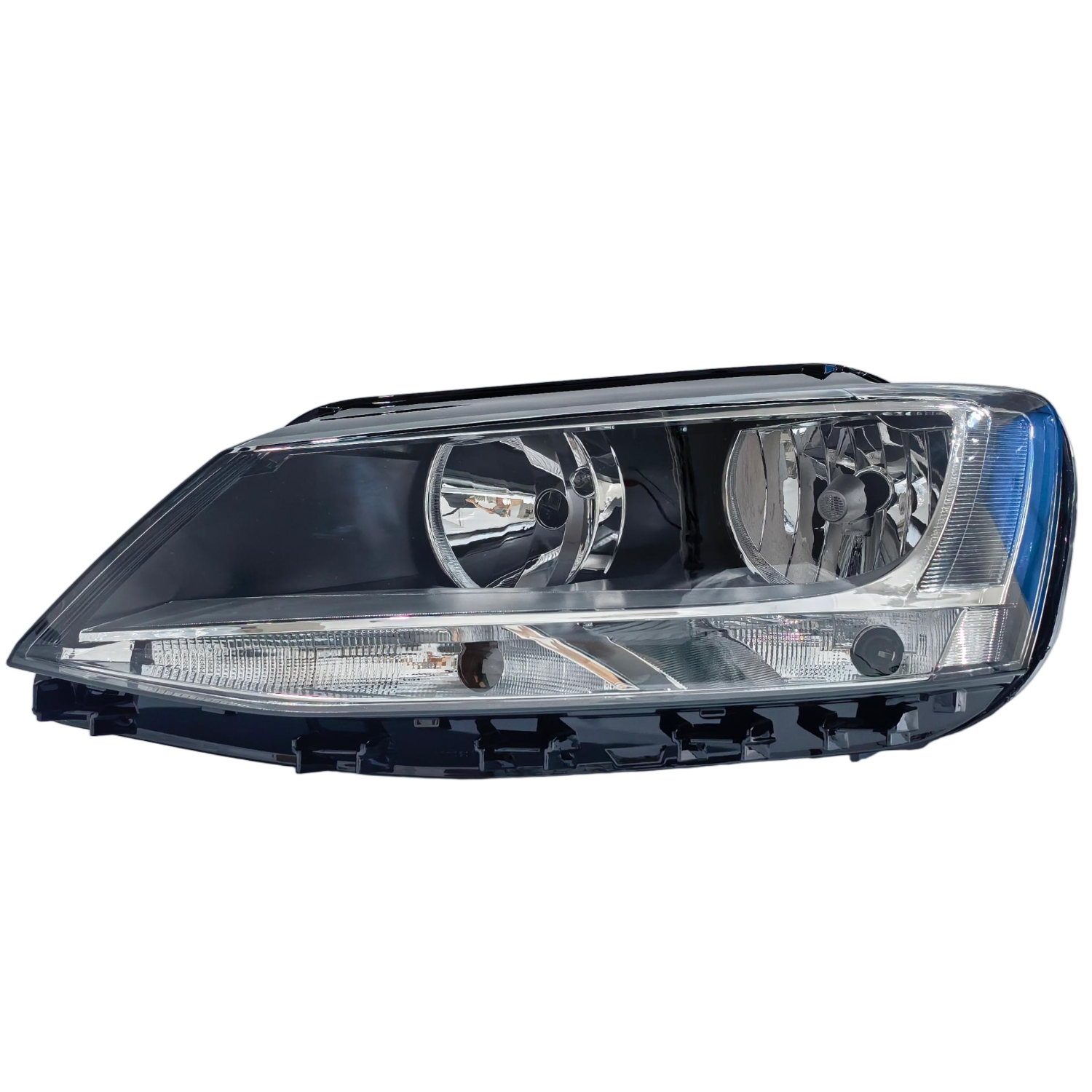
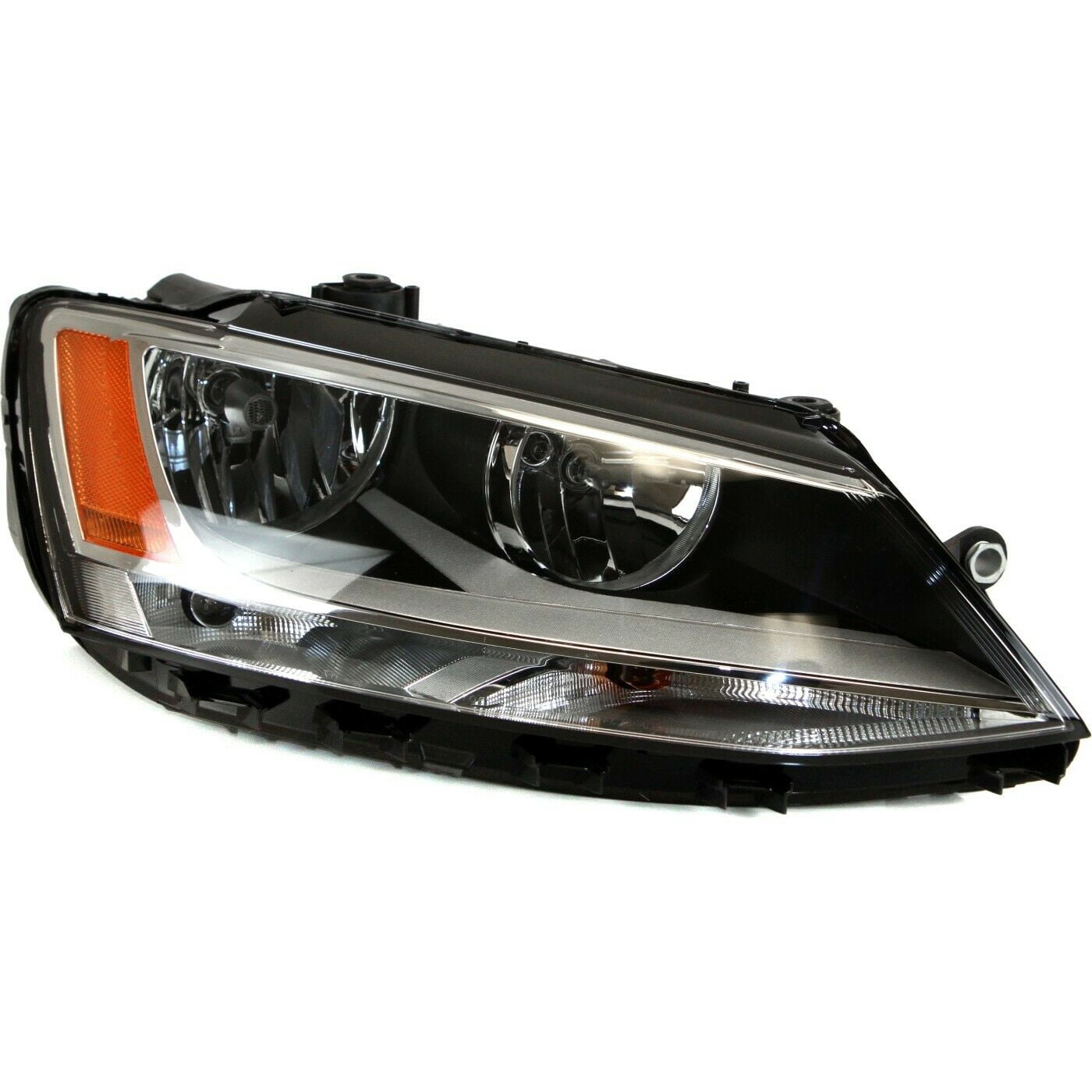
For the 2011 Volkswagen Jetta, the primary headlight bulb for the low beam is a standard H7 halogen bulb. Replacing this bulb requires specific attention to the electrical connector type and the geometry of the headlight housing. Owners should prioritize high-quality, ECE-compliant bulbs to ensure proper beam pattern, longevity, and compatibility with the vehicle’s electrical system.
Understanding the 2011 Jetta Headlight Configuration
The 2011 Volkswagen Jetta (the first year of the A6 generation in North America) utilizes a specific headlight housing design that necessitates a firm grasp of automotive lighting standards. Unlike some vehicles that use dual-filament bulbs for both high and low beams, the 2011 Jetta separates these functions.
The low beam, which serves as your primary lighting during nighttime driving, exclusively uses an H7 base. The high beam typically uses an H15 bulb, which is a dual-function bulb that often integrates the daytime running light (DRL) component within the same housing. Understanding this distinction is vital because purchasing the incorrect bulb type will not only result in a failed installation but may also damage the locking mechanism of the headlight housing.
When selecting a bulb, you are essentially choosing between standard OEM-grade halogen bulbs, performance-oriented halogen bulbs, and aftermarket LED conversion kits. Each path carries distinct implications for legality, thermal management, and reliability.
Evaluating Bulb Options: Halogen vs. LED
Standard Halogen Replacements
The most reliable and cost-effective route for the 2011 Jetta is the traditional H7 halogen bulb. These bulbs are designed to meet the exact voltage and wattage specifications (typically 12V and 55W) that the Jetta’s central electric control module expects.
- Pros: Guaranteed compatibility, no risk of "bulb out" error messages, simple plug-and-play installation, and a color temperature that complies with international safety standards.
- Cons: Shorter lifespan compared to modern light sources and a warmer, yellowish light output that some drivers find aesthetically dated.
Performance Halogen Bulbs
These bulbs use a higher-pressure gas fill and specialized coatings on the glass envelope to produce a whiter, more intense beam without exceeding the legal wattage limits. They are an excellent middle-ground for drivers seeking improved visibility without modifying the electrical system.
LED Conversion Kits
While popular in 2026, LED conversions for a 2011 Jetta require caution. The headlight housing was engineered for the light dispersion characteristics of a halogen filament. Placing an LED source inside can lead to "scattered" light, which produces glare for oncoming traffic rather than focusing light onto the road. Furthermore, the 2011 Jetta’s CANbus (Controller Area Network bus) system may detect the lower power consumption of an LED bulb as a burnt-out filament, triggering a dashboard warning light. If you choose this route, you must select "CANbus compatible" LEDs that include a built-in resistor to simulate the electrical draw of a halogen bulb.
Comparative Overview of Lighting Technologies
| Feature | Standard Halogen | Performance Halogen | LED Conversion |
|---|---|---|---|
| Compatibility | Direct Plug-and-Play | Direct Plug-and-Play | Requires CANbus adapter |
| Color Temperature | Warm (3000K-3200K) | Neutral (3500K-4000K) | Cool/Blue (5500K-6500K) |
| Installation Difficulty | Easy | Easy | Moderate (requires ballast space) |
| Reliability | High | Moderate | Variable (quality-dependent) |
| Beam Pattern | OEM Standard | OEM Standard | Risk of glare/artifacts |
Critical Considerations Before Purchasing
The Importance of Proper Handling
Halogen bulbs are extremely sensitive to contaminants. The glass envelope is made of quartz, which can withstand high temperatures, but it is susceptible to oils found on human skin. If you touch the glass during installation, the oils create a hot spot that leads to uneven thermal expansion and premature bulb failure. Always wear nitrile gloves or use a clean microfiber cloth when handling the glass portion of the bulb.
Voltage Fluctuations
The 2011 Jetta’s electrical system is known to be sensitive. Using "off-road only" bulbs with wattage higher than 55W is strongly discouraged. Installing 80W or 100W bulbs will likely melt the plastic wiring harness, deform the headlight housing connector, and potentially damage the headlight switch or the comfort control module. Stick to the manufacturer-specified wattage to maintain the integrity of the vehicle's electrical infrastructure.
Regulatory Compliance
In many jurisdictions, headlight assemblies are "Type Approved." Modifying the light source—specifically moving from halogen to HID (High-Intensity Discharge) or LED—can technically render the vehicle non-compliant with local safety regulations. While enforcement varies, it is worth noting that proper beam cutoff is essential to pass state or provincial safety inspections. If the beam is too high or dispersed, you will fail your inspection regardless of how bright the new bulbs are.
Step-by-Step Replacement Guidance
- Preparation: Ensure the engine is off and the light switch is in the "OFF" position. Open the hood and locate the circular plastic cover behind the low-beam headlight assembly.
- Access: Remove the plastic cover by turning it counter-clockwise. You may need to exert firm pressure to break the seal.
- Removal: Locate the metal or plastic retainer clip holding the H7 bulb in place. Gently push the clip inward and unhook it from the housing catch. Carefully pull the bulb and its base out of the assembly.
- Disconnect: Pull the electrical connector off the old bulb base.
- Installation: Connect the new bulb to the wire harness. Carefully insert the bulb into the housing, ensuring the alignment tab on the bulb base matches the notch in the headlight assembly.
- Securing: Re-engage the retainer clip. If you encounter resistance, stop and verify the bulb is seated flush; do not force the clip.
- Closure: Replace the circular dust cover, ensuring it is tightened securely to prevent moisture ingress, which can fog the headlights from the inside.
Troubleshooting Common Issues
The "Bulb Out" Warning Light
If you have replaced a bulb and the dashboard warning light persists, first check the electrical connection. Corrosion on the pins of the connector is common in vehicles of this age. Use a small amount of dielectric grease on the connection to improve conductivity and prevent future oxidation. If you have installed aftermarket LEDs, the warning indicates that the system is not detecting the expected resistance. You will need an external "load resistor" or a dedicated CANbus-friendly bulb.
Headlight Beam Alignment
If the light pattern appears uneven after a replacement, it is possible the bulb was not seated perfectly in its notch. Because the H7 bulb has a specific "flat" side on its mounting flange, even a slight misalignment will cause the filament to sit at the wrong angle, resulting in a distorted beam on the road. Double-check that the bulb is fully flush against the back of the reflector.
Moisture and Fogging
If the headlight assembly appears foggy inside, the moisture likely entered through the rear dust cover or a degraded perimeter seal on the headlight lens. Replacing the bulb will not fix this. You may need to remove the headlight assembly, dry it with a desiccant pack or low-heat hair dryer, and ensure the seal is airtight.
Frequently Asked Questions
Is it necessary to replace both headlight bulbs at once?
Yes. Halogen filaments degrade over time, losing brightness and shifting in color temperature. If one bulb has burned out, the other is likely near the end of its life. Replacing both ensures consistent brightness and color output across the front of your Jetta.
Can I upgrade to Xenon (HID) bulbs?
Directly installing Xenon bulbs into a housing designed for halogen is not recommended. These conversions require a ballast to manage voltage and, more importantly, the housing reflectors for halogen bulbs are not designed to control the intense, multi-directional output of an HID arc. It often results in significant glare that blinds other drivers.
Why do my headlight bulbs keep burning out prematurely?
If you find yourself replacing bulbs every few months, check the headlight assembly's ventilation. If the rubber seal or dust cover is damaged, moisture enters the housing, causing the bulb to crack or overheat. Also, check your vehicle’s charging system; a faulty voltage regulator could be sending spikes to the bulbs, shortening their lifespan.
Are there specific brands recommended for the 2011 Jetta?
Stick to reputable global manufacturers such as Osram, Philips, or Sylvania. These companies maintain strict quality control regarding filament placement and gas pressure, which is critical for achieving the beam pattern required for safe night driving.
Does the 2011 Jetta require a special tool to change the bulb?
Generally, no tools are required. However, the space behind the driver-side headlight can be cramped due to the battery placement. If you have large hands, you may find a pair of long-nosed pliers helpful for maneuvering the retainer clip, but exercise extreme care to avoid scratching the reflector housing.
Final Recommendation
For the 2011 Jetta, the best balance of safety, longevity, and performance is a high-quality "plus" series halogen bulb from an established manufacturer. Avoid the temptation of cheap, unbranded LEDs, as they rarely provide the focused beam pattern necessary to navigate dark roads safely and may cause electrical errors in your Jetta's complex control modules. Prioritize clean, dry installation practices to maximize the life of your new bulbs.