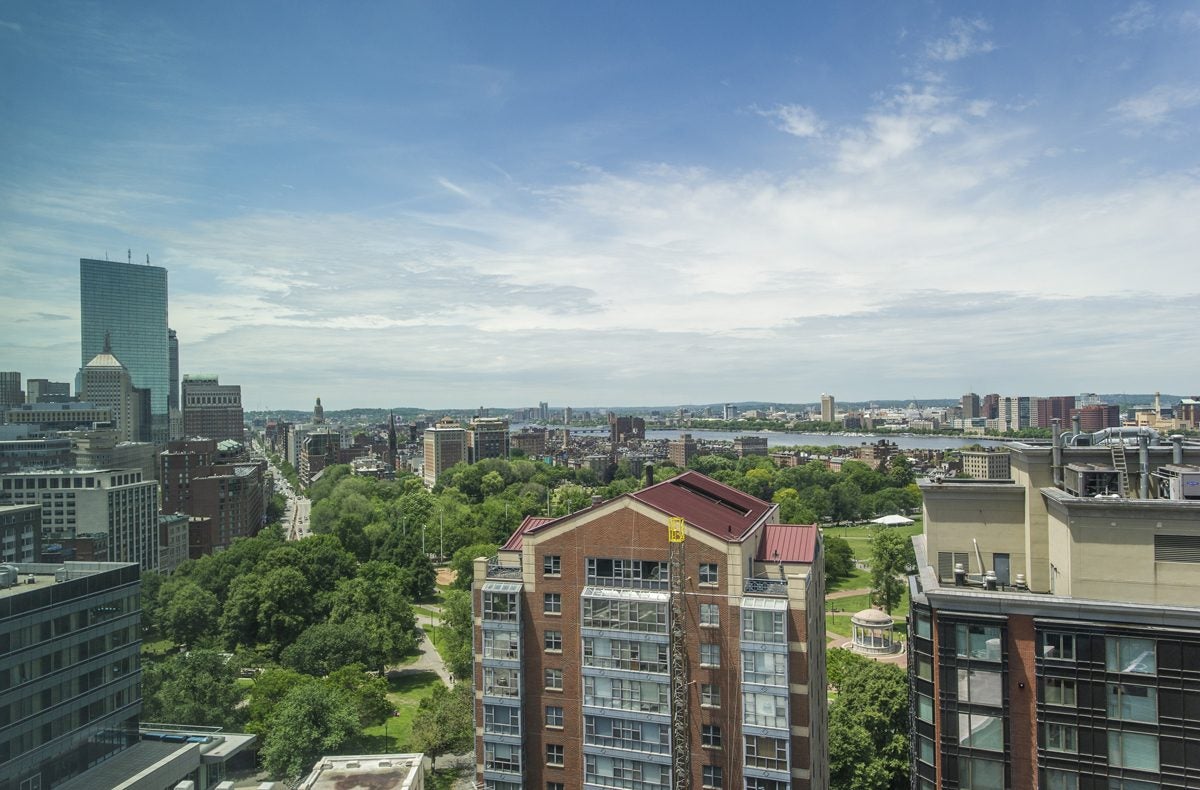
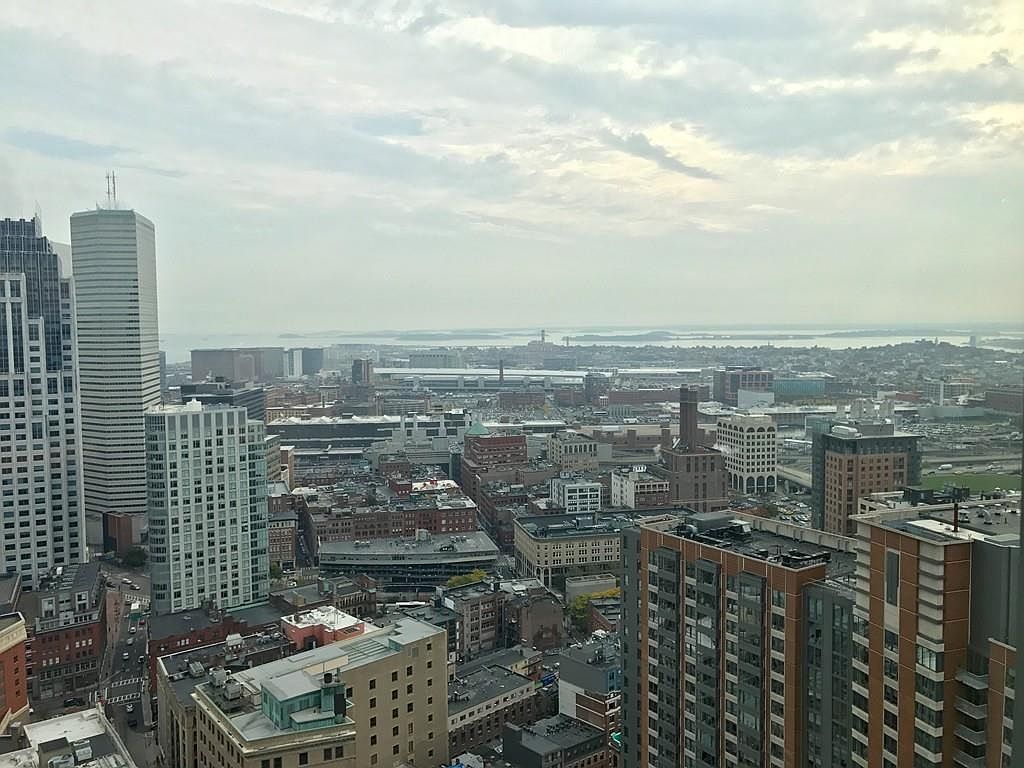
2 Avery Street in Boston, Massachusetts, represents a prominent urban focal point situated at the intersection of downtown vitality, luxury residential high-rises, and historical architecture. Functioning primarily as the address associated with the Ritz-Carlton Towers and the contiguous luxury hospitality and residential developments, this location encapsulates the ongoing transformation of Boston’s Midtown and Theater District neighborhoods into high-density mixed-use hubs.
Introduction to 2 Avery Street and Its Urban Context
Urban real estate in Boston often tells a story of historical preservation colliding with modern vertical expansion. 2 Avery Street is a prime example of this dynamic. Located near the corner of Avery Street and Washington Street, the property occupies a strategic footprint within the city's commercial and cultural core. The address is most widely recognized for housing high-end residential condominiums, luxury hotel spaces, and upscale urban amenities that cater to affluent urban dwellers, business travelers, and tourists alike.
Understanding this property requires examining not just the physical structure, but the surrounding neighborhood ecosystem. Boston's Theater District and Midtown areas have undergone substantial revitalization over the past few decades. Once characterized by older commercial buildings and varying degrees of economic stagnation, the area around Avery Street now features sleek skyscrapers, fine dining establishments, and high-end retail options. This condensed profile explores the structural identity, historical context, geographic positioning, and real estate significance of 2 Avery Street, providing a comprehensive look at how this single address contributes to the broader fabric of downtown Boston.
Historical Background of the Avery Street Corridor
To fully appreciate 2 Avery Street, one must examine the history of Avery Street itself and the broader Midtown district. Avery Street is a relatively short, narrow thoroughfare connecting Washington Street to Tremont Street. Historically, this micro-neighborhood served as a bustling commercial and entertainment corridor, closely tied to the expansion of Boston's retail and theatrical industries in the late 19th and early 20th centuries.
For generations, the area surrounding Avery Street was defined by low-rise brick commercial structures, printing houses, and proximity to major department stores along Washington Street, which was once the premier retail spine of New England. As shopping habits shifted toward suburban malls in the mid-20th century, downtown Boston experienced periods of disinvestment. However, strategic urban renewal initiatives in the late 1980s and 1990s sought to reverse this trend by encouraging mixed-use developments, residential conversions, and luxury hospitality projects.
The parcel encompassing 2 Avery Street became a key catalyst in this modern resurgence. By assembling multiple smaller lots and leveraging zoning incentives for downtown residential growth, developers transformed the site into a towering symbol of 21st-century urban luxury. This historical pivot shifted the corridor from a secondary commercial alleyway into a premier address associated with high-rise living and hospitality.
Architectural Profile and Building Characteristics
The physical structure associated with 2 Avery Street is designed to maximize vertical density while blending luxury aesthetics with urban functionality. High-rise developments in constrained urban environments like Boston must navigate strict zoning laws, shadow regulations, and historical context.
Structural Composition and Design
The tower rising from the Avery Street footprint is engineered to accommodate multiple distinct functions within a single architectural envelope. Typically, such mixed-use vertical developments incorporate:
- Foundation and Core: Reinforced concrete and steel framing designed to support substantial vertical loads and meet rigorous seismic and wind-load engineering standards for coastal New England.
- Facade Treatment: A combination of high-performance glass curtain walls and masonry elements that reflect modern architectural trends while respecting the traditional brick and stone textures of historic Boston.
- Zoning Integration: Careful setback execution to comply with local municipal height limits and preserve sunlight access along adjacent pedestrian corridors.
Interior Programming and Spatial Allocation
Inside the development, space is divided to balance private residential needs with public or semi-public hospitality functions. The lower tiers of the building complex generally house hotel amenities, lobby spaces, and commercial services, while the upper floors are dedicated to private residential condominiums. This vertical stratification allows residents to enjoy sweeping views of Boston Common, the Public Garden, and the financial district skyline while remaining insulated from street-level activity.
Geographic Positioning and Neighborhood Connectivity
Location is the primary driver of real estate value and urban utility at 2 Avery Street. Situated precisely where downtown Boston meets the South End and the Theater District, the address offers exceptional connectivity.
Transit Accessibility
Boston’s public transportation network, managed by the Massachusetts Bay Transportation Authority (MBTA), is easily accessible from 2 Avery Street. The property sits within immediate walking distance of several key transit hubs:
- Boydston Station (Green Line): Provides direct access to the subway network connecting Boston’s western suburbs to the government center and North Station.
- Chinatown Station (Orange Line): Offers rapid transit north toward Malden and south toward Forest Hills, intersecting with major employment centers.
- Downtown Crossing Station (Red/Orange Lines): A major transfer hub linking Cambridge, Quincy, and Mattapan to the heart of Boston.
This transit-rich environment makes the address highly desirable for professionals who commute throughout Greater Boston without relying on personal automobiles, aligning with municipal goals for sustainable urban mobility.
Proximity to Cultural and Commercial Landmarks
Beyond transit, residents and visitors at 2 Avery Street enjoy immediate proximity to iconic Boston destinations:
- The Theater District: Home to historic venues like the Boch Center Wang Theatre, the Shubert Theatre, and the Emerson Colonial Theatre, placing performing arts right outside the door.
- Boston Common and Public Garden: Located just blocks away, these historic green spaces offer vast outdoor recreational opportunities, walking paths, and seasonal activities.
- Financial District and Retail Hubs: A short walk brings professionals to the offices of state street, financial institutions, and the high-end shopping options along Newbury Street and Downtown Crossing.
Real Estate Significance and Market Dynamics
As a high-end residential and hospitality anchor, 2 Avery Street occupies a unique tier within the Boston real estate market. Luxury high-rise living in downtown Boston commands significant valuation due to constrained supply and high demand from affluent downsizers, medical professionals, tech executives, and international buyers.
Property Characteristics and Market Value
Condominiums within the tower structure at 2 Avery Street are characterized by premium finishes, floor-to-ceiling windows, concierge services, and access to hotel-grade amenities such as fitness centers, spas, and valet parking. The table below outlines key attributes that define the market positioning of properties at this address.
| Property Attribute | Description / Specification | Market Impact |
|---|---|---|
| Asset Class | Luxury High-Rise Mixed-Use (Residential & Hospitality) | Commands premium price-per-square-foot metrics in the downtown submarket. |
| Primary Amenities | 24/7 Concierge, Valet Parking, Fitness Center, Spa, Fine Dining | Appeals to high-net-worth individuals seeking turnkey urban convenience. |
| Target Demographics | Professionals, Empty Nesters, Corporate Executives | Drives stable demand independent of traditional suburban family housing cycles. |
| Proximity Advantage | Immediate access to MBTA transit, Theater District, and Financial District | Maximizes walkability scores, reducing reliance on private vehicular transport. |
Comparative Analysis Within Downtown Boston
When evaluated alongside other luxury addresses in Boston—such as those found in the Back Bay, the Waterfront, or the Financial District—2 Avery Street holds a distinct advantage in cultural immersion. While Back Bay offers historic brownstone charm and Newbury Street shopping, and the Waterfront provides maritime views, Avery Street places residents directly inside the energetic epicenter of Boston's entertainment and urban core. This makes it particularly attractive to buyers who prioritize nightlife, dining, and cultural events over quiet suburban-style neighborhoods.
Operational Considerations and Urban Living
Residing or operating within a dense mixed-use high-rise at 2 Avery Street involves navigating specific urban living dynamics. Understanding these operational factors is essential for prospective buyers, tenants, or visitors.
Management and Association Rules
Luxury high-rises are typically governed by rigorous condominium associations (condo boards) and professional property management firms. These entities oversee building maintenance, security protocols, financial reserves, and architectural guidelines for individual units. Owners must adhere to established bylaws regarding leasing restrictions, pet policies, and common-area usage.
Environmental and Noise Management
Being located in the Theater District means embracing a vibrant urban soundscape. While modern construction techniques—including double- or triple-pane acoustic glazing—significantly mitigate street noise, residents experience the ambient energy of a bustling downtown environment. Management teams implement strict sound insulation standards during interior renovations to maintain residential tranquility.
Frequently Asked Questions
What type of properties are located at 2 Avery Street in Boston?
2 Avery Street is primarily known for luxury residential condominiums and high-end hospitality spaces, often associated with major hotel brands. The building combines private vertical residential living with full-service hotel amenities.
How accessible is public transportation from 2 Avery Street?
The address enjoys exceptional transit accessibility. It is within a short walking distance of the Boylston (Green Line), Chinatown (Orange Line), and Downtown Crossing (Red/Orange Lines) MBTA stations, providing seamless connections across the metropolitan area.
What neighborhood is 2 Avery Street in?
2 Avery Street is located in the Midtown / Theater District of downtown Boston, immediately adjacent to the South End, Chinatown, and the Financial District.
Are parking facilities available on-site at 2 Avery Street?
Yes, high-rise luxury developments at this address typically feature subterranean or structured parking garages offering valet services for residents and guests, which is a major asset in downtown Boston where street parking is extremely limited.
How does living at 2 Avery Street compare to other Boston neighborhoods?
Unlike the residential brownstones of the Back Bay or the historic townhouses of Beacon Hill, 2 Avery Street offers modern, high-rise vertical living with comprehensive building services, placing residents immediately next to theaters, restaurants, and commercial hubs.
Conclusion and Strategic Next Actions
2 Avery Street stands as a testament to modern urban planning and luxury vertical development in downtown Boston. By successfully merging high-end residential living with hospitality infrastructure in the heart of the Theater District, the property offers a compelling model for dense city living. For individuals evaluating real estate opportunities, exploring investment potential, or simply examining Boston's architectural evolution, analyzing 2 Avery Street provides clear insight into the forces shaping the modern New England metropolis. Prospective buyers or researchers should consult local real estate brokerage data, municipal zoning records, and building management disclosures for the most current unit availabilities and association guidelines.