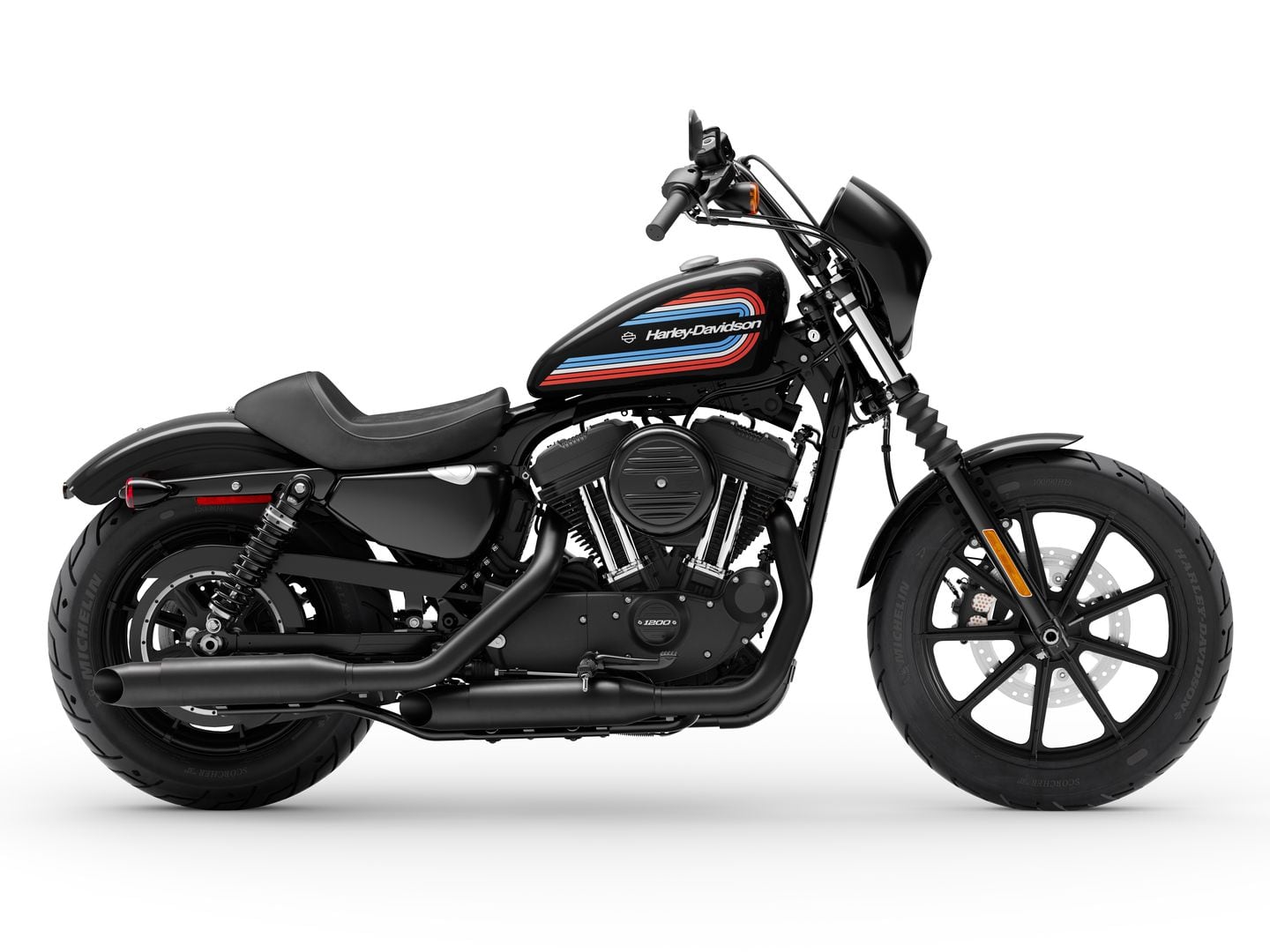
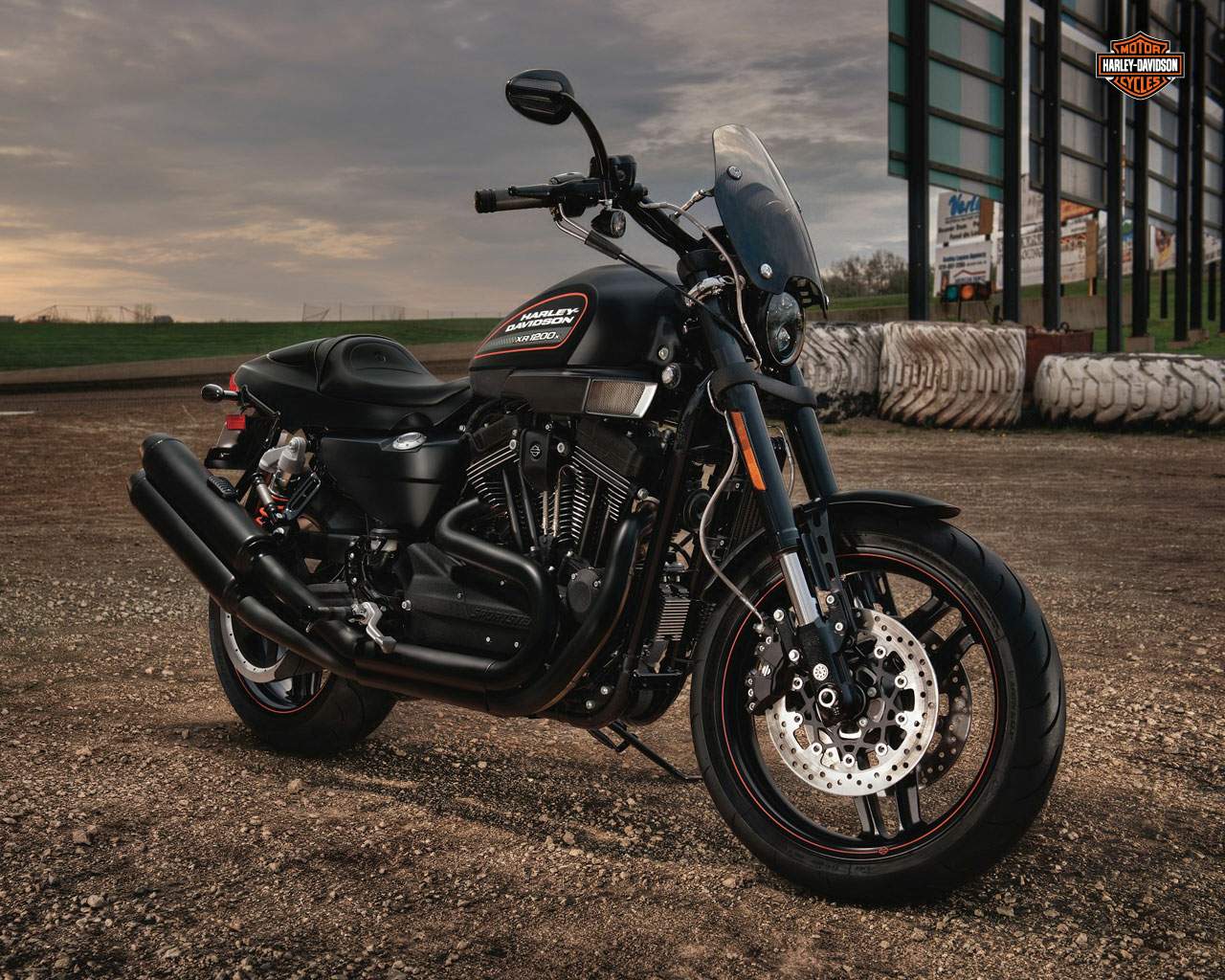
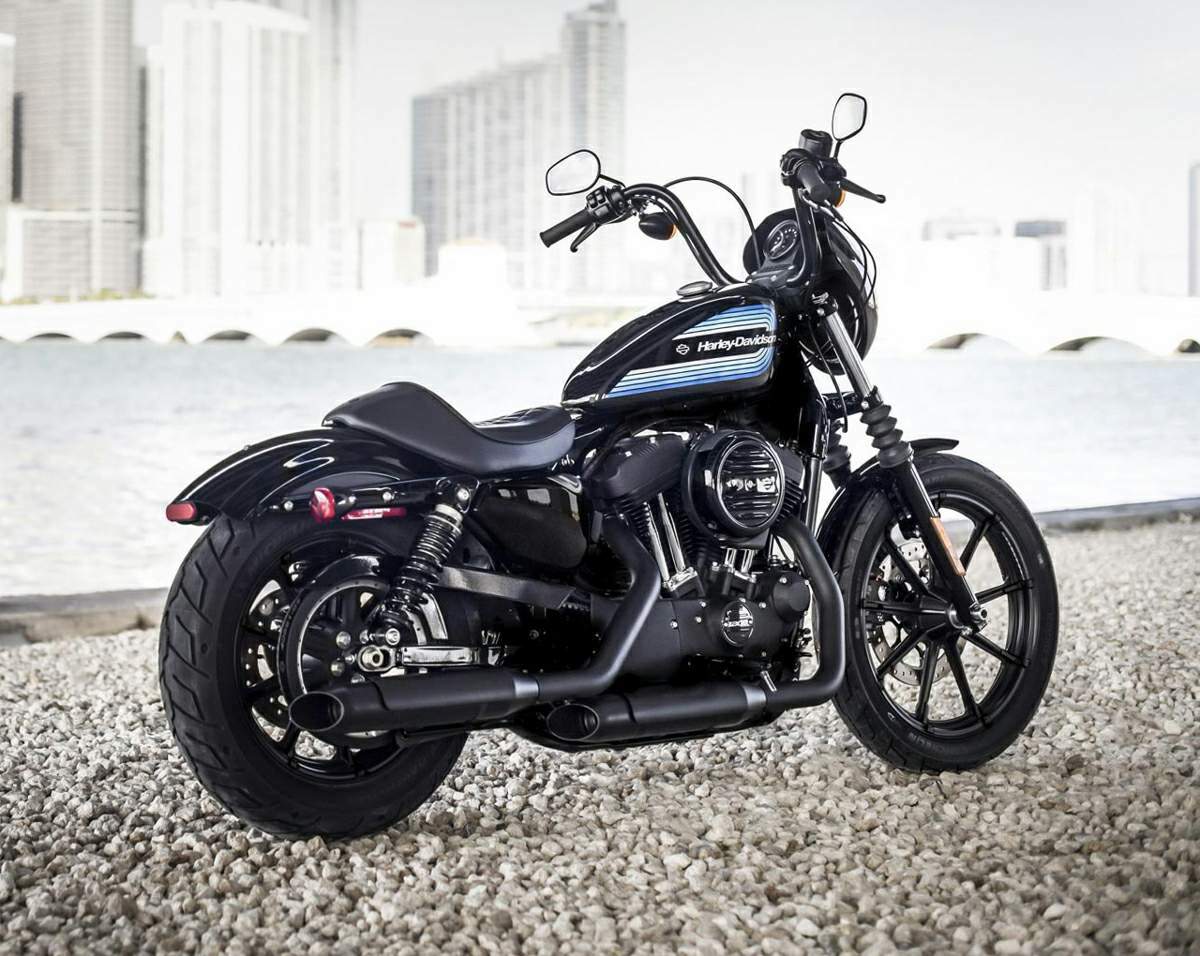
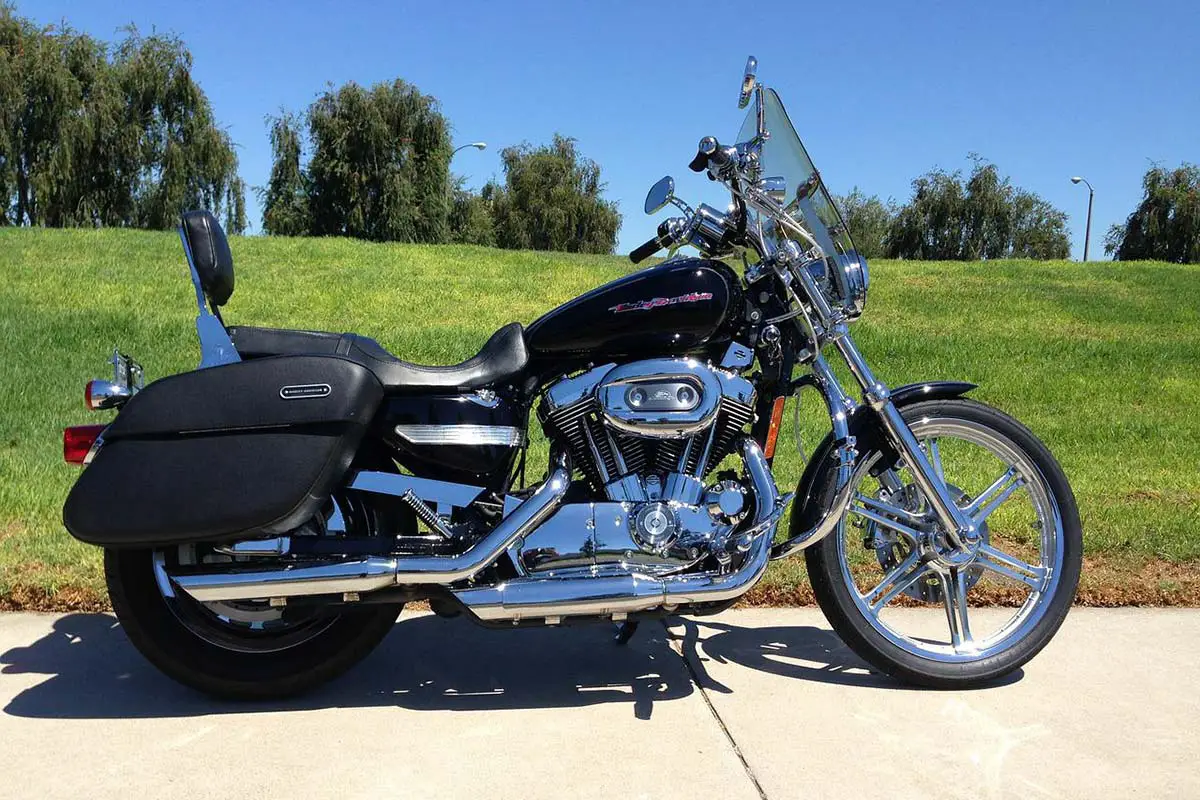
The 1200 Harley-Davidson platform centers on the iconic Evolution (Evo) V-twin engine, which has powered numerous Sportster models over decades. Key specifications generally include an air-cooled, 1,202cc displacement engine, electronic sequential port fuel injection (ESPFI), a wet multi-plate clutch, and a 5-speed transmission, delivering substantial low-end torque for cruiser and standard motorcycle riders.
When enthusiasts, prospective buyers, and mechanics search for "1200 harley davidson specs," they are usually looking for a definitive breakdown of engine dimensions, chassis configurations, fluid capacities, and performance metrics across the most popular iterations of the Harley-Davidson Sportster 1200 lineup. Because Harley-Davidson produced the 1200 platform in multiple trims—such as the Iron 1200, Sportster 1200 Custom, Forty-Eight, and Roadster—specifications can vary significantly depending on the model year and specific factory build. This guide provides a deep, technically rigorous analysis of the 1200 Harley-Davidson ecosystem, examining powertrain characteristics, chassis geometries, maintenance intervals, and practical riding considerations.
Evolution of the 1200 Harley-Davidson Engine Platform
The heartbeat of the 1200 Harley-Davidson motorcycle is its 1,202cc (73.4 cubic inch) air-cooled Evolution V-twin engine. Introduced initially to the Sportster family in the late 1980s and refined continuously through decades of engineering updates, the Evo engine represents a blend of classic American cruiser architecture and modern reliability enhancements.
Unlike modern liquid-cooled powerplants, the 1200 Evo relies entirely on ambient air flowing across its cooling fins, supplemented by an engine oil cooler on many later-model iterations. The cylinders are set in a traditional 45-degree V-twin configuration, a design trademark that dictates both the distinctive sound and the iconic exhaust pulse of the motorcycle. The valvetrain utilizes overhead valves with pushrods, featuring two valves per cylinder actuated by hydraulic lifters. This design eliminates manual valve lash adjustments, significantly reducing routine maintenance overhead for the owner.
Fuel delivery transitioned away from carburetors in the mid-2000s across most markets. Modernized 1200 models utilize Electronic Sequential Port Fuel Injection (ESPFI), which optimizes air-fuel ratios across varying atmospheric conditions and altitudes. This system ensures immediate throttle response, cleaner emissions, and smoother cold-starts compared to vintage carbureted predecessors, while retaining the signature mechanical character of the brand.
Key Technical Specifications Across Popular 1200 Models
To understand the 1200 Harley-Davidson platform accurately, one must examine how these engines are packaged into different chassis designs. The factory configurations alter everything from rake and trail to fuel tank capacity and suspension travel. The following table contrasts the factory specifications of several prominent 1200-class models from the modern era of the platform.
| Specification | Sportster 1200 Custom | Forty-Eight (XL1200X) | Iron 1200 (XL1200NS) | Roadster (XL1200CX) |
|---|---|---|---|---|
| Engine Type | Air-cooled, Evolution™ | Air-cooled, Evolution™ | Air-cooled, Evolution™ | Air-cooled, Evolution™ |
| Displacement | 1,202 cc (73.4 cu in) | 1,202 cc (73.4 cu in) | 1,202 cc (73.4 cu in) | 1,202 cc (73.4 cu in) |
| Bore x Stroke | 88.9 mm x 96.8 mm | 88.9 mm x 96.8 mm | 88.9 mm x 96.8 mm | 88.9 mm x 96.8 mm |
| Compression Ratio | 10.0:1 | 10.0:1 | 10.0:1 | 10.0:1 |
| Torque Output | 73 ft-lb @ 3,500 RPM | 73 ft-lb @ 3,500 RPM | 73 ft-lb @ 3,500 RPM | 73 ft-lb @ 3,750 RPM |
| Fuel System | ESPFI | ESPFI | ESPFI | ESPFI |
| Transmission | 5-speed | 5-speed | 5-speed | 5-speed |
| Front Suspension | 39mm conventional fork | 49mm conventional fork | 39mm conventional fork | 43mm inverted fork |
| Rear Suspension | Emulsion shocks w/ screw adj. | Emulsion shocks w/ screw adj. | Emulsion shocks w/ screw adj. | Emulsion shocks w/ screw adj. |
| Front Brakes | Dual-piston caliper | Dual-piston caliper | Dual-piston caliper | Dual floating discs, 4-piston |
| Fuel Capacity | 4.5 gal (17.0 L) | 2.1 gal (7.9 L) | 3.3 gal (12.5 L) | 3.3 gal (12.5 L) |
| Weight (Running Order) | 586 lbs (266 kg) | 551 lbs (250 kg) | 564 lbs (256 kg) | 581 lbs (263 kg) |
Powertrain Dynamics and Performance Metrics
The performance envelope of the 1200 Harley-Davidson engine is defined less by high-rpm horsepower and more by robust, low-end torque delivery. Peak torque of approximately 73 foot-pounds (99 Nm) is achieved at a low 3,500 RPM. This torque curve means the motorcycle pulls strongly off the line and rolls on with authority in higher gears without requiring constant downshifting.
Transmission and Primary Drive
Power flows from the crankshaft through a multi-plate wet clutch with a diaphragm spring into a constant-mesh, 5-speed transmission. The primary drive utilizes a triple-row chain operating in an oil bath, while the final drive to the rear wheel relies on a low-maintenance, carbon-fiber reinforced belt. This belt drive system offers smooth power transfer, eliminates the need for messy chain lubrication, and absorbs harsh driveline shock loads.
Fuel Economy and Range
Fuel efficiency on the 1200 platform typically averages between 45 and 48 miles per gallon (approx. 4.9 to 5.2 liters per 100 kilometers) under mixed riding conditions. However, real-world cruising range is heavily dictated by fuel tank configuration. Models equipped with the iconic 2.1-gallon "peanut" tank (such as the Forty-Eight) require frequent fuel stops around 80 to 90 miles, whereas variants with the 4.5-gallon custom tank easily exceed 180 miles of highway range between fill-ups.
Chassis, Suspension, and Handling Characteristics
Handling dynamics vary notably across the 1200 lineup due to differences in rake, trail, suspension components, and wheel sizing. Understanding these architectural variances helps riders select the model that matches their riding style.
Frame and Geometry
All 1200 Sportster models are built around a mild steel, tubular frame with a rigid backbone and rectangular swingarm. The steering head angle (rake) ranges from 27.4 degrees on the aggressive Roadster to nearly 30 degrees on the custom and chopper-inspired variants. Trail dimensions correspondingly range from 4.3 inches to 4.6 inches, balancing straight-line tracking stability with reasonable low-speed agility in urban environments.
Suspension Evolution
Older Sportster models frequently drew criticism for stiff, short-travel rear suspension. Later iterations integrated premium emulsion-style rear shocks featuring threaded pre-load adjustment rings. This upgrade substantially improved bump absorption and ride quality. Front ends vary from traditional 39mm dampener-rod forks on standard trims to beefier 49mm forks on models like the Forty-Eight, and high-performance 43mm inverted cartridge forks on the track-inspired Roadster.
Maintenance, Fluids, and Service Requirements
Maintaining a 1200 Harley-Davidson motorcycle requires adherence to factory service intervals to ensure mechanical longevity. Because the engine, primary drive, and transmission utilize separate fluid reservoirs in certain configurations (or shared engine/primary oils depending on the exact year, though Sportsters traditionally isolate engine oil in an external tank), fluid changes are a critical maintenance task.
- Engine Oil and Filter: Change every 5,000 miles (or annually). The system capacity is approximately 2.8 to 3.0 quarts of 20W-50 synthetic or petroleum-based motorcycle oil.
- Primary/Transmission Fluid: Change every 10,000 miles. Capacity is approximately 1 quart of approved primary lubricant.
- Spark Plugs: Inspect every 5,000 miles; replace every 30,000 miles.
- Final Drive Belt: Inspect tension and alignment every 5,000 miles. Deflection specifications typically require 3/8 to 5/16 inch of movement under standard pressure.
- Brake Fluid: Flush hydraulic lines with DOT 4 fluid every two years to prevent moisture absorption and spongy lever feel.
Frequently Asked Questions About 1200 Harley-Davidson Specs
How much horsepower does a Harley-Davidson 1200 engine produce?
Stock 1200 Evolution engines generally produce between 60 and 70 rear-wheel horsepower, depending on the exact model year, exhaust configuration, and tuning parameters. While horsepower figures are modest compared to liquid-cropped multi-cylinder sportbikes, the motor prioritizes low-end torque over peak high-rpm power.
What is the difference between an 883 and a 1200 Sportster engine?
Beyond the obvious displacement difference (883cc versus 1,202cc), the primary mechanical differences lie in the cylinder bore size. The 883 utilizes a smaller 76.2mm bore, while the 1200 utilizes an 88.9mm bore, with both sharing a common 96.8mm stroke. Heads, cam profiles, and primary gearing also differ slightly between the two factory displacements to optimize power delivery.
Are Harley-Davidson 1200 engines fuel-injected or carbureted?
It depends on the production year. Harley-Davidson utilized Keihin carburetors on Sportster 1200 models up through the 2006 model year. Beginning in 2007, the factory transitioned the entire Sportster lineup to Electronic Sequential Port Fuel Injection (ESPFI) to meet stricter emissions regulations and improve throttle manners.
What type of oil does a 1200 Sportster take?
Harley-Davidson recommends genuine SYN3 20W-50 full synthetic or Harley-Davidson 20W-50 petroleum lubricant for the engine. For the primary and transmission compartment, factory-approved primary lubricant or specific gear oils matching manufacturer viscosity guidelines must be used.
Can a Harley-Davidson 1200 be ridden on long highway trips?
Yes, though comfort varies by model. Models equipped with mid-controls or forward controls, small fuel tanks, and firm suspension may require aftermarket seats, windshields, or suspension upgrades to enhance long-distance touring comfort. Models with larger 4.5-gallon tanks require significantly fewer fuel stops on extended highway journeys.
Practical Recommendations for Owners and Buyers
When evaluating or maintaining a 1200 Harley-Davidson motorcycle, verify the exact model designation and manufacturing year, as component changes across production runs can impact part compatibility and service procedures. For prospective buyers, inspect the service history for regular oil changes and check the final drive belt for stone pitting or edge wear. If planning long-distance rides, prioritize models featuring the larger 4.5-gallon fuel tank or budget for aftermarket touring accessories to optimize ergonomics and range. Always consult the official Harley-Davidson service manual specific to your VIN for precise torque specifications and safety guidelines.