When a business makes payments related to workers' compensation—such as settlements, wage replacement benefits, or reimbursements—navigating whether to issue a Form 1099-MISC can become complex. Generally, payments made directly by an insurance company for workers' compensation benefits are not reported by the employer on a Form 1099-MISC, but understanding worker classification, settlement types, and specific payer obligations is vital for maintaining accurate tax records and remaining compliant with federal guidelines.
Understanding the Intersection of Workers' Compensation and 1099 Reporting
The intersection of independent contractor classification and workers' compensation creates unique administrative hurdles for businesses. Historically, independent contractors operating under a Form 1099 structure are not covered by standard mandatory workers' compensation insurance in the same manner as traditional W-2 employees. However, state laws vary dramatically, and many jurisdictions require businesses to secure coverage even for certain categories of independent contractors, or allow contractors to opt into coverage.
When a workplace injury occurs involving a worker who receives a Form 1099-MISC, the reporting obligations depend entirely on the nature of the payment, who issued the funds, and whether the payment represents compensation for services rendered or statutory injury benefits. Misunderstanding these distinctions can lead to misclassification audits by the Internal Revenue Service (IRS) and state departments of labor, raising questions about whether a purported independent contractor should have been classified as an employee all along.
Navigating this terrain requires a close examination of IRS instructions for Form 1099-MISC, state workers' compensation board regulations, and the specific contractual relationships between hiring entities and independent service providers. Because tax laws and insurance mandates carry strict penalties for non-compliance, businesses must establish rigorous internal accounting protocols to properly categorize every financial transaction associated with workplace injuries and contractor payments.
Worker Classification: Independent Contractors vs. Employees
Before evaluating any tax reporting requirements for workers' compensation, a business must correctly determine whether a worker is an independent contractor receiving a Form 1099-MISC or an employee receiving a Form W-2. The classification forms the foundational baseline for all subsequent insurance and tax obligations.
The Common Law Rules and IRS Guidelines
The IRS utilizes a comprehensive common-law rules framework to determine worker status, generally categorized into three main areas:
- Behavioral Control: Does the company control or have the right to control what the worker does and how the worker does the job? If a business dictates detailed instructions, specific hours, and mandatory training, the worker leans toward employee status.
- Financial Control: Are the business aspects of the worker’s job controlled by the payer? This includes whether the worker has unreimbursed business expenses, invests in specialized tools or equipment, makes services available to the relevant market, and has an opportunity for profit or loss.
- Type of Relationship: Are there written contracts or employee-type benefits, such as a pension plan, insurance, or vacation pay? Will the relationship continue, and is the work a key aspect of the business?
Workers' Compensation Implications of Misclassification
When an independent contractor performing services under a 1099 arrangement is injured on the job, filing a workers' compensation claim often triggers an immediate audit by state labor regulators or the workers' compensation board. If investigators determine that the worker was misclassified and should have been treated as a W-2 employee, the hiring business may face severe liabilities. These can include retroactive premium assessments, fines for failing to maintain mandatory workers' compensation insurance, unpaid employment taxes, and statutory penalties.
When is a Form 1099-MISC Required?
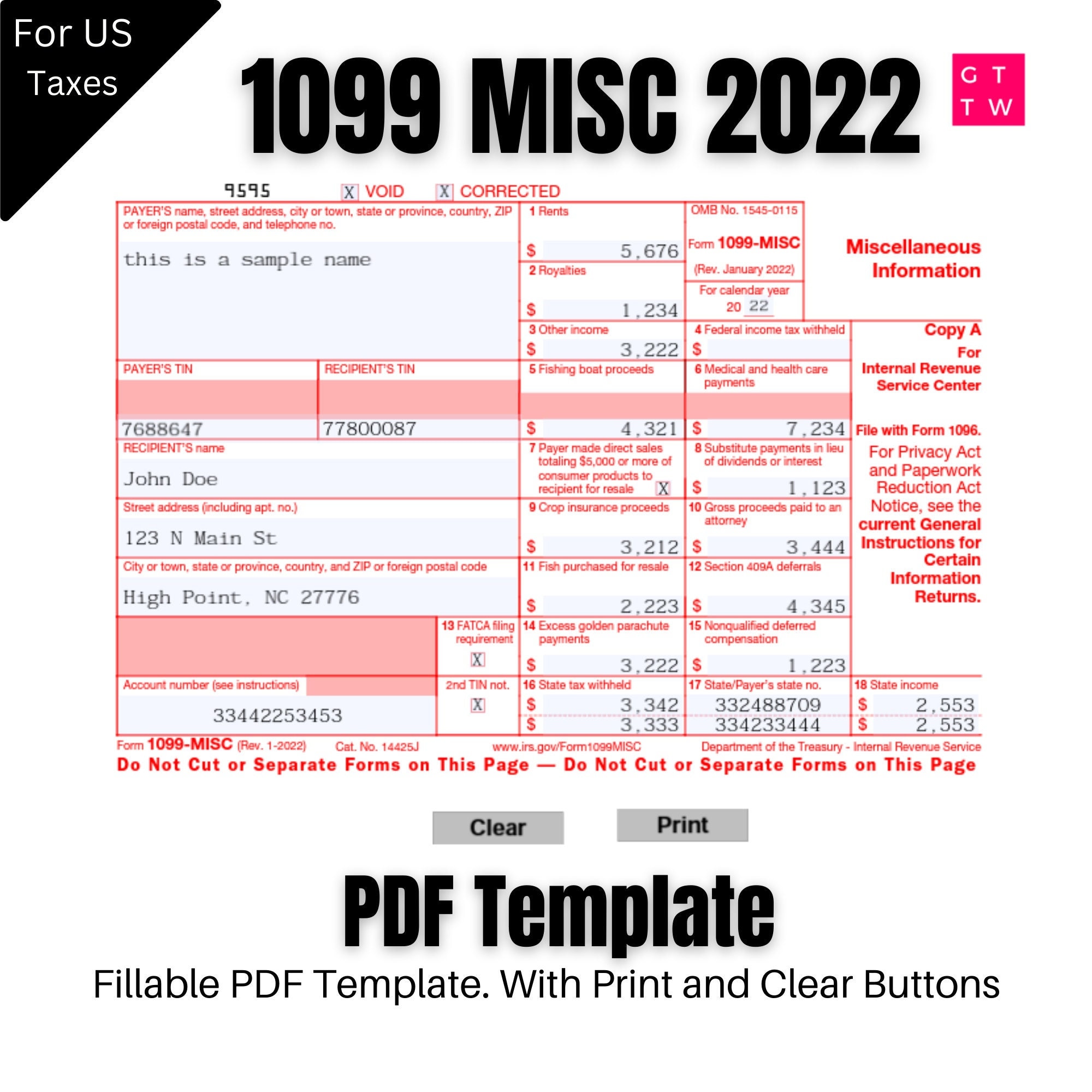
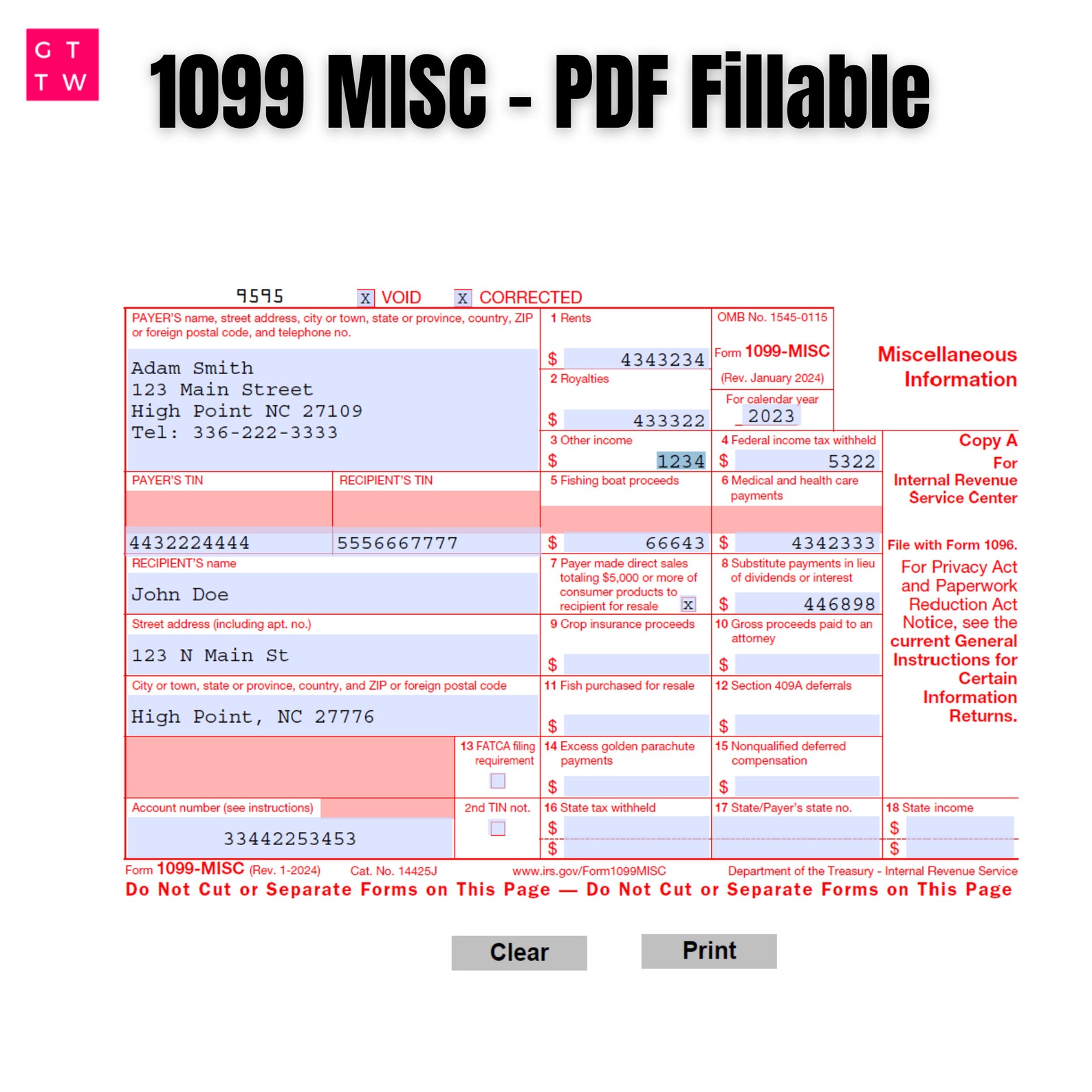
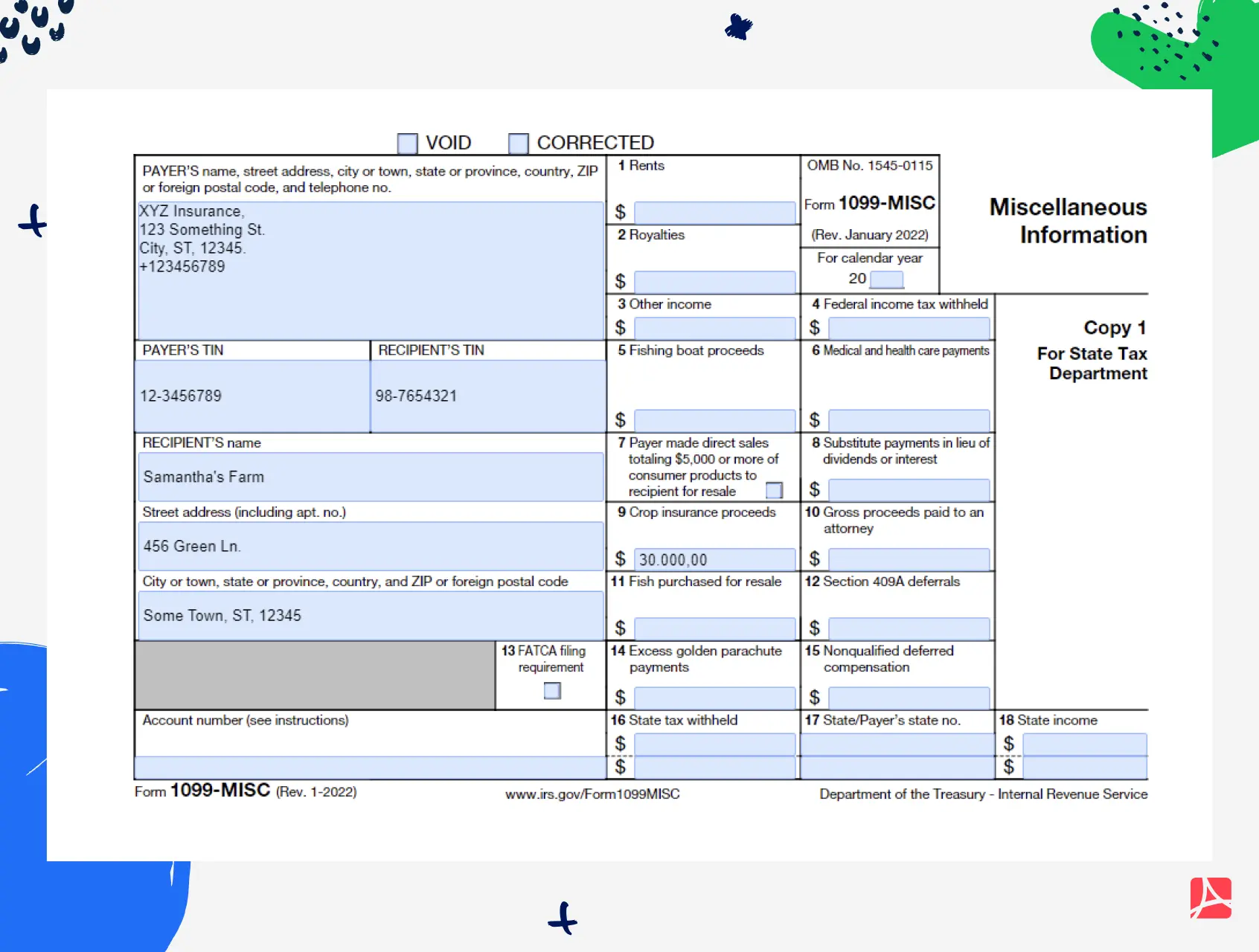
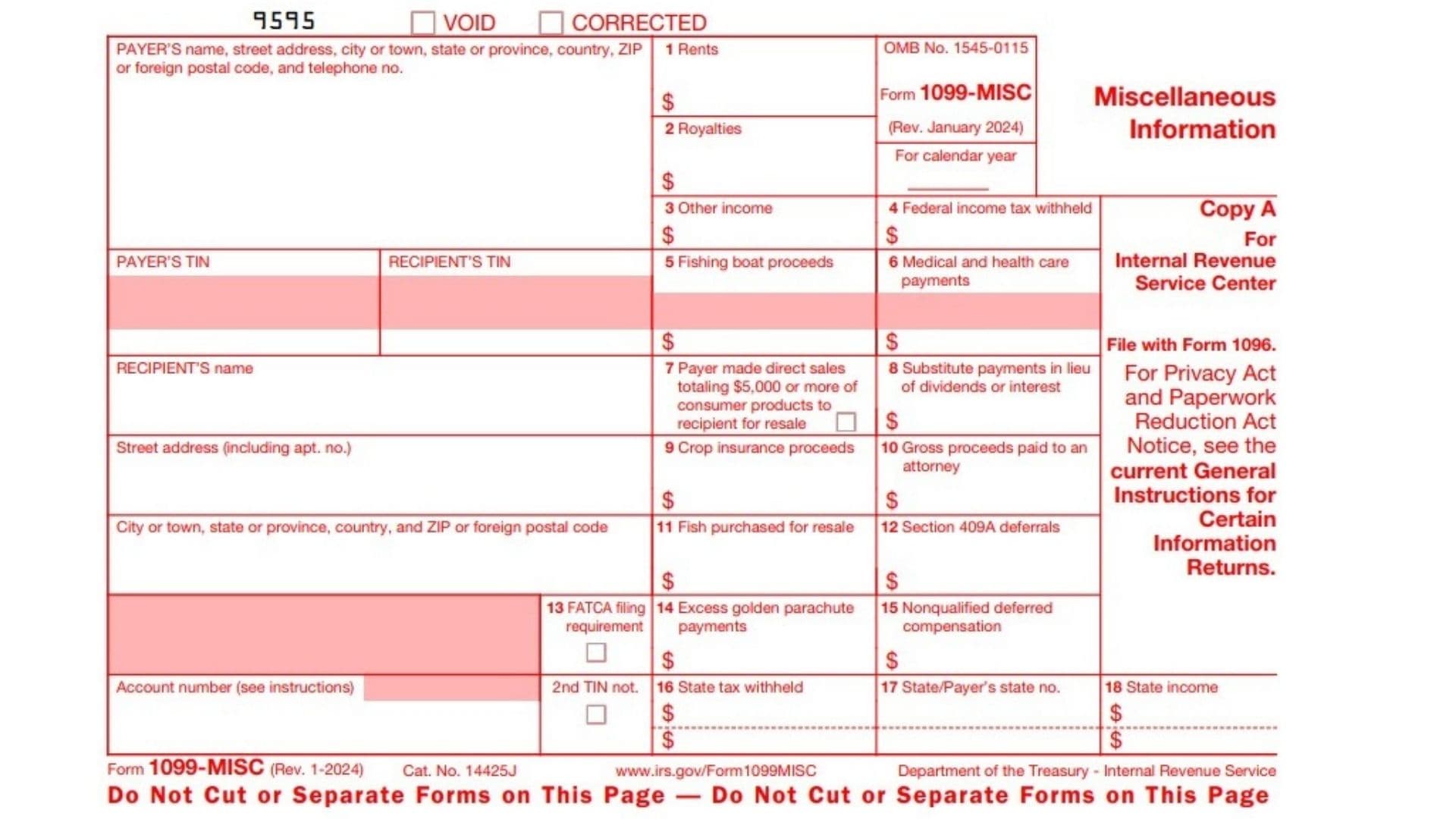
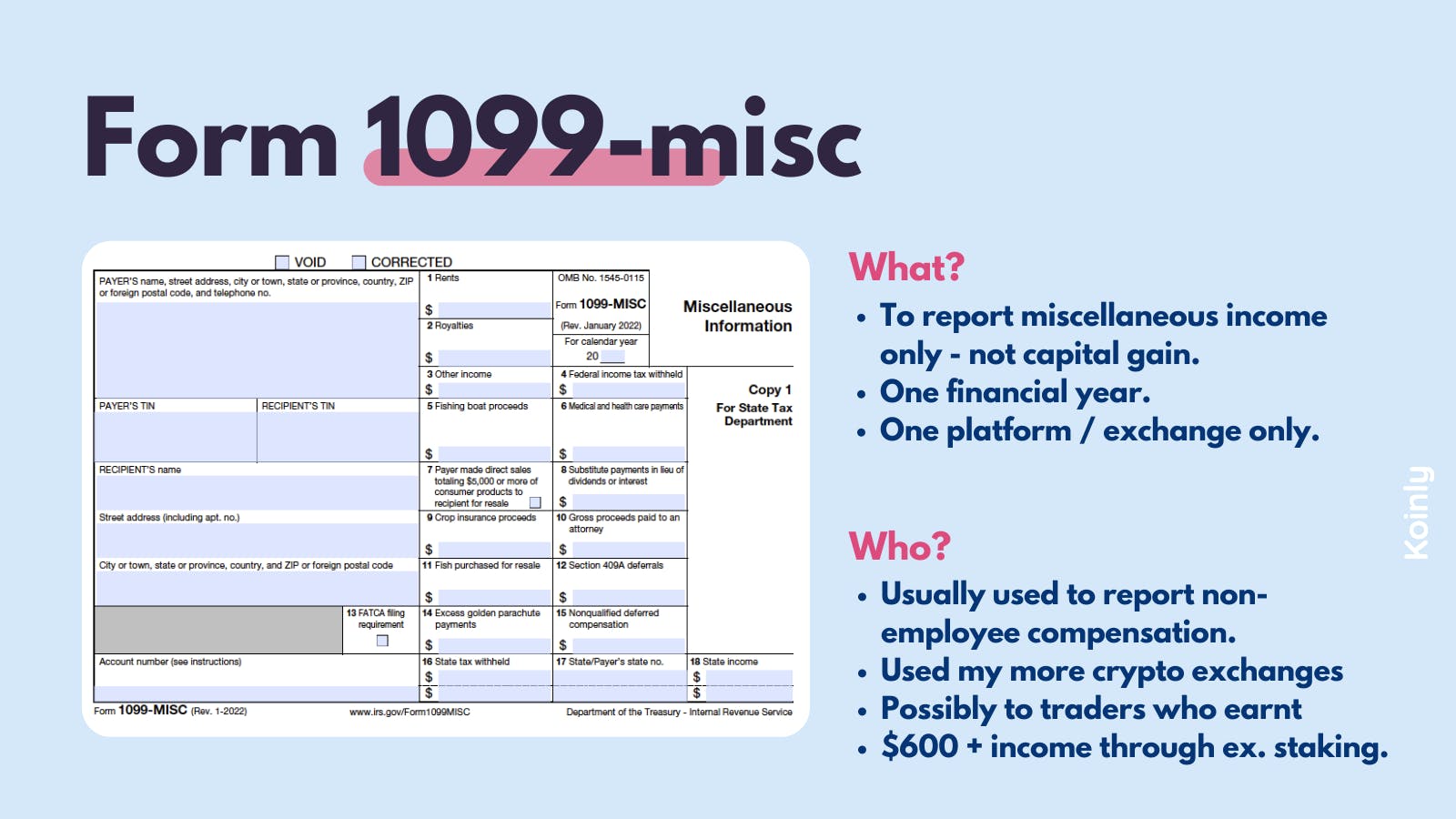
Form 1099-MISC (Miscellaneous Information) is an IRS tax document used to report various types of miscellaneous income paid to someone who is not an employee during the calendar year. Understanding when this form is legally mandated clarifies why standard workers' compensation payouts typically bypass this reporting mechanism.
Statutory Thresholds and Eligible Payments
Under IRS guidelines, a business must file a Form 1099-MISC for each person to whom they have paid at least $10 in royalties or broker payments in lieu of dividends or tax-exempt interest, or at least $600 in other specified categories during the year. Common reportable payments include:
- Rents.
- Prizes and awards.
- Other income payments (such as punitive damages or legal settlements paid directly by a defendant, subject to specific guidelines).
- Medical and healthcare payments (though these are often reported on Form 1099-NEC or distinct medical reporting paths, depending on the exact service context).
The Distinction Between 1099-MISC and 1099-NEC
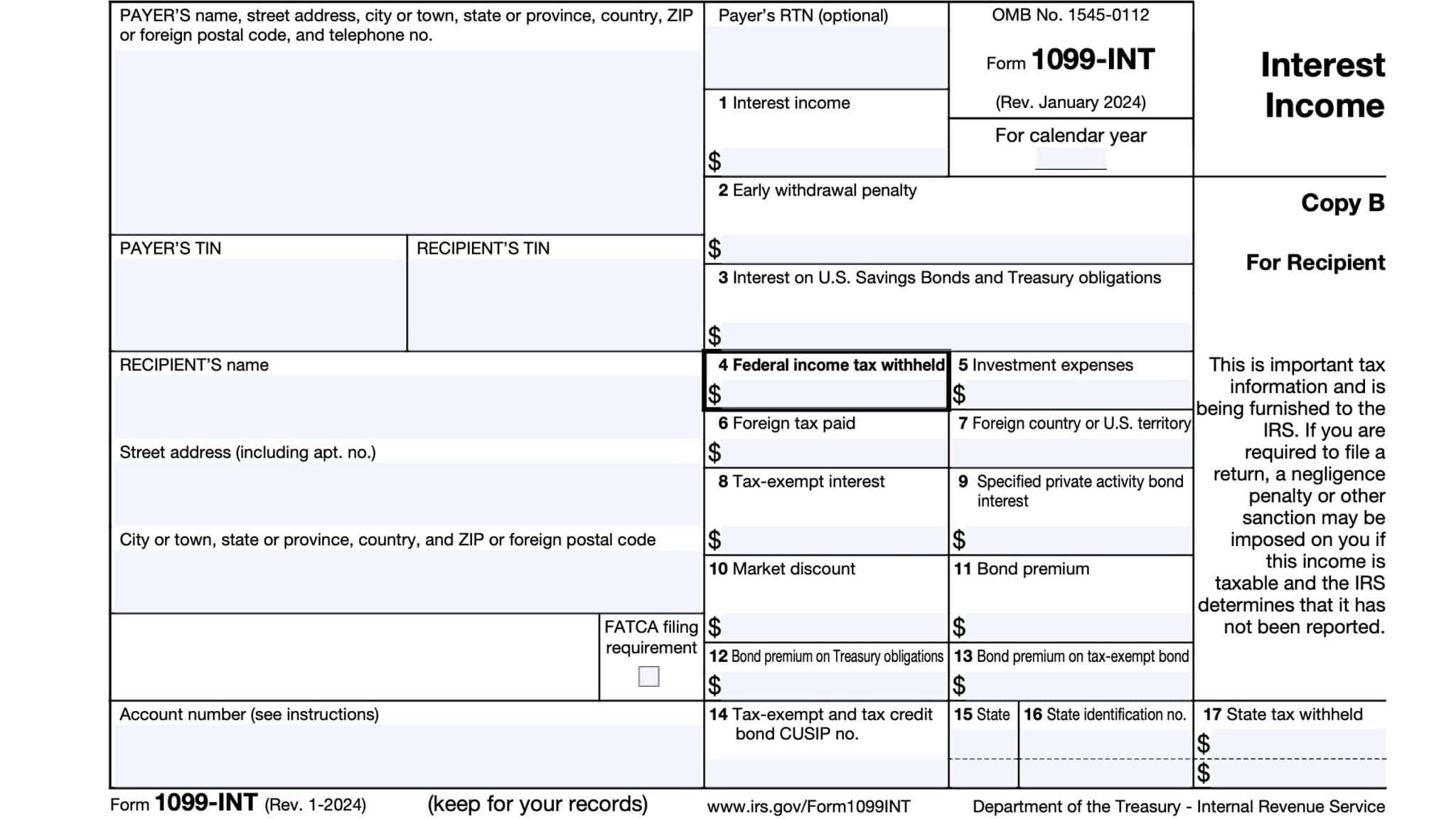
It is important to note that nonemployee compensation—payments made to independent contractors for services rendered in the course of a trade or business—is reported on Form 1099-NEC (Nonemployee Compensation), not Form 1099-MISC. While Form 1099-MISC previously handled nonemployee compensation for decades, the IRS separated this category onto Form 1099-NEC beginning in tax year 2020. Therefore, when evaluating payments made to independent contractors, businesses must distinguish between general service fees (1099-NEC) and miscellaneous rents, royalties, or awards (1099-MISC).
Workers' Compensation Benefits and Tax Reporting Rules
Workers' compensation benefits are designed to provide wage replacement and medical treatment to workers injured on the job. The tax treatment of these benefits directly impacts whether any reporting form, including Form 1099-MISC, is required.
Taxability of Workers' Compensation Payments
According to IRS Publication 525 (Taxable and Nontaxable Income), amounts you receive as workers' compensation for an occupational sickness or injury are fully exempt from federal income tax if they are paid under a workers' compensation act or a statute in the nature of a workers' compensation act. Because these benefits are generally tax-free to the recipient, they are typically excluded from gross income reporting requirements.
Direct Payer Obligations: Insurance Companies vs. Employers
The entity issuing the payment dictates the tax reporting path:
- Insurance Company Payouts: When a workers' compensation insurance carrier or a state fund issues wage replacement or medical benefit checks directly to an injured worker (whether the worker is a traditional employee or an insured independent contractor), the insurance company handles the claim administration. These insurance payouts are generally not reported on a Form 1099-MISC by the employer, as the employer did not disburse the funds for services rendered.
- Direct Employer-Paid Benefits: If an employer operates under a self-insured program or makes direct out-of-pocket payments to an injured worker to cover medical bills or lost wages in lieu of formal insurance processing, the tax and reporting landscape requires careful legal review. However, true workers' compensation benefit payments authorized under state statutes remain exempt from gross income, meaning they generally do not transform into reportable 1099-MISC miscellaneous income simply because an employer disbursed them.
| Payment Type | Reporting Form | General Taxability | Payer Responsibility |
|---|---|---|---|
| Independent Contractor Service Fees | Form 1099-NEC | Taxable Income | Business / Hiring Entity |
| Rents, Prizes, and Awards | Form 1099-MISC | Taxable Income | Business / Payer |
| Statutory Workers' Compensation Benefits | None (Exempt) | Nontaxable | Insurance Carrier / State Fund |
| Settlements for Personal Physical Injuries | Dependent on Allocation | Generally Nontaxable | Defending Party / Insurer |
Settlements, Legal Damages, and 1099 Obligations
When a workers' compensation claim or a related personal injury dispute culminates in a settlement, the structure of the settlement agreement determines whether any portion must be reported on an information return.
Allocation of Settlement Funds
Settlement proceeds are frequently divided into distinct categories, each carrying different tax implications:
- Medical Expense Reimbursements: Amounts allocated specifically for past or future medical treatments directly related to the workplace injury are generally excluded from gross income and do not require a 1099 form.
- Lost Wages: While traditional workers' compensation wage replacement benefits are tax-exempt, settlements arising from broader civil lawsuits or disputed claims that substitute for lost wages can sometimes face complex tax scrutiny. However, statutory workers' compensation wage replacement settlements remain exempt.
- Punitive Damages and Interest: Unlike compensatory damages for physical injuries, punitive damages and interest awarded in a settlement are fully taxable income and must be reported appropriately, often on Form 1099-MISC (in Box 3 for other income) or Form 1099-NEC depending on the nature of the underlying dispute.
Attorney Fees and Joint Reporting Rules
If a settlement check is made payable jointly to the claimant and their attorney, the payer (or insurance company) is typically required to issue a Form 1099-MISC or Form 1099-NEC to the attorney for the gross amount of the legal fees, and potentially a separate form to the claimant depending on the taxable components of the award. Compliance with Internal Revenue Code Section 6041 mandates that payments made to legal counsel must be reported, regardless of whether the underlying settlement proceeds to the client are tax-exempt.
Common Compliance Mistakes and Risk Mitigation
Navigating workers' compensation and 1099 reporting involves several operational pitfalls that can expose businesses to audits, tax penalties, and civil litigation.
Failing to Verify State Insurance Mandates
A frequent error is assuming that hiring 1099 independent contractors entirely eliminates workers' compensation liability. Many states mandate that hiring entities secure workers' compensation coverage for subcontractors unless the subcontractor provides a formal statutory exemption certificate, independent contractor proof of coverage, or meets specific statutory criteria. Relying on a signed independent contractor agreement alone does not shield a business from state-level workers' compensation penalties.
Incorrectly Issuing 1099s for Insurance Payouts
Some accounting departments mistakenly issue Form 1099-MISC or 1099-NEC to injured independent contractors for medical or wage-loss benefits paid out directly by the business's commercial workers' compensation insurance carrier. Because these funds originate from the insurer to satisfy statutory injury claims rather than compensating the contractor for ongoing business services, issuing an information return in error can trigger IRS matching discrepancies for the recipient.
Best Practices for Financial Recordkeeping
- Maintain Clear Separation of Funds: Ensure that commercial insurance payouts are documented directly through the carrier's ledger rather than passing through corporate accounts payable as vendor disbursements.
- Consult Legal Counsel on Settlements: Always review settlement agreements with tax and legal professionals to properly allocate portions designated for medical care, lost wages, and legal fees before issuing any tax forms.
- Audit Worker Classifications Periodically: Regularly review contractor relationships against IRS and state labor standards to ensure proper classification before workplace injuries occur.
Frequently Asked Questions
Do I issue a 1099-MISC to an independent contractor who received workers' compensation benefits?
No. If the benefits were paid by a workers' compensation insurance carrier or state fund for an injury, those payments represent statutory injury benefits rather than compensation for services rendered or miscellaneous income, and they are not reported on Form 1099-MISC.
Are workers' compensation settlement payouts taxable to a 1099 worker?
Generally, amounts received under workers' compensation acts for personal physical injuries or sickness are tax-exempt under IRS rules. However, if a settlement includes punitive damages, interest, or compensation not covered by statutory workers' compensation, taxability rules change and may require specific reporting.
What is the difference between Form 1099-MISC and Form 1099-NEC regarding contractors?
Form 1099-NEC is used exclusively to report nonemployee compensation (payments for services rendered by an independent contractor). Form 1099-MISC is reserved for other types of miscellaneous payments, such as rents, prizes, awards, and certain legal settlements.
Does having 1099 workers exempt a business from carrying workers' compensation insurance?
Not necessarily. Workers' compensation insurance requirements are governed by state law, not federal tax law. Many states require hiring businesses to carry coverage for independent contractors unless they meet strict statutory exemption tests or maintain their own independent policies.
What should I do if an insurance company or employer issues an erroneous 1099 for injury benefits?
If an information return was issued in error for tax-exempt workers' compensation benefits, contact the payer immediately to request a corrected form (Form 1099 with the corrected box checked) and consult a qualified tax professional to ensure accurate reporting on your federal income tax return.