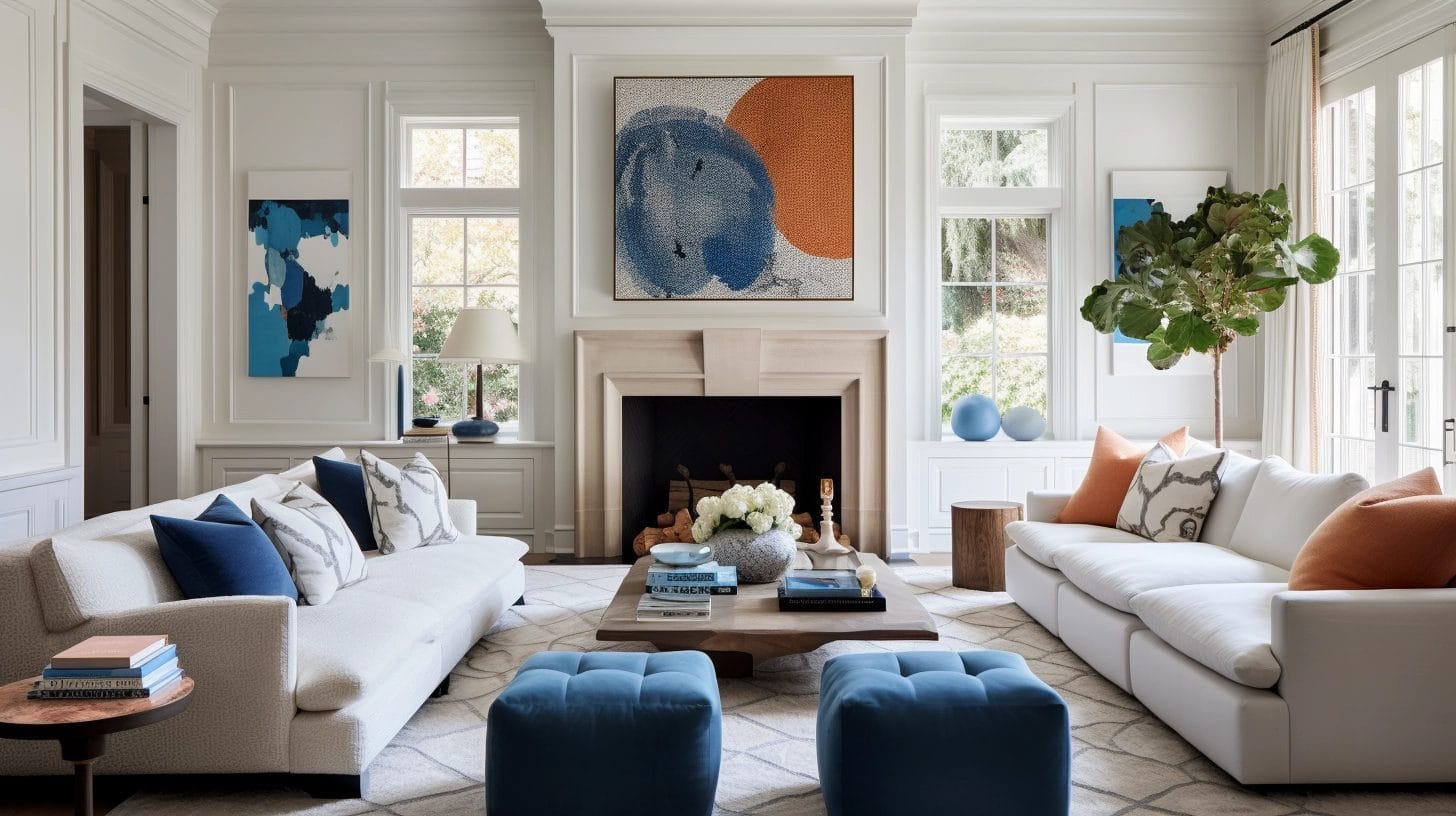
Integrating contemporary aesthetic trends with functional versatility, the concept of utilizing cast elements in interior design and architectural detailing has evolved significantly, offering homeowners innovative pathways to elevate modern living spaces through clean lines, tactile finishes, and architectural durability.
Introduction to Contemporary Cast Elements in Interior Design
The modern residential landscape demands materials that balance structural integrity with high-end aesthetic appeal. Among the most versatile mediums gaining traction in contemporary design are precision-cast architectural components, custom concrete elements, and specialized metal castings. Often associated with industrial style, modern casting techniques have evolved to produce refined, sophisticated pieces that fit seamlessly into minimalist, transitional, and luxury urban homes.
When evaluating these elements for residential upgrades, homeowners and interior designers must look beyond surface appearances. Successful integration requires understanding structural weight limits, spatial proportions, lighting interactions, and long-term maintenance requirements. Whether dealing with interior architectural features or functional statement pieces, incorporating cast elements provides an effective way to introduce raw, tactile textures into otherwise polished environments.
Understanding the Versatility of Cast Materials
To appreciate the design potential of cast elements, it is helpful to examine the primary materials utilized in contemporary manufacturing. Modern casting technology allows for immense flexibility in shape, color, and finish, making it possible to tailor structural and decorative pieces to any architectural style.
Material Typologies and Their Characteristics
- Architectural Concrete (GFRC): Glass-fiber reinforced concrete allows for thinner, lighter castings without sacrificing compressive strength. It is ideal for large-format panels, countertops, and seamless fireplace surrounds.
- Bronze and Brass Castings: Used primarily for hardware, custom fixtures, and accent panels, cast metals introduce a sense of timeless luxury and develop a rich patina over time.
- Cast Iron and Steel: These traditional heavy metals find new life in modern interiors through slender window frames, structural room dividers, and custom stair treads that anchor open-plan layouts.
- Composite Stone Resins: Combining natural stone dust with high-performance polymers, these materials offer the look of solid quarried stone with enhanced resistance to staining and chipping.
10 Stunning Cast Ideas for Modern Living Spaces
Implementing cast design concepts requires a strategic balance between statement pieces and understated architectural foundations. Below are ten carefully curated ideas tailored for contemporary homes seeking a blend of durability and sophisticated style.
1. Seamless Cast Concrete Fireplace Surrounds
A monolithic fireplace surround serves as a natural focal point in a modern living room. Utilizing architectural concrete creates a smooth, continuous surface that grounds the space, contrasting cleanly against warm wood floors or expansive glass walls. The material's inherent heat resistance makes it both practical and visually striking.
2. Integrated Cast Resin and Stone Kitchen Islands
The kitchen island remains the heart of the modern home. Moving away from standard slab fabrication, an island crafted from composite stone or cast resin allows for integrated sinks, seamless waterfall edges, and organic curves that soften the rigid geometry typical of contemporary floor plans.
3. Tactile Cast Metal Architectural Wall Panels
Feature walls add depth and acoustic interest to open-concept living areas. Cast bronze or aluminum panels featuring geometric bas-relief patterns catch natural and artificial light dynamically throughout the day, transforming a static wall into an evolving art installation.
4. Custom Cantilevered Cast Stair Treads
Staircases are increasingly treated as sculptural elements rather than mere connectors between levels. Cantilevered treads cast from high-strength concrete or blackened metal provide an industrial yet weightless appearance when paired with glass or minimalist cable railings.
5. Architectural Cast Concrete Planters and Dividers
Zoning large living spaces without constructing permanent walls is a central challenge in modern architecture. Large-scale, custom-cast planters act as natural green dividers, bringing biophilic design principles indoors while anchoring conversational groupings.
6. Minimalist Cast Basin Sinks for Powder Rooms
Powder rooms offer an ideal canvas for bold design choices. A wall-mounted or freestanding basin cast from tinted concrete or terrazzo offers an unexpected tactile element, turning a functional bathroom fixture into a minimalist centerpiece.
7. Custom Cast Metal Interior Doors and Room Dividers
Sliding or pivoting interior doors crafted with cast metal frames and reeded glass maximize light transmission while offering acoustic privacy. The substantial feel of cast hardware and framing adds a reassuring weight and quality to daily interactions.
8. Integrated Cast Lighting Coves and Sconces
Lighting design dictates the mood of a modern interior. Light fixtures and architectural coves cast directly into plaster or concrete walls create indirect, diffused illumination that accentuates the textured grain of the surrounding materials.
9. Durable Outdoor Cast Terrazzo Pavers
Extending indoor living spaces outdoors requires weather-resistant materials that maintain visual continuity. Cast terrazzo pavers provide a smooth, durable surface for patios and courtyards, offering slip resistance without compromising on high-end design aesthetics.
10. Sculptural Cast Coffee and Dining Tables
Furniture can act as functional sculpture. Dining tables and low-profile coffee tables featuring cast concrete bases topped with glass or timber juxtapose organic weight with refined craftsmanship, anchoring living and dining zones with understated elegance.
Comparative Overview of Cast Design Materials
Selecting the right material involves weighing structural requirements against visual and budgetary goals. The following comparison outlines the primary characteristics of commonly used cast mediums in contemporary interiors.
| Material Type | Primary Application | Weight & Support Needs | Maintenance & Durability | Aesthetic Profile |
|---|---|---|---|---|
| GFRC Concrete | Fireplaces, Counters, Walls | Moderate to Heavy; requires professional installation | Requires periodic sealing; highly durable against impact | Industrial, monolithic, minimalist |
| Cast Bronze/Brass | Hardware, Accents, Panels | Varies; generally self-supporting on studs | Develops a patina; requires minimal cleaning | Luxurious, warm, tactile |
| Composite Stone | Sinks, Countertops, Islands | Heavy; requires reinforced cabinetry | Non-porous, highly stain and scratch resistant | Sleek, uniform, stone-like |
| Cast Iron/Steel | Stair Treads, Frames, Dividers | Substantial; requires structural engineering | Rust-resistant coatings required; extremely robust | Structural, sleek, architectural |
Planning, Installation, and Safety Considerations
Integrating heavy cast elements into a residential setting requires careful coordination between architects, structural engineers, and interior designers. Unlike standard drywall or lightweight cabinetry, cast concrete, stone, and metal components impose significant dead loads on residential framing.
- Structural Assessment: Before installing heavy items like cast concrete islands or massive fireplace surrounds, consult a structural engineer to verify that subfloors and wall framing can support the concentrated weight.
- Professional Handling: Due to the weight and rigidity of cast elements, professional installation is virtually always required to prevent structural damage, chipping, or injury.
- Surface Maintenance: Materials like architectural concrete and natural-metal castings require specific cleaning regimens and periodic re-sealing to protect against moisture penetration, staining, and oxidation. Avoid harsh acidic cleaners that can etch polished surfaces.
Frequently Asked Questions
Are cast concrete elements too heavy for standard residential floors?
Standard residential second-story framing may require additional reinforcement to support large cast concrete features like full-wall surrounds or heavy islands. Ground-floor installations on concrete slabs generally require no special reinforcement, but professional engineering verification is always recommended for oversized pieces.
How do I maintain cast metal accents and prevent unwanted patina?
Cast bronze and brass naturally develop an oxidation patina over time when exposed to air and oils from touch. If you prefer to maintain a bright, factory-finish look, apply a microcrystalline wax or specialized lacquer coating as specified by the manufacturer, and clean only with mild soap and water.
Can custom cast pieces be molded to fit unique architectural spaces?
Yes, the primary advantage of casting is its malleability during the fabrication phase. Manufacturers can create bespoke silicone or wood molds to match exact radius walls, ceiling heights, and floor plans, though custom molds incur higher lead times and tooling costs.
What is GFRC and why is it preferred over traditional concrete?
Glass-fiber reinforced concrete (GFRC) incorporates high-strength alkali-resistant glass fibers into the concrete matrix. This eliminates the need for heavy steel reinforcement bars and allows for much thinner, lighter castings that retain exceptional tensile and compressive strength.
Conclusion and Next Actions
Incorporating cast elements into modern living spaces bridges the gap between raw industrial utility and refined residential luxury. By thoughtfully selecting materials that suit your home's structural capacity and aesthetic direction, you can create durable, striking interiors that stand the test of time. Begin your project by consulting with a licensed structural engineer and an experienced interior designer to assess your space and develop custom fabrication plans tailored to your specific architectural requirements.