The Big Ten Conference has evolved through decades of athletic realignment, legendary coaching rivalries, and historic gridiron battles, featuring foundational matchups that have shaped its identity, national championship pedigree, and cultural footprint in American college football.
College football is built on traditions that span generations, and few conferences possess a lineage as rich and fiercely contested as the Big Ten. From its origins as the Intercollegiate Conference of Faculty Representatives to its modern incarnation stretching from coast to coast, the conference has been defined by cold November afternoons, hard-nosed line play, and iconic games that shifted the balance of power in the sport. To understand the modern landscape of the conference, one must examine the contests that established its reputation for physical football, dramatic upsets, and national dominance. These foundational games tell the story of a league that balances historic rivalries with relentless adaptation.
The Evolution and Identity of the Big Ten Conference
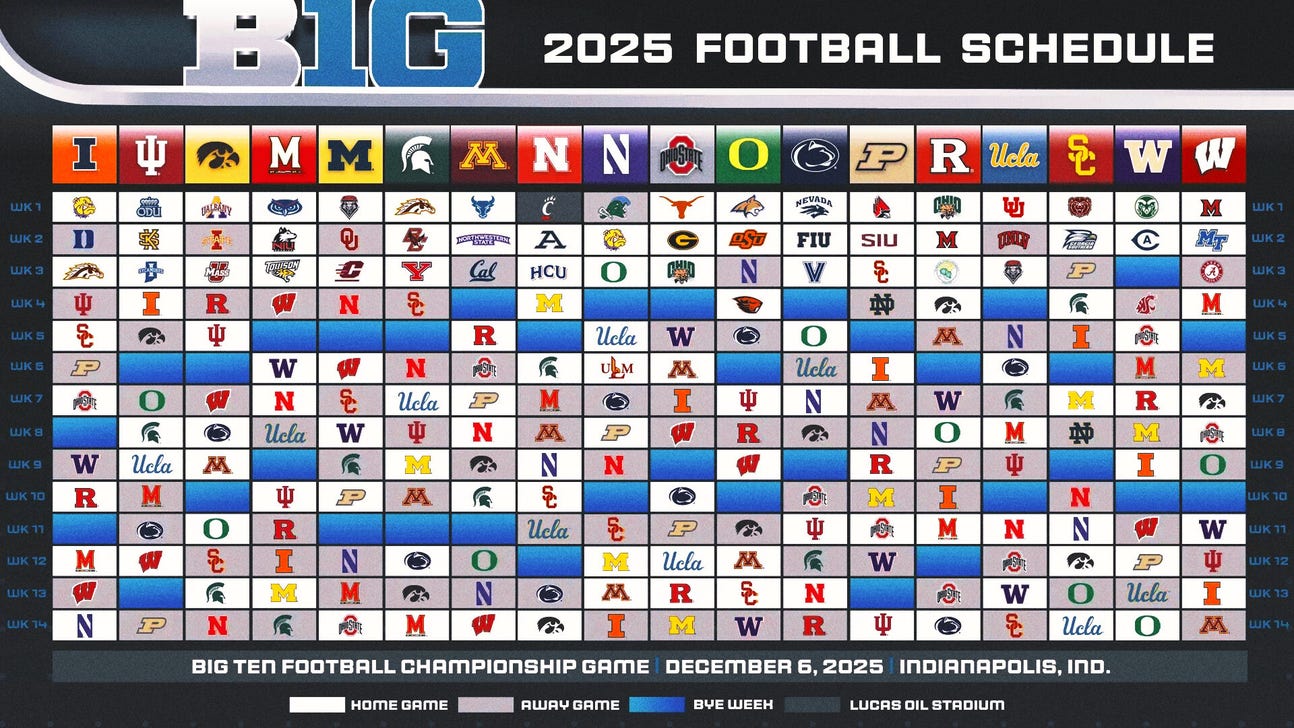
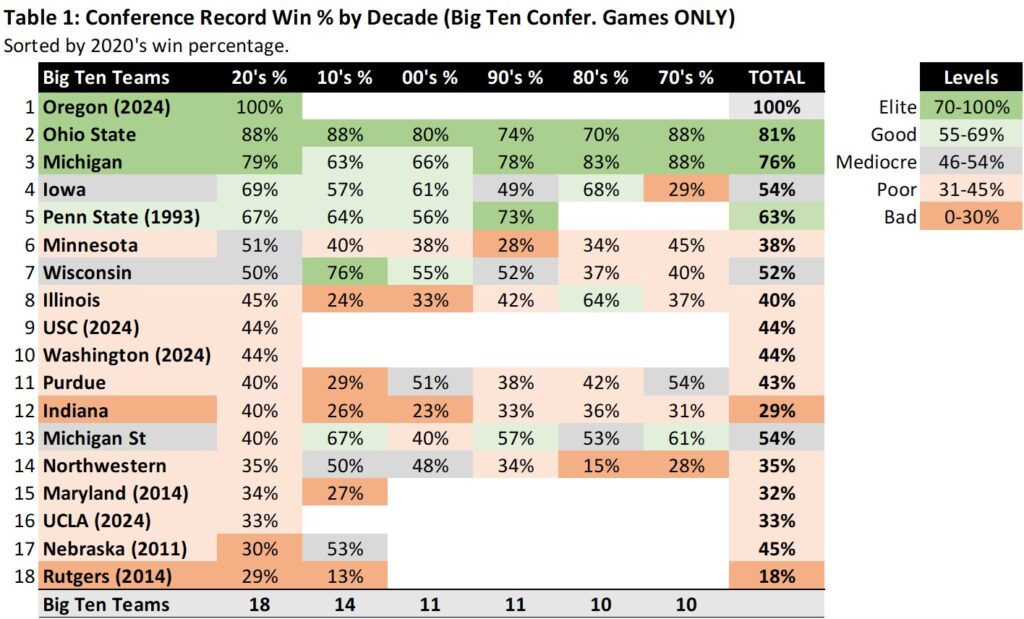
The Big Ten Conference stands as the oldest Division I collegiate athletic conference in the United States, tracing its roots back to 1896. Originally known as the Western Conference, it was formed to regulate intercollegiate athletics and ensure institutional control over football programs. Over more than a century, the league expanded incrementally, adding powerhouse institutions like Penn State in 1990, Nebraska in 2011, Maryland and Rutgers in 2014, and further expanding in 2024 to include historic Pac-12 programs like USC, UCLA, Oregon, and Washington.
Despite this massive geographic footprint, the conference's core identity remains rooted in traditional Midwestern values: punishing rushing attacks, stout defensive fronts, and unmatched stadium atmospheres. The games that define the Big Ten are rarely modern aerial circuses alone; instead, they are physical chess matches where mistakes are punished instantly and championships are won in the trenches. Examining the ten games that shaped this conference provides vital context for how regional pride transformed into a national media powerhouse.
1. Michigan vs. Ohio State (1969): The Ten Year War Catalyst
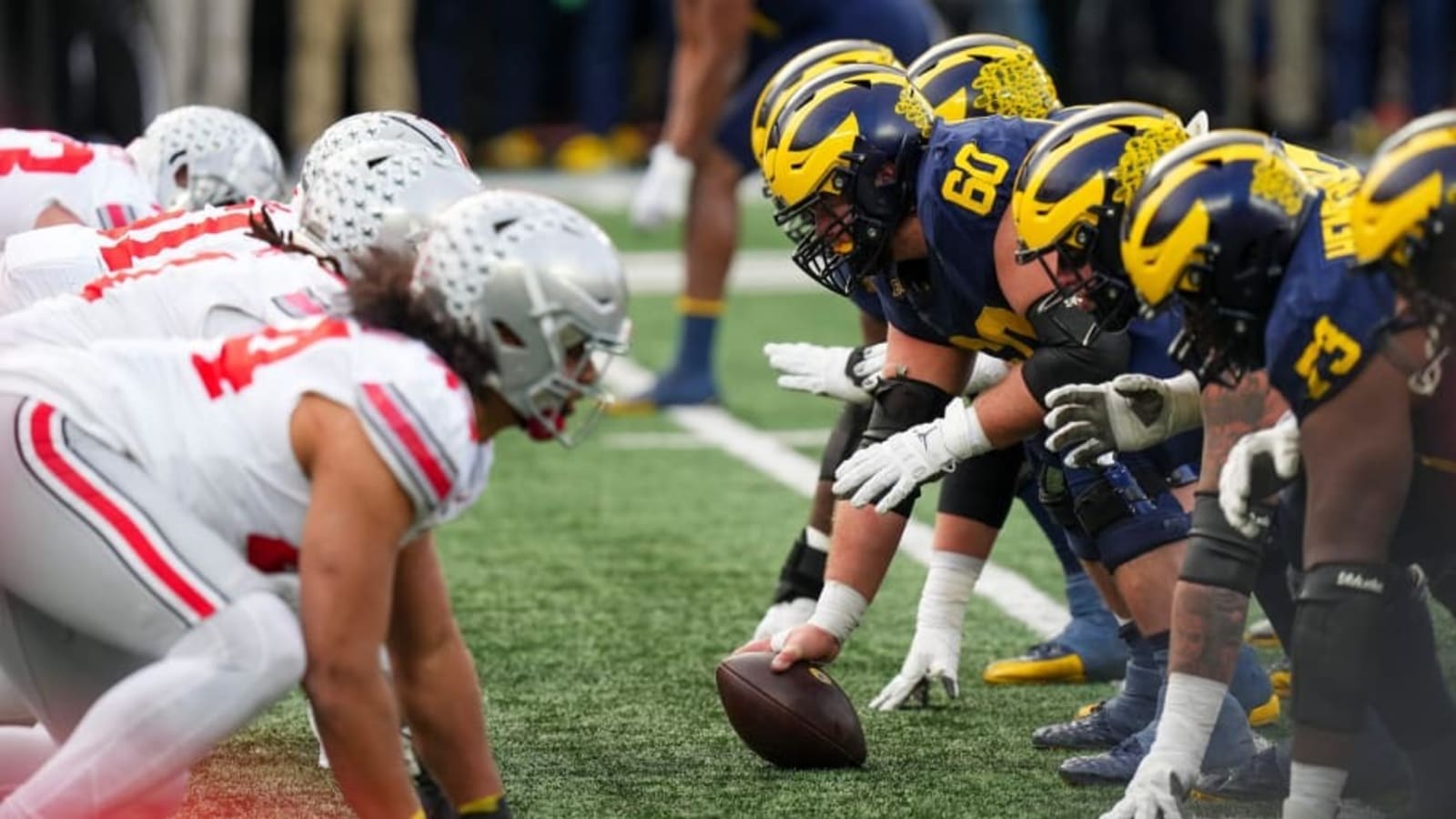
No game captures the spirit of the Big Ten quite like The Game, but the 1969 meeting between Michigan and Ohio State fundamentally altered college football history. This matchup marked the beginning of the legendary "Ten Year War" between coaching icons Woody Hayes of Ohio State and Bo Schembechler of Michigan, a former assistant to Hayes.
Entering the game, the top-ranked Buckeyes were heavily favored defending national champions, boasting a dominant roster. However, Schembechler’s underdog Wolverines executed a flawless game plan, securing a stunning 24-12 victory. This upset did more than just keep Michigan out of the Rose Bowl; it ignited one of the most intense, respectful, and fiercely contested coaching rivalries in sports history, cementing the Michigan-Ohio State annual clash as the ultimate litmus test for the conference.
2. Michigan State vs. Notre Dame (1966): The Game of the Century
While Notre Dame was an independent for most of its history, its clashes with Big Ten opponents have defined regional supremacy. The November 19, 1966, matchup between top-ranked Notre Dame and second-ranked Michigan State in East Lansing is universally recognized as one of the greatest games in college football history.
Both teams entered undefeated, featuring rosters packed with future NFL Hall of Famers like Bubba Smith, Clinton Jones, and Nick Eddy. The game lived up to its billing, ending in a tense 10-10 tie after Notre Dame coach Ara Parseghian famously opted to run out the clock rather than risk a late turnover. The game proved the caliber of Big Ten football on a national television audience of millions, validating the conference's physical style against the nation's premier independent program.
3. Iowa vs. Michigan (1985): Hayden Fry and Kinnick Stadium Magic
The 1985 season saw the Big Ten embroiled in a fierce race for supremacy, culminating in a legendary October showdown between top-ranked Iowa and second-ranked Michigan in Iowa City. Coached by the charismatic Hayden Fry, the Hawkeyes played with a swagger that challenged traditional conference norms.
Led by star quarterback Chuck Long, Iowa engaged in a defensive struggle against Bo Schembechler's Michigan squad. As time expired, Iowa kicker Rob Houghtlin booted a 29-yard field goal to secure a 12-10 victory, sending Kinnick Stadium into pandemonium and temporarily seizing control of the national championship race. This game defined the unique home-field advantages found across the conference and proved that traditional powerhouses could be challenged by rising programs with innovative leadership.
4. Penn State vs. Miami (1987 Fiesta Bowl): A National Championship Defining Moment
Though Penn State did not officially join the Big Ten until 1990, the Nittany Lions' 1987 Fiesta Bowl victory against the Miami Hurricanes stands as a watershed moment for the future conference member. Billed as a battle of cultures—the disciplined, independent Nittany Lions versus the brash, swaggering Hurricanes—the game served as the de facto national championship.
Joe Paterno’s Penn State defense forced seven turnovers, culminating in linebacker Pete Giftopoulos intercepting Miami quarterback Vinny Testaverde in the end zone to seal a 14-10 victory. This game not only secured a national title for Penn State but also foreshadowed the program's eventual integration into the Big Ten, bringing eastern prestige and a massive fan base into the conference fold.
5. Ohio State vs. Miami (2003 Fiesta Bowl): Breaking the BCS
The 2003 Tostitos Fiesta Bowl served as the Bowl Championship Series (BCS) National Championship Game, pitting a heavy underdog Ohio State team against a dynastic Miami Hurricanes squad riding a 34-game winning streak. Led by coach Jim Tressel, the Buckeyes relied on opportunistic defense, freshman star Maurice Clarett, and gritty quarterback play from Craig Krenzel.
The game extended into double overtime, highlighted by a controversial pass interference call on fourth down that kept Ohio State's hopes alive. The Buckeyes ultimately prevailed 31-24, claiming their first consensus national title since 1968. This game defined the modern era of Big Ten football, proving that the conference's disciplined, fundamental approach could neutralize explosive athletic talent on the national stage.
6. Michigan State vs. Ohio State (2013): Big Ten Championship Defensive Masterclass
By the 2010s, the Big Ten Championship Game had become a cornerstone of the conference's competitive structure. The 2013 title game between undefeated, top-ranked Ohio State and Michigan State stands out as a defensive masterclass that shaped the College Football Playoff era.
Urban Meyer’s Buckeyes entered with a 24-game win streak under their belt, but Mark Dantonio’s Spartans utilized a ferocious defense and relentless ground game, led by running back Jeremy Langford and quarterback Connor Cook. Michigan State secured a 34-24 victory, shattering Ohio State's national championship dreams and demonstrating the high-stakes drama inherent in the conference's championship weekend.
7. Ohio State vs. Michigan (2006): The Game of the Century
Few regular-season games in college football history have carried the immense stakes of the November 18, 2006, meeting between No. 1 Ohio State and No. 2 Michigan in Columbus. For the first time in the storied 100-plus-year history of the rivalry, the two teams met with the top two spots in the national rankings secured.
The game was an offensive showcase, featuring Heisman Trophy winner Troy Smith leading the Buckeyes against Chad Henne and Mario Manningham for the Wolverines. Ohio State triumphed 42-39 in a game played just days after the passing of legendary Michigan coach Bo Schembechler, adding deep emotional resonance to the contest. It remains the gold standard for regular-season conference matchups in the modern era.
8. Michigan State vs. Michigan (2015): The Miracle in Ann Arbor
Rivalries within the Big Ten extend beyond conference titles; they define state pride and institutional bragging rights. The October 17, 2015, matchup between Michigan State and Michigan featured one of the most astonishing finishes in college football history.
Under first-year coach Jim Harbaugh, Michigan held a 23-21 lead with just ten seconds remaining. Lining up to punt deep in their own territory, Michigan punter Blake O'Neill fumbled the snap. Michigan State punter-turned-roaming-athlete Jalen Watts-Jackson scooped up the loose ball and raced 38 yards into the end zone as time expired for a 27-23 victory. This chaotic finish cemented the intensity of in-conference battles where games are decided on the final play.
9. Ohio State vs. Penn State (2017): White Out Thriller
The modern Big Ten is defined as much by its environmental spectacles as its on-field play, and none matches the intensity of a Penn State White Out. On October 28, 2017, No. 2 Penn State hosted No. 6 Ohio State in front of a record-shattering crowd of 107,082 fans clad in white at Beaver Stadium.
Led by quarterback Trace McSorley and running back Saquon Barkley, the Nittany Lions dominated the first three quarters, building an 18-point lead. However, Ohio State quarterback J.T. Barrett engineered a stunning fourth-quarter comeback, completing 13 consecutive passes to lead the Buckeyes to a 39-38 victory. This game showcased the elite competitive ceiling of the conference and the unmatched theater of its premier venues.
10. Michigan vs. Ohio State (2021): The Turning Point
For a decade, the Michigan-Ohio State rivalry had been dominated by the Buckeyes, casting a shadow over the Wolverines' program. The November 27, 2021, meeting changed the trajectory of the entire conference. Coached by Jim Harbaugh, Michigan embraced a physical, punishing identity, leaning heavily on running back Hassan Haskins, who rushed for five touchdowns.
The Wolverines bullied Ohio State in a snowy snowglobe at Michigan Stadium, securing a 42-27 victory. This win propelled Michigan to its first Big Ten Championship Game appearance and subsequent College Football Playoff berth, snapping an eight-game losing streak to their arch-rivals and signaling a seismic shift in power that would carry through the decade.
Summary of Defining Big Ten Matchups
| Year | Matchup | Significance | Result |
|---|---|---|---|
| 1969 | Michigan vs. Ohio State | Sparked the Ten Year War and modern rivalry era | Michigan 24, Ohio State 12 |
| 1966 | Michigan State vs. Notre Dame | Historic #1 vs. #2 clash validating conference strength | Tie, 10-10 |
| 1985 | Iowa vs. Michigan | Kinnick Stadium thriller establishing national prominence | Iowa 12, Michigan 10 |
| 1987 | Penn State vs. Miami | Fiesta Bowl de facto national championship before joining Big Ten | Penn State 14, Miami 10 |
| 2003 | Ohio State vs. Miami | BCS National Championship double-overtime classic | Ohio State 31, Miami 24 (2OT) |
| 2006 | Ohio State vs. Michigan | First #1 vs. #2 regular-season meeting in rivalry history | Ohio State 42, Michigan 39 |
| 2013 | Michigan State vs. Ohio State | Championship game defensive masterclass altering playoff race | Michigan State 34, Ohio State 24 |
| 2015 | Michigan State vs. Michigan | Iconic final-play fumble return in historic state rivalry | Michigan State 27, Michigan 23 |
| 2017 | Ohio State vs. Penn State | Legendary Beaver Stadium White Out fourth-quarter comeback | Ohio State 39, Penn State 38 |
| 2021 | Michigan vs. Ohio State | Program-altering victory ending years of rivalry dominance | Michigan 42, Ohio State 27 |
Frequently Asked Questions
What makes Big Ten football unique compared to other conferences?
The Big Ten is historically defined by physical line play, robust running games, outdoor November weather conditions, and deeply rooted regional rivalries. While modern offenses have integrated spread concepts, the conference maintains a reputation for disciplined defense and tough, ground-oriented football.
How has conference realignment affected historic Big Ten matchups?
Recent expansion adding schools from the West Coast has broadened the conference's national footprint. However, traditional rivalry weekend games—most notably Michigan versus Ohio State—remain the emotional heartbeat of the league, preserving core traditions amidst shifting divisional alignments.
Why is the Michigan-Ohio State rivalry considered the premier game in the conference?
Referred to simply as The Game, this annual matchup has frequently decided Big Ten championships and national title berths since 1897. The combination of historical animosity, coaching legends like Woody Hayes and Bo Schembechler, and annual high stakes places it among the premier rivalries in all of American sports.
How do non-conference games impact the Big Ten's national reputation?
High-profile non-conference games, such as historic series against Notre Dame or SEC opponents, serve as vital testing grounds for the conference. Victories in these matchups validate the competitive quality of Big Ten programs on a national scale and heavily influence postseason selection.
What factors contribute to the intense atmosphere at Big Ten stadiums?
Massive student bodies, multi-generational alumni fan bases, and iconic venues accommodating over 100,000 spectators create some of the most intimidating environments in college athletics. Traditions like Penn State's White Out or Iowa's Kinnick Wave amplify this unique cultural experience.
Next Actions for College Football Fans
To fully appreciate the historical weight of the Big Ten Conference, fans should explore archival game broadcasts of the legendary matchups detailed above, visit historic campus stadiums during fall weekends, and monitor contemporary conference realignment updates as the league continues to evolve in the modern athletic landscape.