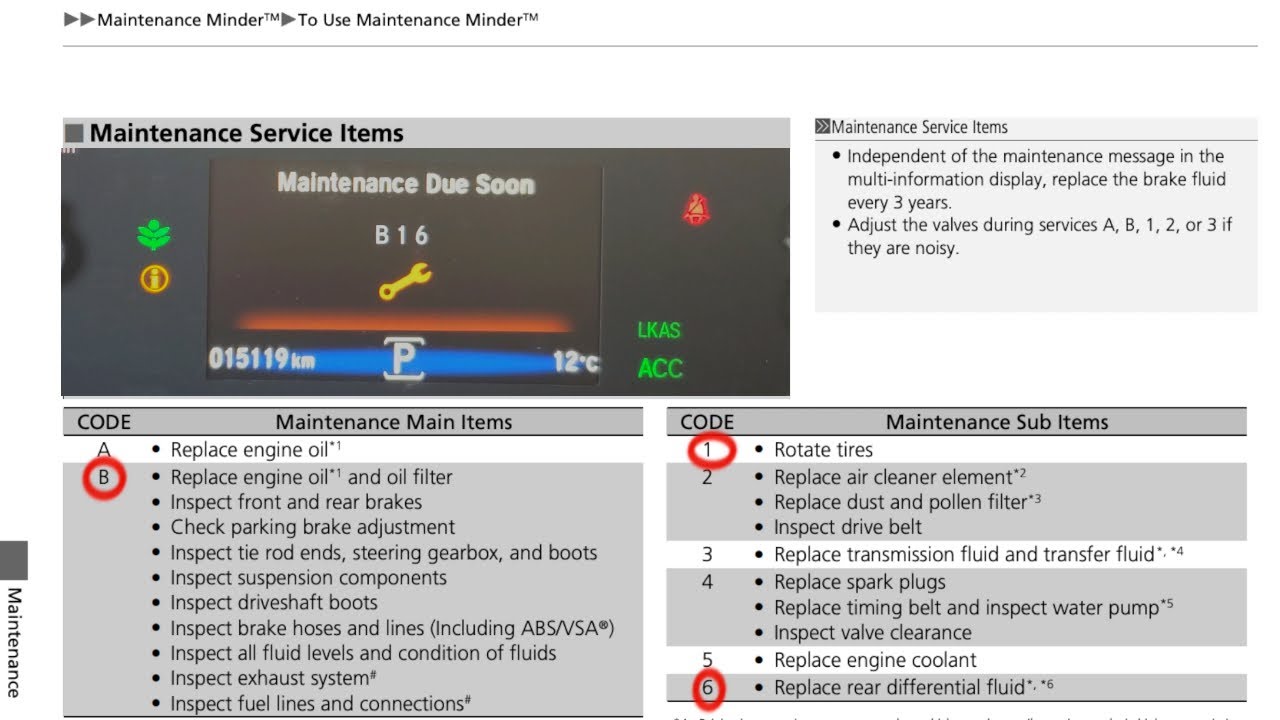
The Honda Pilot code B16 is a specific maintenance minder notification indicating that your vehicle requires an oil change, a tire rotation, and a rear differential fluid service. This system-generated alert is designed to ensure vehicle longevity by tracking engine hours, driving conditions, and mileage to signal when essential mechanical tasks are due for your specific SUV.
Understanding the Honda Maintenance Minder System
Honda vehicles, including the Pilot, utilize the Maintenance Minder system rather than a fixed-interval schedule based strictly on mileage. Instead of guessing when your vehicle needs service, the onboard computer monitors the engine's operating conditions, such as ambient temperature, engine load, and startup cycles. This data is processed to determine the remaining life of various fluids and components.
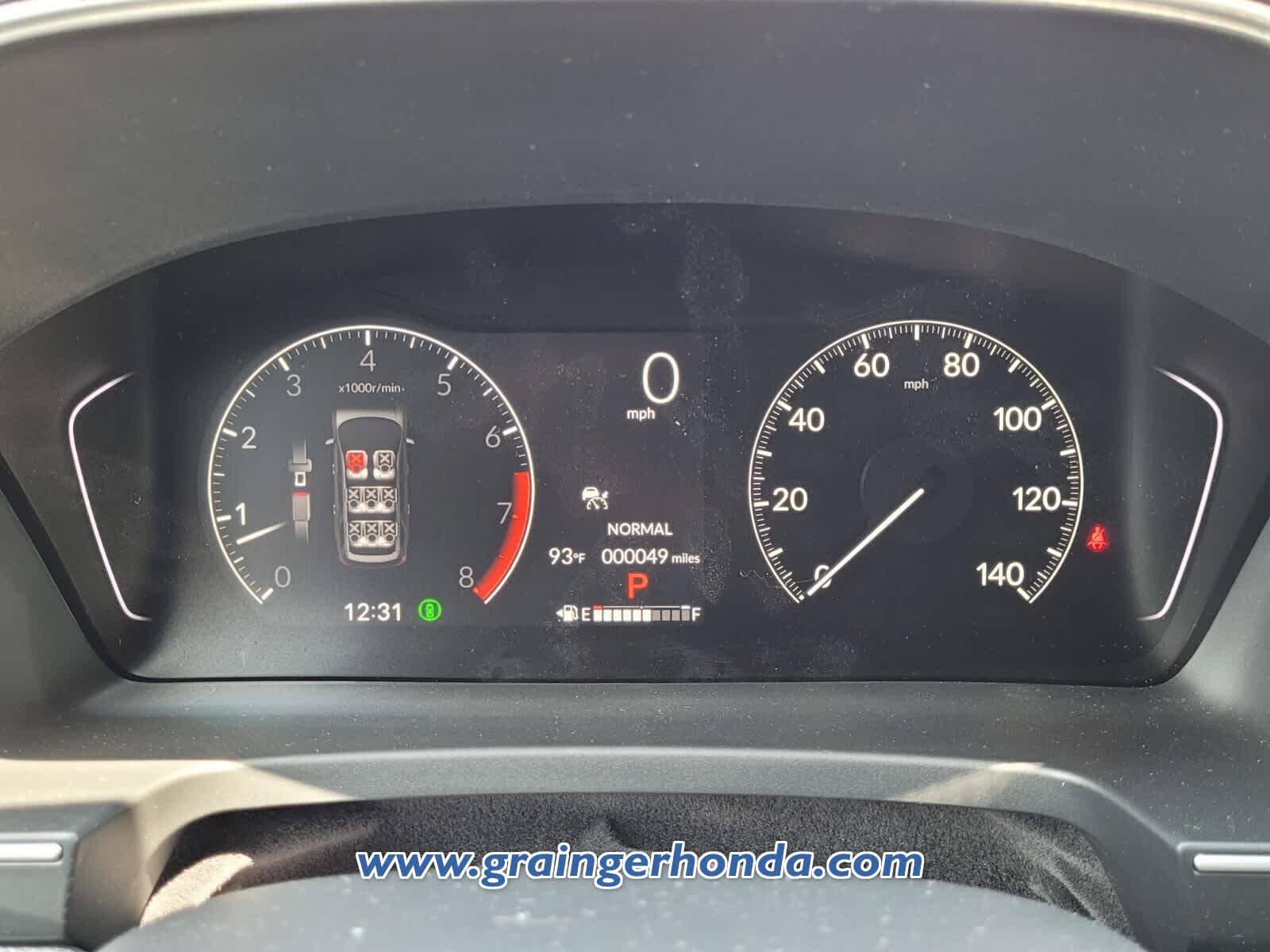
When you see a letter and a number combination on your dashboard, you are looking at a two-part maintenance requirement. The letter "B" indicates the primary service category, while the number "16" specifies the individual sub-tasks required. Recognizing these codes is the first step in maintaining the resale value and mechanical integrity of your Honda Pilot.
Decoding the Components of Service B16
To understand the B16 code, we must break down the alphanumeric segments according to Honda’s official service documentation:
- Service Category B: This represents a more comprehensive service interval than an "A" service. It includes an oil and filter change, but crucially, it also requires a thorough inspection of the vehicle’s mechanical systems. This encompasses the brake system, suspension, steering gearbox, driveshaft boots, tie-rod ends, and all fluid levels.
- Sub-code 1: This indicates that a tire rotation is required. Rotating your tires is essential for even tread wear, which extends the life of the tires and ensures consistent handling and braking performance.
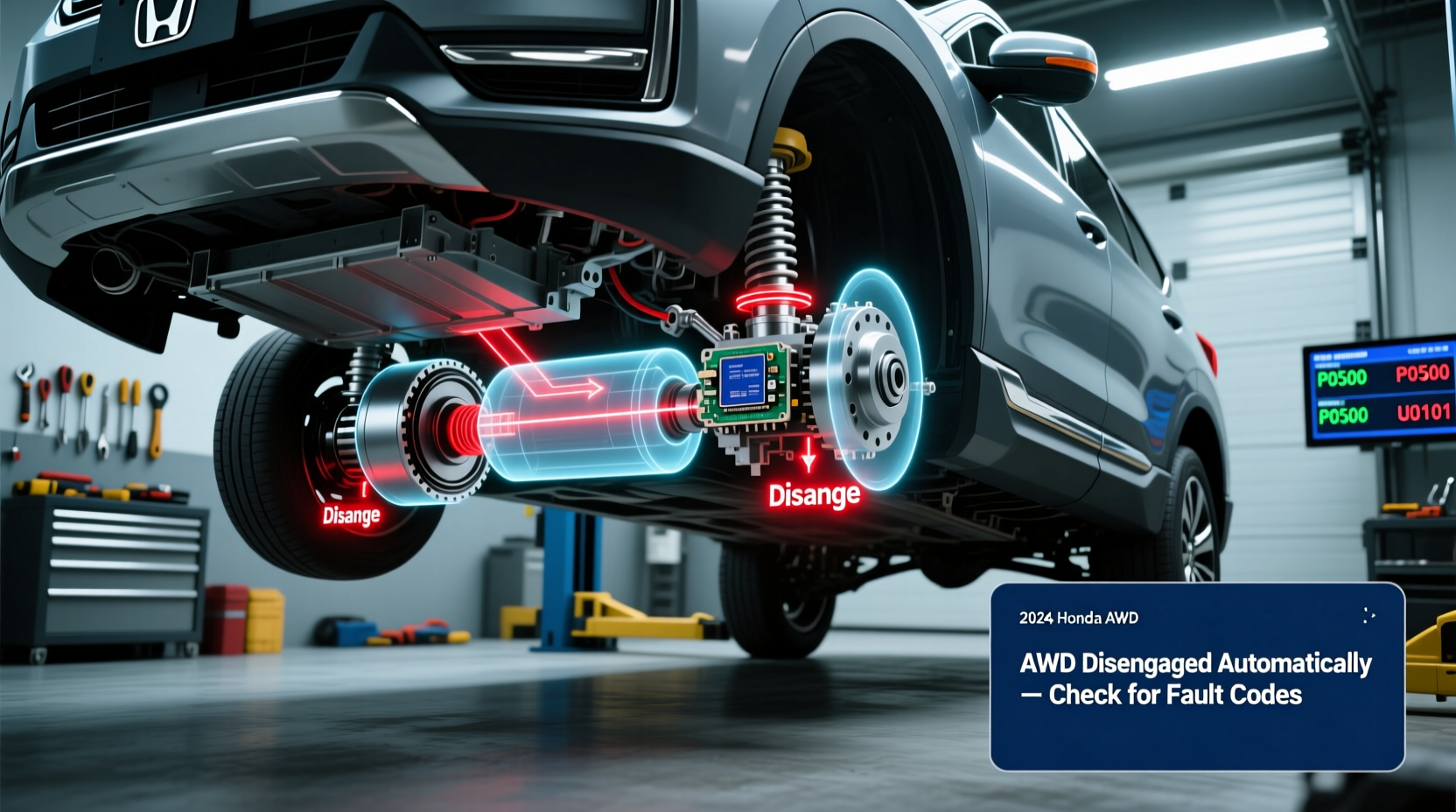
- Sub-code 6: This is the specific alert for a rear differential fluid change. In All-Wheel Drive (AWD) Honda Pilot models, the rear differential relies on specialized fluid to lubricate gears and manage heat. Over time, this fluid breaks down, losing its protective properties.
The Importance of Rear Differential Fluid (The "6" Service)
Many owners focus primarily on the oil change and overlook the "6" component of the B16 code. The rear differential is responsible for transferring power to the rear wheels in AWD models. Unlike the engine, which has an oil filter to trap combustion byproducts, the differential operates in a closed system where metal-on-metal friction gradually introduces microscopic metallic shavings into the fluid.
If this fluid is not replaced according to the Maintenance Minder, the internal gears face increased friction and thermal stress. Ignoring this service can lead to audible whining noises from the rear of the vehicle, decreased fuel efficiency, and, in severe cases, mechanical failure of the differential unit itself. Replacing the fluid restores the lubrication necessary to keep the differential operating smoothly under varying load conditions.
The Inspection Process (The "B" Service)
The "B" portion of the code is perhaps the most safety-critical aspect of the maintenance schedule. When a certified technician performs the "B" service, they are not simply changing the oil; they are performing a preventative health check on the vehicle.
During the inspection, the technician evaluates:
- Brake Systems: They check the brake pads and rotors for thickness and signs of uneven wear. This is vital for detecting a sticking caliper or failing slider pin before it leads to a complete brake failure or reduced stopping power.
- Suspension and Steering: Technicians inspect the tie-rod ends, control arm bushings, and steering rack components. These parts are subjected to immense stress during daily driving, and early detection of play in these joints prevents more expensive repairs down the road.
- Driveshaft and Boots: Torn CV (Constant Velocity) boots allow grease to escape and dirt/debris to enter, which will destroy the joint rapidly. Identifying a torn boot early allows for a relatively simple boot replacement rather than a full axle replacement.
- Fluid Levels: Beyond the engine oil, the technician verifies the levels and condition of the brake fluid, engine coolant, transmission fluid, and windshield washer fluid.
Practical Maintenance Comparison Table
| Service Component | Frequency/Trigger | Why It Matters |
|---|---|---|
| Engine Oil & Filter | Based on B16 alert | Prevents engine sludge and internal friction. |
| Tire Rotation | Sub-code 1 | Ensures even wear and optimal traction. |
| Rear Differential Fluid | Sub-code 6 | Prevents gear grinding and differential failure. |
| Brake/Suspension Inspection | Service Category B | Identifies safety issues before they escalate. |
Costs and Considerations
The cost of a B16 service on a Honda Pilot in 2026 varies based on your geographic location and whether you choose a franchised Honda dealership or an independent mechanic.
Dealerships typically charge a premium due to the use of Genuine Honda fluids and factory-trained technicians. However, using genuine Honda Dual Pump Fluid or All-Wheel Drive Fluid (as specified for your particular Pilot generation) is highly recommended. Generic or incorrect fluid types can cause the rear differential clutch packs to chatter or fail.
When requesting quotes, ensure the shop includes the inspection checklist that accompanies the "B" service. If a shop only provides an oil change for the price of a B16, you are missing out on the critical inspections that safeguard your vehicle’s long-term safety.
Common Misconceptions Regarding the B16 Code
One of the most frequent errors owners make is resetting the Maintenance Minder without actually performing the services. Some owners believe that if the vehicle "feels" fine, the alert is merely a timer that can be ignored. This is a dangerous assumption. By the time mechanical symptoms like differential whine or brake squeal appear, the damage has often already occurred.
Another misconception is that the B16 code is identical across all Honda models. While the categories (A/B and 1-6) are standard, the specific service requirements for a 2016 Pilot may differ from a 2026 Pilot due to changes in transmission design, AWD systems, or engine cooling requirements. Always verify the service requirements listed in your specific owner’s manual or the Honda online service portal.
Troubleshooting and Next Steps
If your B16 code appears and you are unable to have the service performed immediately, limit high-load driving, such as towing or off-road excursions, as these activities put the highest stress on the rear differential and braking system.
Once you have completed the service:
- Ensure the technician has reset the Maintenance Minder system. This is done through the vehicle's driver information interface settings.
- Keep a copy of your service invoice. This acts as proof of maintenance, which is invaluable for warranty claims and future resale value.
- Review the inspection report provided by your mechanic. If they identified a "yellow" or "caution" item—such as tires that are nearing the end of their life—plan for that expense before your next maintenance interval.
Frequently Asked Questions
Can I perform the B16 service myself? Yes, if you have the appropriate tools and mechanical aptitude. You will need a way to safely lift the vehicle, a torque wrench, an oil drain pan, and the correct specification of rear differential fluid. However, the "B" service inspection is best performed by a professional who knows exactly what to look for regarding suspension and brake wear.
Does my 2WD Honda Pilot need the "6" service? If your vehicle is a two-wheel-drive model, it does not have a rear differential. The Maintenance Minder system for 2WD models will typically not display the "6" sub-code. If you see it, verify your vehicle configuration in the manual, though it is rare for this code to trigger on a 2WD model.
What happens if I ignore the B16 code? Ignoring the code leads to accelerated wear on internal engine and drivetrain components. In the short term, you may notice uneven tire wear or reduced fuel efficiency. In the long term, you risk premature failure of the rear differential, which is a significant repair expense compared to a simple fluid flush.
How long does it take to perform a B16 service? At a professional shop, a B16 service typically takes between 90 minutes and 3 hours. The duration depends on the speed of the technician and the thoroughness of the inspection performed.
Are there different types of rear differential fluid? Yes. Honda has updated its fluid requirements over the years (e.g., Dual Pump Fluid II vs. AWD Fluid). Always check the service manual or the label on the differential fill plug area to ensure you are using the exact fluid type specified for your model year.
Final Recommendation
The B16 code is a vital notification intended to preserve your Honda Pilot’s powertrain and safety systems. You should schedule this service with a qualified technician as soon as possible after the light appears. Ensure that the shop uses the correct Honda-specification rear differential fluid and provides a written copy of the multi-point inspection. Proactive maintenance is the most effective strategy to avoid costly repairs and ensure the reliability of your vehicle for years to come.