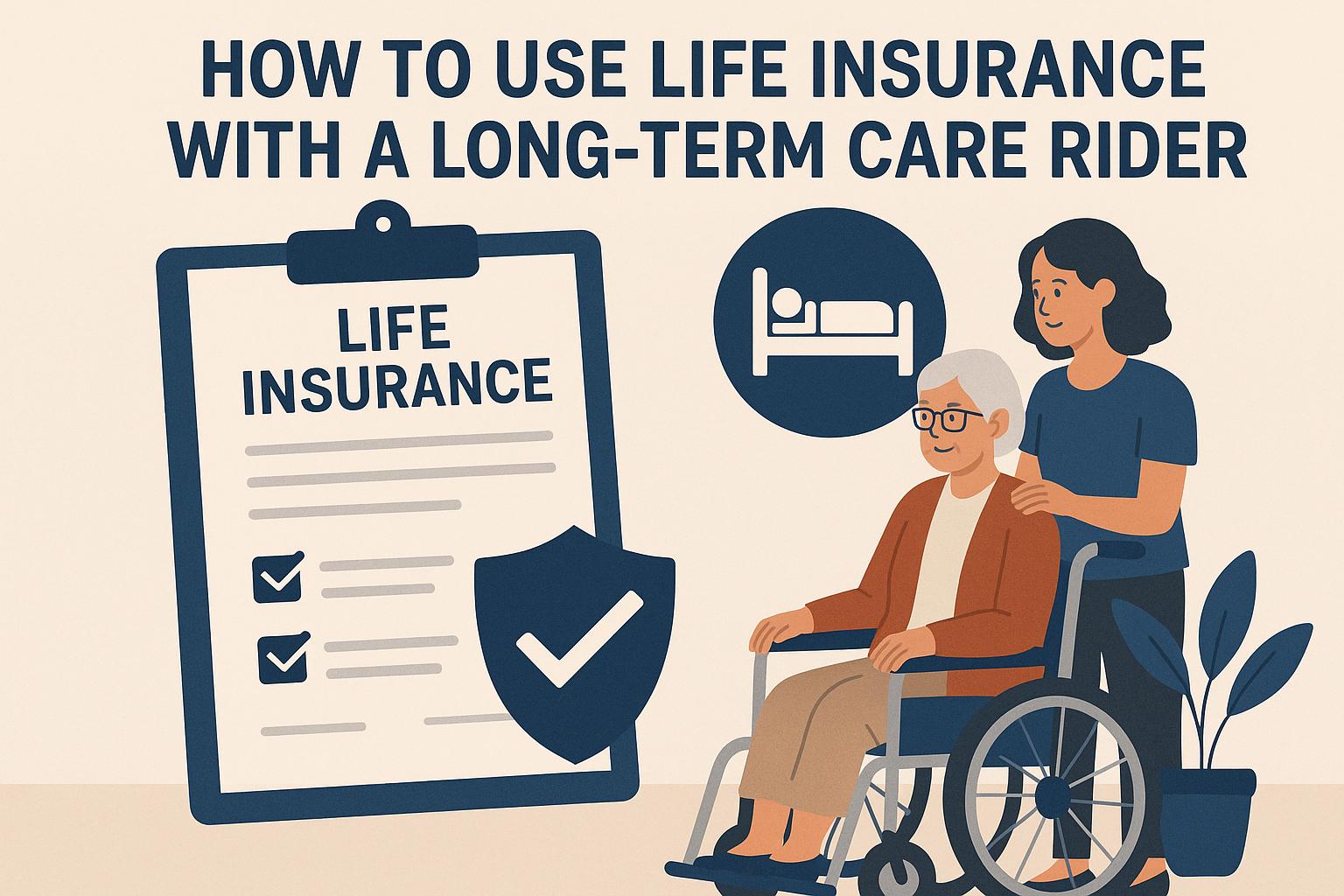
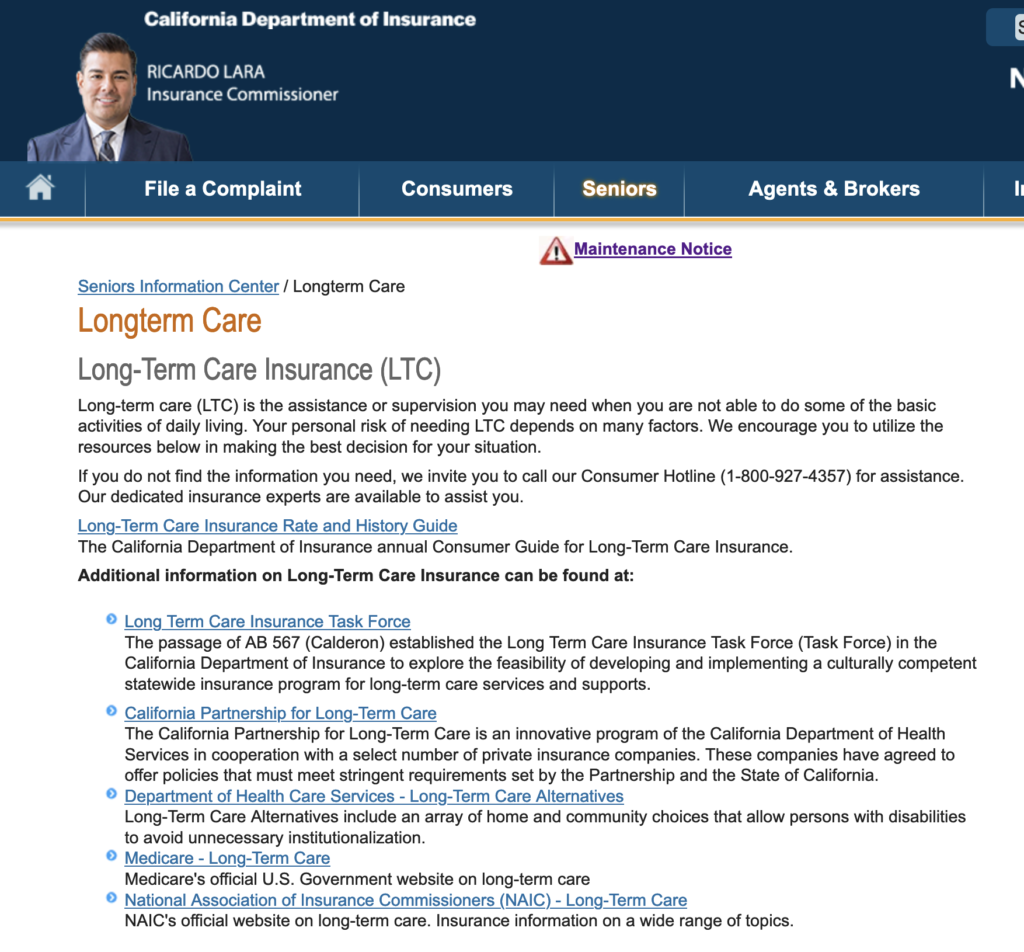
Anthem life insurance long-term care benefits are primarily delivered through accelerated death benefit riders rather than standalone insurance policies. While many believe health insurance or Medicare covers extended custodial care, these plans typically do not. Anthem's life insurance riders allow policyholders to access a portion of their death benefit to pay for care if they become chronically ill.
Long-term care (LTC) remains one of the most misunderstood aspects of financial planning. As we navigate 2026, the rising costs of assisted living, home healthcare, and nursing home services have made it essential to distinguish between what Anthem life insurance actually provides and what the public assumes it covers. Misconceptions can lead to significant financial gaps during retirement, making a "myth versus fact" analysis crucial for anyone evaluating their coverage options through Anthem Life Insurance Company.
The Landscape of Long-Term Care in 2026
The cost of long-term care has continued its upward trajectory, with the national median for private nursing home rooms and 24-hour home health aides reaching record highs. For many, Anthem—a brand synonymous with Blue Cross Blue Shield in various states and a subsidiary of Elevance Health—is a primary source of security. However, Anthem Life Insurance operates differently from the health insurance side of the business.
Life insurance with long-term care provisions is often sought after because it solves the "use it or lose it" dilemma. If you never need the care, your beneficiaries receive the full death benefit. If you do need care, the policy provides a living benefit. To navigate these products, one must first dismantle the common myths that surround the intersection of life insurance and long-term care.
Myth Versus Fact: A Comparative Overview
The following table summarizes the most common points of confusion regarding Anthem’s life insurance products and their relationship to long-term care services.
| Subject | Common Myth | Verified Fact (2026) |
|---|---|---|
| Coverage Scope | Anthem health insurance covers all long-term nursing home costs. | Health insurance covers "skilled" medical care, not "custodial" long-term care for daily living. |
| Product Type | Anthem sells a standalone long-term care insurance policy. | Anthem Life primarily offers "Accelerated Death Benefit" riders on life policies for chronic illness. |
| Medicare Role | Medicare will pay for my long-term care once I turn 65. | Medicare only pays for limited, short-term rehabilitative care following a hospital stay. |
| Benefit Trigger | You must be in a nursing home to receive benefits. | Most Anthem riders cover home health care, assisted living, and adult day care if eligibility is met. |
| Cost Timing | It is cheaper to wait until you are older to add an LTC rider. | Premiums are based on age and health at the time of application; waiting significantly increases costs. |
| Death Benefit | Using LTC benefits cancels the life insurance policy. | LTC benefits typically reduce the death benefit proportionally but do not necessarily cancel the policy. |
Myth 1: Health Insurance and Medicare Cover Long-Term Care
One of the most persistent myths is that standard Anthem health insurance or Medicare provides comprehensive long-term care coverage. In 2026, this remains a dangerous assumption.
The Fact: Health insurance is designed to treat illness and injury. It covers doctors, hospitals, and prescription drugs. Long-term care, however, is often "custodial care." This refers to assistance with the Activities of Daily Living (ADLs), such as bathing, dressing, and eating. Because custodial care is not considered "medical" in nature, traditional health insurance plans do not pay for it.
Similarly, Medicare is designed for acute care. It may cover up to 100 days in a skilled nursing facility after a qualifying hospital stay, but only if you require daily skilled nursing or rehabilitation. After those 100 days (or if you only need help with ADLs), Medicare stops paying. Anthem life insurance riders are designed specifically to fill this gap by providing liquid assets when custodial care is required.
Myth 2: Anthem Offers Standalone LTC Policies
Many consumers contact Anthem looking for a dedicated, standalone long-term care insurance policy, similar to those sold in the 1990s.
The Fact: Like many major insurers, Anthem Life Insurance Company has shifted its focus toward "hybrid" models or riders. A standalone LTC policy often has "level" premiums that can actually increase over time, and if you never use the care, the money is gone.
Instead, Anthem's primary vehicle for this coverage is the Accelerated Death Benefit (ADB) for Chronic Illness. This is a rider attached to a term or permanent life insurance policy. If a physician certifies that you are chronically ill (usually meaning you cannot perform two of the six ADLs or have severe cognitive impairment), Anthem allows you to "accelerate" a portion of your death benefit to pay for your care while you are still alive. This shift provides more flexibility for the policyholder.
Myth 3: Long-Term Care is Only for the Elderly
A common myth is that long-term care planning is only relevant for those over the age of 70 or 80.
The Fact: Statistics in 2026 continue to show that a significant percentage of people receiving long-term care are between the ages of 18 and 64. Accidents, strokes, and early-onset neurological conditions can necessitate care at any age.
From a financial perspective, adding a long-term care or chronic illness rider to an Anthem life insurance policy is significantly more affordable when you are younger. In your 30s or 40s, the cost of adding a rider is often a fraction of what it would be in your 60s. Furthermore, life insurance requires medical underwriting. If you wait until a health issue arises, you may be denied the rider or the entire policy altogether.
Understanding the "Trigger" for Benefits
To effectively use an Anthem life insurance policy for long-term care, you must understand the "benefit triggers." Anthem, like most insurers, follows standard industry guidelines to determine eligibility. You are generally considered eligible for the acceleration of benefits if a licensed healthcare practitioner certifies that you meet one of two criteria:
- Activities of Daily Living (ADLs): You are unable to perform at least two of the six ADLs without substantial assistance for a period expected to last at least 90 days. These activities are bathing, continence, dressing, eating, toileting, and transferring (moving in or out of a bed or chair).
- Cognitive Impairment: You require substantial supervision to protect yourself from threats to health and safety due to severe cognitive impairment, such as Alzheimer’s disease or other forms of dementia.
It is a common myth that you must be "terminally ill" to access these funds. While Anthem does offer terminal illness riders (often included at no extra cost), the chronic illness rider is what specifically addresses long-term custodial care needs.
The Financial Mechanics of the Rider
When you exercise the long-term care rider on an Anthem policy, it is important to understand how the money flows. This is not a separate pot of money; it is an advance on your own life insurance payout.
- Reduction of Death Benefit: If you have a $500,000 life insurance policy and you use $100,000 for long-term care, your beneficiaries will eventually receive $400,000 (minus any administrative fees or interest adjustments specified in the policy).
- Tax Advantages: Under Section 7702B of the Internal Revenue Code, benefits paid out through a qualified long-term care rider are generally received tax-free, up to certain limits. This is a significant advantage over withdrawing money from a 401(k) or IRA, which would be taxed as ordinary income.
- Flexibility of Funds: Unlike some health-based reimbursements, many ADB riders provide "indemnity" payments. This means once you qualify, the insurer pays a set amount, and you can use that money for home modifications, paying a family caregiver, or professional facility fees.
Limitations and Exclusions
Every insurance product has limitations, and Anthem is no exception. A common myth is that these riders cover 100% of all expenses immediately.
The Fact: Most policies include an Elimination Period. This is essentially a waiting period (often 90 days) after you become eligible but before the benefits start paying out. You are responsible for the costs during this time. Additionally, there are often caps on how much of the death benefit you can accelerate—for example, 2% of the face value per month or a total maximum of 80% of the policy value.
Exclusions typically include self-inflicted injuries, conditions resulting from substance abuse, or care received outside the United States, though specific 2026 policy language should be verified with an Anthem representative.
How to Verify Your Anthem Coverage
If you currently have a policy and are unsure of its long-term care capabilities, follow these steps to verify your benefits:
- Review the "Policy Specifications" Page: Look for terms like "Accelerated Death Benefit," "Chronic Illness Rider," or "Long-Term Care Rider."
- Check for "Qualified" Status: Ensure the rider is "Tax-Qualified," which confirms it meets federal standards for tax-free treatment of benefits.
- Contact Anthem Life Directly: Use the member portal or the customer service number on your ID card. Ask specifically: "Does my life insurance policy include a rider for chronic illness or custodial care?"
- Confirm the Monthly Maximum: Ask what the maximum monthly acceleration amount is. This helps you compare the benefit to the current cost of care in your area.
Practical Recommendations for 2026
As you plan your financial future, do not rely on the myth that your employer-provided health insurance will take care of you in your old age. Long-term care is a distinct financial risk that requires a distinct solution.
- Evaluate Hybrid Options: If you need life insurance anyway, adding a chronic illness rider to an Anthem policy is often more cost-effective than buying two separate products.
- Audit Your Existing Life Insurance: Many people have older Anthem policies that do not include these modern riders. You may need to update your policy or convert a term policy into a permanent one that allows for these additions.
- Consider the Inflation Factor: In 2026, a $250,000 policy might seem like a lot, but with the rising costs of care, it may only cover a few years of a nursing home. Ensure your total death benefit is high enough to provide a meaningful LTC benefit while still leaving a legacy for your family.
- Consult a Financial Advisor: Insurance is only one piece of the puzzle. An advisor can help you determine if you should "self-insure" part of the risk or transfer the risk to Anthem through a rider.
Frequently Asked Questions
Does Anthem Life Insurance pay for home modifications like wheelchair ramps?
If your policy has an indemnity-style chronic illness rider, the funds are paid directly to you once you meet the eligibility triggers (failing 2 of 6 ADLs). You can use those funds for any purpose, including home modifications, to help you stay in your residence longer. However, if the policy is "reimbursement-based," it may only cover specific professional caregiving invoices.
Will my premiums go up if I add a long-term care rider?
Yes, adding a rider usually increases the premium. However, on most permanent life insurance policies (like Whole Life or Universal Life), once the rider is added and the policy is issued, the cost of the rider is often "locked in" or calculated as part of the policy's internal costs, providing more predictability than standalone LTC insurance.
If I use the long-term care benefit, do my beneficiaries get anything?
Yes, provided you do not exhaust the entire death benefit. Most Anthem riders allow you to accelerate a significant portion (e.g., 75-80%) of the death benefit. The remaining portion, plus any "residual" death benefit specified in the contract, will be paid to your beneficiaries upon your death.
Is the chronic illness rider the same as "Long-Term Care Insurance"?
Technically, no. While they serve similar purposes, a chronic illness rider is an "acceleration" of a life insurance benefit. Standalone Long-Term Care insurance is a separate health-based product. The rider is often easier to qualify for and provides more flexibility, but it reduces your life insurance payout, whereas standalone LTC insurance does not.
Can I add an LTC rider to my existing Anthem term life policy?
This depends on the specific terms of your policy. Many term policies do not allow you to add riders after the policy has been issued. However, if your term policy has a "conversion" feature, you may be able to convert it to a permanent policy and add the rider at that time, subject to underwriting requirements in 2026.
Final Action Plan
To secure your future, move beyond the myths. Start by requesting a "Policy Illustration" from Anthem. This document will show you exactly how much your death benefit will be reduced if you use the long-term care rider and what the projected monthly payments would be. By addressing these facts today, you ensure that your care in the future is a matter of choice, not a matter of chance.