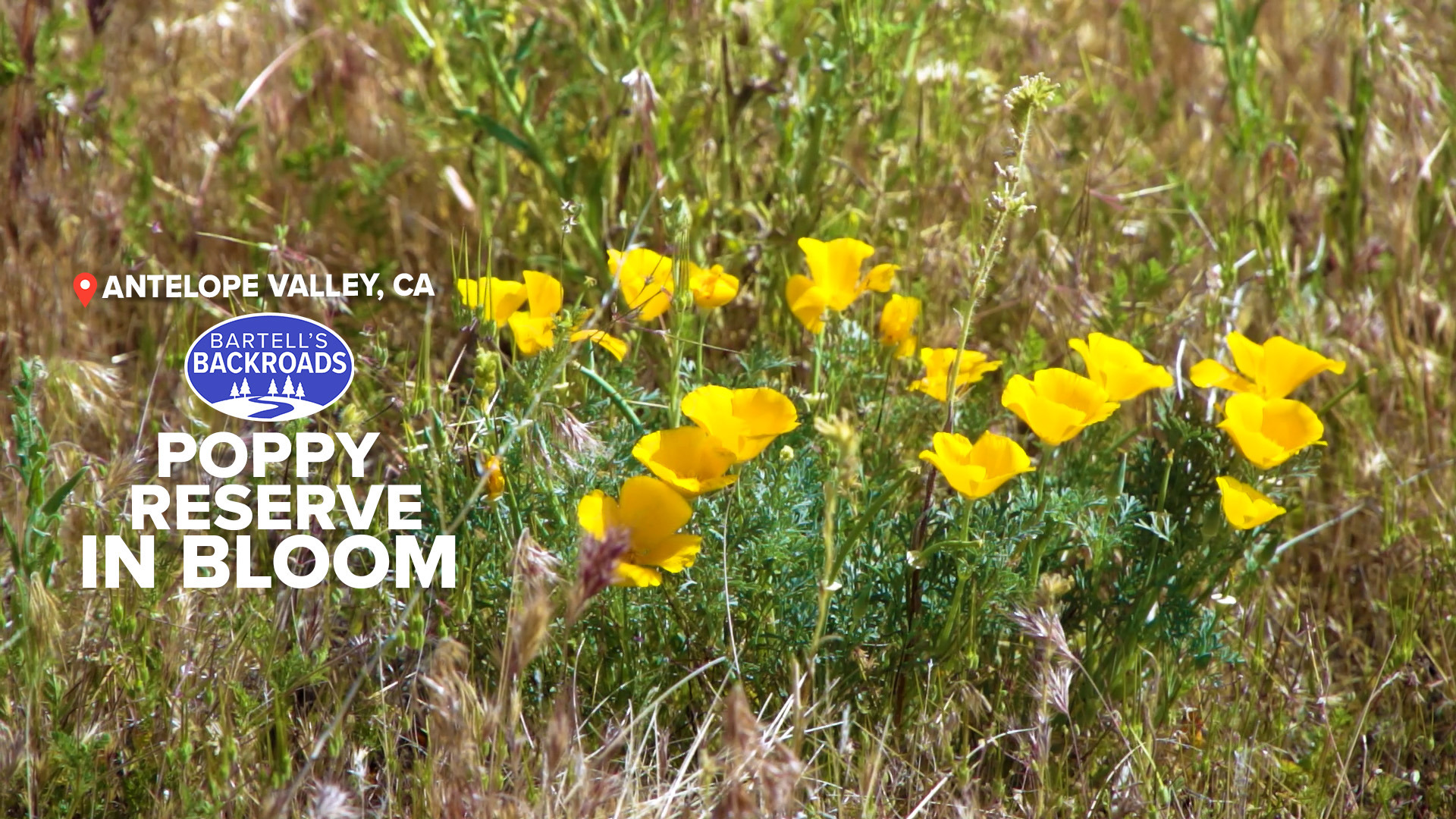
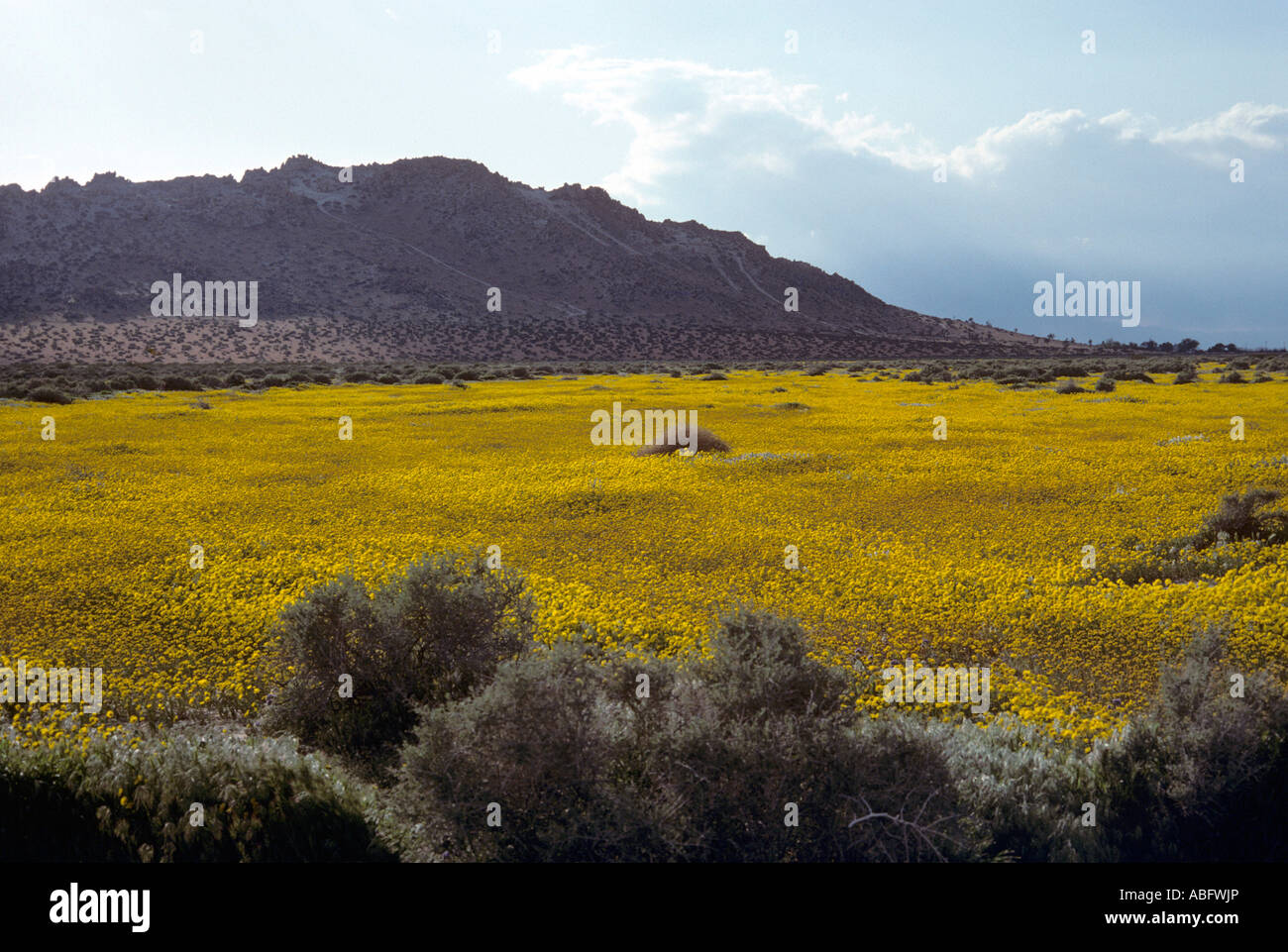
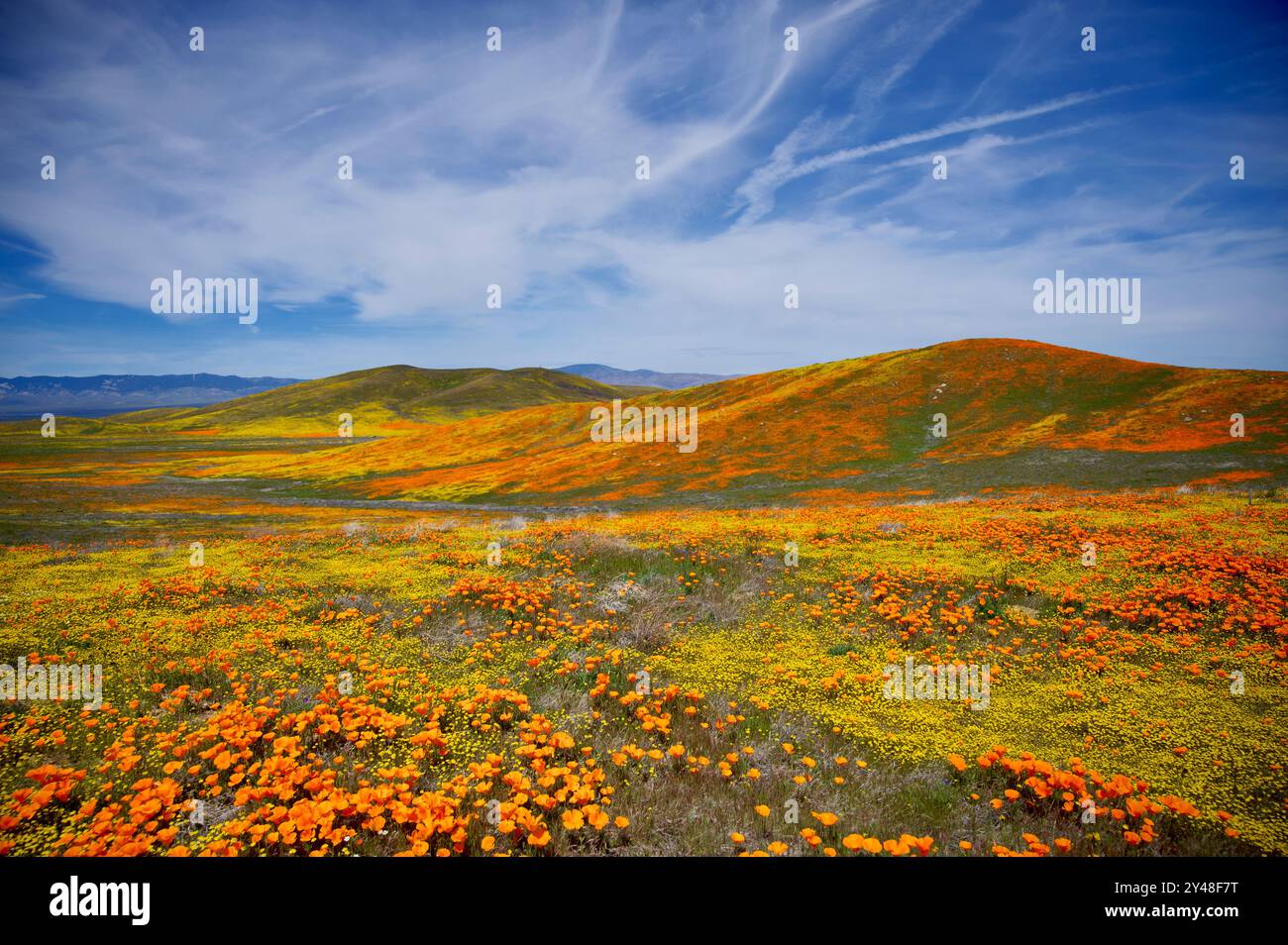
The Antelope Valley bloom refers to the annual emergence of California’s state flower, the Eschscholzia californica, within the Antelope Valley California Poppy Reserve in Lancaster. Peak viewing typically occurs between mid-March and mid-April, depending on winter rainfall and spring temperatures. Visitors must balance the desire to witness this natural phenomenon with strict environmental stewardship to protect the delicate high-desert ecosystem.
Understanding the Antelope Valley Poppy Phenomenon
The Antelope Valley California Poppy Reserve is a 1,781-acre state natural reserve located in the high desert of northern Los Angeles County. Unlike manicured botanical gardens, this area is a protected ecosystem designed to conserve the native grasslands and the specific soil conditions that allow California poppies to thrive.
The "bloom" is not a static event that happens on a set calendar date; it is an organic process governed by climate variables. The poppies are annuals, meaning they grow from seed, flower, and die within a single year. Their success relies heavily on the "Goldilocks" conditions: enough winter rain to trigger germination, but not so much that the seedlings wash away, combined with mild spring temperatures that prevent the plants from scorching before they can set seed for the following year.
Planning Your Visit: Timing and Environmental Factors
Because the bloom is weather-dependent, planning a trip requires monitoring current conditions rather than relying on historical averages. In years with low rainfall—often referred to as drought years—the bloom may be sparse, manifesting as patches of orange rather than the iconic "carpet" of flowers. Conversely, years with significant "El Niño" patterns can produce exceptionally dense blooms that attract hundreds of thousands of visitors.
The Role of Meteorological Data
Botanists at the reserve track precipitation data from October through February. If you are planning a visit, check the California State Parks website specifically for the "Poppy Trail" or reserve updates. In 2026, the management team provides real-time status updates, which serve as the only reliable indicator of whether a bloom is active. Never trust social media photos from previous years, as they often circulate as "current" long after the petals have fallen.
Daily Timing for Optimal Viewing
Even during a peak bloom, the behavior of the poppy is sensitive to the time of day. California poppies are heliotropic, meaning they open their petals in response to sunlight and heat. On a cold, windy, or cloudy morning, you may arrive at the reserve only to find the fields closed tight and looking green. The best viewing hours are typically between 10:00 AM and 4:00 PM on clear, sunny days.
Regulatory and Safety Guidelines for Visitors
The Antelope Valley California Poppy Reserve is designated as a Natural Reserve for a reason: the flora is incredibly fragile. The primary threat to the bloom—and the reason for strict enforcement—is "social trailing," or the act of trampling flowers to take photographs.
The Rules of the Reserve
- Stay on Marked Trails: This is the most critical rule. Walking off-trail destroys the fragile crust of the soil and kills the seedlings that would have provided next year's bloom.
- Do Not Pick the Flowers: It is illegal to collect or pick any plant life within the state reserve. Doing so disrupts the pollination cycle and prevents the plants from dropping their seeds for the next cycle.
- Leash Requirements: If you bring pets, they must be on a physical leash at all times and are restricted to paved areas or designated pet-friendly paths.
- Drone Restrictions: The use of drones is prohibited without a specific permit from California State Parks. This is to protect the local wildlife and ensure a quiet experience for other visitors.
Comparison of Viewing Experiences
When deciding how to approach your visit, consider the following trade-offs between peak-season travel and off-season observation.
| Feature | Peak Bloom (March–April) | Off-Season (May–February) |
|---|---|---|
| Visuals | Dense orange hillsides | Native bunchgrass and dry brush |
| Crowds | Extremely high; wait times likely | Minimal; solitary experience |
| Facility Access | Full visitor center services | Limited access; often self-guided |
| Cost | Daily parking fees apply | Minimal or self-pay parking |
| Weather | Temperate, occasionally windy | Hot or freezing; high wind risk |
Navigating the Reserve Infrastructure
The reserve features approximately eight miles of trails, ranging from easy, flat paths to moderate elevation changes. The most popular loop is the Poppy Trail North and South loop, which provides the most concentrated views of the poppy fields.
For those with mobility concerns, the Poppy Trail is generally accessible for a short distance from the visitor center, though the terrain is natural dirt and can be uneven. Always check the official accessibility map provided at the entrance to ensure you choose a route that matches your physical capabilities.
Cost and Logistics
Visitors should expect to pay a standard day-use parking fee. As of 2026, these fees contribute directly to the maintenance of the trails and the protection of the habitat. During peak weekends, the parking lot often reaches capacity by mid-morning. If the lot is full, there is no overflow parking allowed on the shoulder of the highway; vehicles will be turned away for safety reasons. Planning to arrive at the gates when they open in the morning is the most effective way to guarantee entry.
Common Mistakes to Avoid
The most frequent error visitors make is assuming that the bloom is uniform across the entire valley. The Antelope Valley encompasses a large geographical area, and microclimates significantly affect when and where the poppies bloom. A bloom in the foothills may be occurring weeks earlier than a bloom on the valley floor.
Another common mistake is failing to prepare for the high desert environment. The elevation of the reserve is roughly 2,600 to 3,000 feet. Even on a warm spring day, the wind can be intense, and temperatures can drop rapidly once the sun begins to set. Pack layers, carry sufficient water, and wear sturdy, closed-toe shoes to protect against local wildlife like snakes, which become active as the temperatures rise.
Frequently Asked Questions
Is there an admission fee to see the poppies?
Yes. There is a vehicle day-use fee to enter the reserve, which helps fund the preservation of the land. Fees vary by vehicle size and are payable at the entrance kiosk or via automated payment systems where available.
Are there poppies outside the official reserve?
While you may see patches of poppies along highways or on private property in the Antelope Valley, these are not protected and often change year to year based on land use. The reserve is the only location guaranteed to be managed for the specific purpose of preserving the poppy habitat.
What should I do if the reserve is closed due to overcrowding?
If the parking lot is full, the reserve may temporarily close to ensure emergency vehicle access and public safety. Do not park on the side of the road, as this is illegal and creates hazardous conditions for local traffic. Return during off-peak hours or try visiting on a weekday.
Can I bring my dog into the fields?
No. Dogs are restricted to specific areas and must remain leashed. The scent and presence of domestic animals can disturb the local wildlife, and trampling by pets is just as damaging to the seedlings as trampling by humans.
Does the bloom happen every year?
The physical plants exist every year, but the "spectacular" carpet-like bloom is dependent on specific climate conditions. Some years will be vibrant, while others may produce a more subtle, scattered appearance.
Next Steps for Planning Your Visit
To ensure a successful trip in 2026, begin monitoring the California State Parks "Antelope Valley California Poppy Reserve" webpage in late February. Look for the "Bloom Update" section. Once you determine that the season has begun, prioritize a mid-week visit if possible, as weekends attract the highest volume of visitors and significantly increase the difficulty of finding parking. Prepare for your hike by bringing water, wearing sunscreen, and committing to the "Leave No Trace" principle to ensure that the poppies return for generations to come.