Released in 2019 and directed by Dexter Fletcher, Rocketman stands as a definitive entry in the genre of music-focused biopics, chronicling the rise, struggles, and artistic evolution of Sir Elton John. Unlike traditional linear narratives, the film utilizes a stylized, non-linear approach that integrates musical numbers into the internal psychological state of its subject. By blending factual biography with surrealist spectacle, the film offers a unique look at how Elton John transitioned from the shy, talented Reginald Dwight into an iconic global superstar.
Narrative Structure and Stylistic Choices
Rocketman distinguishes itself from other biographical dramas primarily through its structural fluidity. The film is framed through a recovery meeting, which serves as a lens for the protagonist to recount his life story. This narrative choice allows the film to bypass the limitations of a chronological documentary, instead focusing on the emotional resonance of key moments in his life.
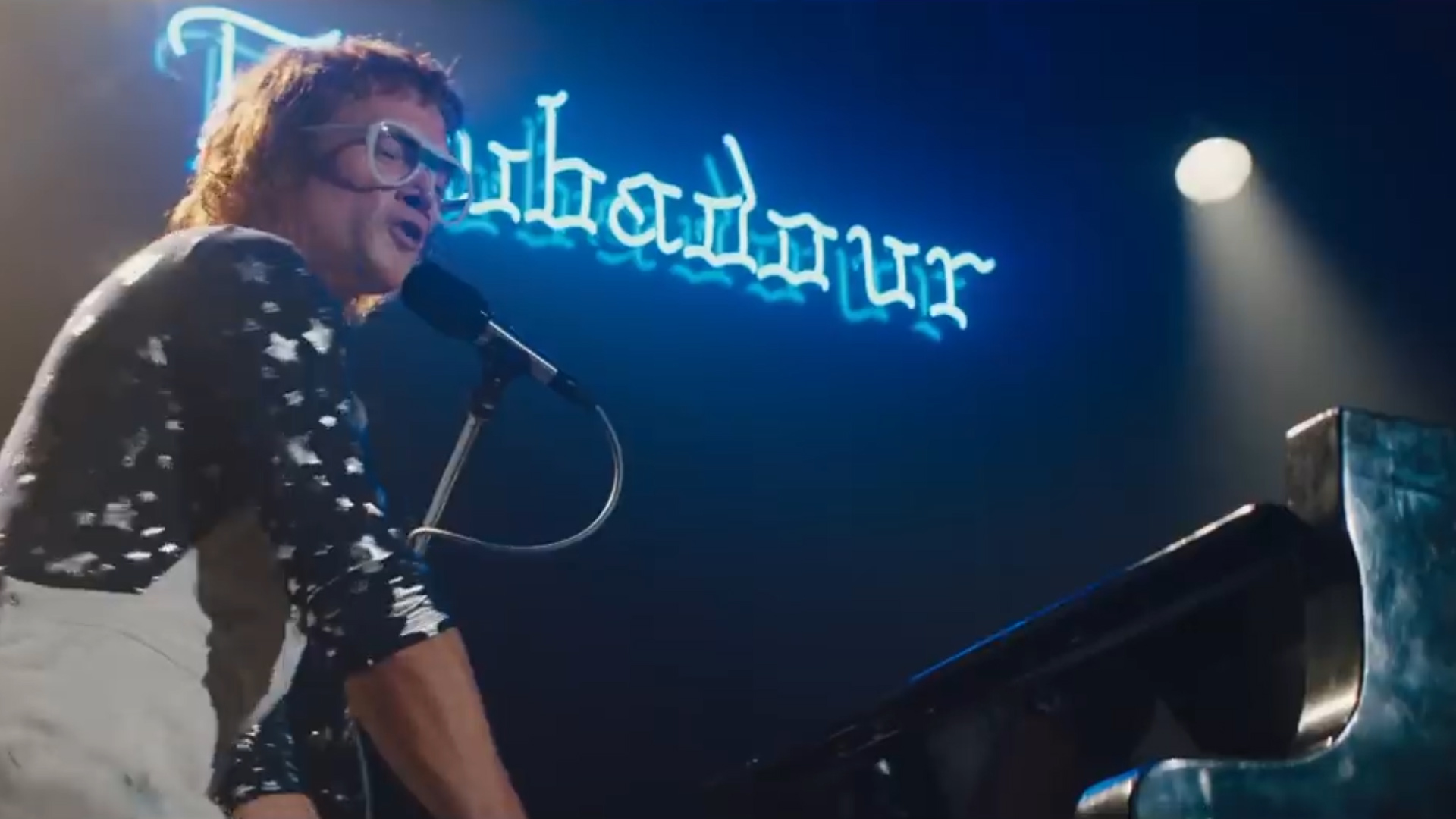
The decision to incorporate musical sequences as narrative devices is perhaps the film’s most defining feature. Rather than treating songs as mere soundtrack additions, the movie uses them to express the protagonist’s emotional landscape—his feelings of loneliness, his desire for validation, and his eventual confrontation with his own addiction. This "musical fantasy" approach aligns the audience with Elton’s subjective experience, making it more than a dry retelling of historical events.
The Portrayal of Reginald Dwight
The film excels in depicting the early years of Reginald Dwight. It focuses heavily on the cold reception he received from his parents and his innate need for affection, which he eventually sought through his work. By highlighting these early psychological wounds, the movie sets the stage for his later reliance on drugs and alcohol, framed not just as celebrity indulgence but as a mechanism for dealing with profound insecurity and a lack of emotional support.
Technical Execution and Production Value
The technical craft behind Rocketman is integral to its identity as a piece of "musical fantasy." The production design often mirrors the excess of the 1970s and 1980s, shifting between the drab, restrictive environment of mid-century England and the vibrant, chaotic world of rock-and-roll stardom.
Costume Design and Cinematography
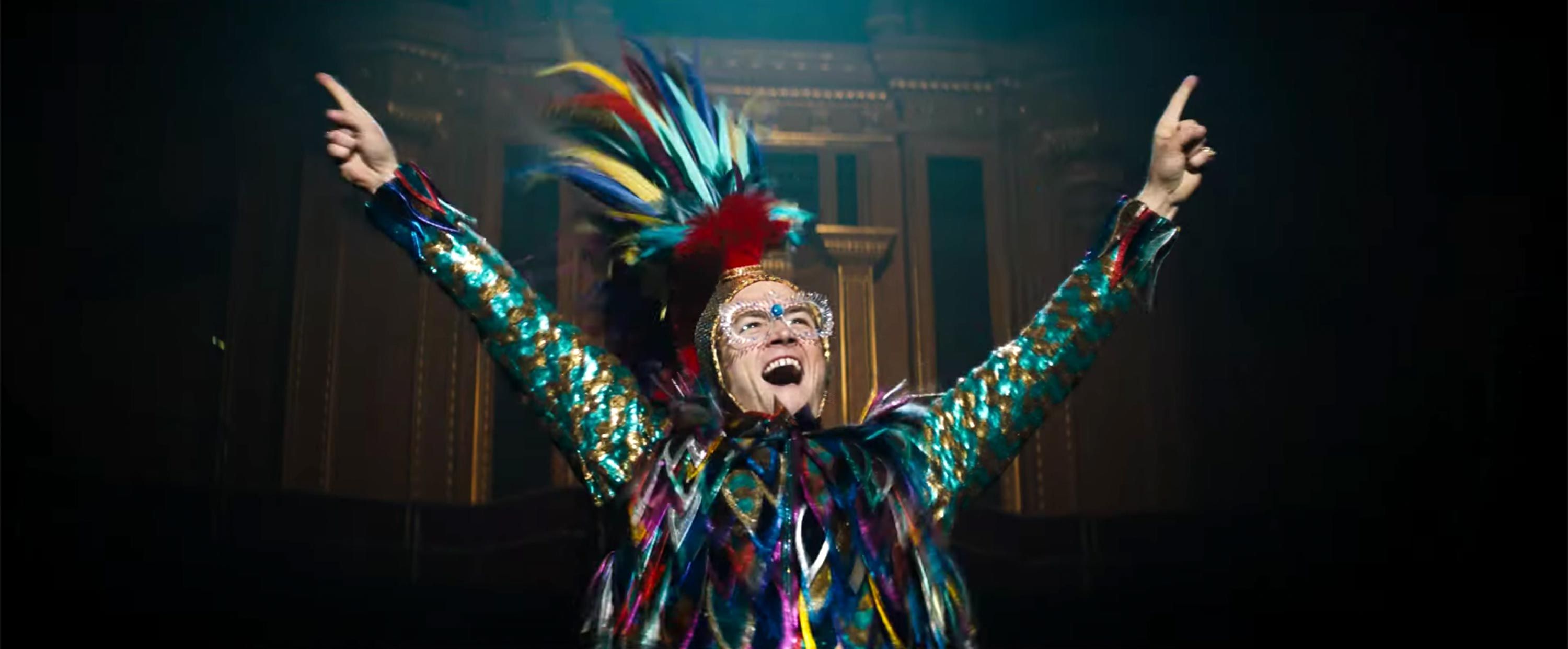
The costumes play a crucial role in character development. As Reginald transforms into Elton John, his attire becomes increasingly ornate and surreal, serving as both a shield and a statement. The cinematography complements this, using vibrant colors and sweeping camera movements during musical numbers to differentiate the dream-like sequences from the grounded reality of his backstage life.
Performance and Music
Taron Egerton’s portrayal of Elton John is central to the film’s efficacy. Eschewing a mere impersonation, Egerton performed his own vocals, which allows the songs to feel integrated into the dramatic performance. The music production—supervised by Giles Martin—remains faithful to the original recordings while tailoring them to fit the emotional requirements of each scene.
Comparison with Similar Biopics
To understand the niche Rocketman occupies, it is helpful to compare it against other high-profile music biopics. The industry standard for these films has shifted, and Rocketman represents a specific trend that favors thematic storytelling over factual timeline accuracy.
| Feature | Rocketman (2019) | Bohemian Rhapsody (2018) | Elvis (2022) |
|---|---|---|---|
| Narrative Style | Musical Fantasy | Conventional/Linear | Stylized/Historical |
| Focus | Emotional/Psychological | Career/Cultural Impact | Rise/Fall/Legacy |
| Performance | Actor vocals used | Hybrid/Mixed vocals | Actor acting/Archival |
| Tone | Surreal/Introspective | Dramatic/Triumphant | Kinetic/Tragic |
As the table shows, Rocketman is the most experimental of these three. While Bohemian Rhapsody focuses on the external trajectory of Queen, Rocketman prioritizes the personal trauma of its subject. This makes the film a stronger choice for viewers interested in character study over those looking for a rigorous historical recount of concert dates and recording sessions.
Strengths and Potential Limitations
When reviewing the film's success, one must weigh its creative liberties against the expectations of an audience seeking biographical truth.
Strengths
- Thematic Cohesion: The film maintains a consistent focus on the cost of fame and the search for self-acceptance.
- Bold Direction: By embracing the musical genre, it avoids the "stiff" feeling that often plagues biopics of this era.
- Performative Authenticity: Taron Egerton’s ability to act through the songs provides an emotional layer that lip-synced performances often lack.
Limitations
- Non-Linearity: Viewers looking for a straightforward documentary-style recount of Elton John’s life may find the shifting timelines and surreal sequences disorienting.
- Character Compression: To accommodate the film's runtime, several key relationships are condensed or simplified, which may frustrate those familiar with the fine details of the artist’s history.
- Stylized Excess: For those who prefer gritty realism, the fantasy elements may come across as indulgent or distracting from the central message.
Audience Suitability and Expert Guidance
Rocketman is best suited for an audience that appreciates character-driven stories and the intersection of music and drama. Because it depicts mature themes—including substance abuse, sexual identity, and complex familial relationships—the film is rated R, reflecting its candid approach to the darker side of the rock-and-roll lifestyle.
If you are approaching the film for the first time, keep the following in mind:
- View it as a narrative, not a documentary: The film prioritizes how Elton John felt about his life rather than the specific dates and locations of every event.
- Pay attention to the song choices: The lyrics often provide subtext for the scenes they inhabit.
- Contextualize the 1970s: Understanding the era’s industry pressures helps clarify why some of the protagonist’s choices were considered revolutionary at the time.
Frequently Asked Questions
Did Elton John participate in the making of Rocketman?
Yes, Elton John served as an executive producer on the film. His involvement ensured that the portrayal of his life retained his personal endorsement, though he allowed the filmmakers significant creative freedom to use his music in non-traditional ways.
Is the film historically accurate?
While the film captures the emotional truth and the major milestones of Elton John's career, it intentionally manipulates the timeline. For instance, the sequence of certain songs appearing in the film does not strictly align with their real-world release dates.
Why did the film choose to be a musical?
The creative team decided that a standard biopic would fail to capture the scale and performative nature of Elton John’s life. By incorporating musical numbers, they could externalize his inner thoughts and feelings in a way that traditional dialogue could not achieve.
Does the film focus on his recent years?
No. Rocketman primarily covers the formative years of his life and his peak rise to stardom in the 1970s and 1980s. It ends at a point of personal resolution, rather than attempting to document his entire career up to the present day.
Is Taron Egerton actually singing?
Yes, Taron Egerton recorded all the vocals for the film. He worked extensively with music producers to ensure his performances honored the original songs while serving the specific dramatic needs of the scenes within the film.
Final Assessment
Rocketman succeeds as a piece of cinema because it understands that a biography is not merely a record of what happened, but an exploration of why it mattered. By refusing to conform to the standard tropes of the genre, the film offers a visceral, empathetic, and visually stunning portrait of one of music’s most influential figures. It is an essential viewing experience for fans of the artist and for those interested in the evolution of the musical biopic. If you are looking for a film that balances entertainment with genuine psychological depth, this remains a standout recommendation for your watchlist.