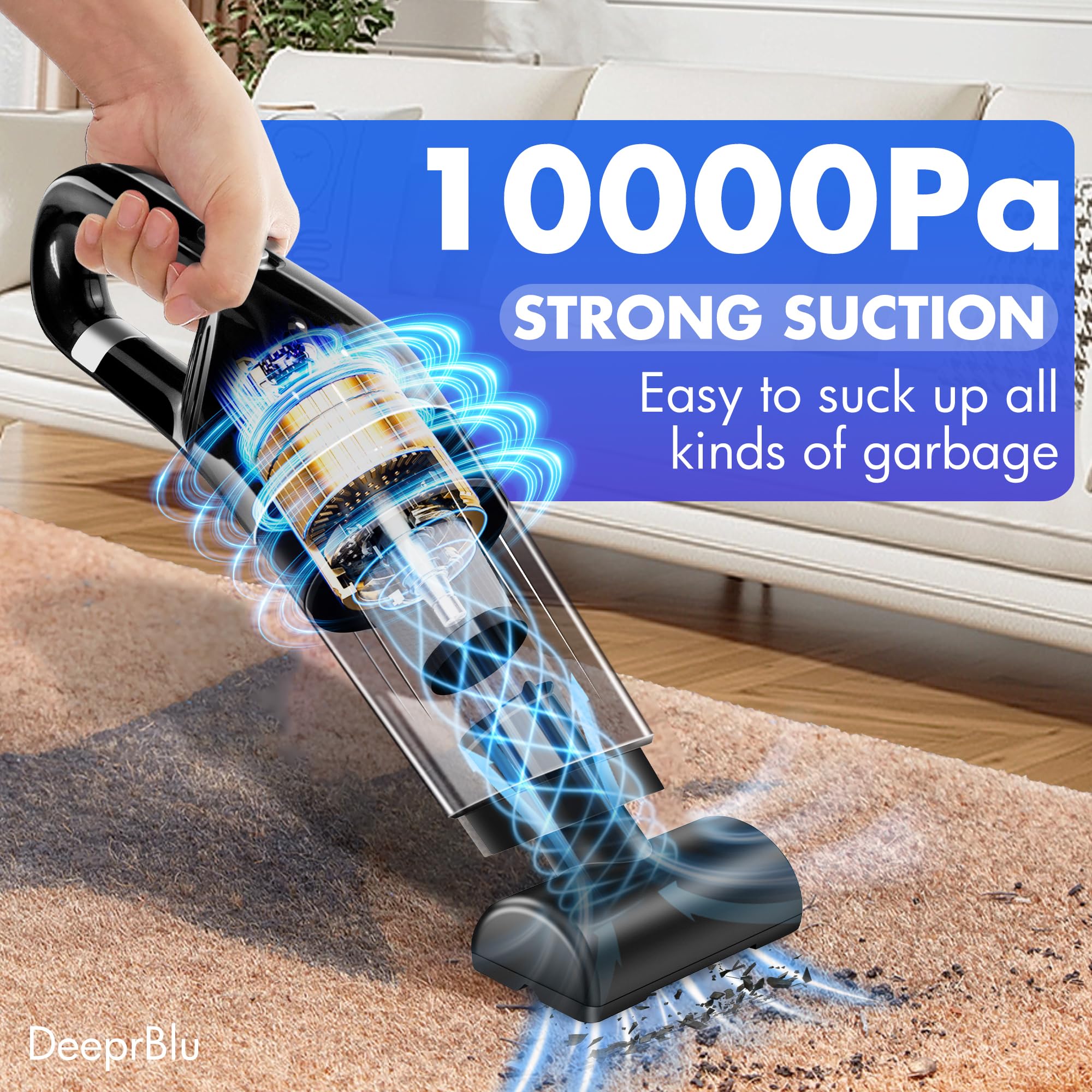
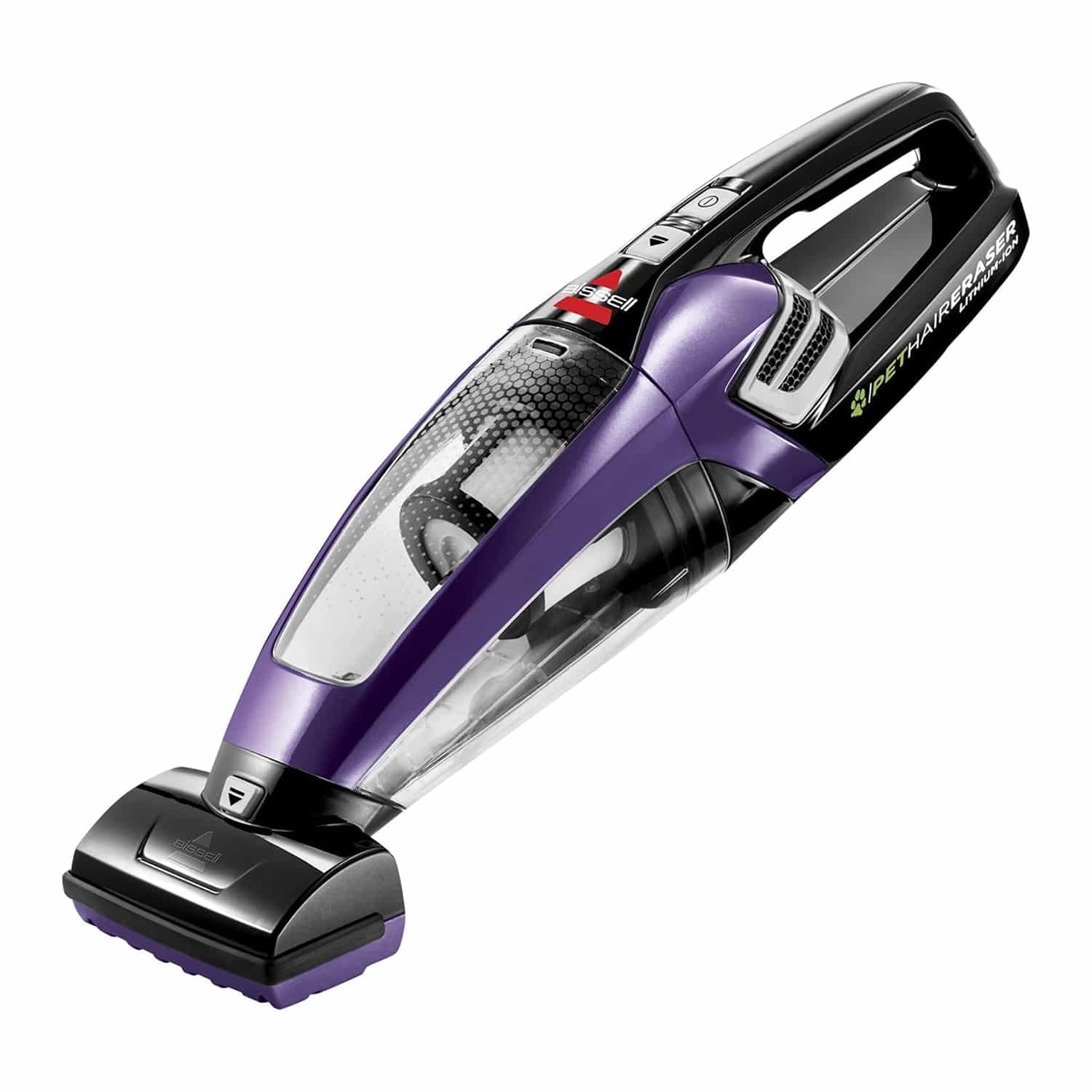
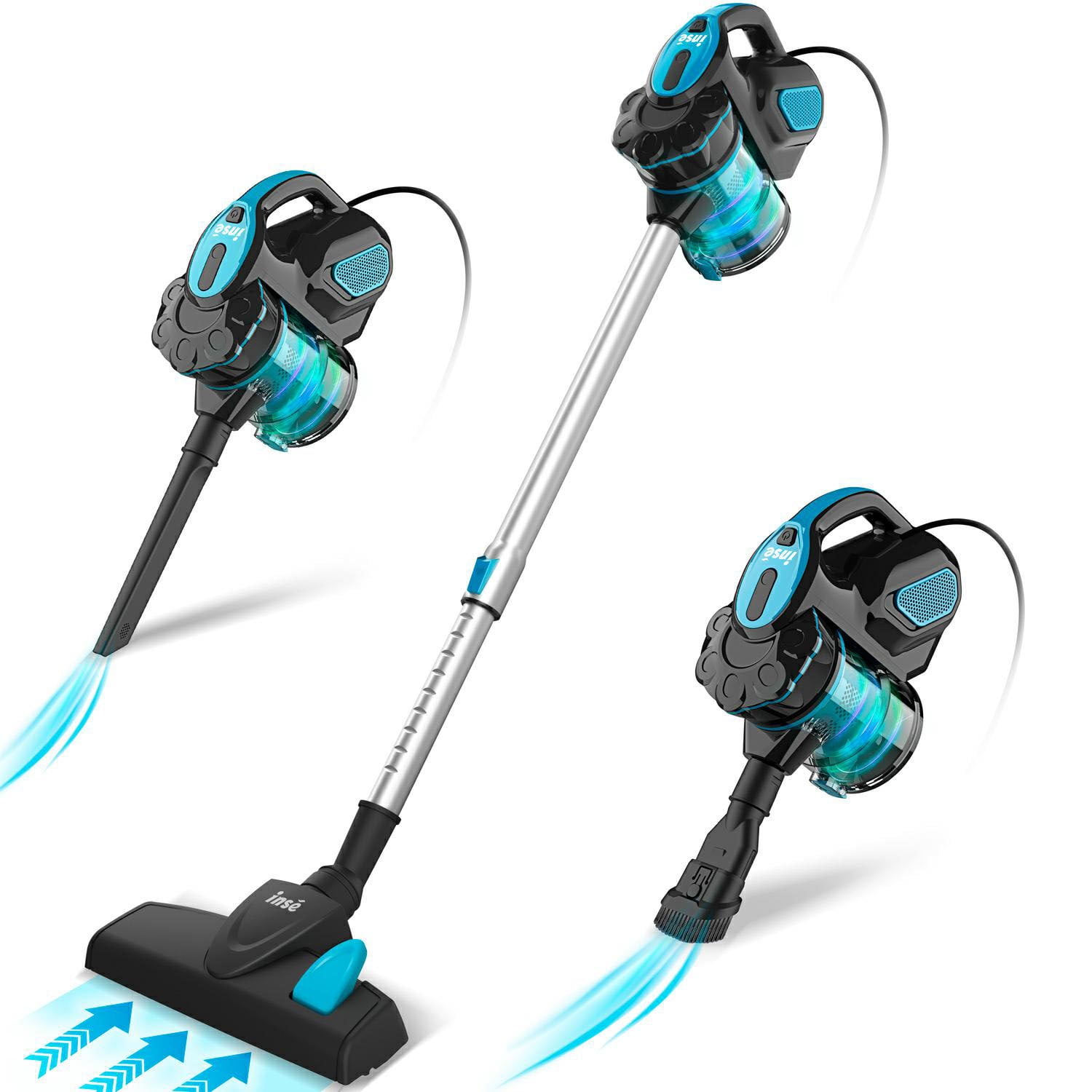
Finding a powerful vacuum for pet hair requires balancing raw suction capability with specialized design features that prevent clogging and hair entanglement. Effective pet vacuums rely on motorized brush rolls, high-efficiency particulate air (HEPA) filtration, and specific attachment kits to manage dander and embedded fur across diverse floor types, ensuring your home environment remains clean and allergen-managed.
Understanding the Mechanics of Pet Hair Removal
The primary challenge in managing pet hair is not merely the suction power measured in air watts or amperage; it is the mechanical removal of fibers woven into textile piles. Standard vacuums often struggle because pet hair creates a static bond with carpet fibers or lodges deeply into upholstery. To address this, a vacuum designed for pets must feature a specialized brush roll.
Most high-performance units utilize a tangle-free brush roll, often featuring silicone fins or cutting mechanisms that actively slice through long hair before it can wrap around the agitator. This is a critical technical distinction. If the brush roll becomes obstructed with hair, the motor’s efficiency drops, and the vacuum may overheat. By prioritizing models with anti-hair-wrap technology, you reduce the frequency of manual maintenance and ensure consistent suction flow.
Evaluating Suction Power and Airflow Design
In the industry, vacuum performance is often categorized by air watts—a measurement of the airflow combined with the vacuum’s ability to create a seal against a surface. However, a high-wattage motor is ineffective if the airflow pathway is poorly designed. A powerful vacuum for pet hair should feature a sealed system.
A sealed system ensures that all air entering the nozzle is forced through the filtration stages before being exhausted back into the room. This is vital for households with pets because it prevents dander—the microscopic skin flakes that often trigger allergies—from escaping through the vacuum’s casing. Look for products that explicitly state "sealed HEPA filtration," which indicates the unit has been tested to trap 99.97% of particles as small as 0.3 microns.
Categorizing Vacuum Types for Pet Owners
Choosing the right form factor depends on your home’s layout and the density of your pet’s shedding. Each category offers distinct advantages regarding reach and capacity.
- Upright Vacuums: These are typically the most powerful in terms of raw suction and motor size. They are ideal for large homes with significant wall-to-wall carpeting. Many upright models include "lift-away" canisters, allowing you to detach the motor and hose for easier cleaning on stairs and furniture.
- Canister Vacuums: These offer excellent maneuverability. Because the canister is separate from the floor nozzle, they are often lighter to push and easier to navigate around tight furniture legs. They are frequently the preferred choice for homes with a mix of hardwood floors and area rugs.
- Cordless Stick Vacuums: While traditionally lower in power, modern high-end stick vacuums have closed the gap significantly. They are best for daily maintenance and quick cleanup. Their primary advantage is the lack of a tether, which makes them highly effective for cleaning pet hair from car interiors or high-reach areas.
- Robot Vacuums: These function as maintenance tools rather than deep-cleaning solutions. A powerful robot vacuum for pets should feature rubberized brushes rather than bristle brushes, as rubber resists tangling and is significantly easier to clean.
Essential Features to Look for in 2026 Models
When evaluating equipment for purchase in 2026, prioritize these technical specifications to ensure longevity and efficacy:
- Self-Cleaning Brush Rolls: Look for bristles or ridges that dislodge hair into the dust bin.
- Pet-Specific Upholstery Tools: These usually include a small, motorized attachment designed to agitate and lift hair from fabric surfaces like sofas and curtains.
- Large-Capacity Dust Bins: Pet hair is bulky. A small canister will require constant emptying, which can be messy and inconvenient.
- Adjustable Suction Control: This allows you to decrease suction when cleaning delicate rugs or drapes, preventing them from being pulled into the nozzle.
Comparison of Vacuum Configurations
| Vacuum Type | Best For | Typical Strength | Maintenance Level |
|---|---|---|---|
| Upright | Large carpets, whole-house cleaning | High | Moderate |
| Canister | Stairs, hardwood, upholstery | Very High | Low |
| Cordless Stick | Quick touch-ups, stairs, cars | Moderate | High (battery care) |
| Robot | Daily surface maintenance | Low to Moderate | High (brush clearing) |
Troubleshooting Common Pet-Hair Issues
Even the most powerful vacuum can experience performance dips. The most common cause of suction loss is not a failing motor, but an obstructed airflow path. If your vacuum loses power, perform these steps in order:
- Check the Hose: Use a long, flexible brush or a broom handle to check for blockages in the hose. Hairballs can become lodged in the elbow joints.
- Examine the Filters: If a filter is saturated with fine dander, the vacuum cannot "breathe." Check your manual to see if your filters are washable or replaceable. If they are washable, ensure they are completely dry—usually 24 to 48 hours—before reinserting them.
- Inspect the Brush Roll: Even with "tangle-free" technology, some hair may accumulate at the ends of the brush roll near the bearings. Use a pair of scissors to carefully cut along the groove of the brush roll, then pull the hair away.
- Clear the Dust Bin: Over-filling the bin forces the vacuum to work harder. Empty the bin when it reaches the "max fill" line to maintain optimal airflow.
Managing Allergens and Dander
Pet hair is often the carrier for dander, which remains in the air and on surfaces long after the visible hair is removed. If you or a family member suffers from allergies, the vacuum’s filtration system is more important than the suction power. Ensure the machine uses a certified HEPA filter.
Be aware that some "HEPA-style" filters do not meet the stringent standards required for medical-grade air cleaning. Look for the formal HEPA certification label. Additionally, when emptying the dust bin, do so outdoors or over a garbage bag to prevent the cloud of fine dust from re-entering your living space.
Frequently Asked Questions
Does a more expensive vacuum always clean pet hair better? Not necessarily. While higher price points often correlate with premium materials and advanced electronics, some mid-range models outperform luxury units if they feature a specialized pet attachment. Focus on the brush roll design rather than the brand prestige.
How often should I change or clean my vacuum filters? In a pet-heavy household, filters should be checked every 3 to 4 weeks. If the filter is washable, rinse it under cold water until the water runs clear. If it is a paper-based or HEPA-cartridge style, replace it according to the manufacturer’s schedule, typically every 6 months.
Why does my vacuum smell like my pet? Odors are often trapped in the dust bin or the secondary filters. If the vacuum continues to smell after cleaning the dust bin, check if the unit has a carbon-based odor-neutralizing filter, which is designed specifically to capture and dissipate pet-related smells.
Can I use a regular vacuum for pet hair, or do I need a special one? You can, but a non-pet-specific vacuum will likely require more frequent maintenance. You will spend more time cutting hair off the brush roll and dealing with clogs. A dedicated pet vacuum simplifies the process by design.
Final Recommendations for Selection
Before making a purchase, assess your home's flooring composition. If you have wall-to-wall carpeting, prioritize an upright model with a high-torque motorized head. If you have mostly hard floors with scattered rugs, a high-suction canister vacuum will provide the best combination of power and ease of use.
Always test the weight of the unit in person if possible. A vacuum that is too heavy to carry up a flight of stairs will inevitably lead to neglect, regardless of its cleaning power. Select a model that fits your physical requirements, ensure you have a plan for filter replacement, and prioritize units that offer tool-free access to the brush roll for periodic maintenance. By focusing on these factors, you ensure your investment delivers long-term performance in managing pet hair.