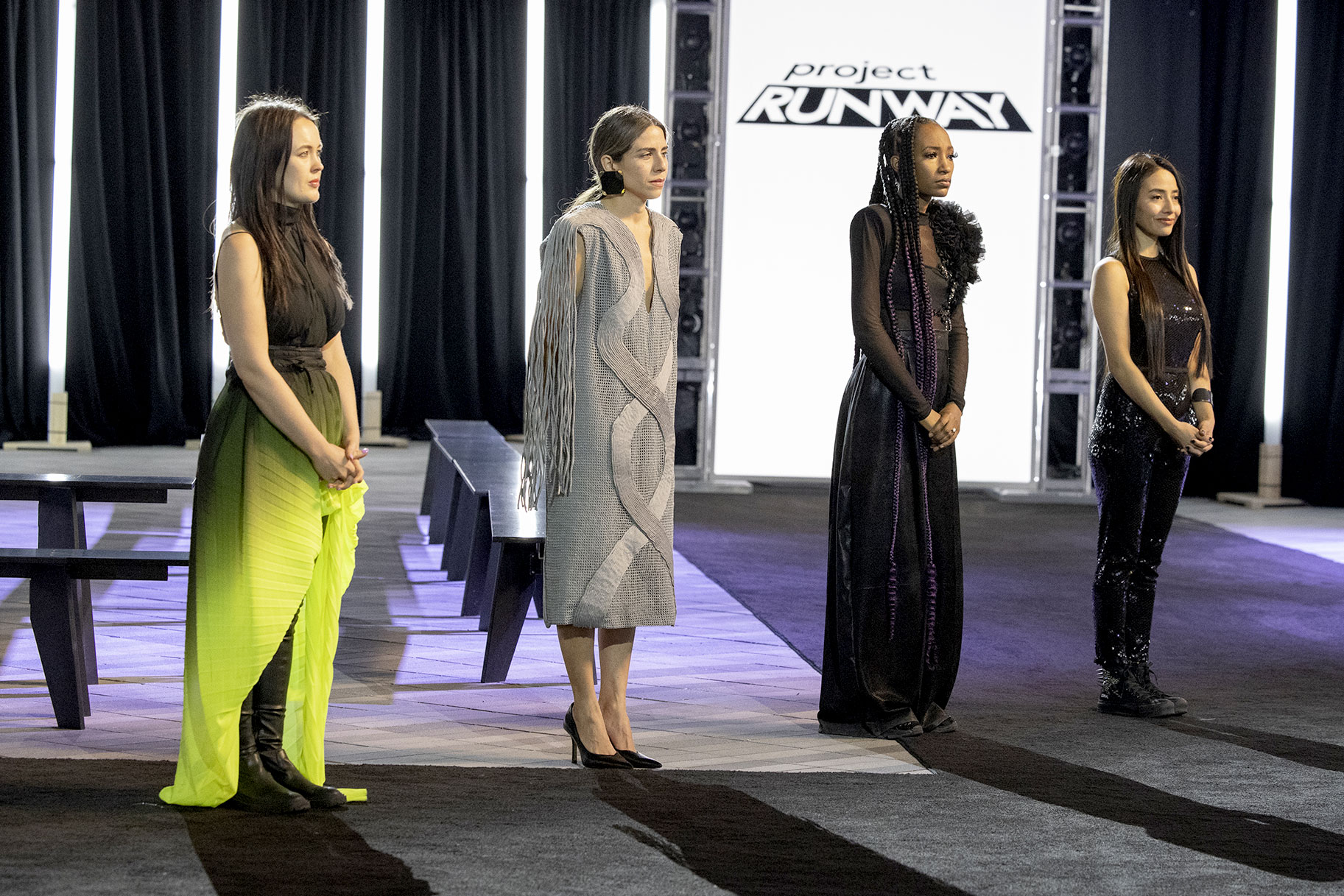
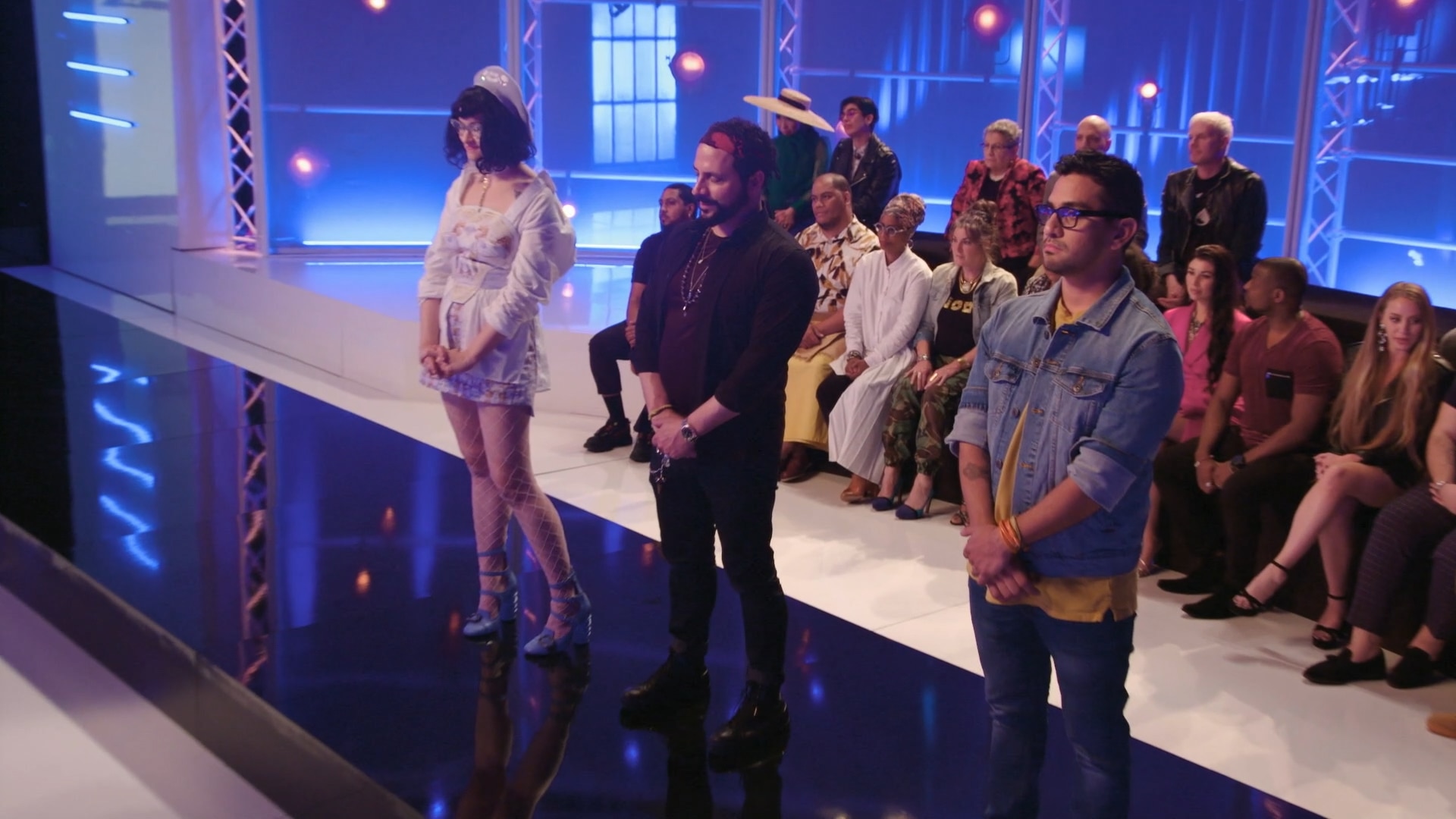
The Project Runway franchise has served as the premier television platform for fashion design talent since its debut in 2004. Spanning over two decades, the series has crowned numerous winners who have transitioned from reality television competitors to established figures in the global fashion industry, with their success trajectories reflecting the evolving demands of retail, branding, and sustainable design.
The Evolution of the Project Runway Winner
When Project Runway first premiered on Bravo, the industry landscape was vastly different. The initial seasons focused heavily on the mechanics of construction and the pressure of the workroom under the tutelage of Tim Gunn and the critical eye of Heidi Klum. As the show moved from Bravo to Lifetime and eventually to its current home, the definition of a "winner" shifted. Early victors like Jay McCarroll, the inaugural champion, prioritized creative independence and avant-garde expression. Later winners faced the pressures of mass-market retail scalability, as partnerships with brands like Bluefly, Piperlime, and various department stores became integral to the prize package.
By examining the list of victors, one can observe the democratization of fashion. The show moved from a niche industry critique to a platform that considers digital presence, influencer marketing, and inclusivity. Each season’s winner represents the "design ethos" of their specific year, illustrating how the industry has pivoted toward diverse perspectives, gender-neutral aesthetics, and, more recently, environmentally conscious manufacturing processes.
Chronological Overview of Champions
To understand the impact of the series, one must look at the progression of the winners. The early seasons established a high bar for technical proficiency, while the middle seasons focused on brand building. The later eras have emphasized the designer’s ability to pivot between couture and ready-to-wear production.
| Season | Winner | Notable Focus |
|---|---|---|
| 1 | Jay McCarroll | Artistic Vision |
| 2 | Chloe Dao | Accessible Luxury |
| 3 | Jeffrey Sebelia | Edgy Streetwear |
| 4 | Christian Siriano | High-End Red Carpet |
| 5 | Leanne Marshall | Architectural Textiles |
| 6 | Irina Shabayeva | Tailored Sophistication |
| 7 | Seth Aaron Henderson | Punk/Rock Influence |
| 8 | Gretchen Jones | Bohemian Ready-to-Wear |
| 9 | Anya Ayoung-Chee | Resort/Island Aesthetic |
| 10 | Dmitry Sholokhov | Geometric Precision |
| 11 | Michelle Lesniak | Grunge/Urban |
| 12 | Dom Streater | Pattern & Print |
| 13 | Sean Kelly | Dramatic Construction |
| 14 | Ashley Nell Tipton | Plus-Size Inclusivity |
| 15 | Erin Robertson | Whimsical/Experimental |
| 16 | Kentaro Kameyama | Minimalism/Fluidity |
| 17 | Sebastian Grey | Feminine Structure |
| 18 | Geoffrey Mac | Avant-Garde/Evening |
| 19 | Shantall Lacayo | Latin-Inspired Luxury |
| 20 | Bishme Cromartie | Modern Street/Couture |
Analyzing Success Beyond the Finale
The post-show career of a Project Runway winner is rarely linear. While the title provides an immediate surge in visibility, longevity in the fashion industry requires business acumen that goes beyond technical design.
Christian Siriano, the winner of Season 4, is widely considered the most commercially successful alumnus. His path involved moving away from the "reality star" label by focusing on red-carpet dressing and red-carpet accessibility, ultimately establishing a brand that serves a diverse clientele. His success proves that the show acts as a springboard, but the designer’s ability to navigate the complex logistics of fashion production—sourcing fabric, managing supply chains, and building a distinct brand identity—is what dictates their long-term relevance.
In contrast, winners like Dom Streater have focused on textile design and digital growth, finding success by cultivating direct-to-consumer relationships. The shift toward digital-first fashion has allowed designers who may not have had the capital for traditional brick-and-mortar boutiques to find global audiences through e-commerce and social media platforms.
The Role of Mentorship and Critiques
A recurring theme throughout the list of winners is the influence of mentors. For the majority of the show’s run, Tim Gunn provided the structural guidance necessary for designers to refine their concepts under tight deadlines. The critiques offered during the runway shows, often involving high-profile guest judges, forced designers to justify their aesthetic choices.
This environment mimics the real-world pressure of working with creative directors and buyers. Winners who thrived were often those who could incorporate feedback without losing their unique "point of view." Designers who were too rigid often struggled during the show, whereas those who could adapt their vision while maintaining quality control were the ones who consistently landed at the top. This balance of flexibility and artistic integrity remains a hallmark of the most successful participants.
Requirements for Sustainability in Modern Design
As of 2026, the criteria for a successful fashion career have expanded significantly. Designers are no longer judged solely on the aesthetic appeal of their collections; they are increasingly scrutinized for their ethical practices. Many recent winners have had to demonstrate, or at least incorporate, elements of sustainable production.
Sustainable design involves:
- Material Sourcing: Utilizing recycled, organic, or deadstock fabrics to minimize the environmental footprint.
- Waste Reduction: Implementing zero-waste pattern-making techniques during the construction phase.
- Local Production: Supporting small-batch manufacturing to reduce the carbon impact associated with mass shipping and inventory surplus.
- Transparency: Providing consumers with clear information regarding the labor and environmental impact of the garment’s creation.
Winners who have transitioned into successful careers now view these elements as non-negotiable. The industry standard has shifted, and the "winning" mindset now includes a deep understanding of the lifecycle of a garment—from raw fiber to the consumer's closet and, eventually, to the end-of-life disposal or recycling process.
Common Misconceptions About the Title
A common misconception among viewers is that the win guarantees immediate global fame and financial stability. In reality, the win is a catalyst, not a destination. Many winners have faced significant hurdles in the years following their season, ranging from difficulty in securing manufacturing partners to the economic challenges of sustaining a boutique business.
The prize packages have fluctuated over the years, often including cash prizes, mentorship programs, and sometimes, the opportunity to sell a collection through a specific retailer. While these prizes are substantial, they are rarely enough to carry a business for more than a few seasons. The winners who remain in the industry are those who used the capital to build a foundation for a scalable business model, often reinvesting in their own brand rather than relying on the momentum of the show alone.
Navigating the Future of the Industry
For aspiring designers or fans interested in the progression of these winners, it is essential to recognize that Project Runway functions as an accelerated simulation of the industry. The time constraints, the fluctuating themes, and the requirement to work with limited resources are intentional stressors meant to expose the designer's core competency.
The most successful designers from the list are those who took the lessons learned in the workroom—efficiency, creative problem-solving, and professional resilience—and applied them to the unpredictable landscape of the 2026 fashion market. Whether their focus is on high-end couture or inclusive, ready-to-wear clothing, the winners serve as a case study in how to leverage visibility into a sustainable career.
Frequently Asked Questions
How does a designer's background influence their success after the show? Designers with prior experience in pattern making or small-business management often adapt more quickly to the pressures of the competition and the post-show reality. Those who enter with only raw talent often face a steeper learning curve regarding the business of production.
Why do some winners find more success than others? Success in fashion is highly dependent on brand identity. Designers who establish a clear, recognizable "look" and consistently market that identity tend to sustain longer careers compared to those who oscillate between styles.
Did the prize packages for winners change over the years? Yes, the prize packages have evolved significantly. Early seasons focused on smaller cash prizes and internships, while later seasons included larger sums, mentorship from industry leaders, and potential retail collaborations. These adjustments were made to reflect the increasing costs of starting a fashion brand.
Is it necessary to win the show to have a successful fashion career? Absolutely not. Many designers who did not place first have gone on to have successful careers by utilizing the exposure gained during the show to launch their own labels, work for established design houses, or move into related creative industries.
How has the show's focus on inclusivity changed the list of winners? In recent years, there has been a conscious shift toward selecting winners who represent a wider range of body types, backgrounds, and design philosophies. This mirrors the industry's broader movement toward inclusivity and better representation in fashion media.
Final Recommendation for Enthusiasts
If you are interested in tracing the career paths of these winners, the best approach is to look beyond the final runway episode. Research their current design labels, observe their social media presence to see how they interact with their customer base, and look for their recent collections on industry platforms. Following their post-show work provides a realistic window into how modern designers navigate the intersection of creativity and commerce in the current fashion climate.