Choosing the right furniture involves balancing aesthetics, spatial constraints, and functional requirements to create a cohesive living environment. This comprehensive furniture types list organizes essential pieces by room, helping you prioritize acquisitions and design a home that supports your lifestyle through high-quality materials and ergonomic layouts.
The Living Room: The Social and Functional Core
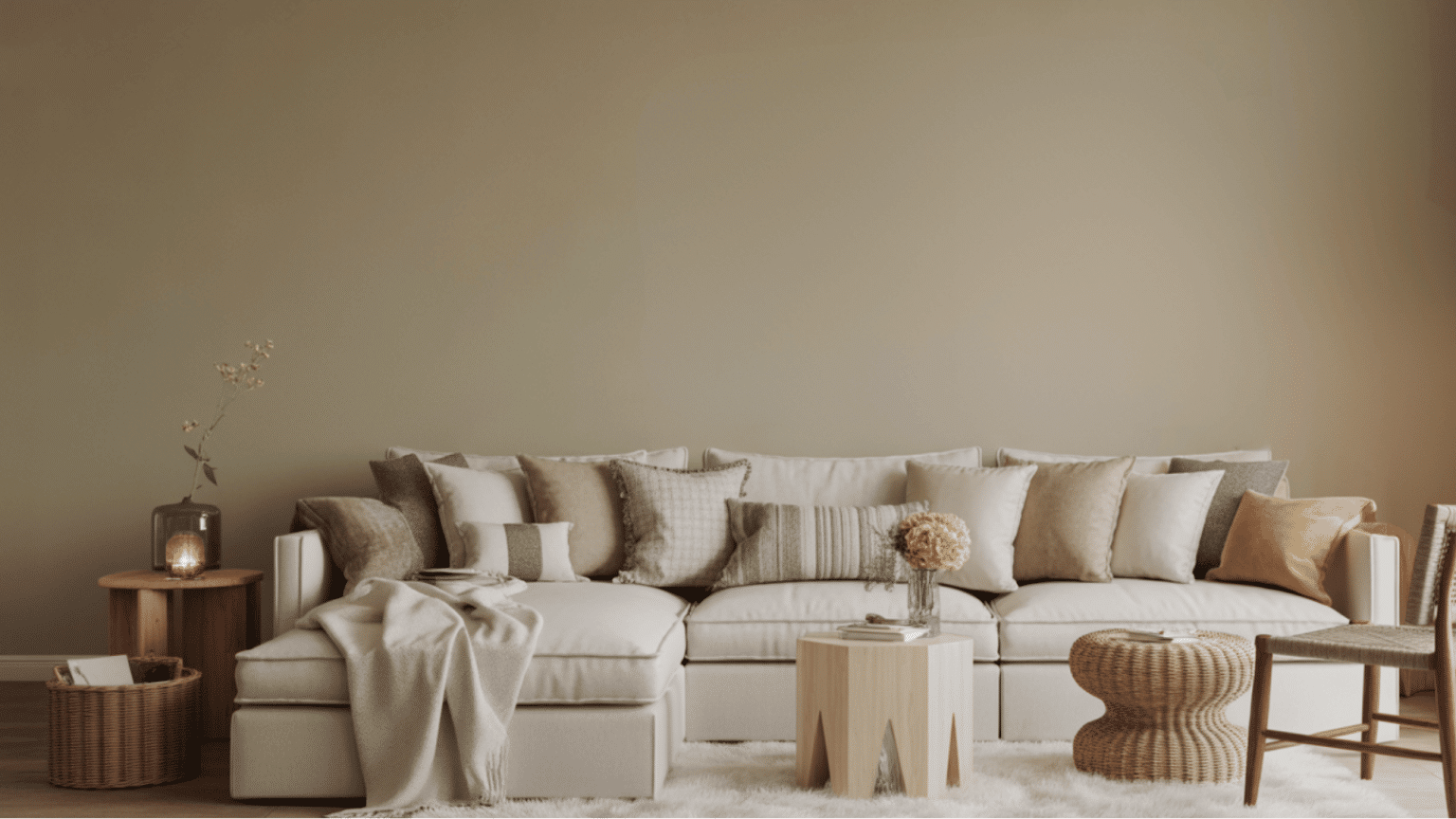
The living room serves as the primary gathering space in most homes, necessitating furniture that balances comfort with durability. In 2026, the trend has shifted heavily toward modularity, allowing homeowners to reconfigure spaces as their needs change.
Seating Options
The sofa or couch remains the undisputed centerpiece. In larger rooms, sectionals provide expansive seating and can often be separated into smaller units. For smaller footprints, a loveseat or a chaise longue offers a more compact footprint without sacrificing style. To complement the primary seating, accent chairs—such as wingbacks, club chairs, or barrel chairs—add visual interest and additional spots for guests. Ottomans and poufs serve a dual purpose, acting as footrests or extra seating when necessary.
Tables and Surfaces
The coffee table is the functional anchor of the seating arrangement, providing a surface for drinks, books, and decor. Modern designs often include lift-top mechanisms for dining or working from the couch. End tables or side tables are placed at the arms of sofas to hold lamps and personal items. For those with a television, a media console or entertainment center is vital, not just for the screen but for concealing wires and housing peripheral devices.
Storage and Display
Bookshelves and étagères provide vertical storage that utilizes wall space effectively. In 2026, many homeowners prefer credenzas or sideboards in the living room to hide clutter while providing a sleek top surface for art. Curio cabinets remain popular for collectors who wish to display glassware or heirlooms behind protective glass.
The Dining Room: From Formal Meals to Daily Tasks
The dining room has evolved into a multi-functional space, often serving as a homework station or a secondary workspace during the day.
The Dining Table
The dining table is the most significant investment in this room. Options range from trestle tables and pedestal tables to drop-leaf tables for small apartments. When selecting a table, consider the "leaf" system; many 2026 models feature integrated self-storing leaves that allow the table to expand for holidays without requiring extra closet space for the inserts.
Seating Varieties
Dining chairs should prioritize ergonomics if the space is used for long durations. Armchairs are typically placed at the head and foot of the table, while side chairs (without arms) line the long edges. Benches have seen a resurgence in 2026 for their ability to tuck under the table when not in use, creating a cleaner look in open-concept floor plans.
Supporting Pieces
A buffet or sideboard is essential for storing linens, cutlery, and serving platters. If the room is used for entertaining, a bar cart or wine rack adds a sophisticated touch. For formal displays, a china cabinet or hutch provides a combination of enclosed storage and glass-fronted shelving.
The Bedroom: Prioritizing Rest and Personal Storage
Bedroom furniture should foster a sense of tranquility while providing enough storage to keep the environment clutter-free.
The Bed Frame and Foundation
The bed frame is the foundation of the room. Common types include platform beds, which eliminate the need for a box spring, and canopy beds for a more dramatic aesthetic. Sleigh beds and upholstered headboards offer a softer look. In 2026, adjustable bases have become a standard for many, allowing users to elevate their head or feet for reading and improved circulation.
Bedside Essentials
Nightstands or bedside tables are critical for symmetry and function. They should be roughly the same height as the top of the mattress for ease of use. Many modern nightstands now include integrated wireless charging pads and USB-C ports to reduce cord clutter.
Clothing Storage
The dresser (low and wide) and the chest of drawers (tall and narrow) are the primary units for folded clothing. If your home lacks a built-in closet, an armoire or wardrobe provides hanging space. For the foot of the bed, a storage bench or trunk offers a place to sit while dressing and a spot to keep extra blankets.
The Home Office: Productivity and Ergonomics
With the permanent shift toward hybrid work models in 2026, the home office has moved from a "nice-to-have" to a high-priority room.
Desks
The writing desk is the simplest form, suitable for laptop users. However, the standing desk (or sit-stand desk) is now the gold standard for health and productivity. For those needing more surface area for multiple monitors or physical paperwork, an L-shaped desk or an executive desk provides the necessary real estate.
Ergonomic Seating
An office chair is perhaps the most technical piece of furniture you will buy. Look for models with adjustable lumbar support, seat depth, and 4D armrests. High-end task chairs in 2026 often use mesh materials for breathability and sophisticated weight-sensitive recline mechanisms.
Organization
Filing cabinets are still relevant for sensitive documents, though many are being replaced by modular cubby shelving and lateral files that look more like residential furniture. A library ladder and floor-to-ceiling bookshelves can turn a standard office into a professional-grade study.
The Kitchen and Breakfast Nook
Kitchen furniture focuses on utility and the transition between food preparation and casual dining.
- Bar Stools and Counter Stools: These are essential for kitchen islands or peninsulas. Ensure you measure the height carefully; counter stools are typically 24-26 inches high, while bar stools are 28-32 inches.
- Kitchen Island (Portable): If your kitchen lacks a built-in island, a rolling kitchen cart or a stationary butcher block table provides extra prep space.
- Baker’s Rack: Used for storing heavy appliances like mixers or for displaying cookbooks and herbs.
- Breakfast Nook Set: Often featuring a pedestal table and built-in banquette seating or small bistro chairs, this is perfect for casual morning meals.
The Entryway and Mudroom: Organization at the Threshold
The entryway sets the tone for the home and manages the transition between the outside world and the interior.
- Console Table: A narrow table used for keys, mail, and decorative items.
- Entryway Bench: Provides a place to sit while putting on or taking off shoes. Many include under-seat storage.
- Coat Rack or Hall Tree: A hall tree is a multifunctional piece that combines a bench, coat hooks, and sometimes a mirror or shoe cubbies.
- Umbrella Stand: A small but vital accessory to prevent water from tracking through the house.
Comparison of Furniture Materials and Durability
When selecting pieces from the list above, the material choice significantly impacts longevity and maintenance.
| Material Type | Durability | Maintenance Level | Best For | 2026 Market Trend |
|---|---|---|---|---|
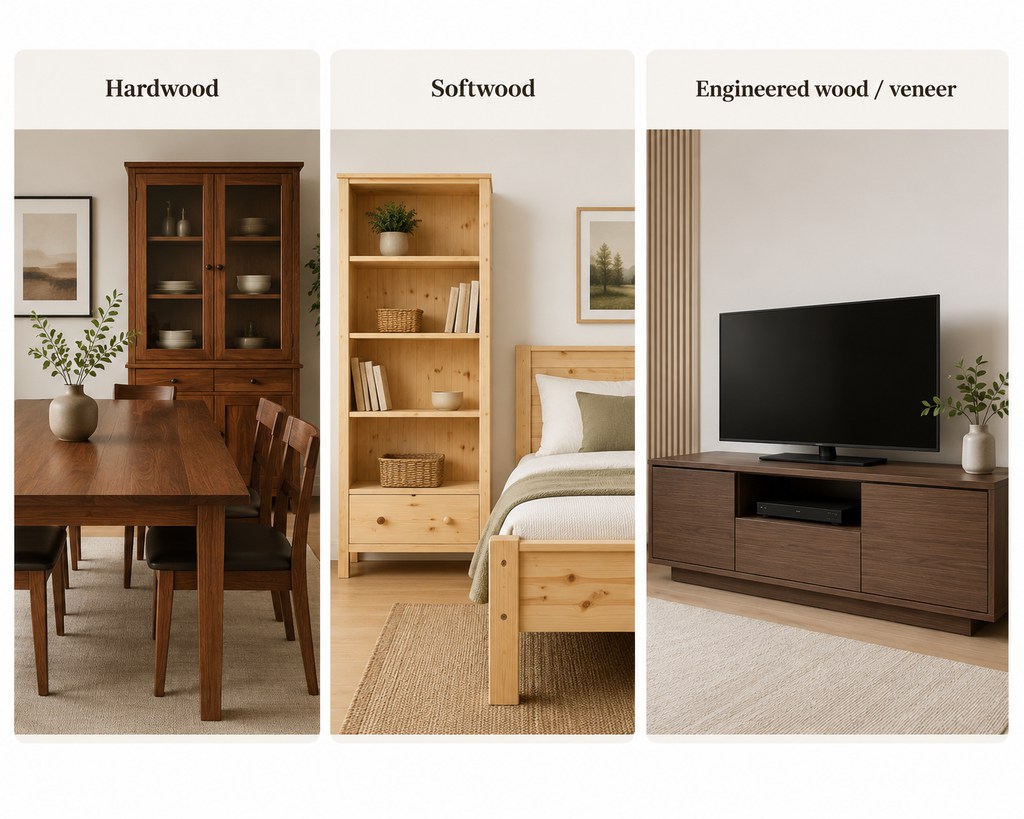
| Solid Wood | Very High | Medium (Polishing) | Dining Tables, Bed Frames | Heirloom quality, eco-certified sources. |
| Metal (Steel/Aluminum) | High | Low | Office Desks, Outdoor Chairs | Industrial aesthetics, powder-coated finishes. |
| Upholstered (Fabric) | Medium | High (Cleaning) | Sofas, Accent Chairs | Performance fabrics that resist stains/pets. |
| Engineered Wood (MDF) | Low to Medium | Low | Bookshelves, Entryway Tables | Budget-friendly, modular designs. |
| Tempered Glass | Medium | High (Smudges) | Coffee Tables, Desks | Creating a sense of space in small rooms. |
| Recycled Plastic | High | Very Low | Outdoor/Patio, Kids' Rooms | Circular economy, sustainable manufacturing. |
Frequently Asked Questions
What is the most important piece of furniture to invest in first?
Generally, the sofa and the mattress/bed frame should be your primary investments. These are the pieces you will use most frequently and for the longest durations. High-quality seating and sleeping surfaces directly impact your physical health and comfort. According to the Consumer Product Safety Commission, ensuring these large items meet current stability standards is also crucial for home safety.
How do I choose the right size furniture for a small room?
Measure your room and create a floor plan before buying. A common mistake is choosing furniture that is too large, which "chokes" the room. Look for "apartment-sized" furniture or pieces with "exposed legs" (like Mid-Century Modern styles), which allow you to see more of the floor, making the room feel larger. Multi-functional pieces, like a storage ottoman or a wall-mounted desk, are also highly effective in tight spaces.
What are the "performance fabrics" mentioned for 2026?
Performance fabrics are textiles engineered to withstand heavy use. In 2026, these include materials like solution-dyed acrylics and recycled polyesters that are treated at the fiber level to be moisture-repellent and stain-resistant. They are ideal for households with children or pets, as they can often be cleaned with mild soap and water without degrading the fabric.
Should all the furniture in a room match?
While matching sets (like a bedroom suite where the dresser, bed, and nightstands are identical) provide a quick way to furnish a room, modern interior design in 2026 leans toward a "curated" look. Mixing different textures and eras—such as a modern sofa with a vintage wooden coffee table—creates a more personalized and sophisticated environment. The key is to maintain a consistent color palette or wood tone to tie the disparate pieces together.
How can I verify if furniture is sustainably made?
Look for certifications such as the Forest Stewardship Council (FSC) for wood products, which ensures the timber was harvested responsibly. For upholstered goods, the OEKO-TEX or CertiPUR-US® labels indicate that the foams and fabrics are free from harmful chemicals and flame retardants. Many 2026 manufacturers also provide a "carbon footprint" score for individual pieces.
Strategic Planning for Your Home
When building your furniture collection, approach it room by room but keep the overall flow of the house in mind. Start with the "big rocks"—the bed, the sofa, and the dining table—and then fill in with secondary pieces like end tables and decor. This ensures that your budget is allocated to the items that provide the most functional value. For 2026, the focus remains on quality over quantity; it is better to have three well-made, durable pieces than a house full of low-quality items that will need replacement within a few years.