Shazza Zulu, portrayed by actor Gary Dourdan, remains one of the most culturally significant recurring characters in the history of the NBC sitcom A Different World. Introduced during the height of the show’s creative peak, Shazza served as the quintessential Afrocentric intellectual, challenging the student body at Hillman College to decolonize their minds and embrace a more radical understanding of Black identity and history.
As of 2026, looking back at the series through a modern lens, Shazza Zulu’s presence on the show represents a pivotal moment in 1990s television. He was not merely a romantic interest for Freddie Brooks; he was a personification of the "conscious" movement that was sweeping through Black academia and popular culture during the early nineties. His character provided a necessary friction against the more traditional or upwardly mobile aspirations of characters like Dwayne Wayne and Whitley Gilbert, forcing both the characters and the audience to grapple with uncomfortable truths about heritage, education, and social responsibility.
The Genesis of Shazza Zulu: Character Profile and Casting
When Shazza Zulu first appeared on the campus of Hillman College, he immediately stood out from the existing ensemble. While the show had already established a wide spectrum of Black identities—from the wealthy socialite Whitley Gilbert to the pragmatic pre-med student Kim Reese—there was a void where the radical, grassroots intellectualism of the era should have been.
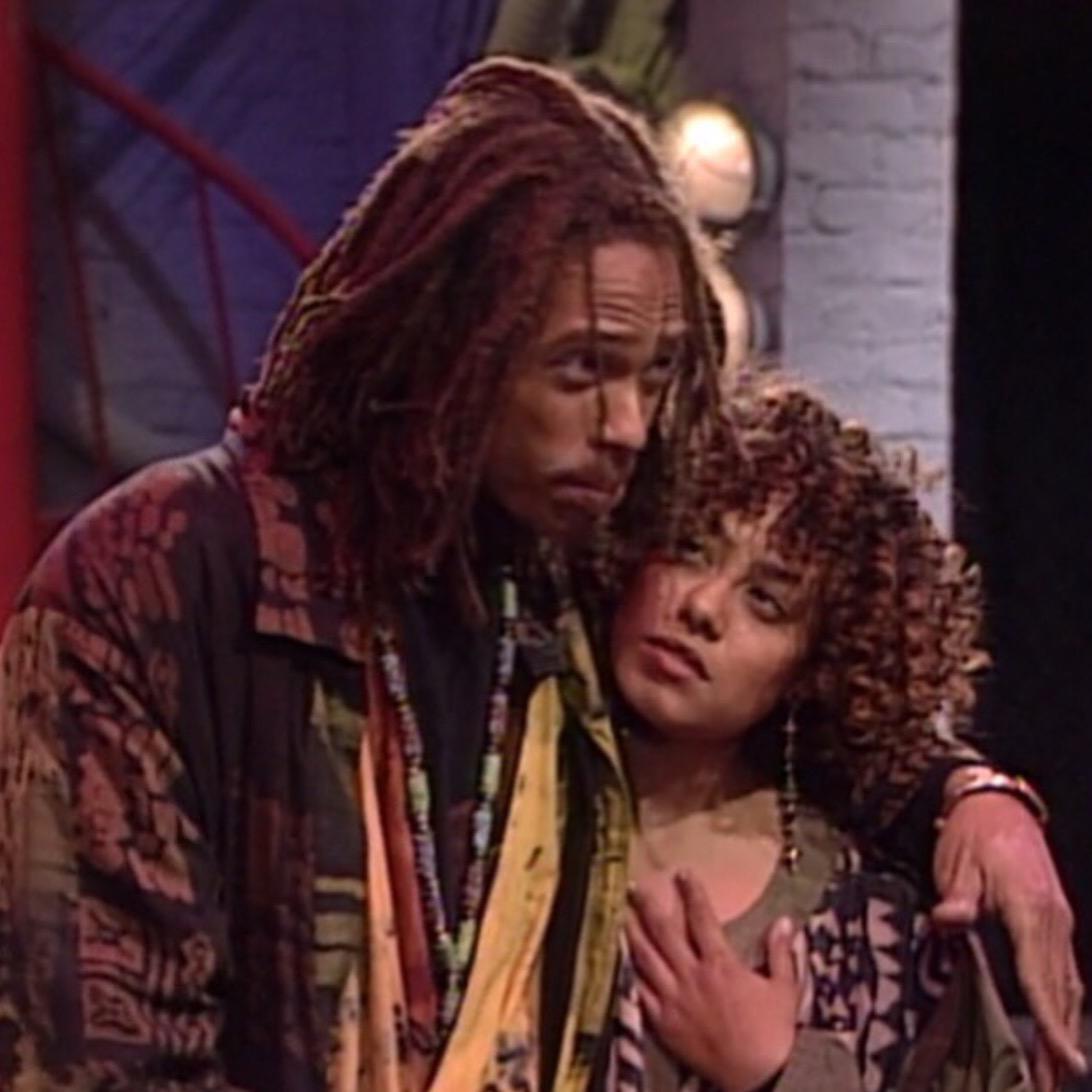
Shazza filled this void with an intensity that was both captivating and polarizing. Portrayed with a cool, brooding magnetism by Gary Dourdan, Shazza was characterized by his signature dreadlocks, his preference for dashikis and African-inspired attire, and a vocabulary steeped in the rhetoric of Pan-Africanism.
The Actor: Gary Dourdan’s Early Breakthrough
Before he became a household name on CSI: Crime Scene Investigation, Gary Dourdan’s portrayal of Shazza Zulu was his breakout role. Dourdan brought a specific type of gravitas to the character that prevented Shazza from becoming a mere caricature of a "woke" student. He played Shazza with a mixture of arrogance and genuine passion, making it clear that while Shazza might be difficult to get along with, his convictions were deeply rooted in study and reflection.
Establishing the Identity: More Than Just a Name
The name "Shazza Zulu" itself was a statement of intent. In an era where many African Americans were reclaiming their ancestral roots through the adoption of African names, Shazza represented a rejection of "slave names" and a commitment to a self-defined identity. Within the narrative of the show, Shazza’s identity was his armor and his weapon, used to navigate a world that he viewed as structurally designed to suppress Black excellence.
Shazza and Freddie: A Relationship of Ideological Weight
The most prominent narrative thread involving Shazza Zulu was his relationship with Frederica "Freddie" Brooks (played by Cree Summer). This pairing was unique because it wasn't based on the typical "will-they-won't-they" tropes of sitcoms. Instead, it was a relationship built on shared values, spiritual seeking, and intellectual curiosity.
The Attraction of Like Minds
Freddie Brooks was always the resident "free spirit" of Hillman, often veering into New Age spirituality and environmental activism. Shazza provided a grounded, historical framework for Freddie’s idealism. He didn't just want to "save the world"; he wanted to dismantle the specific systems of oppression that he believed were at the root of global suffering.
Their relationship was significant because it showcased a form of Black love that was centered on mutual growth and ideological alignment. They were often seen studying together, debating historical texts, and attending rallies. For many viewers, they represented the "conscious couple" archetype that was becoming increasingly visible in the 1990s hip-hop and art scenes.
The Conflict of Ego and Ideology
Despite their shared goals, the relationship between Shazza and Freddie was frequently volatile. Shazza’s intellectualism often bordered on patronizing, particularly toward Freddie. He frequently challenged her methods and her perceived "naivety," leading to clashes that highlighted the internal tensions within activist circles. This dynamic reached a peak when Shazza’s dogmatic approach began to stifle Freddie’s own burgeoning voice, eventually leading to their separation. Their breakup served as a cautionary tale about the dangers of intellectual elitism within a partnership.
The Great Debate: Shazza vs. Dwayne Wayne
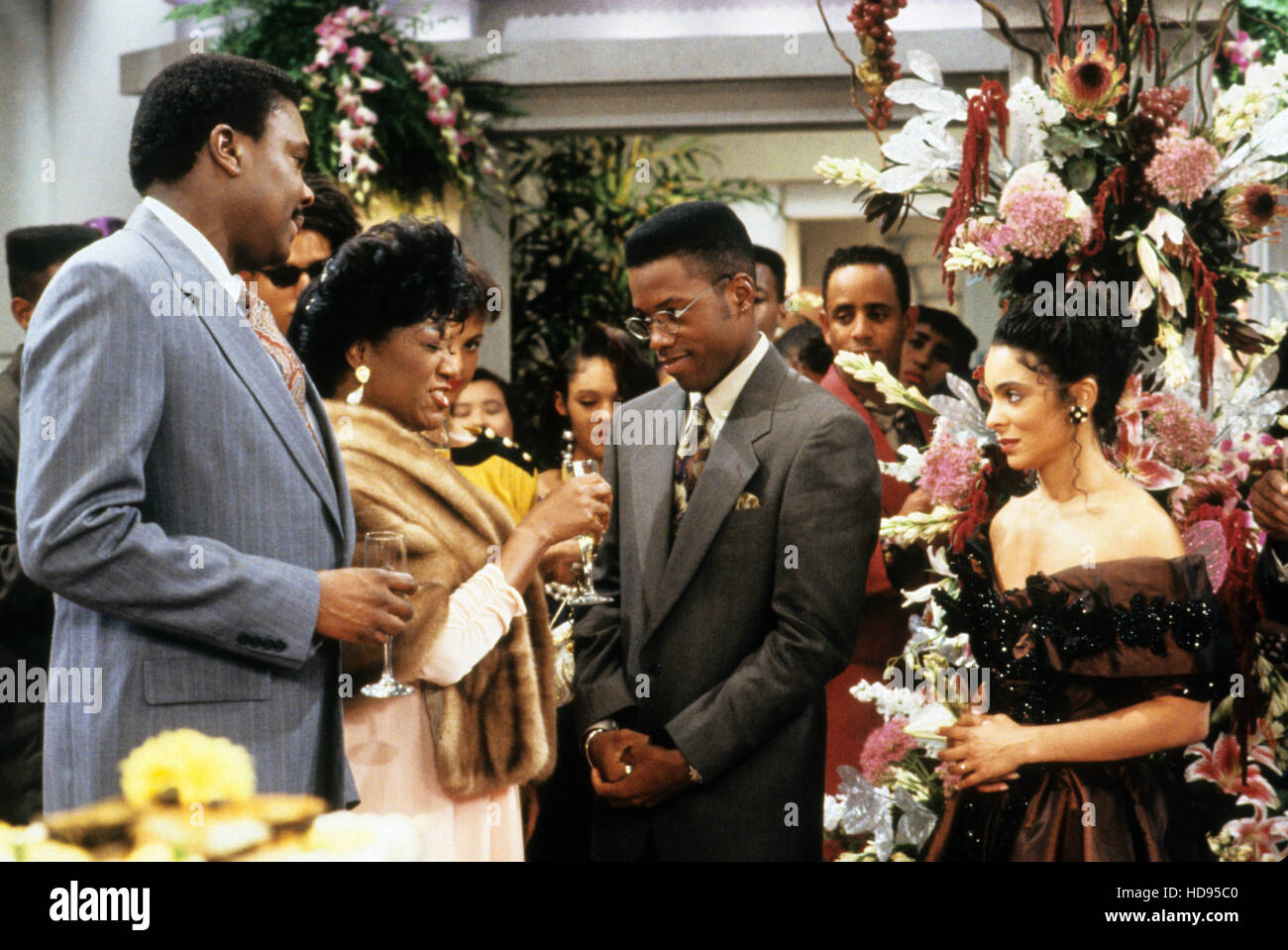
One of the most memorable episodes featuring Shazza Zulu is "The Great Debate" (Season 5, Episode 11). This episode is a masterclass in how A Different World used its characters to explore complex sociological arguments. The central conflict involves a debate over whether Hillman College, a prestigious Historically Black College (HBCU), should change its curriculum to be more Afrocentric.
The Pragmatist vs. The Revolutionary
Dwayne Wayne, ever the pragmatist and a student of mathematics and engineering, argued for a curriculum that prepared students for the competitive global workforce. He believed that the existing Western-based education was a necessary tool for success in the "real world."
Shazza, conversely, argued that a Western-centric education was inherently a form of mental colonization. He famously contended that Black students should not be striving to fit into a "burning house," but should instead be building their own house based on their own historical and cultural foundations.
Impact of the Debate
The debate was significant because it didn't clearly name a winner. Instead, it allowed both Shazza and Dwayne to present valid, deeply-felt perspectives on the purpose of higher education for Black Americans. Shazza’s arguments reflected the actual academic debates of the time, mirroring the work of scholars like Molefi Kete Asante and the rise of Black Studies departments across the United States.
| Ideological Component | Shazza Zulu's Perspective | Dwayne Wayne's Perspective |
|---|---|---|
| Primary Goal of Education | Cultural reclamation and mental liberation. | Career readiness and economic mobility. |
| Curriculum Focus | Afrocentrism and historical revisionism. | Traditional Western academics (Math, Science, Humanities). |
| View of the "System" | Inherently oppressive; must be dismantled or bypassed. | A flawed structure that can be navigated and improved from within. |
| Identity Source | Ancestral heritage and Pan-Africanism. | Individual achievement and American citizenship. |
Shazza Zulu as a Cultural Archetype
Shazza was not just a character; he was an archetype that reflected the "Conscious Era" of the early 1990s. This was the era of the "X" hat (celebrating Malcolm X), the rise of Afrocentric rap groups like Brand Nubian and Public Enemy, and a general surge in Black pride that moved away from the assimilationist goals of the 1980s.
The "Brother from the Motherland"
Shazza represented the student who had spent his summers in the library reading Frantz Fanon, Walter Rodney, and Bell Hooks. He was the person on campus who would correct your pronunciation of African nations and challenge you on why you were still using certain "Eurocentric" products. While this could make him appear insufferable to some characters (and some viewers), his role was to act as a mirror. He forced the other students at Hillman to ask themselves: "How much of my identity is mine, and how much was given to me by a system that doesn't value me?"
Challenging the Status Quo
Even within the protected space of an HBCU, Shazza was a disruptor. He challenged the administration, the faculty, and his peers. By doing so, he prevented the show from becoming too comfortable in its depiction of Black life. He reminded the audience that being at an HBCU was not just a social experience, but a political one.
Gary Dourdan’s Performance and Legacy
It is impossible to discuss Shazza Zulu without acknowledging the charisma Gary Dourdan brought to the role. Dourdan’s physical presence—tall, striking, and possessed of a deep, resonant voice—gave Shazza an authority that a lesser actor might have struggled to convey.
Bringing Nuance to the "Angry Intellectual"
Sitcoms of the era often relegated radical characters to the "angry Black man" trope, using them only for comedic relief or as one-dimensional villains. Dourdan and the writers of A Different World avoided this. Shazza was allowed to be vulnerable, especially in his dealings with Freddie. He was allowed to be wrong, and he was allowed to grow.
In hindsight, Shazza was one of the most stylish characters on the show. His wardrobe was a deliberate rejection of the "preppy" look favored by many Hillman students. By wearing traditional African prints and keeping his hair in locks, he was performing a daily act of resistance. This visual identity influenced a generation of young viewers who saw that being an intellectual and being "cool" were not mutually exclusive.
The Evolution of Shazza’s Presence
Throughout his tenure on the show, Shazza’s role evolved from a peripheral "guy in the background with a book" to a central figure in several major story arcs.
From Antagonist to Ally
Initially, Shazza was often positioned as an antagonist to Dwayne Wayne. Their rivalry was both romantic (due to Freddie) and intellectual. However, as the series progressed, Shazza was increasingly portrayed as a respected, if occasionally difficult, member of the Hillman community. He became a source of knowledge for other students, even those who didn't necessarily agree with his radical politics.
Influence on Subsequent Characters
The success of the Shazza Zulu character paved the way for similar "conscious" characters in later television series. You can see his DNA in characters from Moesha, The Parkers, and even modern shows like Dear White People. He established the template for the "campus activist" who is both a source of wisdom and a source of conflict.
Why Shazza Zulu Matters in 2026
In 2026, the themes Shazza Zulu championed—identity, systemic critique, and the importance of history—are more relevant than ever. The conversations he was starting on the Hillman campus in the early 90s are the same conversations happening today in the realms of social justice, diversity, and inclusion.
A Forerunner of Modern Activism
Shazza’s focus on the "politics of the self" was a precursor to modern discussions about intersectionality and decolonization. He understood that you could not change the world until you changed how you viewed yourself. His insistence on historical literacy as a tool for liberation is a message that continues to resonate with contemporary movements.
The Value of the "Unlikable" Character
Shazza wasn't always meant to be liked. He was meant to be heard. In an era of television where characters are often designed to be universally "relatable," Shazza Zulu stands out as a character who was willing to be alienating for the sake of his principles. This makes him one of the most honest depictions of an activist ever to appear on a network sitcom.
Frequently Asked Questions
Who played Shazza Zulu in A Different World?
Shazza Zulu was played by actor Gary Dourdan. Dourdan joined the cast in Season 4 and remained a recurring character through Season 6. This was one of his first major television roles before he achieved international fame on CSI.
Why did Shazza Zulu and Freddie Brooks break up?
Their relationship ended primarily due to Shazza’s controlling and intellectually superior attitude. While they shared many of the same political and social goals, Shazza often dismissed Freddie’s personal growth and spiritual beliefs as less important than his own rigid ideological framework. This created a power imbalance that Freddie eventually realized was unhealthy.
What does "Shazza Zulu" mean?
Within the context of the show, Shazza Zulu is a self-adopted name. "Shazza" is a name of Arabic origin (meaning "fragrance"), and "Zulu" refers to the Zulu people of South Africa, famous for their resistance against British colonialism. The name signifies his commitment to Pan-Africanism and his rejection of his Western birth name.
Was Shazza Zulu a regular character?
No, Shazza was a recurring character. He appeared in 13 episodes between 1991 and 1992. Despite his limited number of appearances, his impact on the show’s cultural legacy was significant due to the weight of the topics his character addressed.
What happened to Gary Dourdan after A Different World?
Following his time on the show, Gary Dourdan had a successful career in film and television. He appeared in movies like Alien: Resurrection and Soul Food. His most famous role was playing Warrick Brown on the hit procedural CSI: Crime Scene Investigation from 2000 to 2008.
Final Thoughts: The Lasting Legacy of Hillman’s Radical
Shazza Zulu remains a testament to the sophisticated writing of A Different World. By introducing a character who challenged the very foundations of the students' education and identity, the show moved beyond simple entertainment and became a cultural document. Shazza reminded us that even in a place of learning like Hillman College, the most important lessons often happen outside the classroom, in the heat of debate and the search for one’s true self. For fans of the series, Shazza isn't just a memory of 90s television; he is a reminder of the power of conviction and the enduring necessity of the conscious mind.