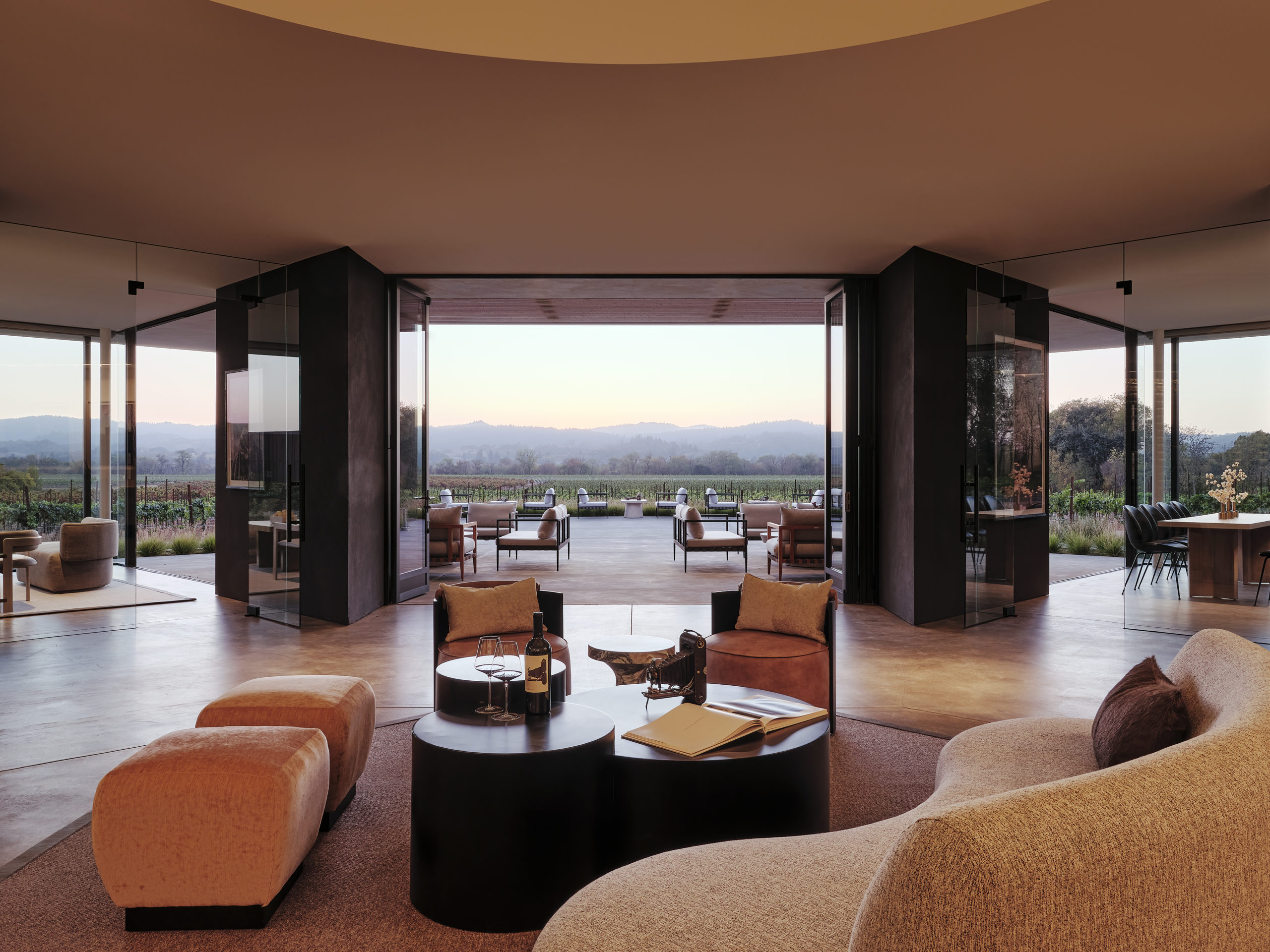
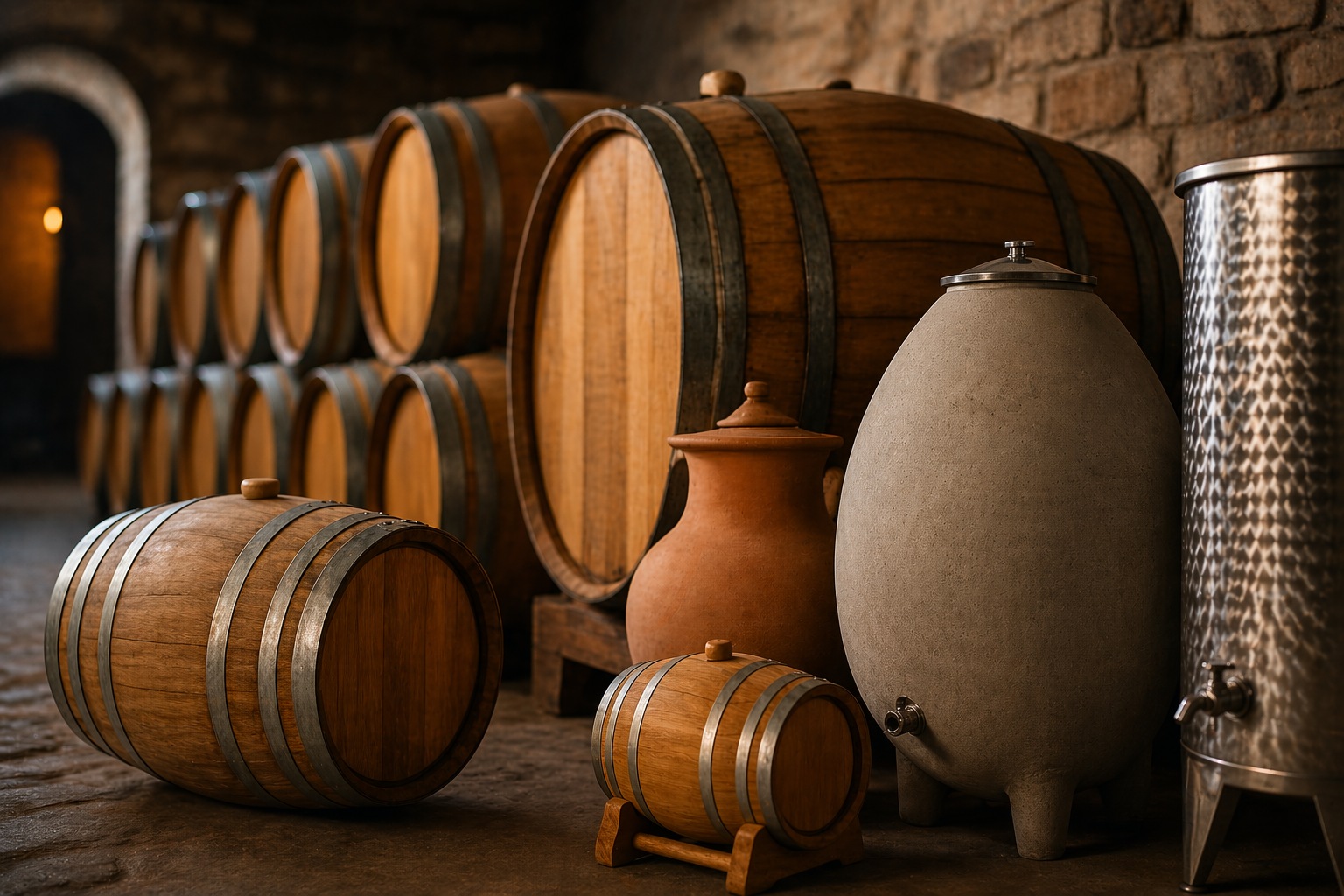
Bordeaux, France, is the definitive city where wine shapes culture, serving as a living intersection of history, economy, and social identity. From its UNESCO-listed 18th-century architecture funded by the wine trade to the futuristic Cité du Vin, every street, festival, and seasonal rhythm in Bordeaux is dictated by the vine.
In the heart of Southwestern France, the city of Bordeaux does not merely host a wine industry; it is an urban manifestation of viticulture. As of 2026, the city remains the global epicenter for wine enthusiasts and professionals alike. The relationship between the liquid gold produced in the surrounding countryside and the stones of the city is inseparable. To understand Bordeaux is to understand how a single agricultural product can influence the architecture, the law, the social hierarchy, and the daily habits of a metropolitan population.
The Architectural Legacy of the Wine Trade
The physical appearance of Bordeaux is perhaps the most visible evidence of wine’s cultural dominance. During the 18th century, known as the city’s "Golden Age," Bordeaux underwent a radical transformation. The wealth generated from the export of wine to England, the Netherlands, and the Americas allowed the city to replace its medieval walls with grand neo-classical facades.
The Port of the Moon
The crescent-shaped curve of the Garonne River, known as the Port de la Lune (Port of the Moon), became the staging ground for the global wine trade. The magnificent buildings lining the quays, such as the Place de la Bourse, were designed to impress foreign merchants. Even today, the UNESCO World Heritage status of the city center is a direct result of the urban cohesion created during this era of wine-driven prosperity.
The Chartrons District
Historically, the Chartrons district served as the "city within a city" for foreign wine merchants. This is where the négociants (wine brokers) established their offices and massive cellars. While many of these warehouses have been converted into trendy lofts, antique shops, and the Museum of Contemporary Art (CAPC), the layout of the streets remains optimized for the transport of barrels from cellar to ship. Walking through Chartrons in 2026, one still senses the legacy of the Anglo-Saxon and Scandinavian families who helped shape the "Bordeaux style" of both wine and life.
La Cité du Vin: A Cultural Beacon for 2026
If the 18th-century facades represent the history of Bordeaux, La Cité du Vin represents its future. Opened in 2016 and continuously updated with immersive technology, this architectural marvel is more than a museum; it is a "cultural center of wine."
The building’s design, created by XTU Architects, is intended to evoke the swirl of wine in a glass and the eddies of the Garonne. Inside, the culture of wine is explored through:
- Sensory Workshops: Visitors engage with the olfactory and tactile elements of viticulture.
- Global Perspectives: The center does not just focus on Bordeaux; it honors wine cultures from Georgia to California, reinforcing Bordeaux’s role as the diplomatic capital of the wine world.
- The Belvedere: A 35-meter-high gallery where visitors conclude their journey with a tasting, looking out over the city that wine built.
In 2026, the Cité du Vin remains a primary driver for "oenotourism," attracting millions of visitors who seek to understand the "why" behind the bottle. It serves as a bridge between the technical science of winemaking and the artistic expression of the culture.
The Seasonal Rhythm of the Bordelais
In many cities, the change of seasons is marked by weather or holidays. In Bordeaux, the calendar is dictated by the vineyard cycle. This "viticultural clock" ensures that the city’s energy ebbs and flows with the needs of the grapes.
En Primeur: The Business of Anticipation
Every spring, the city hosts En Primeur. This is a centuries-old system where critics and buyers descend upon Bordeaux to taste the previous year’s vintage while it is still in the barrel. The city’s hotels, restaurants, and private clubs become hive-like centers of negotiation. The cultural atmosphere during this time is one of high-stakes anticipation; the quality of the "futures" will determine the economic health of the region for years to come.
Bordeaux Fête le Vin
In early summer, the focus shifts from business to celebration. Bordeaux Fête le Vin, a biennial festival (with 2026 being a major year for the event), transforms the quays into a 2-kilometer "wine road." It is a democratic celebration where locals and tourists share glasses of Rosé, Clairet, and Crémant. This festival illustrates how wine in Bordeaux is not just for the elite; it is a communal fabric that brings different social strata together.
The Harvest (Le Vendange)
In September and October, the city feels a quiet tension. Conversations in cafes revolve around rainfall, sugar levels, and picking dates. The "culture of the harvest" extends into the city as seasonal workers pass through and local restaurants prepare specialized menus to celebrate the new crop.
The Technical Hierarchy: The 1855 Classification
One cannot discuss the culture of Bordeaux without mentioning the 1855 Classification of Médoc and Sauternes. Ordered by Emperor Napoleon III for the Universal Exhibition in Paris, this ranking of estates (Châteaux) into five growths (Crus) created a social and economic hierarchy that persists in 2026.
This classification system is not merely a list of prices; it is a cultural constitution. It dictates the prestige of families, the value of land, and the "etiquette" of the wine world. While modern critics often debate its relevance, the 1855 Classification remains the bedrock of Bordeaux’s identity, providing a sense of permanence in an ever-changing global market.
| Classification Category | Representative Châteaux | Key Characteristics |
|---|---|---|
| First Growths (Premiers Crus) | Lafite Rothschild, Latour, Margaux, Haut-Brion, Mouton Rothschild | The pinnacle of prestige; highest historical and market value. |
| Second to Fifth Growths | Gruaud-Larose, Lynch-Bages, Pontet-Canet | Highly sought-after "Super Seconds" and classic estates with deep history. |
| Cru Bourgeois | Various estates in Médoc | A dynamic classification for high-quality wines outside the 1855 system. |
| Saint-Émilion Classification | Cheval Blanc, Pavie (Subject to 10-year updates) | A Right Bank system based on regular quality assessments. |
| Sauternes & Barsac | Château d'Yquem | Dedicated to the world's most famous sweet botrytized wines. |
Gastronomy: The Culinary Companion to the Vine
The culture of wine has naturally birthed a specific culinary identity. In Bordeaux, food is rarely viewed in isolation; it is viewed as a partner to the wine.
- L'Entrecôte à la Bordelaise: Rib steak cooked over vine shoots (sarments) and served with a sauce made from red wine, shallots, and marrow. The use of vine shoots as fuel is a perfect example of how the vineyard enters the kitchen.
- The Canelé: This iconic fluted pastry has a direct link to winemaking. Historically, winemakers used egg whites to clarify wine (a process called fining). The leftover egg yolks were given to local nuns, who created the Canelé. Today, the pastry is a symbol of the city.
- Lamprey à la Bordelaise: An ancient fish caught in the Garonne, slow-cooked in a rich sauce of its own blood and red wine. It is a dish that requires patience and a bold glass of Saint-Émilion.
Navigating the Wine Culture: A Guide for 2026 Travelers
For those visiting Bordeaux in 2026, the city offers a streamlined experience for engaging with its wine-shaped culture. The integration of modern transport and digital access has made the vineyards more accessible than ever.
Accessibility and Logistics
The Bordeaux CityPass is a vital tool, providing access to the Cité du Vin and unlimited use of the tram system, which is one of the most sophisticated in France. To visit the vineyards, the "Gare Saint-Jean" provides high-speed TGV connections, while the regional TER trains can take you to the heart of the Saint-Émilion or Graves regions in under 45 minutes.
The Bar à Vins Culture
To experience wine culture like a local, one must visit the Bar à Vins du CIVB (Conseil Interprofessionnel du Vin de Bordeaux). Housed in the 18th-century "Goblet" building, this bar offers a rotating selection of regional wines at near-cost prices. It serves as an educational space where the focus is on discovery rather than profit.
Sustainable Viticulture in 2026
A major shift in Bordeaux's 2026 culture is the commitment to sustainability. Over 75% of the vineyards in the region now hold an environmental certification (Organic, Biodynamic, or HVE). Visitors will notice that wine tours now focus as much on biodiversity and soil health as they do on tasting notes. This "green" evolution is the latest way wine is reshaping the local culture, reflecting modern global values.
Frequently Asked Questions
Do I need to be a wine expert to enjoy Bordeaux?
No. The city’s culture is designed to be inclusive. While there are high-level masterclasses available, most attractions, including the Cité du Vin, are built for general discovery. The local culture emphasizes "pleasure over pretension," and most wine bars are happy to guide beginners through the different appellations.
Is it possible to visit the famous Châteaux?
Yes, but planning is essential. Most top-tier Châteaux (especially First Growths) require reservations weeks or months in advance. However, many excellent estates in regions like the Médoc and Saint-Émilion have opened professional tourism centers that offer daily tours and tastings without the need for exclusive industry connections.
How has climate change affected Bordeaux's wine culture?
As of 2026, climate change is a central topic of cultural and scientific discussion in the city. The wine governing bodies have approved the use of new grape varieties (such as Touriga Nacional) to adapt to rising temperatures. This shift is seen as a necessary evolution to preserve the city’s heritage for future generations.
What is the best time of year to visit for wine culture?
May and June are ideal for the Bordeaux Fête le Vin and pleasant weather. September is the most dramatic time to visit due to the harvest, though it is also the busiest for the winemakers. Late spring offers a balance of business energy (En Primeur) and visitor accessibility.
Is Bordeaux family-friendly?
Surprisingly, yes. The city has extensive pedestrian zones, riverfront parks, and the "Miroir d'eau" (Water Mirror) reflecting pool. While the wine culture is everywhere, the city offers high-quality museums, shopping, and historical sites that do not require alcohol consumption to enjoy.
Strategic Recommendation for Visitors
To truly experience how wine shapes the culture of Bordeaux, do not spend all your time in the city center. Take the river boat (Bat3) from the Quinconces to the Cité du Vin to see the city from the Garonne, then dedicate at least one full day to the medieval village of Saint-Émilion. By witnessing both the urban grandeur and the rural roots of the industry, you will gain a complete understanding of why Bordeaux remains the world's most influential wine city in 2026.