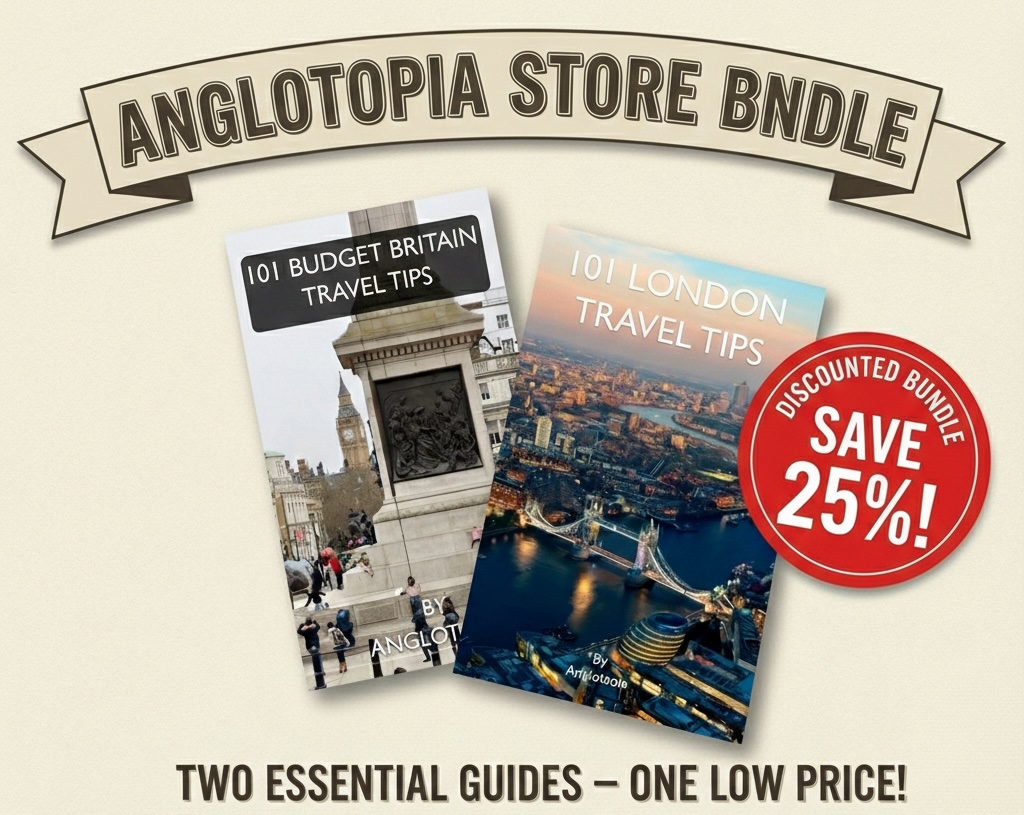
A budget-friendly vacation in Britain is achievable by leveraging regional travel passes, booking "advance" rail tickets, and utilizing free world-class museums. By prioritizing local supermarkets for meals and choosing "hub" cities outside of central London, travelers can experience the UK's rich history and landscape for approximately £60–£110 per day in 2026.
Exploring Britain—encompassing England, Scotland, and Wales—often carries a reputation for being prohibitively expensive. While London consistently ranks among the world’s costliest cities, the rest of the island offers a wealth of affordable experiences for the savvy traveler. As we navigate the travel landscape of 2026, the key to an economical British holiday lies in understanding the "hidden" pricing structures of the national rail system, the ubiquity of free cultural institutions, and the regional price disparities that favor the North and West.
Success requires a shift in mindset: moving away from the "all-inclusive" tourist hubs and toward a more localized, strategic approach to transit, sustenance, and sightseeing. This guide breaks down the essential components of a low-cost British itinerary, ensuring that your sterling goes further without sacrificing the quintessential British experience.
Navigating Transportation Costs
Transportation is often the largest expense for visitors to Britain after airfare. However, the UK's transit network is highly fragmented, offering numerous opportunities for significant savings if you book correctly.
The Power of Railcards and Advance Tickets
In 2026, the British rail system remains the fastest way to traverse the country, but "walk-on" fares are notoriously expensive. To save money, travelers must prioritize Advance Tickets. These are released approximately 8 to 12 weeks before the date of travel and are sold at a fraction of the cost of "Anytime" tickets.
Furthermore, almost every traveler is eligible for a Railcard. Whether you are aged 16–30, over 60, or traveling as a pair (Two Together Railcard), these cards cost roughly £30 and provide a guaranteed 1/3 discount on most rail fares. If you plan on taking more than two long-distance trips (e.g., London to Edinburgh and back), the card pays for itself immediately.
Split Ticketing: The Legal Loophole
A unique quirk of the British rail system is that it is often cheaper to buy two or three tickets for segments of a single journey than one through-ticket. For example, a journey from London to Manchester might be cheaper if you buy a ticket from London to Crewe and another from Crewe to Manchester, even if you stay on the same train. In 2026, several websites and apps automate this "split ticketing" process, allowing travelers to save up to 40% on long-distance routes without changing their itinerary.
Coaches and Regional Bus Caps
For those with more time than money, the coach network—operated primarily by National Express and Megabus—is the ultimate budget savior. Fares between major cities can be as low as £5 if booked in advance. While the journey takes longer than the train, coaches are modern, equipped with Wi-Fi, and offer a much more predictable pricing structure.
Within cities and rural areas, look for regional bus caps. Many local authorities in 2026 have maintained fare-capping schemes (often around £2 for a single journey) to encourage public transport use. In London, the "Hopper Fare" allows unlimited bus and tram journeys within one hour for a single flat fee, provided you use the same contactless card or device.
Affordable Lodging Beyond the High Street
Accommodation costs in Britain vary wildly by season and location. To maintain a budget, you must look beyond traditional four-star hotels and explore the diverse range of alternative stays.
Strategic Use of Budget Hotel Chains
Britain has two dominant budget hotel chains that offer consistent quality at low prices: Premier Inn and Travelodge. These are not glamorous, but they are clean, functional, and ubiquitous. The trick is to book their "Saver Rates" months in advance. Unlike boutique hotels, these chains often place their properties near major transit hubs or slightly outside city centers, providing significant savings for those willing to commute 15 minutes.
University Rooms and Hostels
During the summer months (June to September) and Easter breaks, many universities in cities like London, Edinburgh, and Cardiff open their student dormitories to the public. These rooms are often centrally located and provide a private room (sometimes with an en-suite) for a fraction of a hotel’s price.
For solo travelers, the Youth Hostels Association (YHA) and independent hostels remain the gold standard. In 2026, many UK hostels have evolved into "poshtels," offering private pods and high-end communal areas. Booking a bed in a dormitory remains the absolute cheapest way to stay in high-demand areas like the Lake District or the Scottish Highlands.
Hub Cities and Commuter Towns
One of the most effective budget strategies is staying in "hub" cities. Instead of staying in the heart of Oxford or Cambridge, where prices are inflated by tourism, consider staying in nearby towns with quick rail links. Staying in Glasgow instead of Edinburgh, or Sheffield instead of the Peak District, can halve your accommodation costs while still providing easy access to primary attractions.
Culinary Britain on a Shoestring
Eating out in Britain can quickly drain a budget, but the rise of "grab-and-go" culture and supermarket competition provides several high-value alternatives.
The Supermarket Meal Deal
The "Meal Deal" is a British cultural institution. Most major supermarkets (Tesco, Sainsbury’s, Boots, and Morrisons) offer a combination of a sandwich/wrap/salad, a snack, and a drink for a fixed price, usually between £3.50 and £5.00. This is the most cost-effective way to handle lunch while on the move.
Pub Culture and Value Menus
While "gastropubs" can be expensive, many traditional pubs—particularly the JD Wetherspoon chain—offer incredibly low-priced meals. While they lack the charm of a local independent pub, they provide consistent, calorie-dense meals (like a burger and a pint) for under £10. For a more authentic experience, look for independent pubs offering "Sunday Roasts," which are often large enough to serve as your main meal for the day.
Food Waste Apps and Markets
In 2026, apps like Too Good To Go are essential for budget travelers. These apps allow you to purchase "Magic Bags" of unsold food from cafes, bakeries, and grocery stores at the end of the day for a third of the retail price. Additionally, local markets (not the tourist-centric ones like Borough Market in London) offer affordable fresh produce and street food.
Low-Cost Exploration: Culture and Nature
Britain offers a staggering amount of world-class entertainment for zero cost. Understanding which attractions are subsidized by the government is key to a rich itinerary.
Free National Museums
Most major national museums in the UK are free to enter. This includes icons such as:
- The British Museum (London)
- The National Gallery (London)
- The National Museum of Scotland (Edinburgh)
- The National Museum Wales (Cardiff)
- The Science and Industry Museum (Manchester)
While they often request a donation, entry is technically free, providing hours of high-quality entertainment and education.
The Two-for-One Rail Offer
A long-standing but often overlooked discount is the "National Rail 2FOR1" offer. If you have a valid paper rail ticket (or a digital equivalent from a train operating company), you can get two-for-one entry at hundreds of major attractions, including the Tower of London, various zoos, and botanical gardens. This effectively halves the entry price for couples or friends traveling together.
Membership Passes for Extended Stays
If you plan to visit multiple historic sites, consider a temporary "Touring Pass" from the National Trust or English Heritage. For a one-off fee, these passes grant access to hundreds of castles, stately homes, and gardens. If you intend to see more than three or four such sites in a fortnight, the pass pays for itself.
Comparative Daily Budget Estimates (2026)
The following table compares two styles of budget travel to help you plan your daily allowance.
| Expense Category | The Backpacker (GBP) | The Budget Mid-Range (GBP) | Top Savings Tip |
|---|---|---|---|
| Accommodation | £25 - £40 (Hostel/Dorm) | £65 - £95 (Budget Hotel) | Book "Saver" rates 3+ months early. |
| Transport | £5 - £15 (Coach/Local Bus) | £20 - £35 (Railcard Trains) | Use Split-Ticketing apps for every rail journey. |
| Food & Drink | £15 - £20 (Supermarkets) | £30 - £45 (Pubs/Cafes) | Use "Too Good To Go" for evening snacks. |
| Sightseeing | £0 - £10 (Free Museums) | £15 - £25 (Discounted Sites) | Use the 2FOR1 National Rail vouchers. |
| Total Daily | £45 - £85 | £130 - £200 | Focus on Northern England/Wales for lower costs. |
Regional Budgeting: Where Your Money Goes Further
Geography is the most significant factor in British pricing. The "North-South Divide" is a real economic phenomenon that travelers can use to their advantage.
- London and the South East: The most expensive region. Limit your time here if on a tight budget. Use the "Tube" sparingly and walk between central attractions to save on fares.
- Northern England (Manchester, Liverpool, Leeds, Newcastle): These cities offer a high density of culture, nightlife, and history at roughly 60-70% of London's prices. The "Northern Powerhouse" cities are excellent bases for exploring national parks like the Peak District or the Yorkshire Dales.
- Wales: Cardiff and the surrounding valleys offer some of the most affordable urban and rural experiences in Britain. Castles in Wales are often cheaper to visit than their English counterparts.
- Scotland: While Edinburgh is pricey (especially during the August Fringe Festival), the rest of Scotland offers incredible value, particularly for those interested in hiking and the outdoors. Note that Scotland has different laws regarding "Right to Roam," making it a premier destination for low-cost wild camping (when done responsibly).
Essential Apps and Digital Survival
In 2026, Britain is almost entirely cashless. You will need a smartphone and a fee-free travel card (like Monzo, Revolut, or Starling) to avoid currency exchange commissions.
- Citymapper: The best app for navigating public transport in major cities. It includes real-time prices and "rain-safe" walking routes.
- The Trainline / TicketySplit: Essential for finding the cheapest rail fares and implementing split-ticketing strategies.
- National Trust App: Helps you locate free or member-accessible green spaces and historic sites near your current location.
- Weather Apps (Met Office): Crucial for budget travel. Knowing when to utilize free outdoor parks versus free indoor museums can save you from spending money on "emergency" indoor entertainment during a downpour.
Common Financial Mistakes to Avoid
- Tipping Culture: Tipping is not mandatory in Britain as it is in the US. In most restaurants, a 12.5% "service charge" is added to the bill automatically. You are not expected to tip on top of this, and you do not need to tip at pubs when ordering at the bar.
- Airport Transfers: Avoid the "Express" trains (like the Heathrow Express). They are significantly more expensive than standard commuter lines (like the Elizabeth Line or the Piccadilly Line) while saving only a few minutes of travel time.
- Currency Exchange: Never exchange physical cash at airports or high-street kiosks. Use a contactless card or withdraw small amounts from bank-affiliated ATMs to get the mid-market exchange rate.
Frequently Asked Questions
Is London possible on a budget?
Yes. By staying in Zones 3 or 4, visiting free museums, and utilizing the "Meal Deal" for lunch, you can keep costs manageable. Focus your spending on one "bucket list" item (like a West End show with "last-minute" discounted tickets) rather than trying to do every paid attraction.
How much should I budget for a 2-week trip?
For a budget-conscious traveler using hostels and coaches, £1,000–£1,200 (excluding international flights) is a comfortable baseline for 2026. For a mid-range budget using private rooms and trains, aim for £2,000–£2,500.
Are BritRail passes worth it for international tourists?
A BritRail pass is only worth it if you plan to travel on a different train every day or want complete flexibility. If you can commit to specific dates and times, booking "Advance" tickets with a Railcard is almost always cheaper than a BritRail pass.
When is the cheapest time to visit Britain?
The "shoulder seasons" of March to May and September to October offer the best balance of lower prices and manageable weather. January and February are the absolute cheapest months for accommodation, but many rural attractions may be closed or have limited hours.
Can I save money by renting a car?
Generally, no. Between the high cost of petrol (gas), expensive parking in cities, and "congestion charges" in places like London, public transport is almost always the more economical choice for solo travelers or couples. Car rentals only become cost-effective for families of four or those exploring remote parts of the Scottish Highlands or Cornwall.
Final Recommendation
To maximize your budget for a 2026 vacation in Britain, start by purchasing a Railcard online before you arrive and booking your long-distance travel at least eight weeks in advance. Focus your itinerary on the North of England and Wales to enjoy lower accommodation and dining costs, and dedicate your time in London to the vast array of free national museums. By combining supermarket "meal deals" with strategic pub dining and utilizing "Split Ticketing" for rail journeys, you can experience the depth of British culture without the premium price tag.