ATI Communications serves as a critical systems integrator for the modern healthcare landscape, bridging the gap between high-speed telecommunications infrastructure and the specialized requirements of biomedical data exchange. In 2026, this role is essential for maintaining secure, low-latency, and interoperable messaging environments that support real-time clinical decision-making and automated patient monitoring.
The Landscape of Biomedical Messaging in 2026
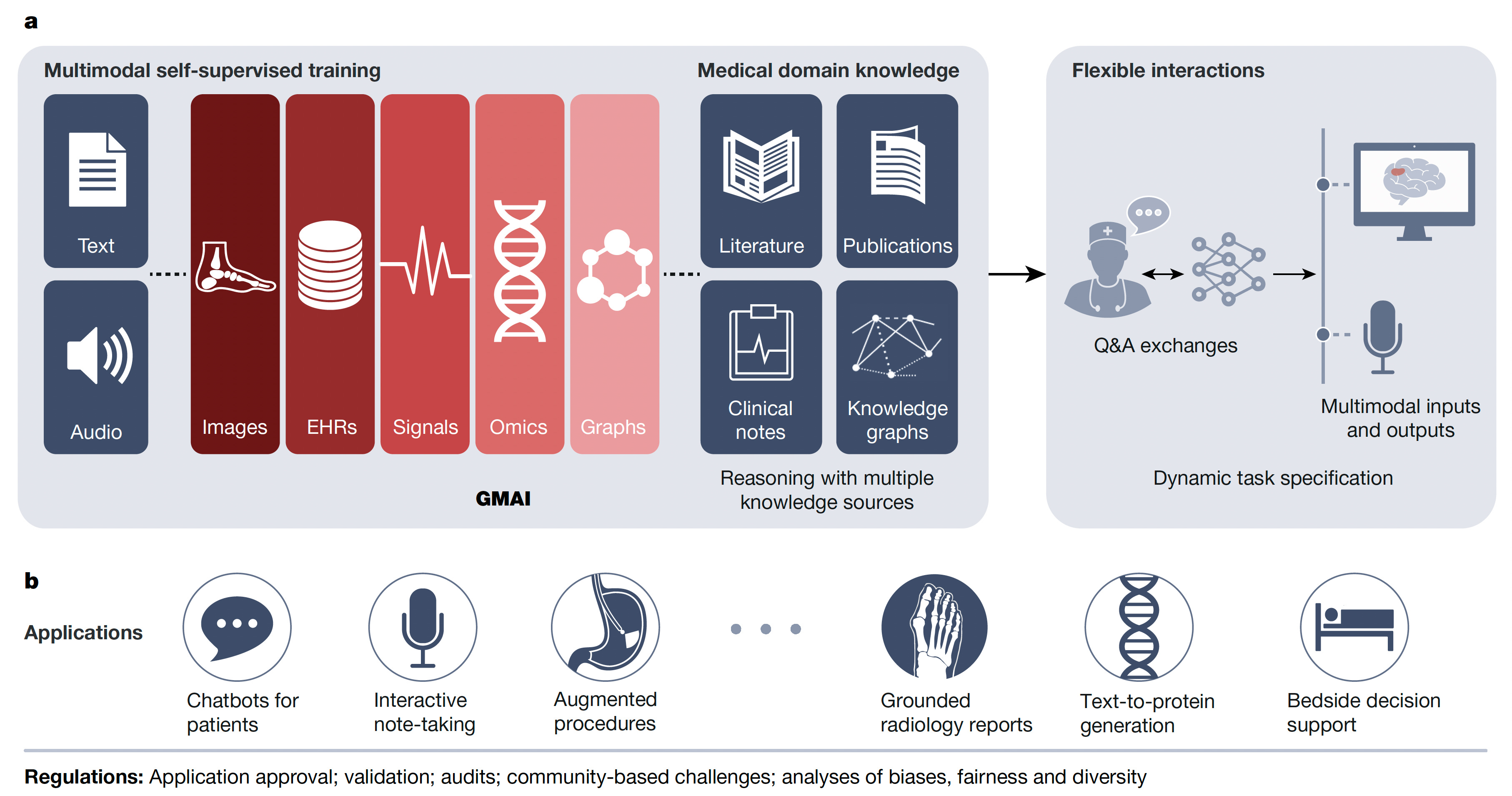
The definition of "messaging" within the biomedical field has undergone a radical transformation over the last decade. While the term once referred primarily to secure SMS or pager replacements for clinicians, it now encompasses a vast, multi-layered ecosystem of data transmission. Today, biomedical messaging includes the real-time streaming of high-fidelity physiological data from Internet of Medical Things (IoMT) devices, the automated transmission of genomic sequences to research databases, and the immediate delivery of AI-generated clinical alerts.
As of 2026, the volume of data generated per patient bed has increased by nearly 400% compared to five years ago. This surge is driven by the ubiquity of continuous monitoring systems and the integration of high-resolution imaging directly into the diagnostic workflow. Consequently, the "messaging" infrastructure is no longer just a software application on a smartphone; it is the underlying network and protocol layer that ensures a life-critical alert reaches a surgeon’s wearable device with sub-millisecond latency.
The Shift from Notification to Contextual Intelligence
In the current environment, the focus has shifted from simple delivery—ensuring a message arrives—to contextual intelligence. Modern biomedical messaging systems are designed to understand the priority of the data being sent. For example, a routine laboratory result is prioritized differently than a telemetry alert indicating ventricular fibrillation. ATI Communications plays a pivotal role here by implementing Quality of Service (QoS) protocols at the network level, ensuring that critical biomedical packets are never throttled or delayed by non-essential administrative traffic.
The Role of ATI Communications in Clinical Infrastructure
ATI Communications operates at the intersection of hardware and software, providing the "connective tissue" for hospital systems, research laboratories, and outpatient clinics. Their involvement is typically categorized into three main pillars: connectivity reliability, architectural security, and systems integration.
Connectivity Standards: 5G-Advanced and Private Networks
By 2026, the rollout of 5G-Advanced (3GPP Release 18 and 19) has provided the necessary bandwidth and reliability for "untethered" hospitals. ATI Communications specializes in the deployment of Private 5G networks within biomedical facilities. Unlike public cellular networks, these private installations offer:
- Dedicated Spectrum: No interference from external consumer devices, ensuring 99.999% uptime for medical devices.
- Edge Integration: Data processing occurs on-site (at the "edge"), which is vital for applications like remote robotic surgery where latency must be virtually non-existent.
- Slicing Capabilities: The ability to "slice" the network, creating virtual lanes dedicated exclusively to biomedical messaging and IoMT traffic.
Edge Computing and Latency Reduction
In the context of biomedical messaging, "the cloud" is often too far away. When a patient in an ICU triggers a sophisticated AI algorithm to predict sepsis, the round-trip time to a central server can be the difference between life and death. ATI Communications implements edge computing nodes—miniaturized data centers located within the facility—that process messaging data locally. This architecture reduces the physical distance data must travel, ensuring that biomedical alerts are processed and delivered in real-time.
Core Technologies Powering the Future
The "Future of Biomedical Messaging" is underpinned by several key technologies that have reached maturity in 2026. Understanding these is essential for any facility looking to modernize its communication stack.
Interoperability via HL7 FHIR and SMART on FHIR
Interoperability has long been the "holy grail" of healthcare. In 2026, HL7 FHIR (Fast Healthcare Interoperability Resources) Release 6 has become the global standard for biomedical messaging. ATI Communications facilitates the transition from legacy HL7 v2 (which used cumbersome, non-human-readable segments) to the modern, RESTful API-based FHIR structures.
This allows for "Biomedical Messaging" to be truly vendor-neutral. A monitor from one manufacturer can "message" a patient's Electronic Health Record (EHR) from a different developer without the need for custom, expensive middleware. ATI’s role involves configuring the gateways that translate these diverse data streams into a unified FHIR-compliant language.
Artificial Intelligence and Natural Language Processing (NLP)
Modern messaging platforms now include an "AI Layer." When a physician receives a message about a patient’s deteriorating condition, the AI has already:
- Analyzed the patient’s history.
- Summarized the last six hours of nursing notes using NLP.
- Suggested the most likely diagnostic path based on current biomedical data.
This reduces "alarm fatigue," a significant issue in 2020-2024 where clinicians were overwhelmed by non-critical notifications. By 2026, ATI-integrated systems use machine learning to filter out noise, ensuring that messaging is actionable and high-value.
Security, Compliance, and Data Sovereignty
As biomedical messaging becomes more complex, the surface area for cyberattacks increases. In 2026, the industry has moved beyond simple password protection to a Zero Trust Architecture (ZTA).
Zero Trust and Identity Management
In a Zero Trust environment, no device or user is trusted by default, even if they are inside the hospital’s physical perimeter. ATI Communications implements advanced identity and access management (IAM) solutions where every message sent—be it a text between doctors or a data packet from an insulin pump—is encrypted, authenticated, and authorized.
Quantum-Resistant Encryption
With the theoretical and practical advancements in quantum computing by 2026, the biomedical field has begun adopting quantum-resistant encryption algorithms. Because medical data is "long-lived" (it must remain confidential for decades), protecting it against future decryption capabilities is a current priority for ATI's security architects.
Comparison: Legacy vs. Modern Biomedical Messaging (2026 Standards)
| Feature | Legacy Messaging (Pre-2022) | Modern ATI-Enabled Messaging (2026) |
|---|---|---|
| Primary Protocol | Pagers / Standard SMS / HL7 v2 | HL7 FHIR / Secure WebSockets / 5G-Advanced |
| Data Type | Text-heavy / Simple alerts | Multimodal (Video, Waveforms, AI-Summaries) |
| Latency | 2-10 Seconds (Variable) | < 10 Milliseconds (Consistent) |
| Integration | Siloed / Custom Middleware | Native API / SMART on FHIR |
| Security | Perimeter-based (VPN/Firewall) | Zero Trust Architecture (ZTA) |
| Primary Hardware | Desktop / Handheld Pager | Wearables / AR-HUDs / Integrated IoMT |
Practical Implementation Steps for Healthcare Providers
Transitioning to a modern biomedical messaging infrastructure requires a phased approach. ATI Communications typically recommends the following roadmap for 2026:
- Infrastructure Audit: Assess current fiber and wireless capacity. Most legacy Wi-Fi 5/6 systems are insufficient for the density of 2026 biomedical devices.
- Protocol Standardization: Move all internal data exchange to FHIR-based APIs. This eliminates "data graveyards" where information is stored but not accessible.
- Edge Implementation: Deploy localized compute resources to handle AI processing and real-time telemetry.
- Security Overhaul: Shift from VPN-based remote access to a ZTA model that validates every transaction.
- Staff Training: The most advanced messaging system is useless if the clinical staff finds it intrusive. Implementation must include UI/UX optimization for clinicians.
Challenges and Considerations
Despite the technological leaps, several hurdles remain in the future of biomedical messaging.
- Technical Debt: Many rural or underfunded hospitals still operate on infrastructure from the early 2010s. Bridging the gap between "State-of-the-art" and "Legacy-functional" is a primary challenge for integrators like ATI.
- Regulatory Evolution: As messaging platforms begin to incorporate AI-driven diagnostics, they move closer to being classified as "Software as a Medical Device" (SaMD). This introduces complex FDA (or equivalent) regulatory oversight requirements that must be managed.
- Data Sovereignty: In a globalized research environment, moving biomedical messages across borders triggers strict GDPR and local data residency laws. Messaging systems must now be "location-aware."
Future Projections: 2027 and Beyond
Looking past 2026, the trajectory of biomedical messaging is moving toward holographic and immersive data exchange. We are seeing the early stages of "Digital Twin" messaging, where a patient’s real-time biomedical data is used to maintain a virtual model that clinicians can interact with. In this scenario, the "message" is no longer a notification, but a continuous update to a three-dimensional representation of a human life.
ATI Communications is already testing 6G prototypes that utilize terahertz frequencies, promising bandwidth that will allow for the transmission of full-body, high-definition holographic telepresence—enabling a specialist in one continent to "stand" in an operating room on another, viewing real-time biomedical data overlays in their field of vision.
FAQ
What exactly is ATI Communications' role in biomedical messaging?
ATI Communications acts as the infrastructure and systems integrator. They do not necessarily build the messaging app itself, but they design and maintain the secure networks (5G, Fiber), edge computing nodes, and interoperability gateways that allow biomedical data to flow securely and instantaneously between devices and providers.
How does HL7 FHIR change biomedical messaging in 2026?
FHIR (Fast Healthcare Interoperability Resources) allows different medical systems to "talk" to each other using modern web standards. In 2026, this means that a message containing a patient's vital signs can be sent from a bedside monitor directly into a specialist's smartphone app, an AI diagnostic tool, and the hospital's billing system simultaneously without custom coding for each link.
Is biomedical messaging secure against modern cyber threats?
In 2026, security is handled through Zero Trust Architecture. This means every single message packet is verified. Additionally, providers like ATI are implementing quantum-resistant encryption to ensure that intercepted data cannot be decrypted by future high-powered computers.
Can old hospital equipment be integrated into these new messaging systems?
Yes, through the use of IoT gateways. These devices act as translators, taking the legacy output of older machines (like serial data or HL7 v2) and converting it into modern FHIR-compliant packets that can be used by 2026 messaging platforms.
How does 5G-Advanced improve patient care?
5G-Advanced provides the reliability and low latency needed for "mission-critical" messaging. It allows for high-density device environments (thousands of sensors in a small area) and supports ultra-reliable low-latency communication (URLLC), which is essential for remote monitoring and robotic intervention.
Practical Recommendation
For healthcare executives and clinical IT directors in 2026, the priority should be infrastructure elasticity. The future of biomedical messaging is not defined by a single software purchase, but by a network's ability to handle exponential data growth.
Work with a systems integrator like ATI Communications to move away from centralized, "cloud-only" models toward a Hybrid Edge-Cloud architecture. This ensures that your facility maintains the speed required for life-saving alerts while leveraging the vast processing power of the cloud for long-term population health analytics. Ensure that every new hardware purchase is FHIR-native to avoid the high costs of future retrofitting.