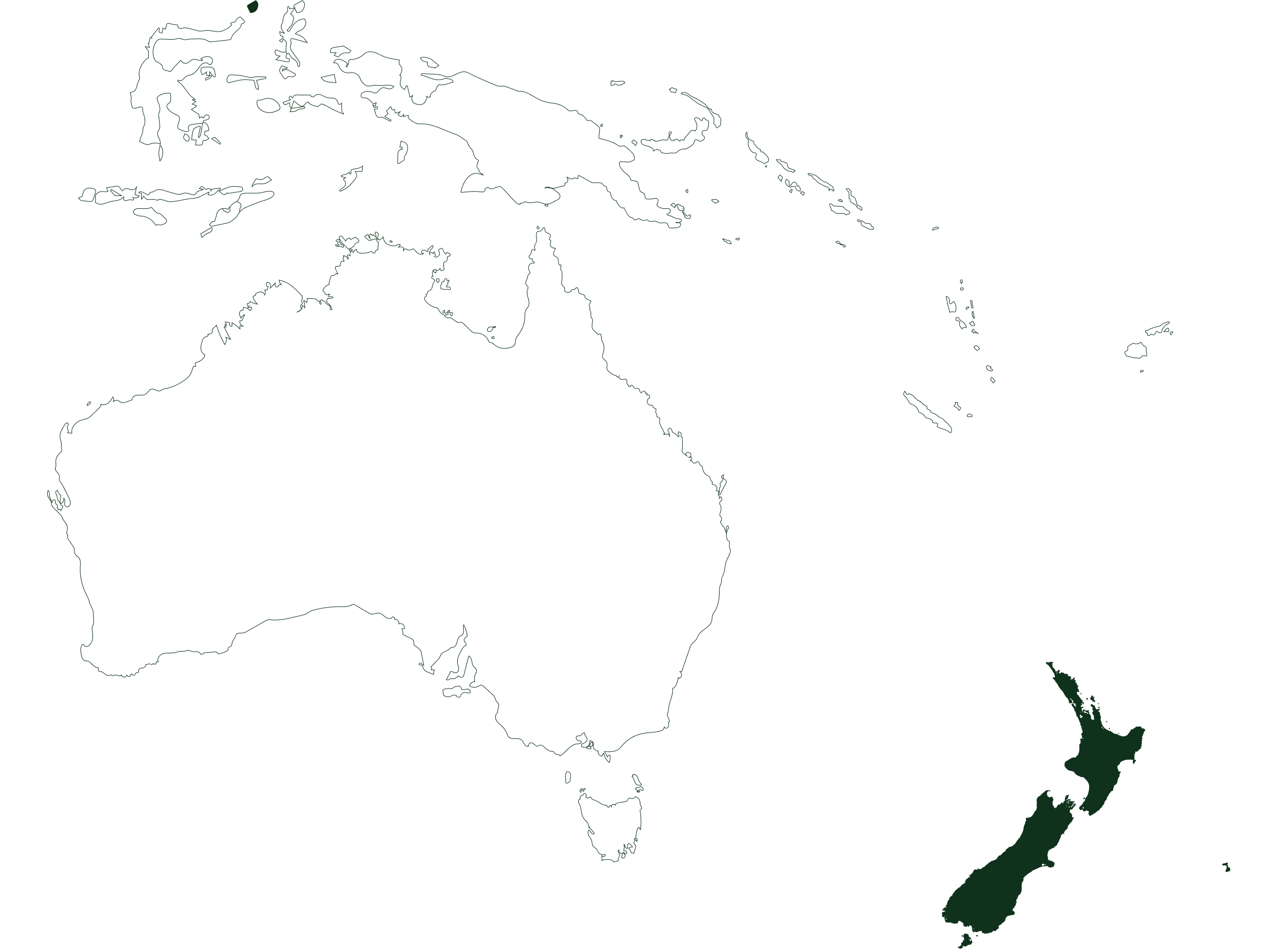
Seeking asylum in New Zealand involves a formal legal process to be recognized as a refugee or a protected person under international and domestic law. Applicants must demonstrate a well-founded fear of persecution or a real risk of significant harm in their home country to obtain legal residency and protection.
New Zealand has a long-standing commitment to international human rights, governed primarily by the Immigration Act 2009. This legislation incorporates the 1951 Convention Relating to the Status of Refugees and its 1967 Protocol. As of 2026, the process remains rigorous, requiring detailed evidence and adherence to specific procedural steps managed by Immigration New Zealand (INZ) and the Refugee Status Unit (RSU).
Understanding Refugee and Protection Status
In the New Zealand legal context, there is a distinction between a "refugee" and a "protected person." While both statuses offer a pathway to remain in the country safely, they are grounded in different international legal instruments.
Refugee Status
A person is recognized as a refugee if they meet the criteria set out in the 1951 Refugee Convention. This requires the individual to be outside their country of nationality and unable or unwilling to return due to a well-founded fear of being persecuted. This persecution must be based on one of five specific grounds:
- Race
- Religion
- Nationality
- Membership in a particular social group
- Political opinion
Protected Person Status
New Zealand also provides protection to individuals who may not meet the strict "persecution" definition of the Refugee Convention but still face grave danger. This status is based on the Convention Against Torture (CAT) and the International Covenant on Civil and Political Rights (ICCPR). A person may be recognized as a protected person if there are substantial grounds for believing they would be in danger of:
- Torture
- Arbitrary deprivation of life
- Cruel, inhuman, or degrading treatment or punishment
The RSU assesses both refugee and protection claims simultaneously during the application process.
Eligibility and Initial Requirements
To apply for asylum (referred to officially as a "claim for refugee or protection status"), an individual must be physically present in New Zealand. You cannot apply for asylum from outside the country’s borders. Those outside New Zealand seeking resettlement should generally engage with the United Nations High Commissioner for Refugees (UNHCR) for the Refugee Quota Programme, which is a separate process.
Who Can Apply?
Any person in New Zealand, regardless of their current visa status (even if they are unlawful), can make a claim for refugee or protection status. However, certain exclusions apply under Section 134 of the Immigration Act 2009. These typically involve individuals who have committed:
- Crimes against peace, war crimes, or crimes against humanity.
- Serious non-political crimes outside New Zealand prior to admission.
- Acts contrary to the purposes and principles of the United Nations.
The Importance of Truthfulness
The integrity of the asylum system relies heavily on the credibility of the claimant. As of 2026, Immigration New Zealand utilizes sophisticated biometric data and cross-agency information sharing to verify identities. Any evidence of fraud or material misrepresentation can lead to the immediate decline of a claim and potential prosecution or deportation.
The Step-by-Step Application Process
The journey from claimant to recognized refugee is often lengthy, frequently taking several months or even years depending on the complexity of the case and the current backlog at the RSU.
1. Making the Initial Claim
The process begins the moment you inform an official that you wish to seek asylum. This can happen at the airport or seaport upon arrival, or at an Immigration New Zealand office if you are already in the country.
You will be required to complete Form NZIS 1019 (Confirmation of Claim to Refugee or Protection Status). This form asks for biographical details, your travel history, and a preliminary summary of why you are seeking protection.
2. The Written Statement and Evidence
Following the initial claim, you must provide a comprehensive written statement. This is arguably the most critical document in your application. It should detail:
- Your personal history and background.
- The specific events that led to your departure.
- Why you fear returning to your home country.
- Any evidence supporting your claims (e.g., police reports, medical records, news articles, or witness statements).
3. The RSU Interview
The Refugee Status Unit will schedule an interview with a Refugee Status Officer (RSO). This is a formal, non-adversarial meeting where the officer will ask detailed questions about your claim.
- Interpreters: If you are not fluent in English, the RSU will provide a professional interpreter at no cost to you.
- Legal Representation: You have the right to have a lawyer or a representative present. In New Zealand, many asylum seekers are eligible for Legal Aid to help cover the costs of a specialized refugee lawyer.
- Confidentiality: The interview is strictly confidential. Information shared will not be disclosed to the government of your home country.
4. The Decision
After the interview and an assessment of "country of origin information," the RSO will issue a written decision. This report explains whether you have been recognized as a refugee or protected person and the legal reasoning behind the choice.
Comparison of Protection Pathways
| Feature | Refugee Status (1951 Convention) | Protected Person (CAT/ICCPR) |
|---|---|---|
| Legal Basis | 1951 Refugee Convention | CAT and ICCPR |
| Primary Criteria | Persecution based on 5 grounds | Risk of torture or death |
| Location of Claim | Onshore (in New Zealand) | Onshore (in New Zealand) |
| Right to Work | Available via Work Visa | Available via Work Visa |
| Path to Residency | High (Permanent Residency) | High (Permanent Residency) |
| Family Reunification | Available under specific categories | Available under specific categories |
Rights and Support for Asylum Seekers
While waiting for a decision, asylum seekers in New Zealand have certain rights and access to essential services to ensure their well-being.
Work and Study Rights
Asylum seekers can apply for a work visa while their claim is being processed. Typically, these visas are granted if the claim is deemed "not clearly abusive" and has been officially acknowledged by the RSU. This allows claimants to support themselves financially. Children of asylum seekers are generally entitled to attend primary and secondary schools as domestic students.
Healthcare and Social Support
In 2026, asylum seekers in New Zealand continue to have access to publicly funded health services for necessary treatments. For psychological support, organizations such as Refugees as Survivors New Zealand (RASNZ) provide specialized mental health and clinical services for those who have experienced trauma or torture.
Housing and Accommodation
New Zealand does not generally use mandatory detention for asylum seekers. Most claimants live in the community. Those who have no means of support may be eligible for emergency housing or assistance through the Ministry of Social Development (MSD), although this is often limited and assessed on a case-by-case basis. The Mangere Refugee Resettlement Centre is primarily for quota refugees, but it may occasionally provide temporary facilities for onshore claimants under specific circumstances.
The Appeals Process: Immigration and Protection Tribunal
If the Refugee Status Unit declines your claim, you have the right to appeal to the Immigration and Protection Tribunal (IPT). The IPT is an independent body administered by the Ministry of Justice.
Filing an Appeal
You must lodge your appeal within a strict timeframe—usually 15 working days from the date you receive the RSU decision. The IPT will conduct a "de novo" hearing, meaning they look at the case fresh. They can consider new evidence that was not available at the time of the original RSU interview.
Judicial Review
If the IPT also declines the claim, the final legal avenue is a Judicial Review in the High Court. However, a Judicial Review does not look at whether the decision was "right," but rather whether the legal process was followed correctly. This is a complex legal stage that requires high-level legal expertise.
Common Challenges and Mistakes
The asylum process is legally complex and emotionally taxing. Avoiding common pitfalls can significantly impact the outcome of a claim.
- Inconsistency: Discrepancies between your oral testimony, your written statement, and your initial airport interview are often used to undermine credibility.
- Missing Deadlines: The New Zealand immigration system is strict regarding timeframes. Missing a filing deadline for an appeal can result in the loss of your right to remain in the country.
- Lack of Specificity: Vague claims about "general violence" in a country are rarely successful. The claim must be personal—why are you specifically at risk?
- Inadequate Legal Advice: Attempting to navigate the RSU or IPT without a qualified lawyer often leads to poorly prepared cases. Claimants should seek help from Community Law Centres or the New Zealand Law Society to find refugee specialists.
Practical Recommendations for Claimants
- Seek Legal Counsel Immediately: Contact a lawyer who specializes in refugee law. If you cannot afford one, apply for Legal Aid through the Ministry of Justice.
- Gather Documented Evidence: Collect any IDs, certificates, photos, or letters that prove your identity and the dangers you face. Digital copies stored securely in the cloud are recommended.
- Be Detailed in Your Statement: Write down your story chronologically. Include dates, locations, and names of people or organizations involved in your persecution.
- Maintain Contact with INZ: Always ensure Immigration New Zealand has your current address and phone number. Failing to respond to a letter can result in your claim being treated as abandoned.
- Access Community Support: Connect with NGOs like the Auckland Refugee Council or similar regional bodies for social and emotional support during the long waiting period.
Frequently Asked Questions
Can I be deported while my asylum claim is being processed? No. Under the principle of non-refoulement, New Zealand cannot legally deport you to a place where you face persecution or serious harm while your claim is under investigation. You are granted a temporary legal status to remain in the country until a final decision is reached.
How long does the asylum process take in New Zealand? As of 2026, the processing time varies. An initial decision from the Refugee Status Unit (RSU) typically takes between 6 to 12 months. If the case goes to the Immigration and Protection Tribunal (IPT) on appeal, the entire process can extend to 18–24 months or longer.
Can I include my family in my asylum application? Yes. You can include your spouse or partner and dependent children in your claim if they are also in New Zealand with you. If they are still overseas, you cannot include them in the initial claim, but if you are granted refugee status, you may be able to sponsor them under the Refugee Family Support Category.
What happens if my claim is successful? If you are recognized as a refugee or protected person, you can apply for a permanent resident visa. This allows you to live, work, and study in New Zealand indefinitely and provides a pathway to New Zealand citizenship.
Is there a cost to apply for asylum in New Zealand? There is no application fee for claiming refugee or protection status with Immigration New Zealand. However, you may incur costs related to gathering evidence, obtaining translations of foreign documents, or hiring a private lawyer if you do not qualify for Legal Aid.