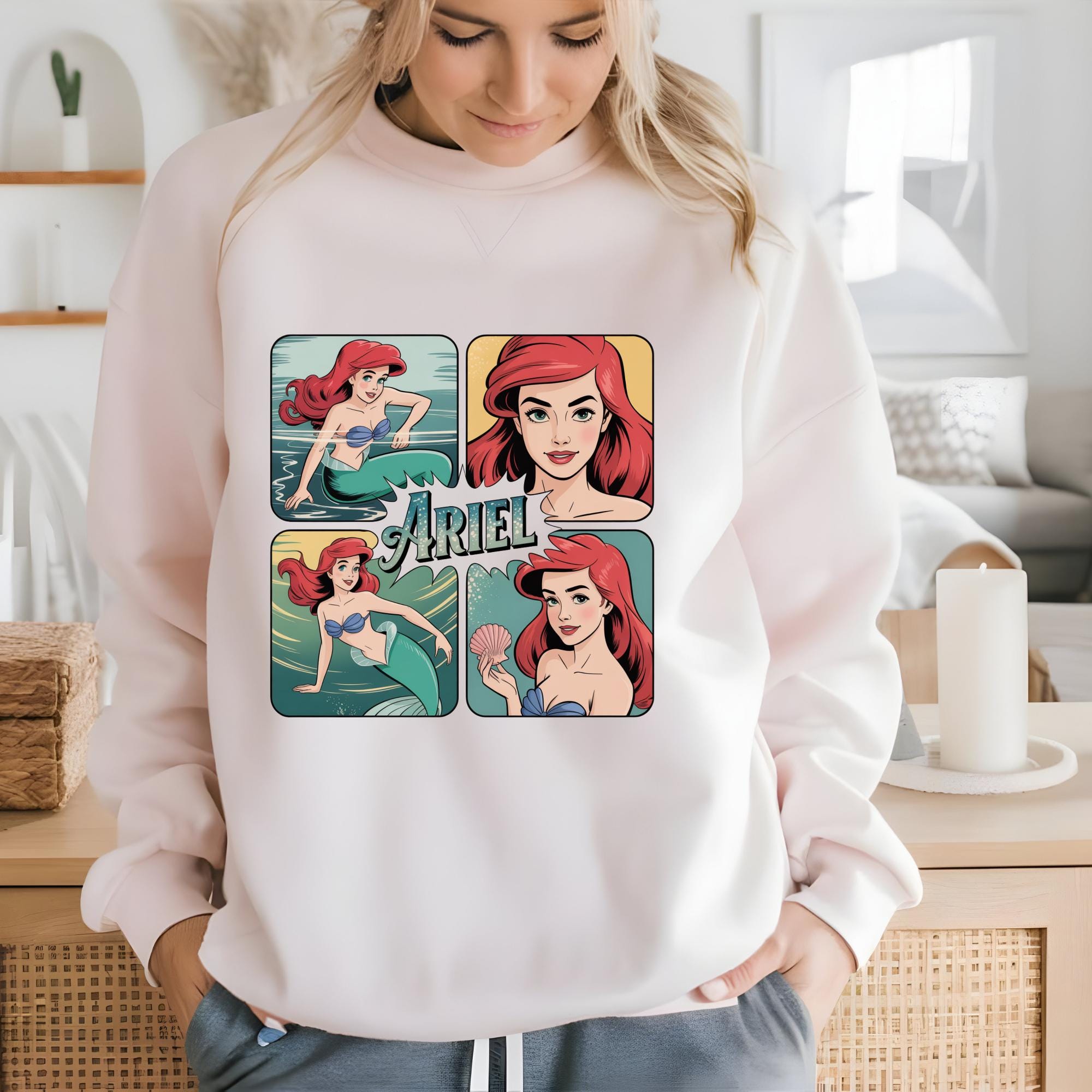
Ariel’s red hair is more than a creative choice; in international trade law, it functions as a proprietary visual identifier. Through a trade law lens, this iconic feature is analyzed as trade dress and intellectual property (IP), protected by international treaties like TRIPS to ensure brand exclusivity and prevent consumer confusion in global markets.
The Intersection of Character Design and International Trade Law
In the realm of global commerce, characters are not merely artistic expressions; they are high-value exports. When Disney released the original animated The Little Mermaid in 1989, the decision to give Ariel vibrant red hair was a strategic branding move intended to distinguish her from other cinematic mermaids of the era. By 2026, this visual choice has evolved into a cornerstone of a multi-billion dollar licensing empire.
From a trade law perspective, Ariel’s red hair represents a "source identifier." When a consumer anywhere in the world sees a mermaid with that specific shade of red hair and a sea-green tail, they immediately associate the product with the Disney brand. This association is the bedrock of Trade Dress, a subset of trademark law that protects the visual appearance of a product or its packaging when that appearance signifies the product's origin to consumers.
In international trade, the protection of such identifiers is governed by a complex web of bilateral and multilateral agreements. These laws ensure that when Disney exports Ariel-branded merchandise—ranging from dolls in Tokyo to apparel in Paris—the distinctive "trade dress" of the character remains protected against unauthorized exploitation.
Trade Dress vs. Copyright: Defining the Red Hair
To understand Ariel’s red hair through a trade law lens, one must distinguish between copyright and trademark (specifically trade dress). While these two areas of law often overlap, they serve different functions in the international marketplace.
Copyright: Protecting the Expression
Copyright protects the specific artistic expression of the character. This includes the literal drawing of the red hair, the way it flows in the water, and the specific shades used in the animation. In trade, copyright prevents others from direct copying of the film frames or character sheets for their own commercial gain.
Trade Dress: Protecting the Brand Identifier
Trade dress is focused on the "look and feel" that identifies the source of the goods. Under the Lanham Act in the United States and similar statutes globally, for a feature like red hair to be protected as trade dress, it must be:
- Non-functional: The red hair doesn't make the doll work better; it is purely aesthetic and identifying.
- Distinctive: It must have "secondary meaning," where the public links the color/character combo specifically to one company.
In 2026, the trade law landscape continues to emphasize that aesthetic features can be "functional" if they are necessary for competition. However, Ariel’s red hair has consistently been treated as a non-functional, highly distinctive brand asset, allowing Disney to maintain a virtual monopoly on that specific mermaid aesthetic in the toy and entertainment trade sectors.
The TRIPS Agreement and Intellectual Property Protection in 2026
The most significant piece of international legislation affecting the "Ariel" asset is the Agreement on Trade-Related Aspects of Intellectual Property Rights (TRIPS). Administered by the World Trade Organization (WTO), TRIPS sets the minimum standards for IP regulation that member nations must provide.
As of 2026, TRIPS compliance remains a major hurdle in global trade negotiations. When a country fails to protect the trade dress of characters like Ariel, it can lead to trade sanctions or disputes within the WTO. The "red hair" becomes a point of contention in trade missions when counterfeit goods—unauthorized mermaids utilizing the same visual cues—flood a market.
Under TRIPS Article 15, any sign or combination of signs capable of distinguishing the goods or services of one undertaking from those of other undertakings shall be eligible for registration as a trademark. This includes visual configurations. Therefore, Ariel’s specific visual profile is a registered trade asset that must be respected by all WTO member states to maintain favorable trade relations.
Enforcement at the Border: Customs and Counterfeit Goods
One of the most practical applications of the trade law lens regarding Ariel is the role of Customs and Border Protection (CBP). Character merchandising is one of the most frequently counterfeited sectors in global trade.
When shipments of "mermaid dolls" arrive at international ports, customs officers use "Recordations" provided by rights holders. Disney records its trademarks and copyrights with customs agencies worldwide. These records often include specific visual descriptions. If a shipment contains dolls with Ariel’s signature red hair and green tail but lacks the proper licensing documentation, customs agents have the authority to seize the goods under the Proactive Enforcement mandates of modern trade agreements.
In 2026, AI-driven visual recognition software used by customs officials has made this process more efficient. These systems are trained to identify the "Ariel trade dress," flagging products that use the specific hair-and-fin color combination even if the word "Disney" or "Ariel" is nowhere on the packaging. This illustrates how a single visual feature becomes a gatekeeper in the physical flow of global trade.
Cultural Nuance and Trade Barriers: The Halle Bailey Shift
The 2023 live-action reimagining of The Little Mermaid, featuring Halle Bailey, introduced a new visual iteration of Ariel. From a trade law perspective, this was a significant event. While the character still retained a reddish hue in her hair (often described as "burnt orange" or "ginger-locs"), the departure from the 1989 neon-red aesthetic required a shift in trade dress strategy.
Expanding the Trademark Perimeter
From a branding and trade lens, having two distinct "Ariel" looks can actually strengthen a company’s market position. It allows the rights holder to claim a broader "trademark perimeter." Instead of owning just one specific shade of red hair, Disney now asserts control over the concept of "The Little Mermaid" in various diverse appearances, provided they are tied to the Disney narrative.
Market Access and Trade Sensitivity
The introduction of a new Ariel also highlighted how cultural perceptions impact trade. In some international markets, the change in the character’s appearance led to fluctuations in merchandise demand and, in extreme cases, localized "informal" trade barriers where retailers were hesitant to stock the new iteration. Trade law often has to navigate these "Non-Tariff Barriers," where cultural pushback affects the free movement of licensed IP.
Economic Impact of Character Branding in Global Export Markets
The "Ariel" brand is a significant contributor to the "Soft Power" exports of the United States. Intellectual property-intensive industries account for a massive portion of modern GDP. The ability to export a character and have its visual features (like the red hair) protected by law ensures a steady flow of royalty payments back to the country of origin.
| Trade Mechanism | Function in Ariel Brand Protection | Impact on Global Commerce |
|---|---|---|
| Licensing Agreements | Permits third-party manufacturers to use the red-hair imagery. | Generates billions in royalty revenue across borders. |
| Section 337 (USITC) | Investigates unfair competition and IP infringement in imports. | Can ban the importation of all infringing mermaid products. |
| Territoriality Principle | Trademarks must be registered in each individual country. | Requires complex legal filings in every market (EU, China, etc.). |
| Madrid Protocol | Simplifies the international registration of trademarks. | Allows Disney to protect Ariel's look in 120+ countries simultaneously. |
Comparative Analysis of Protection Methods
In 2026, the strategy for protecting character aesthetics has become multi-layered. It is no longer sufficient to rely on a single patent or copyright.
Intellectual Property Layering
Trade law experts recommend "layering" protections. For Ariel’s red hair, this involves:
- Copyright for the specific cinematic frames.
- Trademark for the name "Ariel."
- Trade Dress for the combination of red hair, purple shells, and green tail.
- Design Patents (in some jurisdictions) for the specific sculptural form of the dolls.
This layering creates a "thicket" of protection that makes it difficult for competitors in the trade arena to produce "look-alike" products without infringing on at least one legal pillar.
Common Challenges in Protecting Character Aesthetics Internationally
Despite robust international frameworks, several challenges persist in the trade of character-based goods.
The "Gray Market" and Parallel Imports
Parallel imports occur when genuine goods are purchased in one country (where prices are lower) and imported into another country without the rights holder’s permission. If Ariel dolls are cheaper in a developing market, a trader might buy them in bulk and export them to the US or UK. While the "red hair" is genuine, this "gray market" trade can disrupt authorized distribution networks and pricing strategies.
Jurisdictional Variations in "Fair Use"
What constitutes "parody" or "fair use" varies significantly by country. In some jurisdictions, a competitor might produce a "red-haired mermaid" and claim it is a parody of Disney, exempting them from trade dress infringement. Navigating these local variations is a constant challenge for global IP trade.
FAQ: Ariel and Trade Law
Does Disney own the color red for hair?
No, Disney does not own the color red. However, within the context of a "mermaid character used in entertainment and toys," they own the Trade Dress rights to that specific combination of features. Another company can create a red-haired character, but if that character looks too similar to Ariel—specifically if it confuses consumers into thinking it’s a Disney product—it constitutes an infringement in the eyes of trade law.
How does the 2026 trade environment affect Ariel’s IP?
By 2026, digital trade and 3D printing have made IP enforcement more difficult. Trade law has adapted by placing more responsibility on e-commerce platforms (like Amazon or Alibaba) to verify the "Trade Dress" of the items sold on their sites, ensuring that "Ariel-inspired" products do not cross the line into counterfeit territory.
Can the red hair enter the public domain?
The original Hans Christian Andersen story is in the public domain, but the visual elements created by Disney (like the red hair, which was not in the original book) are protected by copyright for 95 years from publication and by trademark/trade dress indefinitely, as long as they are being used in commerce.
Why is the red hair specifically mentioned in trade disputes?
It is often the most "glaringly similar" feature in counterfeit cases. In trade litigation, the "Polaroid Factors" are used to determine the likelihood of confusion. The "strength of the mark" (how famous the red hair is) and the "similarity of the marks" are key factors that lead to the seizure of goods at borders.
Practical Recommendation for Businesses in Character Trade
For businesses looking to navigate the waters of character licensing or product development in 2026, the "Ariel red hair" case serves as a vital blueprint. To avoid trade litigation and ensure market access, companies should:
- Conduct Comprehensive Freedom-to-Operate (FTO) Searches: Before launching any mermaid-themed product, analyze the existing trade dress registrations to ensure your visual design does not infringe on the "red hair/green fin" combination.
- Understand Territorial Limits: Remember that trade dress protection in the US does not automatically grant protection in China or Brazil. Each market requires its own legal strategy.
- Monitor the Secondary Market: Regularly audit e-commerce platforms and international shipping manifests for unauthorized use of proprietary visual identifiers.
- Leverage the Madrid Protocol: For small to medium enterprises, use the Madrid Protocol to streamline the registration of visual brand assets in multiple jurisdictions, ensuring your exports are protected before they leave the port.
The "trade law lens" reveals that Ariel's red hair is not just a stylistic choice, but a sophisticated legal instrument that facilitates global commerce, protects brand integrity, and defines the boundaries of international competition.