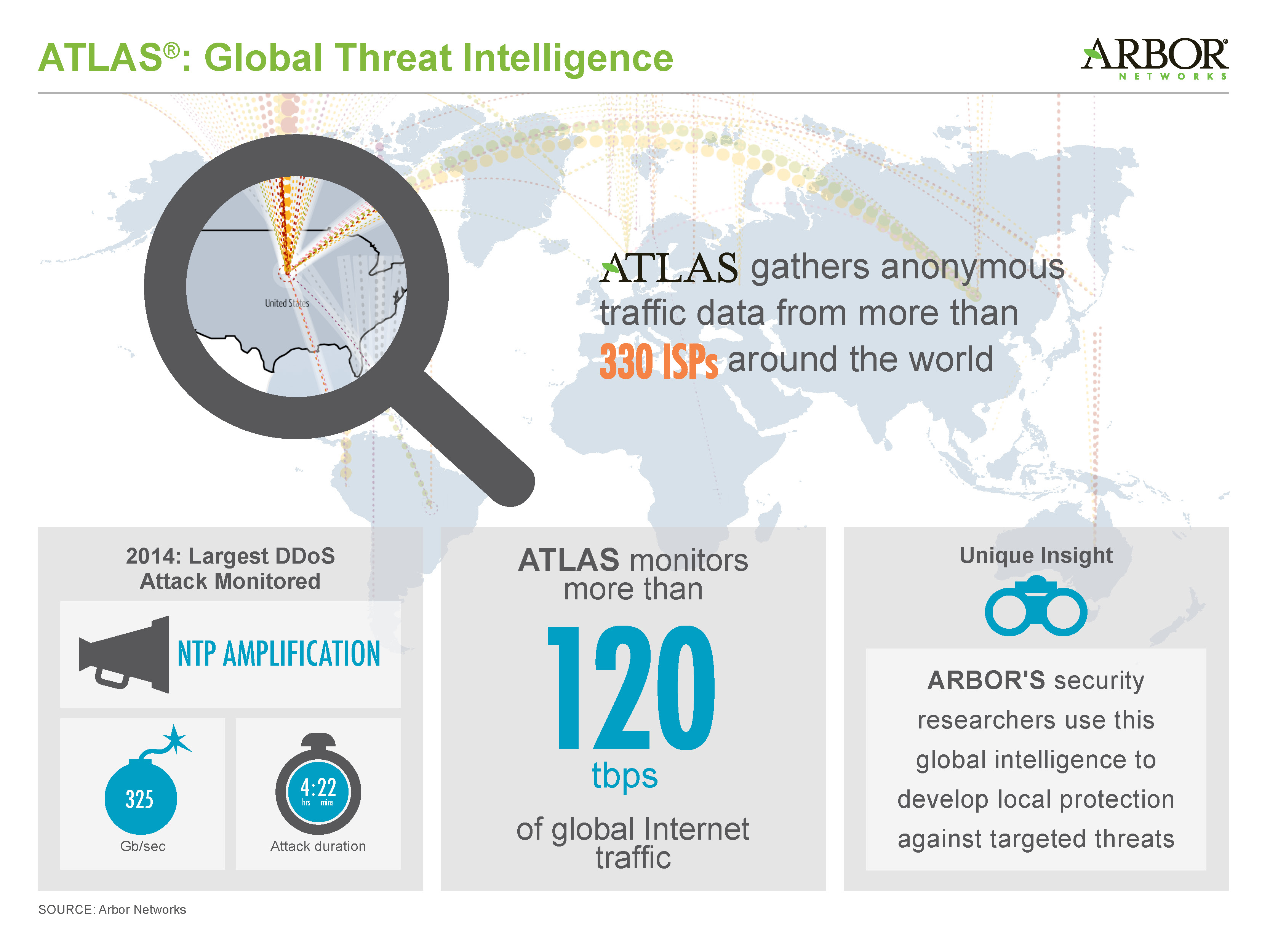
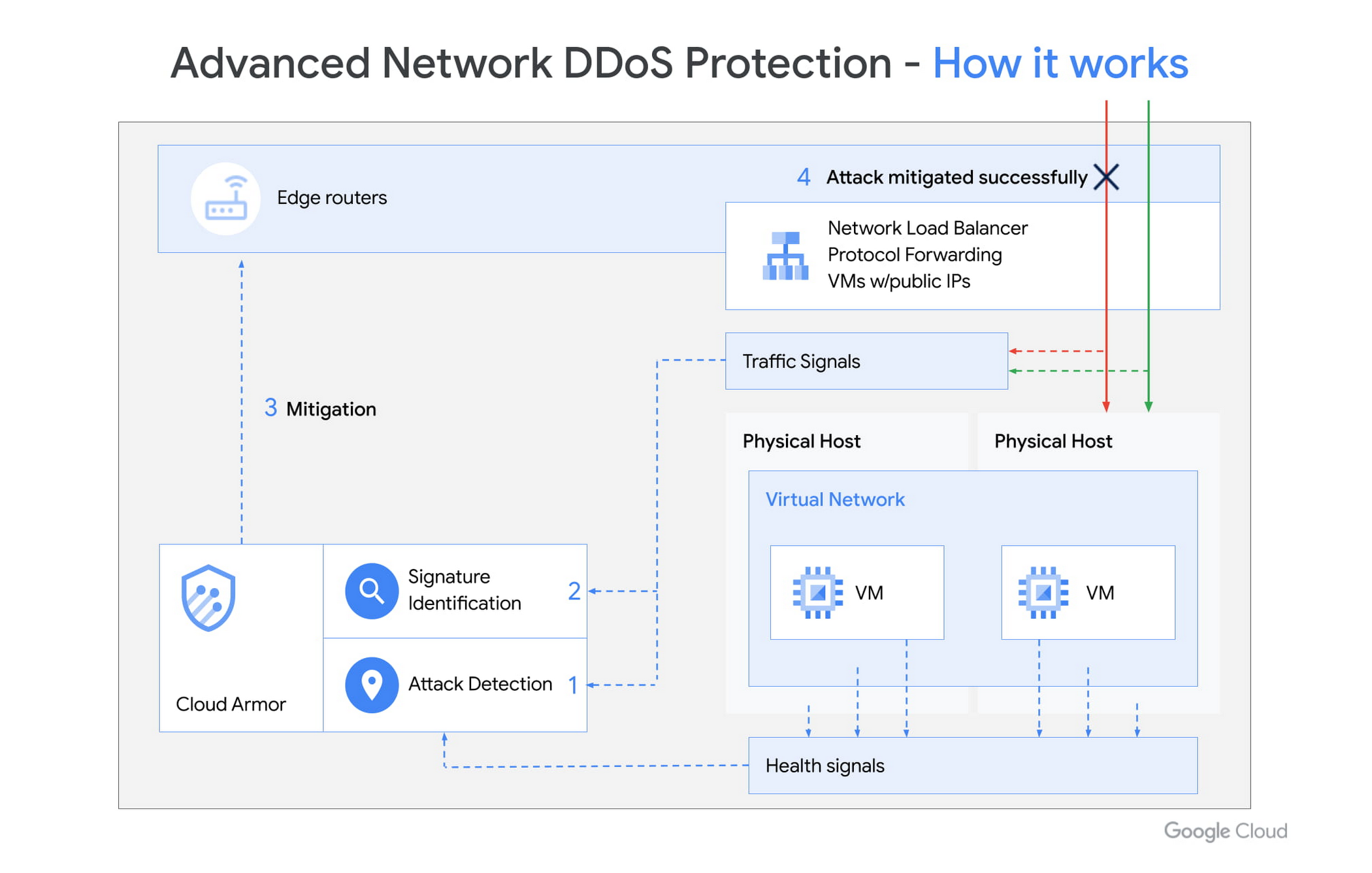
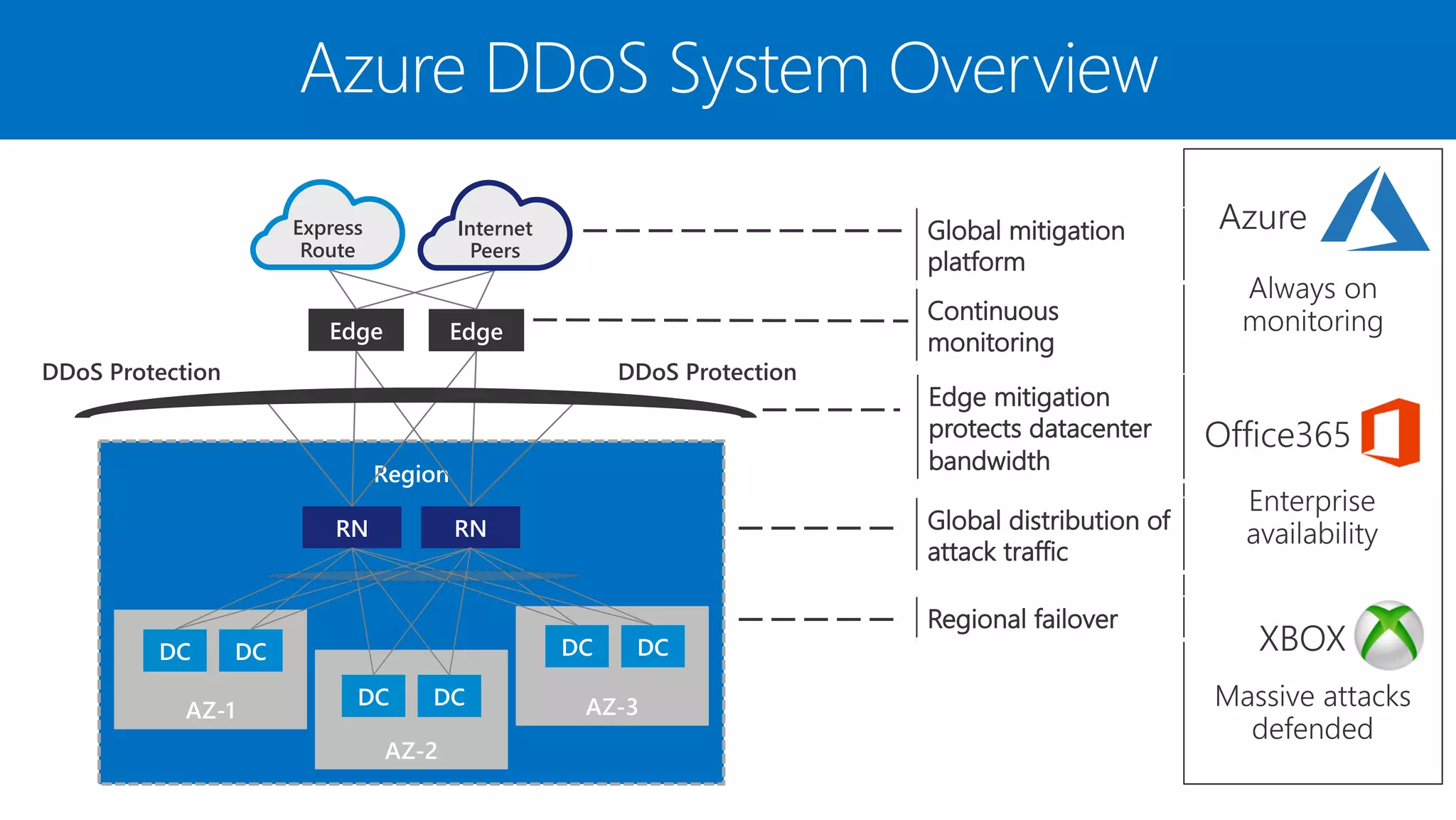
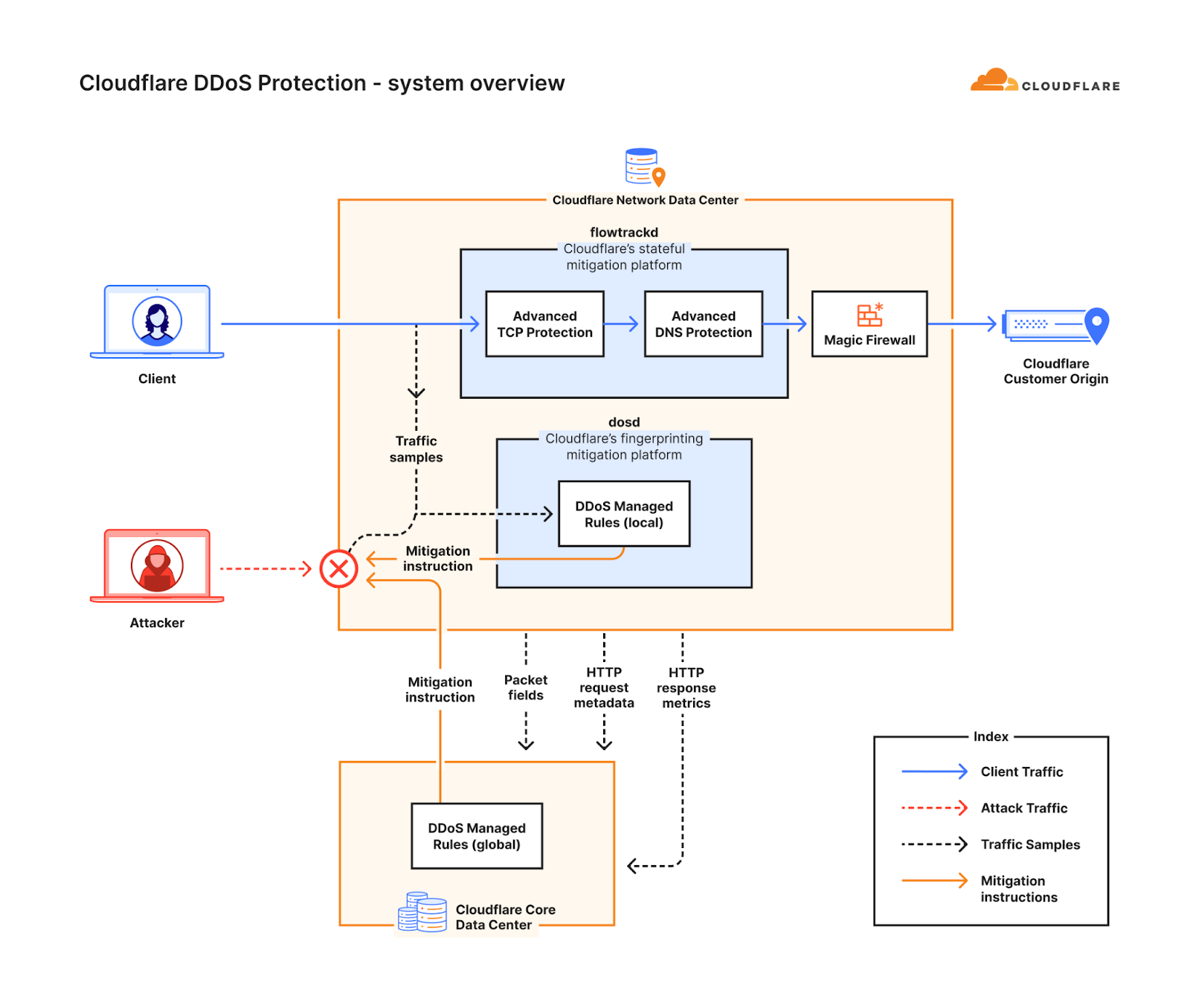
Arbor DDoS protection refers to the suite of network security solutions developed by NETSCOUT, designed to detect, analyze, and mitigate large-scale distributed denial-of-service (DDoS) attacks. These solutions combine deep packet inspection, global threat intelligence, and automated traffic scrubbing to ensure service availability for internet service providers (ISPs), managed service providers (MSPs), and large-scale enterprise networks.
The Evolution and Role of Arbor DDoS Technology
In the context of 2026, the digital landscape remains heavily reliant on the continuous availability of network infrastructure. DDoS attacks, which aim to overwhelm network resources with massive volumes of traffic, pose an existential threat to businesses and service providers alike. Arbor’s technology has long served as a backbone for network defense, moving beyond simple volumetric filtering to address sophisticated, multi-vector threats.
The Arbor solution, now under the NETSCOUT brand, is characterized by its visibility-driven approach. Unlike many security appliances that focus solely on blocking traffic, the Arbor architecture—most notably the Arbor Sightline and Arbor Threat Mitigation System (TMS)—prioritizes granular traffic analysis. This provides network operators with the "visibility" required to distinguish between legitimate user traffic and malicious botnet activity. By understanding the composition of network traffic, administrators can apply surgical mitigation techniques that preserve the performance of essential services.
Core Components of the Arbor Security Architecture
Understanding the Arbor ecosystem requires distinguishing between its primary functional units. While individual deployment needs vary, most large-scale implementations rely on two key components:
1. Arbor Sightline (formerly Peakflow)
Sightline serves as the intelligence engine. It monitors the entire network perimeter, providing comprehensive visibility into traffic patterns. Its primary job is anomaly detection. By utilizing flow data (such as NetFlow, IPFIX, or SNMP), Sightline identifies shifts in traffic volume or protocol distribution that signal the onset of a DDoS attack. In 2026, the reliance on high-speed telemetry has made this component essential for early warning and rapid incident response, allowing teams to identify even subtle, low-and-slow application-layer attacks.
2. Arbor Threat Mitigation System (TMS)
The TMS is the enforcement point. Once the Sightline engine identifies a threat, it directs the TMS to perform "scrubbing." The TMS uses deep packet inspection (DPI) to look inside incoming packets. It does not simply drop traffic based on IP addresses; instead, it looks for specific malformed headers, signatures, or behavioral patterns associated with modern botnets. This allows for the surgical removal of malicious traffic while allowing legitimate user traffic to pass through the network uninterrupted.
Deployment Models and Scalability
Arbor solutions are designed for flexibility. The "right" deployment depends largely on the organization’s scale and the nature of their connectivity.
- On-Premises Deployment: Ideal for organizations with massive bandwidth capacity (e.g., Tier-1 ISPs). This model involves installing hardware appliances directly within the data center. It provides the lowest latency and total control over traffic, but it requires substantial capital expenditure and internal expertise to manage.
- Cloud-Based/Hybrid Models: Many organizations choose to leverage a cloud-signaling approach. In this model, on-premises equipment detects the attack, and when volumes exceed local capacity, the system triggers a "signal" to a cloud-based scrubbing center. This shifts the heavy lifting of massive volumetric attacks—which can reach terabit-per-second scales—to a distributed cloud infrastructure designed specifically to absorb such pressure.
- Managed Services: For enterprises that do not have 24/7 Security Operations Centers (SOCs), Arbor-powered managed services allow them to outsource the detection and mitigation lifecycle to partners who utilize the NETSCOUT platform.
Comparing Traditional Firewalling vs. Arbor DDoS Protection
It is a common mistake to assume that a standard stateful firewall can substitute for dedicated DDoS protection. Traditional firewalls are designed to inspect and permit traffic flows based on connection state and ACLs. Under the load of a large-scale DDoS attack, a standard firewall will typically crash, as the sheer volume of connection attempts exhausts its state table memory.
| Feature | Standard Enterprise Firewall | Arbor DDoS Solution |
|---|---|---|
| Primary Focus | Access control and policy enforcement | Availability and traffic scrubbing |
| Scalability | Limited by connection state tables | Massive, specialized for volumetric load |
| Visibility | Per-packet/flow logging | Deep behavioral analysis and flow telemetry |
| Mitigation | Simple blacklisting | Surgical packet filtering and rate limiting |
| Deployment | Perimeter security gateway | Inline or out-of-band at the network edge |
Key Requirements for Implementation
Successfully deploying an Arbor solution is a significant operational undertaking. Organizations considering this architecture must account for the following prerequisites:
- Network Architecture Assessment: Before implementation, engineers must map the organization’s entry and exit points. Understanding where traffic enters the network is vital for accurate flow monitoring.
- Telemetry Capabilities: The network infrastructure (routers and switches) must be capable of exporting high-fidelity flow data. Without consistent flow data, the visibility component of the Arbor platform cannot function.
- Capacity Planning: If opting for an on-premises TMS, organizations must ensure they have sufficient physical space, cooling, and power, as well as the throughput capacity to handle peak expected traffic levels.
- Operational Expertise: The system is powerful, but it requires skilled staff to tune the thresholds for anomaly detection. Improperly configured thresholds can lead to "false positives," where legitimate traffic is accidentally blocked.
Best Practices for DDoS Mitigation in 2026
Effective defense is a continuous process rather than a one-time configuration. As attackers evolve their techniques to include encrypted traffic floods and multi-vector campaigns, the following operational steps are recommended:
- Automation of Signaling: In the event of a volumetric attack, seconds matter. Relying on manual intervention to trigger traffic redirection will inevitably lead to service downtime. Automating the signal from the detection layer (Sightline) to the scrubbing layer (TMS) is essential for maintaining uptime.
- Integration with Threat Intelligence: Using global threat intelligence feeds allows the system to pre-emptively block traffic from known botnets and malicious nodes before they reach the network perimeter.
- Regular Drills: Organizations should conduct "Red Team" exercises where controlled, non-disruptive DDoS attacks are simulated. This verifies that detection triggers work as intended and that the incident response team knows how to interpret the Arbor dashboard data during a crisis.
- Policy Tuning: As business services change—such as moving applications to microservices or shifting to edge-compute models—mitigation policies must be updated to prevent the blocking of legitimate, new traffic patterns.
Common Troubleshooting and Limitations
No system is infallible. When encountering issues with an Arbor deployment, start with the fundamentals:
- False Positives: If legitimate users are being blocked, the most likely cause is an overly aggressive threshold in the Sightline configuration. Review the "top talkers" and baseline traffic behavior during periods of normal operation to recalibrate the sensitivity.
- Bypassing the Mitigation: If an attack is reaching the target servers despite mitigation, ensure that the BGP (Border Gateway Protocol) routing changes required to direct traffic to the scrubbing center are propagating correctly across the network.
- Hardware Exhaustion: If the TMS appliances show high CPU utilization during an attack, it may be time to evaluate the capacity of the current hardware or offload more traffic to the cloud-signaling platform.
Frequently Asked Questions
Does Arbor protection guarantee 100% uptime? No security solution can guarantee absolute immunity. DDoS protection is about resiliency—reducing the duration and impact of an attack. While it is highly effective at neutralizing known and volumetric threats, zero-day application-layer attacks may still require manual intervention or additional security layers.
How does Arbor handle encrypted (HTTPS/TLS) traffic? Modern DDoS protection uses behavioral analysis to inspect traffic flows. While the system may not decrypt every packet, it looks at the handshake patterns, connection rates, and packet metadata to identify malicious intent without needing to perform invasive decryption that would impact system performance.
Can Arbor be used for small businesses? Arbor products are primarily engineered for large-scale enterprise, ISP, and carrier-grade environments. For smaller businesses, the hardware and operational costs are often prohibitive. In such cases, a cloud-native, managed DDoS protection service is a more suitable and cost-effective alternative.
What is the difference between "Inline" and "Out-of-Band" deployment? Inline deployment means traffic passes through the mitigation device constantly. This provides instant protection but introduces latency. Out-of-band deployment keeps the device on a side-path, only pulling traffic into the mitigation loop when an attack is detected; this is faster for normal traffic but can have a slight delay during the initial redirection phase.
Is NETSCOUT Arbor a cloud service or a physical device? It is both. NETSCOUT provides a hybrid model. You can deploy physical appliances in your own data centers for local control, or utilize their cloud-based scrubbing services to handle massive volumetric attacks that exceed your local bandwidth limits.
Next Steps for Implementation
If your organization is evaluating the need for professional-grade DDoS mitigation, begin by conducting a comprehensive audit of your network's exposure to volumetric traffic. Consult with your ISP to determine if they provide upstream mitigation services or if they can support BGP flow redirection to a scrubbing center. For organizations managing their own infrastructure, contact a NETSCOUT representative to request a formal capacity assessment to determine whether an on-premises TMS or a cloud-signaling architecture best aligns with your throughput and budget requirements in 2026.