Applying for a personal loan involves assessing your creditworthiness, comparing lender offers, and submitting a formal application with documented proof of income and identity. To secure the best rates, you must verify your credit score, calculate your debt-to-income ratio, and pre-qualify with multiple lenders to compare annual percentage rates (APRs) and fee structures before committing to a hard credit inquiry.
A personal loan is a versatile financial tool that provides a lump sum of capital, which is repaid over a fixed term—typically two to seven years—at a fixed or variable interest rate. In 2026, the process has become increasingly streamlined through digital-first lenders and automated underwriting, yet the fundamental requirements for approval remain rooted in financial stability and credit history. Whether you are looking to consolidate high-interest debt, fund a major home improvement project, or cover unexpected medical expenses, understanding the nuances of the application lifecycle is critical to avoiding predatory terms and unnecessary costs.
Assessing Your Financial Eligibility and Credit Health
Before initiating an application, you must understand how lenders perceive your financial profile. Lenders primarily evaluate two metrics: your credit score and your debt-to-income (DTI) ratio.
Understanding Your Credit Score in 2026
Your credit score is the single most influential factor in determining your interest rate. While many lenders now use specialized AI-driven models to assess risk, the FICO score remains the industry standard. For a personal loan, a "good" score typically starts at 670, while "excellent" scores above 740 command the lowest available APRs.
If your score is below 600, you may still qualify for a loan, but the interest rates may be significantly higher, or you may be required to provide collateral for a secured loan. It is essential to check your credit report via AnnualCreditReport.com to ensure there are no errors or fraudulent accounts that could artificially depress your score prior to applying.
Calculating Your Debt-to-Income (DTI) Ratio
Lenders use the DTI ratio to measure your ability to manage monthly payments. This ratio is calculated by dividing your total monthly debt obligations (rent/mortgage, car payments, student loans, and credit card minimums) by your gross monthly income.
In 2026, most personal loan providers prefer a DTI ratio of 36% or lower, though some online lenders may accept up to 45% or 50% if your income is substantial and your credit history is pristine. If your DTI is too high, lenders view you as a "high-risk" borrower, potentially leading to a loan rejection or a reduced loan amount.
Selecting the Right Type of Personal Loan
Not all personal loans are structured the same way. Selecting the wrong type can lead to higher long-term costs or the risk of asset loss.
Unsecured vs. Secured Loans
Most personal loans are unsecured, meaning they do not require collateral like a house or a car. Because the lender takes on more risk, these loans usually carry higher interest rates. Conversely, secured loans require you to pledge an asset (such as a savings account or a vehicle title). If you default, the lender can seize the asset. Secured loans are often easier to obtain for those with lower credit scores.
Fixed-Rate vs. Variable-Rate Terms
- Fixed-Rate Loans: The interest rate remains the same throughout the life of the loan. This provides predictable monthly payments, making it easier to budget.
- Variable-Rate Loans: The interest rate is tied to a benchmark, such as the prime rate. While these may start lower than fixed rates, they can increase over time, potentially making your loan much more expensive if market rates rise in 2026.
Comparing Lender Categories
Where you apply can be just as important as when you apply. The market is generally divided into three main segments: traditional banks, credit unions, and online lenders.
| Lender Type | Best For | Typical Pros | Typical Cons |
|---|---|---|---|
| Traditional Banks | Existing customers with high credit | Competitive rates, physical branches | Stricter requirements, slower funding |
| Credit Unions | Local community members | Lower fees, personalized service | Requires membership, manual processes |
| Online Lenders | Speed and convenience | Fast approval, high accessibility | Higher rates for fair credit, no in-person help |
| Specialized Lenders | Debt consolidation or medical | Targeted features, direct creditor pay | May have limited loan amounts |
Traditional Banks
Large institutions like Chase or Wells Fargo often reserve their best personal loan products for existing customers. If you have a long-standing relationship with a bank, they may offer a relationship discount (e.g., 0.25% off the APR). However, their underwriting is often rigid, making it difficult for those with non-traditional income or average credit to qualify.
Credit Unions
As member-owned, not-for-profit organizations, credit unions often provide lower interest rates and more flexible terms than commercial banks. According to the National Credit Union Administration (NCUA), credit unions are limited in the interest rates they can charge on certain products, which can benefit borrowers during periods of high inflation.
Online Lenders
Online-only platforms such as SoFi, Upstart, and LightStream have revolutionized the market by using alternative data—such as education and employment history—to evaluate creditworthiness. These lenders often provide "instant" pre-qualification and can fund loans within 24 to 48 hours.
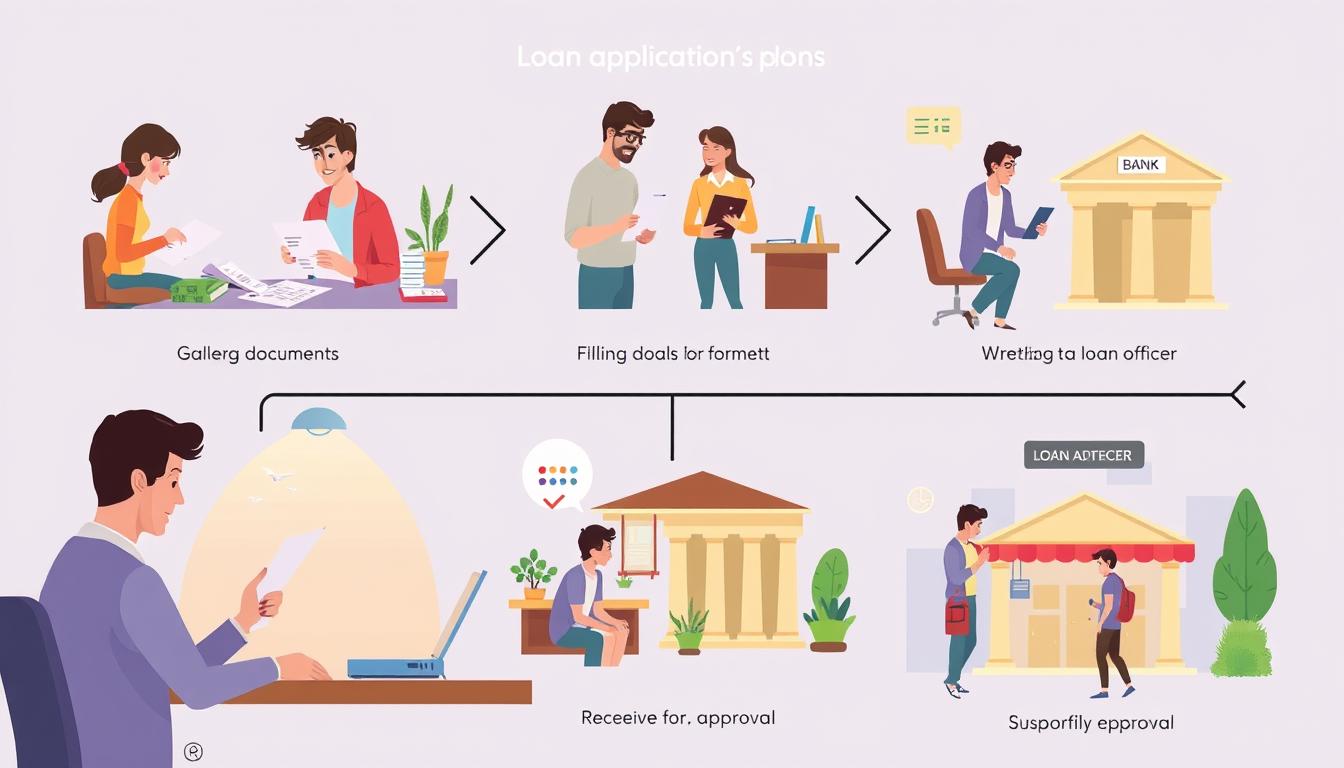
The Step-by-Step Application Process
Once you have identified potential lenders, follow these steps to complete the application process efficiently.
1. Pre-qualification (Soft Credit Pull)
Most modern lenders offer a pre-qualification tool. This allows you to see your estimated rate and loan amount without affecting your credit score. This is known as a "soft pull." You should pre-qualify with at least three different lenders to ensure you are getting the best deal.
2. Document Preparation
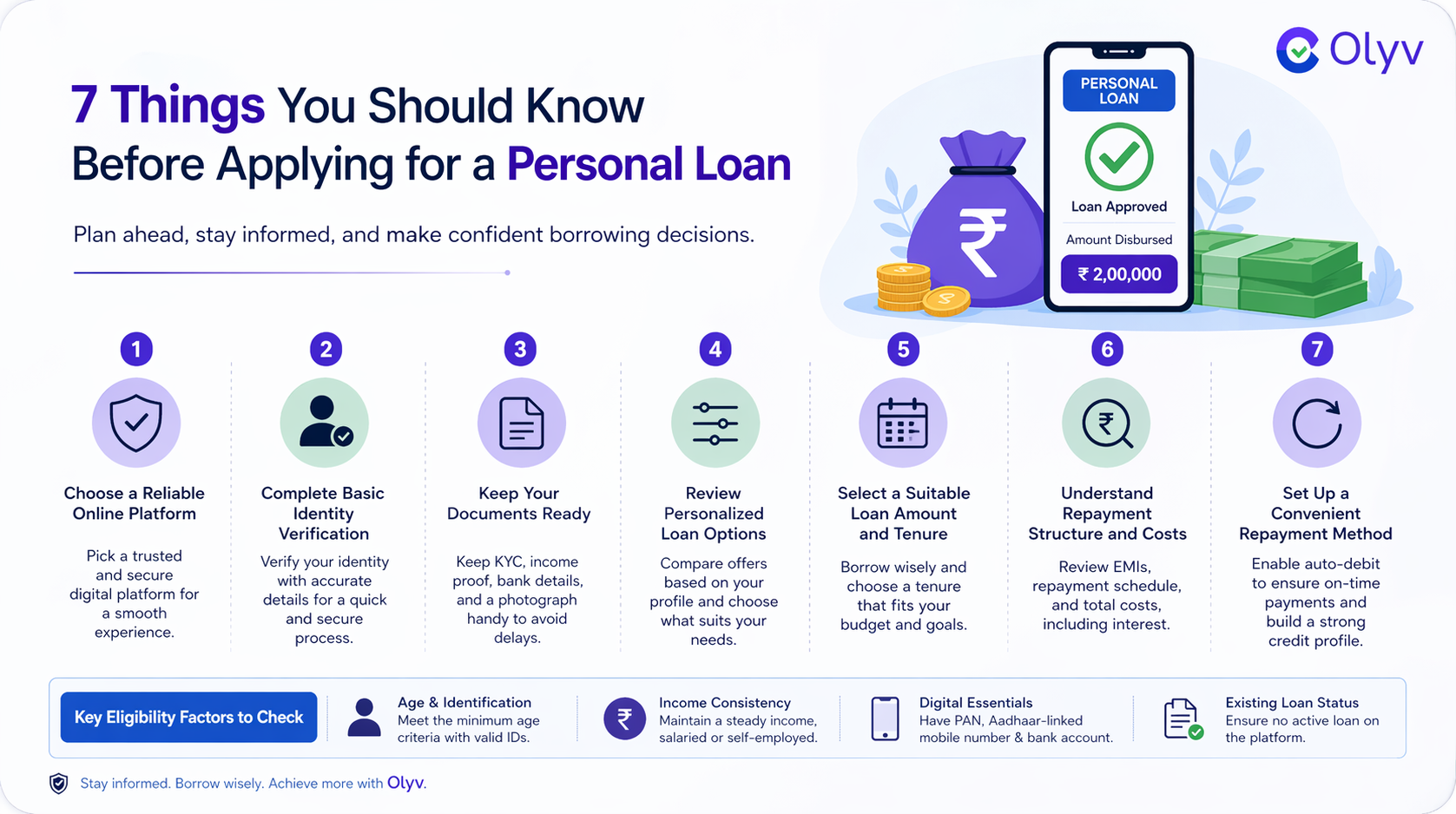
Before moving to the formal application, gather the necessary documentation. Lenders will require:
- Identity Verification: A government-issued ID (Driver’s license or Passport).
- Income Verification: Recent pay stubs, W-2 forms, or 1099s if you are self-employed. In 2026, many lenders use services like Plaid to verify your income directly through your bank account.
- Residency Proof: Utility bills or a lease agreement.
3. Formal Application (Hard Credit Pull)
Once you select a specific offer, you will submit a formal application. This triggers a "hard credit pull," which may temporarily lower your credit score by a few points. The lender will perform a deep dive into your financial history and verify the documents you provided during the pre-qualification phase.
4. Underwriting and Approval
During underwriting, the lender verifies all information. This can take anywhere from a few minutes (automated) to a few days (manual). If the lender requires more information, they will reach out for "stipulations," such as a secondary proof of address or a phone call to your employer.
5. Loan Signing and Funding
If approved, you will receive a loan agreement detailing the final APR, monthly payment, and total cost of the loan. Read the fine print carefully, looking for "prepayment penalties"—fees charged if you pay the loan off early. Once signed electronically, funds are typically deposited into your linked bank account via ACH transfer.
Common Costs and Fees to Monitor
The interest rate is not the only cost associated with a personal loan. You must calculate the Annual Percentage Rate (APR), which includes the interest plus any mandatory fees.
- Origination Fees: These are one-time upfront fees charged by the lender for processing the loan. They typically range from 1% to 8% of the loan amount and are usually deducted from the total loan proceeds.
- Late Payment Fees: If you miss a payment deadline, you will be charged a flat fee or a percentage of the amount due.
- Prepayment Penalties: Some lenders charge a fee if you pay off the debt ahead of schedule, as this costs them future interest revenue. In 2026, most top-tier lenders have moved away from these penalties, but they still exist in the subprime market.
Expert Strategies for Loan Approval
To increase your chances of a favorable outcome, consider the following strategies:
- Apply for the minimum amount needed: Borrowing more than necessary increases your DTI and the lender's risk.
- Use a Co-signer: If your credit is poor, adding a co-signer with excellent credit can help you secure a lower interest rate. Note that the co-signer is equally responsible for the debt.
- Consolidate high-interest debt first: If the loan is for debt consolidation, some lenders will pay your creditors directly. This can sometimes result in a lower interest rate because the lender knows the money is going toward debt reduction rather than new spending.
Frequently Asked Questions
What is the minimum credit score for a personal loan?
While some lenders specialize in "bad credit" loans for scores as low as 580, most traditional and online lenders require a minimum score of 620 to 660. Scores below 600 often result in APRs exceeding 25%, which can be financially burdensome.
How long does it take to get a personal loan?
The timeline varies by lender. Online lenders can often fund a loan within one to two business days. Traditional banks and credit unions may take five to seven business days, as they may require manual document review or in-person verification.
Will applying for a personal loan hurt my credit score?
The initial pre-qualification uses a soft credit pull, which does not affect your score. However, the formal application requires a hard credit pull, which typically causes a minor, temporary dip in your score. If you make your payments on time, the loan can eventually improve your score by diversifying your credit mix.
Can I get a personal loan if I am self-employed?
Yes, but you will need to provide more extensive documentation. Lenders usually require two years of tax returns (Schedule C) and several months of bank statements to verify a consistent income stream.
Can I use a personal loan for any purpose?
Most personal loans are "unrestricted," meaning you can use them for anything from weddings to debt consolidation. However, most lenders prohibit using personal loans for post-secondary education expenses, gambling, or illegal activities.
Final Recommendation
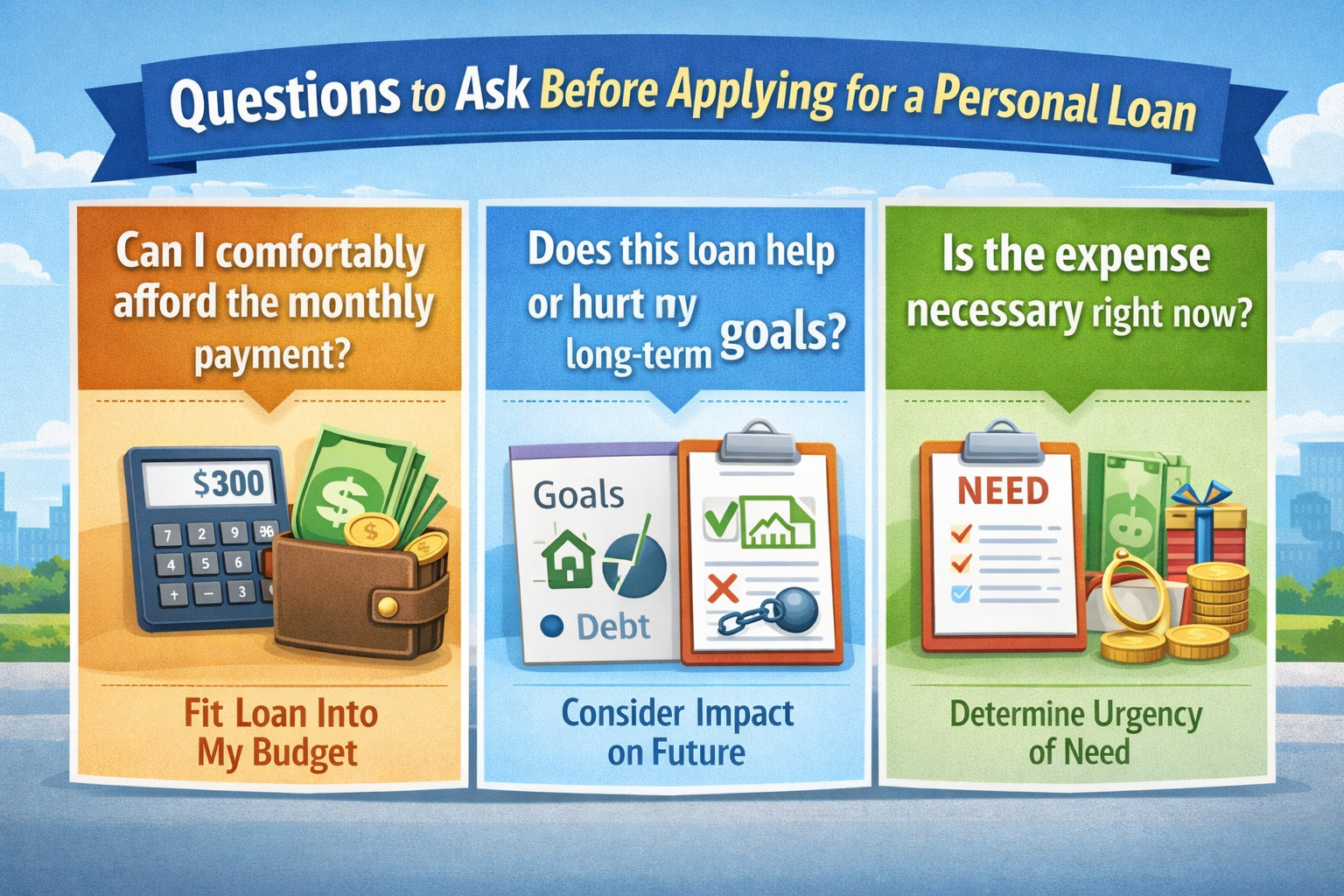
Before applying for a personal loan in 2026, conduct a thorough audit of your monthly budget to ensure you can comfortably manage the new payment. Start by checking your credit score for errors and using a soft-pull pre-qualification tool to compare at least three different lenders. Prioritize lenders that offer low or no origination fees and no prepayment penalties. If your credit score is below 660, consider taking three to six months to improve your credit profile—by paying down credit card balances or disputing errors—before applying, as this can save you thousands of dollars in interest over the life of the loan.