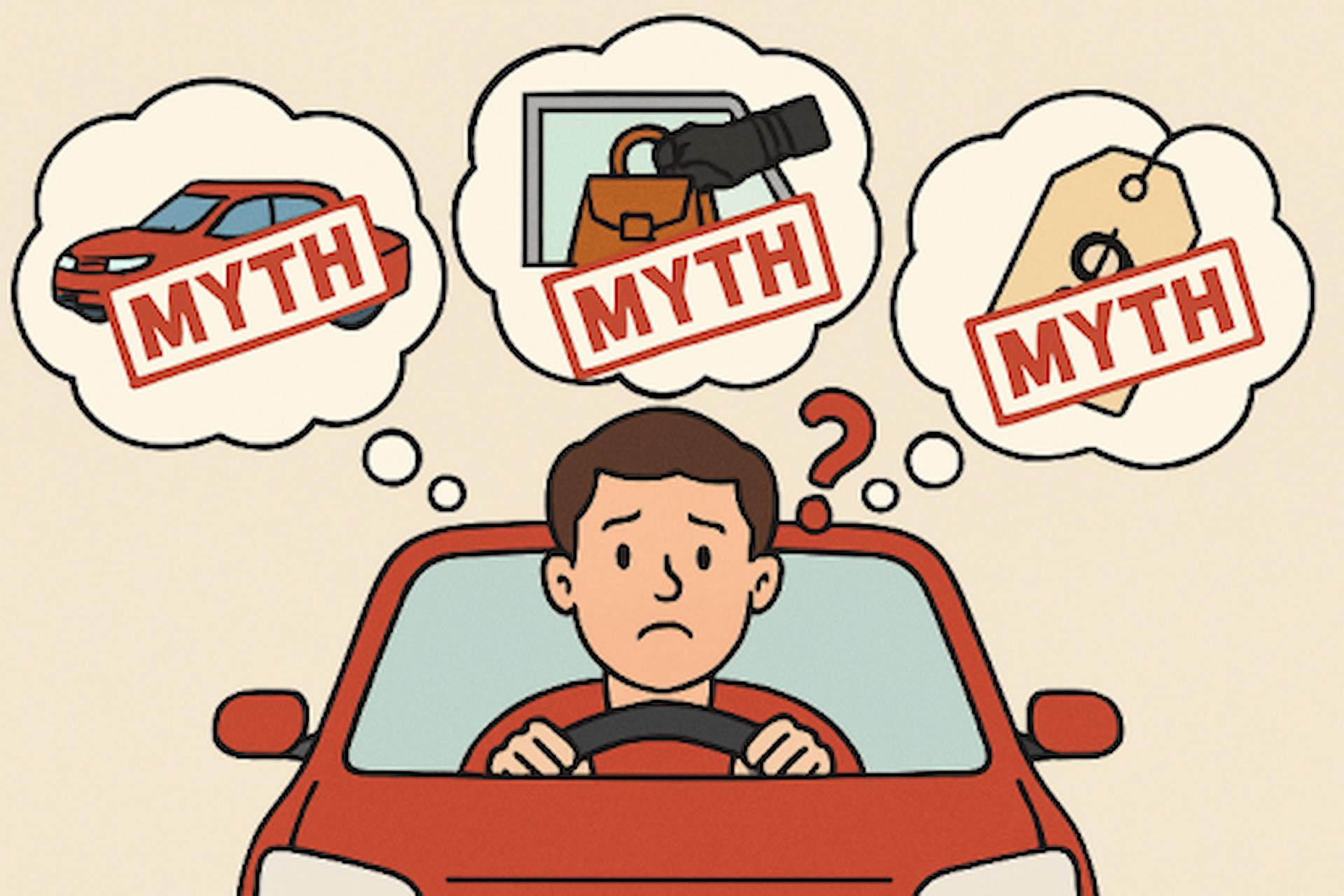
Navigating state health insurance—including Medicaid, CHIP, and Marketplace plans—is often complicated by outdated information and persistent misconceptions. In 2026, eligibility rules and coverage options have evolved significantly. Debunking common myths about income limits, employment status, and care quality is essential for securing affordable, high-quality medical coverage for yourself and your family.
Understanding the Landscape of State-Affiliated Insurance
Before addressing specific myths, it is vital to distinguish between the two primary types of state-facilitated health coverage. The first is Medicaid, a joint federal and state program that provides health coverage to people with limited income. The second is the Health Insurance Marketplace (often referred to as the Exchange), where individuals can purchase private insurance with the help of federal subsidies managed through state or federal portals.
In 2026, the lines between these programs have become more integrated. Many states use a "No Wrong Door" policy, meaning a single application determines your eligibility for Medicaid, the Children's Health Insurance Program (CHIP), or subsidized private plans. Despite this streamlined approach, millions of eligible Americans remain uninsured because they believe they do not qualify or that the coverage is insufficient.
Myth 1: My Income Is Too High to Qualify for Any Assistance
One of the most pervasive myths is that state health assistance is reserved exclusively for those living in extreme poverty. While Medicaid does have strict income ceilings, the definition of "low income" has expanded in most states.
The Reality of Medicaid Expansion
As of 2026, the vast majority of states have adopted Medicaid expansion. Under the Affordable Care Act (ACA) guidelines, expansion states allow adults to qualify if their household income is at or below 138% of the Federal Poverty Level (FPL). For a single individual, this threshold is often higher than many realize, and for families, the numbers scale upward significantly.
Marketplace Subsidies and Tax Credits
Even if you earn too much for Medicaid, the Health Insurance Marketplace offers Premium Tax Credits (PTCs) that significantly lower monthly costs. In 2026, the "subsidy cliff"—which previously cut off assistance for those earning over 400% of the FPL—remains addressed through extended legislative adjustments. This means that even middle-income families can often find plans where premiums are capped at a reasonable percentage of their total household income.
Modified Adjusted Gross Income (MAGI)
Eligibility is based on your Modified Adjusted Gross Income (MAGI), not your gross pay. Certain deductions can lower your MAGI, potentially making you eligible for higher subsidies or even Medicaid despite a higher "sticker price" salary.
Myth 2: If I Have a Job, I Cannot Get State Health Insurance
Many individuals believe that employment automatically disqualifies them from state-sponsored programs. This is factually incorrect. A significant percentage of Medicaid enrollees are members of the workforce.
The Working Poor and Underinsured
Often, entry-level positions, retail work, or "gig economy" roles do not offer employer-sponsored insurance (ESI). In these cases, state insurance acts as the primary safety net. Furthermore, if your employer does offer insurance, but the cost of the "self-only" plan exceeds a specific percentage of your household income (a calculation often updated annually by the Internal Revenue Service), you may still qualify for Marketplace subsidies.
The "Family Glitch" Correction
For years, the "family glitch" prevented dependents from receiving subsidies if the employee’s individual coverage was affordable, even if family coverage was not. In 2026, regulations ensure that if the total cost to cover a family through an employer is deemed unaffordable, those family members can seek subsidized coverage through the state marketplace instead.
Myth 3: You Can Only Apply During One Month of the Year
While it is true that the Annual Open Enrollment Period (typically occurring from November 1st through mid-January) is the primary time to sign up for Marketplace plans, it is a myth that this is your only window.
Special Enrollment Periods (SEPs)
Life changes frequently. If you experience a Qualifying Life Event (QLE), you trigger a 60-day window to enroll in or change your plan regardless of the time of year. Common QLEs include:
- Losing existing health coverage (due to job loss or aging out of a parent's plan).
- Getting married or divorced.
- Having a baby or adopting a child.
- Permanently moving to a new ZIP code or county.
- A change in citizenship or immigration status.
Medicaid and CHIP are Year-Round
Crucially, there is no "enrollment period" for Medicaid or CHIP. If you qualify based on income or disability, you can apply and be enrolled at any time during the calendar year. There is never a deadline to seek these specific state-managed benefits.
Myth 4: State Health Insurance Provides "Second-Rate" Care
A common stigma suggests that state-funded insurance leads to longer wait times and lower-quality doctors. While provider networks vary by plan, the core medical benefits are federally mandated to be comprehensive.
Essential Health Benefits (EHBs)
By law, every plan offered through the Marketplace and every Medicaid program must cover ten Essential Health Benefits. These include:
- Outpatient care (ambulatory services).
- Emergency services.
- Hospitalization.
- Pregnancy, maternity, and newborn care.
- Mental health and substance use disorder services.
- Prescription drugs.
- Rehabilitative and habilitative services.
- Laboratory services.
- Preventive and wellness services (including chronic disease management).
- Pediatric services, including oral and vision care.
Private Networks
When you buy a Marketplace plan, you are purchasing a policy from private companies like Blue Cross Blue Shield, UnitedHealthcare, or Kaiser Permanente. You are using the same networks and seeing the same doctors as those who get insurance through high-end corporate employers. The only difference is how the premium is paid—partially or fully by the government via tax credits.
Myth 5: Applying for State Insurance Will Hurt My Immigration Status
The "public charge" rule has been a source of significant fear for immigrant communities. Many believe that receiving Medicaid or Marketplace subsidies will jeopardize their path to a Green Card or citizenship.
Current Public Charge Regulations
In 2026, federal guidelines explicitly state that using health insurance subsidies or Medicaid (except for long-term institutionalization) does not make someone a "public charge." Applying for health coverage for your children—many of whom may be U.S. citizens—is safe and encouraged. Furthermore, the information provided on a health insurance application is used solely to determine eligibility and cannot be shared with immigration enforcement for the purposes of deportation or criminal prosecution.
Myth 6: The State Will Take My House if I Use Medicaid
This myth stems from a misunderstanding of the Medicaid Estate Recovery Program (MERP). While the state can, in very specific circumstances, seek reimbursement from the estate of a deceased beneficiary, the rules are highly restricted.
Limitations on Estate Recovery
Estate recovery generally only applies to individuals who were 55 or older when they received Medicaid benefits, and it is usually limited to the costs of long-term care, such as nursing home stays or home and community-based services. If you are a 30-year-old using Medicaid for routine doctor visits and prescriptions, the state has no claim to your assets or home. Furthermore, recovery cannot take place if there is a surviving spouse, a child under 21, or a blind/disabled child living in the home.
Comparing Your Options in 2026
To help visualize the differences between these programs, consider the following table which outlines the core characteristics of state-affiliated insurance options.
| Feature | Medicaid | CHIP | Marketplace (Exchange) |
|---|---|---|---|
| Primary Audience | Low-income individuals/families | Children in families with mid-low income | Individuals and families of all incomes |
| Enrollment Period | Year-round | Year-round | Open Enrollment or Special Window |
| Monthly Premiums | Usually $0 | Low-cost or $0 | Variable (Subsidized by Tax Credits) |
| Doctor Selection | Varies by state network | Comprehensive pediatric networks | Private networks (HMO/PPO) |
| Prescription Coverage | Included | Included | Included |
| Cost Sharing | Minimal or no co-pays | Small co-pays for some services | Deductibles and co-pays apply |
Myth 7: The Application Process is Too Complicated
In the early years of the ACA, websites were notoriously difficult to navigate. However, by 2026, the technology behind HealthCare.gov and state-based exchanges has been drastically refined.
Streamlined Systems
Applications are now largely automated. In many cases, the system can verify your income and citizenship status in real-time by communicating with the IRS and the Social Security Administration. This reduces the need for mailing in stacks of paper documents.
Free Professional Assistance
If the process still feels overwhelming, there are federally funded Navigators and Certified Application Counselors available in every state. These individuals provide free, unbiased assistance to help you understand your options and complete your application. They are not insurance agents and do not work on commission, so their only goal is to help you find the best coverage.
Common Mistakes to Avoid
Even with the myths debunked, applicants often run into hurdles due to simple errors. Avoiding these can speed up your approval:
- Estimating Income Incorrectly: Remember to estimate your income for the upcoming year, not the past year. If you expect a raise or a job change, factor that in.
- Ignoring the Mail: If the state sends a request for "Proof of Income," you usually only have a few weeks to respond before your coverage is terminated.
- Assuming You Are Ineligible Because of "Assets": For the vast majority of ACA-related Medicaid and Marketplace plans, your "assets" (savings, cars, property) are not counted. Only your monthly or yearly income matters.
FAQs About State Health Insurance
Can I get state health insurance if I am self-employed?
Yes. Self-employed individuals are one of the primary groups served by the Marketplace. Because you do not have an employer to subsidize your plan, you are often eligible for significant tax credits based on your net profit (after business expenses).
Does state insurance cover pre-existing conditions?
Absolutely. Since 2014, it has been illegal for any ACA-compliant plan (including all state Marketplace and Medicaid plans) to deny coverage or charge more based on a pre-existing condition such as cancer, diabetes, or pregnancy.
What happens if my income changes mid-year?
You are required to report income changes to the Marketplace or Medicaid office. If your income increases, your subsidy might decrease. If your income drops, you may become eligible for Medicaid or higher subsidies, which could lower your monthly premiums immediately.
Do I have to pay back the subsidies at the end of the year?
The subsidies are "Advanced Premium Tax Credits." When you file your taxes the following year, the IRS will "reconcile" what you received versus what you were actually eligible for based on your final year-end income. If you underestimated your income significantly, you might have to pay a portion back. If you overestimated, you might receive a larger tax refund.
Are dental and vision included?
For children under 18, dental and vision are considered Essential Health Benefits and are included in all plans. For adults, Medicaid coverage for dental and vision varies by state, and Marketplace users may need to purchase a separate stand-alone dental or vision plan, though some "Silver" and "Gold" plans include them.
Next Steps: Securing Your Coverage
If you are currently uninsured or find your private insurance unaffordable, your first action should be to visit HealthCare.gov or your state’s specific health portal. By entering your ZIP code and estimated household income, you can receive an instant "window shopping" estimate of what your costs would be.
Do not let the fear of "too much income" or "complicated paperwork" prevent you from exploring these options. In 2026, the system is designed to provide a tiered level of support that scales with your needs. Whether you qualify for a $0-premium Medicaid plan or a subsidized private PPO, the protection of health insurance is a critical component of your financial and physical well-being.