When applying for Medicaid, changing ownership of a life insurance policy is often categorized as a "transfer of assets" that can trigger a penalty period. Because policies with cash value are considered countable resources, transferring ownership within the five-year look-back period usually results in a delay of benefits unless specific legal exemptions apply.
Navigating the intersection of long-term care planning and life insurance requires a precise understanding of how state Medicaid agencies value these financial instruments. For many seniors in 2026, life insurance is not just a death benefit; it is a potential barrier to eligibility. If a policy has a cash surrender value (CSV) that exceeds state-mandated limits, it must be addressed through spending down, liquidation, or restructuring before an applicant can qualify for Medicaid coverage for nursing home or home-based care.
Understanding Life Insurance as a Countable Asset
In the eyes of Medicaid, not all life insurance policies are treated equally. The primary distinction lies in whether the policy possesses a "cash value" that the owner can access while still alive.
Term Life vs. Whole Life Insurance
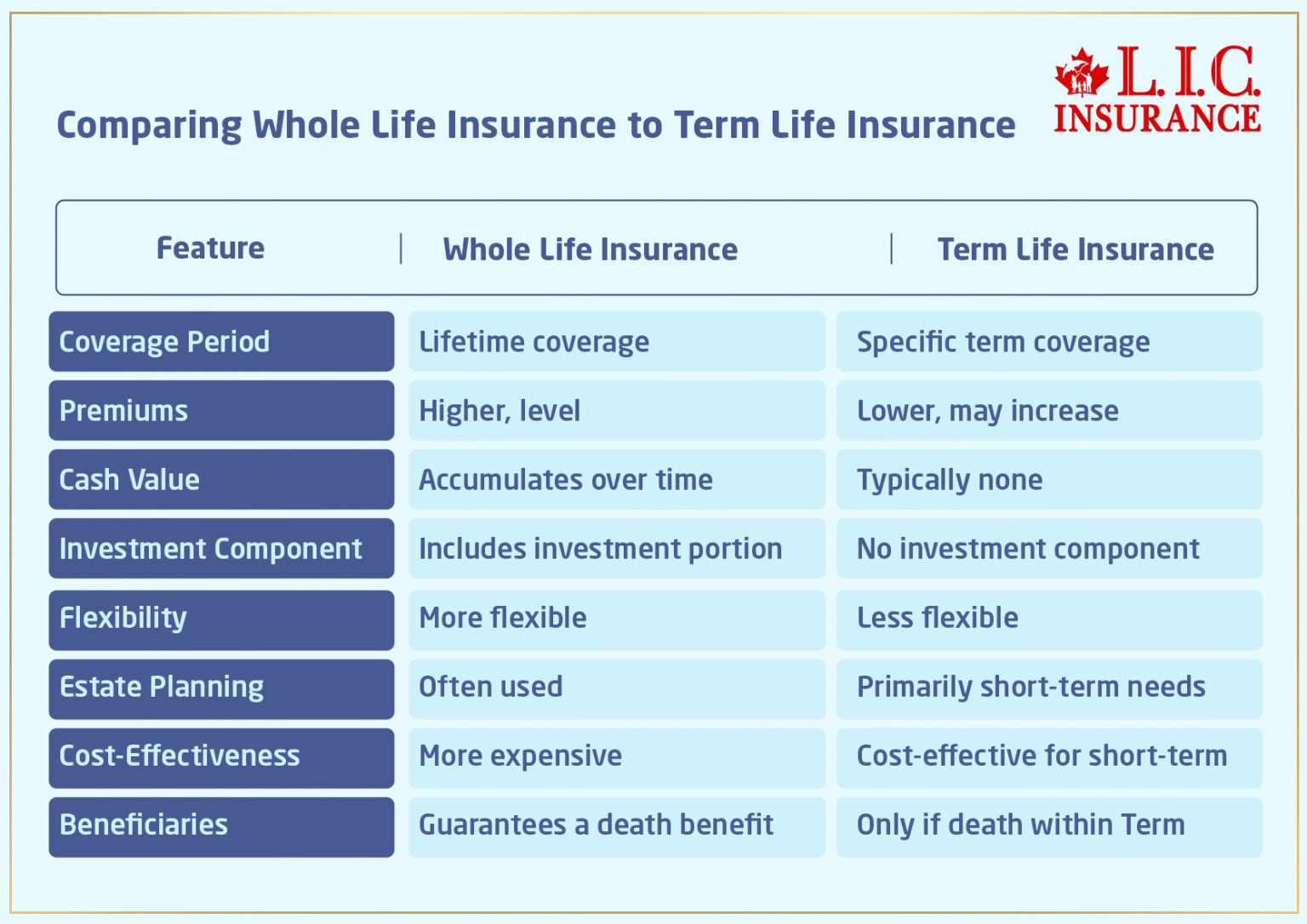
Term life insurance policies generally do not have any cash value. They provide coverage for a specific period and pay out only upon the death of the insured. Because there is no "account" to draw from, Medicaid typically ignores term life insurance during the asset calculation.
Conversely, permanent life insurance—including whole life, universal life, and variable life—builds cash value over time. If the total face value (the death benefit) of all such policies held by an applicant exceeds a certain threshold (commonly $1,500, though this varies by state), the entire cash surrender value is counted as an available asset. In 2026, with the rising costs of long-term care, even a modest $5,000 whole life policy can push an applicant over the asset limit, which is often set at $2,000 for individuals in many jurisdictions.
The $1,500 Threshold Explained
The $1,500 face-value rule is a federal baseline used by many state Medicaid programs. If the aggregate face value of all your life insurance policies is $1,500 or less, the cash value is usually excluded. However, once you cross that $1,501 mark, every dollar of the cash value is counted toward your asset limit. This "all or nothing" approach makes life insurance one of the first assets scrutinized during the application process.
The Consequences of Changing Ownership
When an applicant realizes their life insurance policy will disqualify them, the reflexive response is often to "give it away" to a child or a spouse. In the context of Medicaid, this is known as a transfer of ownership, and it is fraught with regulatory risks.
The Five-Year Look-Back Period
As of 2026, the Medicaid look-back period remains 60 months in nearly every state (California is a notable exception with its ongoing transition toward asset limit elimination). When you apply for Medicaid, the agency reviews all financial transactions from the previous five years. If you changed the ownership of a life insurance policy during this window without receiving "fair market value" in return, it is flagged as an uncompensated transfer.
Penalty Period Calculations
If a transfer is deemed a gift, Medicaid will impose a penalty period—a duration during which the applicant is technically eligible for Medicaid but the program refuses to pay for care. The length of the penalty is calculated by dividing the value of the gift (the cash surrender value of the policy at the time of transfer) by the average monthly cost of nursing home care in your state.
For example, if you transfer a policy with a $20,000 cash value to your son, and your state’s average nursing home cost is $10,000 per month, you would be hit with a two-month penalty. During those two months, you must pay for your care out of pocket, even if your other assets are depleted.
Strategic Options for Life Insurance Ownership
Instead of a simple transfer, there are several legally compliant ways to handle life insurance when preparing for a Medicaid application.
1. Spending Down the Cash Value
The most straightforward method is to surrender the policy, take the cash value, and spend it on "exempt" items. This might include:
- Paying off a mortgage or home repairs.
- Purchasing a new vehicle.
- Paying for home modifications (e.g., wheelchair ramps).
- Settling existing debt.
The key is that the applicant must receive something of equal value for the money. Simply handing the cash to a relative constitutes a gift, not a spend-down.
2. Irrevocable Funeral Trusts (IFTs)
Many states allow individuals to transfer the ownership of a life insurance policy into an Irrevocable Funeral Trust or to assign the policy to a funeral home. When the policy is designated specifically to cover burial and funeral expenses and is made "irrevocable," the cash value is generally excluded from the Medicaid asset test. This allows the applicant to preserve the death benefit for its intended purpose without jeopardizing their eligibility.
3. Transfer to a Spouse
In most cases, assets transferred to a spouse (the "community spouse") are not subject to the transfer penalty. However, the cash value of the policy will still count toward the Community Spouse Resource Allowance (CSRA). While this doesn't trigger a penalty, it may still necessitate a spend-down if the spouse is already at their maximum asset limit.
4. Life Insurance Settlement
In some instances, an applicant may sell their policy to a third party for more than the cash surrender value but less than the death benefit. This is known as a life settlement. The proceeds are then used to pay for care until the applicant reaches the Medicaid asset threshold. This is often more financially advantageous than surrendering the policy to the insurance company.
How to Formally Change Ownership
If a change of ownership is determined to be the best path—perhaps because the applicant is still well outside the five-year look-back window—the process must be handled with the insurance carrier directly.
- Request an Ownership Transfer Form: Contact the insurance company and request a "Change of Ownership" or "Assignment of Policy" form.
- Identify the New Owner: The new owner will assume all rights, including the ability to take loans against the policy, change beneficiaries, and surrender the policy for cash.
- Obtain the CSV Statement: At the time of the transfer, request a formal statement of the cash surrender value from the insurer. You will need this documentation for your Medicaid application to prove the value of the "gift" at the time it was made.
- Update Beneficiaries: Changing the owner does not automatically change the beneficiary. Ensure the new owner reviews and updates the beneficiary designations to align with the new estate plan.
Comparison of Policy Handling Strategies
| Strategy | Medicaid Impact | Pros | Cons |
|---|---|---|---|
| Simple Gift/Transfer | Triggers penalty if within 5 years | Removes asset from your name | Causes delay in benefits; recipient may lose the money |
| Surrender & Spend Down | No penalty if spent on exempt assets | Immediate eligibility; solves the asset problem | Loss of death benefit for heirs |
| Irrevocable Burial Trust | Usually exempt/excluded | Preserves money for funeral costs | Money is locked; cannot be used for other needs |
| Transfer to Spouse | No penalty | Protects the spouse’s financial future | Counts toward the CSRA limit |
| Policy Loan | Reduces CSV | Provides immediate cash for spend-down | Increases policy costs; may lead to lapse |
Common Pitfalls and Troubleshooting
The "Incident of Ownership" Rule
Even if you are not the beneficiary, if you have the right to change the beneficiary, borrow against the policy, or cancel it, you have an "incident of ownership." Medicaid looks at who controls the value. If you retain any of these rights, the policy is still yours for eligibility purposes. To successfully remove a policy from your asset list, the transfer must be absolute and irrevocable.
Naming the Estate as Beneficiary
Avoid naming your estate as the beneficiary of a life insurance policy. If the policy pays into the estate after your death, the state may be required to seize those funds through Medicaid Estate Recovery to reimburse the government for the cost of your care. Naming a specific person (like a child or spouse) as the beneficiary usually protects the death benefit from estate recovery in many states.
Missing Documentation
Medicaid caseworkers require proof. If you claim a policy was transferred four years ago, you must provide the signed transfer documents and proof of the policy’s value at that time. Failure to provide a clear paper trail can result in a denial based on "failure to provide information," which is a common cause for application delays in 2026.
Frequently Asked Questions
Can I just hide my life insurance policy from Medicaid?
No. Medicaid agencies use automated data matches with insurance databases and the Social Security Administration. Failure to disclose a life insurance policy is considered Medicaid fraud, which carries significant legal and financial penalties, including the forced repayment of all benefits provided.
Does term life insurance ever count toward the asset limit?
Generally, no. Since term life insurance has no cash value, it is not a "countable resource." However, you should still disclose it on your application, as the face value may be recorded for administrative purposes.
What happens if I transfer a policy that has no cash value?
If a policy has $0 cash surrender value, transferring it technically has a "gift value" of zero. In theory, this should not trigger a penalty. However, you must provide a letter from the insurance company confirming the $0 value to avoid a caseworker assuming the policy has value.
Can I change the owner to a Special Needs Trust?
Yes, in specific circumstances. If you have a disabled child, transferring assets (including life insurance) to a qualifying Special Needs Trust for their benefit is often an exempt transfer that does not trigger a Medicaid penalty. This is a complex legal maneuver that requires an elder law attorney.
If I am already in a nursing home, is it too late to change ownership?
It is not too late to take action, but any transfer made while in a nursing home is almost certainly within the look-back period. At this stage, the focus usually shifts from "transferring" to "converting" the asset, such as using the cash value to purchase a Medicaid-compliant annuity or a funeral contract.
Practical Recommendations
Before taking any action regarding life insurance and Medicaid, follow these three steps:
First, obtain a current statement from your insurance company that explicitly lists both the Face Value and the Cash Surrender Value. You cannot plan effectively without knowing exactly which threshold your policy crosses.
Second, consult with an Elder Law Attorney or a certified Medicaid planner in your specific state. Medicaid rules are notoriously localized. What works in Florida may be a disaster in Pennsylvania. A professional can help you calculate whether a penalty period is manageable or if an Irrevocable Funeral Trust is a better vehicle for your situation.
Third, evaluate the death benefit's importance. If the policy is small and intended only for burial, assigning it to a funeral home is almost always the most efficient path. If the policy is large and intended as an inheritance, you may need to look into more sophisticated options like an Irrevocable Life Insurance Trust (ILIT), though this must be done well before the need for Medicaid arises to clear the 60-month look-back window.
Disclaimer: This information is for educational purposes and does not constitute legal or financial advice. Medicaid laws vary by state and are subject to change. Consult with a qualified professional before transferring assets.